Understanding the Viral Trend of Homemade Pregnancy Testing
In recent years, social media platforms and online forums have circulated numerous homemade pregnancy test methods, with the sugar-based test gaining particular traction. The appeal is straightforward: using common household items to achieve results comparable to expensive store-bought pregnancy tests. This trend reflects a broader interest in natural or alternative health practices, combined with the desire to save money and time. However, the widespread circulation of these methods on the internet doesn’t necessarily translate to scientific validity or medical reliability.
The sugar pregnancy test represents just one of many DIY approaches that have emerged online, alongside tests involving baking soda, bleach, salt, and various other household substances. While these methods promise convenience and cost savings, understanding their actual basis in medical science is crucial before relying on them for important health decisions.
The Basic Premise: How Advocates Claim the Test Works
According to proponents of the sugar pregnancy test, the method operates on a straightforward principle involving the pregnancy hormone human chorionic gonadotropin, commonly abbreviated as hCG. This hormone is produced during pregnancy and serves as the biological marker that standard home pregnancy tests detect. The theory behind the sugar test suggests that hCG possesses unique chemical properties that prevent sugar from dissolving in urine the way it normally would in other fluids.
The proposed mechanism claims that when hCG is present in urine, it fundamentally alters how sugar particles interact with the liquid. Rather than dissolving smoothly, the sugar allegedly forms visible clumps or precipitates, creating a physical change that supposedly indicates pregnancy. This explanation, while intuitively appealing to those unfamiliar with biochemistry, forms the entire foundation of the test’s credibility among its online advocates.
Step-by-Step Instructions as Described Online
For those curious about attempting this DIY method, the procedure circulating online follows a consistent basic pattern, though specific details vary across different sources. Understanding these steps helps clarify why the test’s unreliability becomes apparent upon closer examination.
Required Materials
- A clean, preferably plastic or ceramic bowl
- Clean container for urine collection
- Granulated white sugar or table sugar
- Access to first morning urine sample
The Testing Process
- Collect urine in the clean container, preferably using your first morning urine, which is believed to contain higher concentrations of hormones
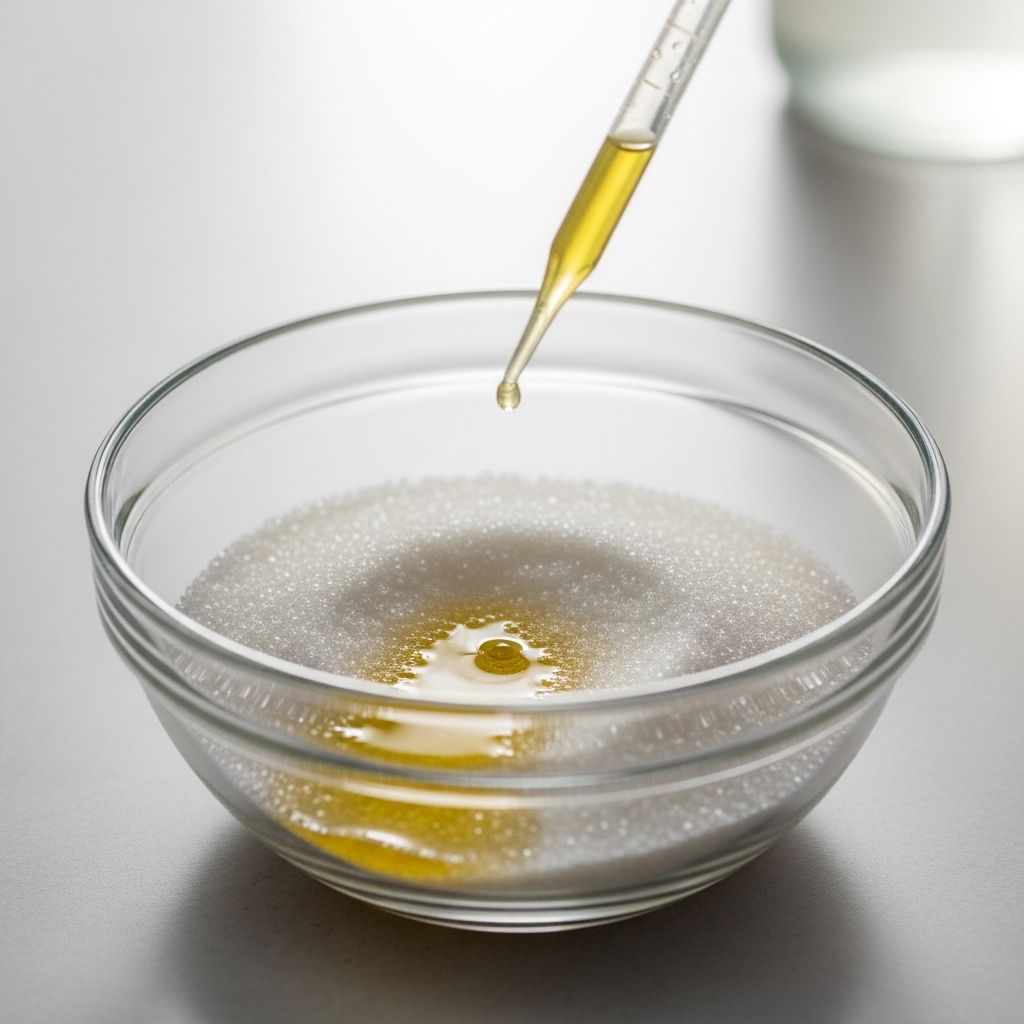
- Pour 1 to 2 tablespoons of granulated sugar into the clean bowl
- Slowly pour the collected urine over the sugar in the bowl
- Wait several minutes without stirring or mixing the contents
- Observe whether the sugar clumps together or dissolves into the liquid
Interpreting Results According to Popular Belief
Those promoting this test suggest specific interpretations for what occurs in the bowl. A supposedly positive result manifests as visible clumping of the sugar at the bottom or throughout the mixture. The size and prominence of these clumps varies in different accounts, but the general principle remains that undissolved sugar granules indicate the presence of hCG and therefore pregnancy.
Conversely, a negative result in this framework occurs when the sugar dissolves normally and completely into the urine, leaving no visible residue or particles. This dissolution is interpreted as evidence that hCG is absent, and therefore pregnancy has not occurred. The binary nature of this interpretation appeals to users seeking clear-cut results.
The Scientific Reality: What Medical Evidence Actually Shows
When examined through the lens of rigorous scientific inquiry, the sugar pregnancy test collapses under scrutiny. Medical professionals and researchers have found no evidence whatsoever supporting the mechanism that proponents describe. The fundamental claim that hCG prevents sugar from dissolving lacks any biochemical basis or experimental verification.
Dr. Jordan, an obstetrician-gynecologist and medical director at OB Hospitalists of Texas, explicitly states that this test is “not rooted in science and sugar actually does not pick up the human chorionic gonadotropin (hCG) hormone.” This professional assessment reflects the consensus position across reproductive medicine and clinical laboratory science.
No peer-reviewed scientific studies have validated the sugar pregnancy test method. Medical literature contains no research documenting a chemical interaction between hCG and sugar that would produce the clumping effect described by test advocates. This absence of supporting evidence, combined with active refutation from reproductive specialists, constitutes a clear indication that the test lacks validity.
Why the Test Sometimes Appears to Work: Alternative Explanations
Despite the absence of scientific validity, numerous individuals report experiencing apparent positive results from the sugar pregnancy test, with some subsequently confirming pregnancy through conventional testing methods. This apparent accuracy creates confusion and lends credibility to the method in the minds of some users. However, alternative explanations far better account for these anecdotal reports.
The composition of human urine varies significantly from day to day and even throughout a single day, containing more than 3,000 different chemical compounds. This biochemical complexity means that factors completely unrelated to pregnancy status influence how sugar behaves when combined with urine. Hydration levels, dietary intake, medications, presence of infections, and numerous other variables affect urine composition and therefore its physical and chemical properties.
Additionally, the inherent variability in how different people perform the test introduces numerous confounding factors. The amount of urine used, the type and granule size of sugar, the temperature of the fluids, humidity levels in the environment, and the observation period all influence outcomes. These variables create conditions where clumping might occur for entirely unrelated reasons, leading to false positive results.
Comparing DIY Methods with Proven Pregnancy Testing Approaches
| Testing Method | Scientific Basis | Reliability | When to Test | Accuracy Rate |
|---|---|---|---|---|
| Sugar Pregnancy Test | None; unproven mechanism | Unreliable | Anytime (claims of early detection unsupported) | No validated accuracy data |
| Home Pregnancy Test Strips | Antibody-based hCG detection | Highly reliable | After missed period | 95-99% when used correctly |
| Digital Home Pregnancy Tests | Antibody-based hCG detection | Highly reliable | After missed period | 99% accuracy |
| Blood Tests (Quantitative hCG) | Direct hormone measurement | Most reliable | 7-12 days after ovulation | 99.9%+ accuracy |
| Ultrasound Examination | Visual confirmation | Highly reliable | 4-5 weeks gestation | 99%+ accuracy |
The Broader Context of Homemade Pregnancy Testing Myths
The sugar test exists as part of a larger ecosystem of unvalidated DIY pregnancy testing methods that have circulated online and in folk traditions. Baking soda, bleach, salt, toothpaste, and numerous other household substances have all been suggested as indicators of pregnancy through various mechanisms. None of these methods possess scientific support.
Interestingly, when examining historical folk remedies for pregnancy detection, the sugar method does not feature prominently. Traditional methods, such as observing how barley or wheat seeds responded to urine, at least have documented historical usage and represent genuine cultural practices. The sugar test appears to be a more recent internet-era creation, lacking even the historical grounding of older folk approaches.
This distinction matters because it demonstrates that even among those historically willing to embrace alternative testing methods, the sugar approach was not sufficiently established or believed to warrant significant adoption. Its current viral status owes more to social media amplification than to any longstanding tradition or body of experiential evidence.
Claims of Early Detection: Examining Dubious Promises
Some promoters of the sugar pregnancy test claim it can detect pregnancy earlier than commercial home pregnancy tests. This assertion lacks any credible basis whatsoever. Since the sugar method does not actually detect hCG, it possesses no capacity to identify early pregnancy signs. The hormone must reach sufficient concentrations in the bloodstream and urine before any valid detection method can identify it.
Standard home pregnancy tests, which do legitimately detect hCG, cannot be reliably used until hCG levels have accumulated sufficiently in the urine—typically around the time of a missed period or slightly before with highly sensitive tests. A method that doesn’t detect hCG at all cannot possibly outperform hormone-detecting tests in terms of detection timing. Claims of early detection therefore represent misleading marketing rather than accurate information.
Recommendations from Medical Professionals and Health Organizations
Reproductive medicine specialists universally recommend against relying on DIY pregnancy tests of any kind, particularly the sugar method. Instead, medical professionals advise using evidence-based testing approaches and consulting with healthcare providers for confirmation and comprehensive pregnancy care.
The recommended approach involves using a commercially manufactured home pregnancy test purchased from a pharmacy or supermarket, preferably after a missed menstrual period. If the result is positive, scheduling an appointment with a healthcare provider for blood testing and ultrasound confirmation provides definitive diagnosis and allows for beginning appropriate prenatal care. This pathway ensures accuracy and professional medical oversight from the earliest stages of pregnancy.
Practical Advantages of Commercial Pregnancy Tests
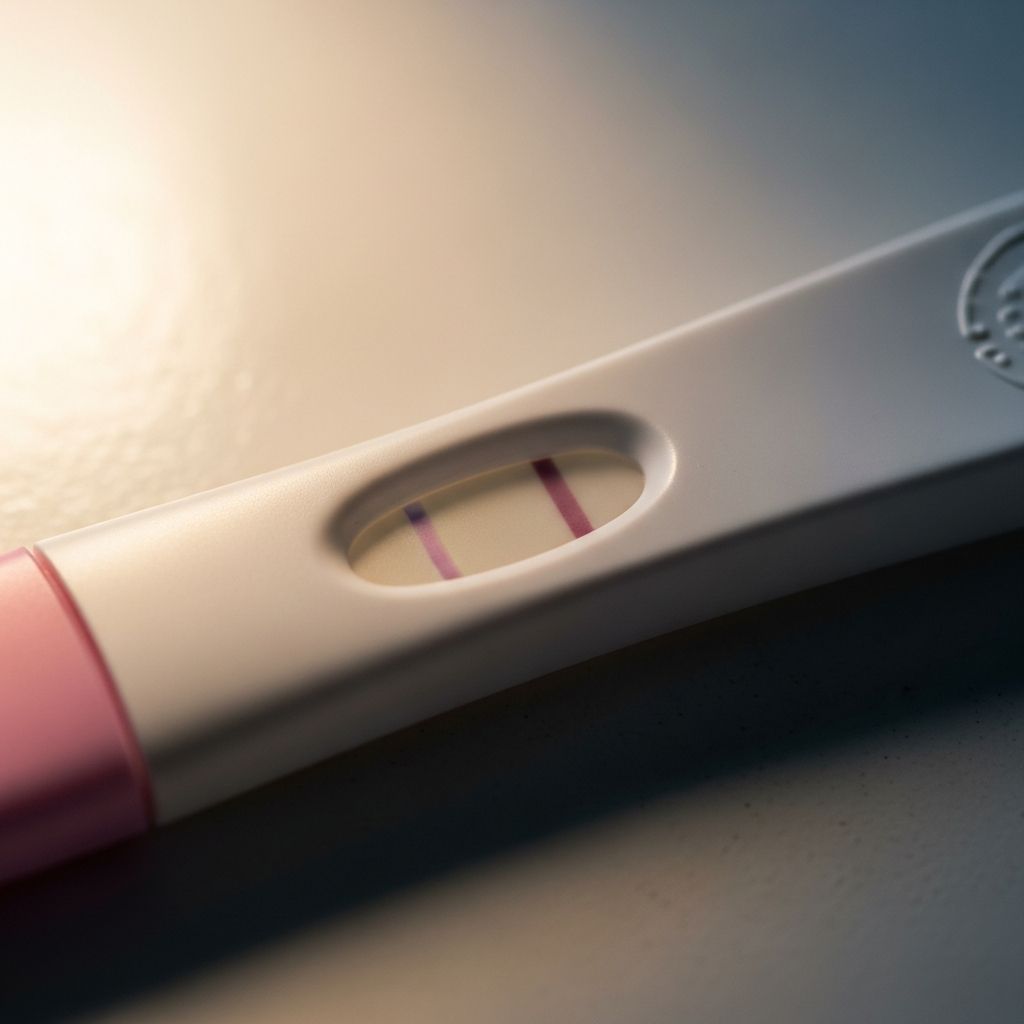
Commercial pregnancy tests, while requiring modest financial investment, provide substantial advantages over homemade alternatives. These tests employ antibody technology specifically engineered to bind to hCG molecules, creating a detectable reaction that produces visible lines or digital readouts. The manufacturing process ensures consistent quality, sterility, and reliability across batches.
Home pregnancy tests have undergone rigorous clinical validation, regulatory approval through agencies such as the FDA, and extensive real-world testing demonstrating their accuracy when used according to instructions. Modern tests achieve accuracy rates exceeding 99%, with some digital versions providing additional features such as estimated days since conception or words rather than line interpretation.
Frequently Asked Questions About Pregnancy Testing
Could the sugar pregnancy test work as a preliminary screening before using a commercial test?
No. Since the sugar test detects neither hCG nor any pregnancy-related chemical, it cannot serve as a preliminary indicator. Using it would consume time and might delay proper testing with a validated method.
Why do some people report positive sugar test results that later confirmed pregnancy?
These results likely reflect coincidence combined with the multiple variables affecting urine composition and sugar behavior. Additionally, confirmation bias leads some individuals to remember positive results that were later confirmed while forgetting false positives.
Is trying the sugar test harmful if I’m not actually pregnant?
The test itself causes no physical harm, but relying on false negative results could delay actual pregnancy diagnosis or mask an important health condition requiring attention.
How soon after conception can pregnancy be detected reliably?
Blood tests can detect hCG as early as 6-8 days after ovulation. Urine-based home pregnancy tests typically detect pregnancy around the time of a missed period, though early detection tests may work a few days before.
What should I do if I suspect pregnancy but get a negative home test result?
If you have pregnancy symptoms or reasons to suspect pregnancy despite a negative test, wait a few days and test again, or contact your healthcare provider for a blood test, which is more sensitive than urine tests.
Are there other homemade tests as unreliable as the sugar method?
Yes. Baking soda, bleach, toothpaste, and similar household substance tests all lack scientific validity. None detect hCG, and any apparent results reflect non-pregnancy-related chemical reactions.
Conclusion: Making Informed Choices About Pregnancy Testing
The sugar pregnancy test, despite its viral popularity and intuitive appeal, represents a method entirely devoid of scientific support or medical validity. The proposed mechanism by which hCG prevents sugar dissolution lacks any biochemical basis, and reproductive medicine professionals actively refute the test’s reliability. While attempting the test causes no harm, relying on its results for important health decisions poses genuine risks through delayed diagnosis or false reassurance.
When pregnancy confirmation matters, evidence-based testing methods provide the accuracy and reliability necessary for appropriate medical decision-making. Commercial home pregnancy tests, available inexpensively from any pharmacy, offer dramatically superior performance. For definitive confirmation and comprehensive care, consulting with healthcare providers and utilizing blood tests and ultrasound provides certainty and professional medical guidance during this important life event.
References
- Sugar Pregnancy Test: How It Works and What Results Look Like — Healthline. 2024. https://www.healthline.com/health/pregnancy/sugar-pregnancy-test
- Homemade Pregnancy Test: Can the Results Be Trusted? — Healthline. 2023-06-05. https://www.healthline.com/health/homemade-pregnancy-test
- Are DIY Sugar Pregnancy Tests Effective — Pediatrix Medical Group. 2024. https://www.pediatrix.com/about/for-media/news/are-diy-sugar-pregnancy-tests-effective
- Debunking common homemade “pregnancy tests” — Clearblue. 2024. https://www.clearblue.com/am-i-pregnant/debunking-homemade-pregnancy-tests
- Sugar pregnancy test: Is it accurate, and how does it work? — Medical News Today. 2024. https://www.medicalnewstoday.com/articles/sugar-pregnancy-test