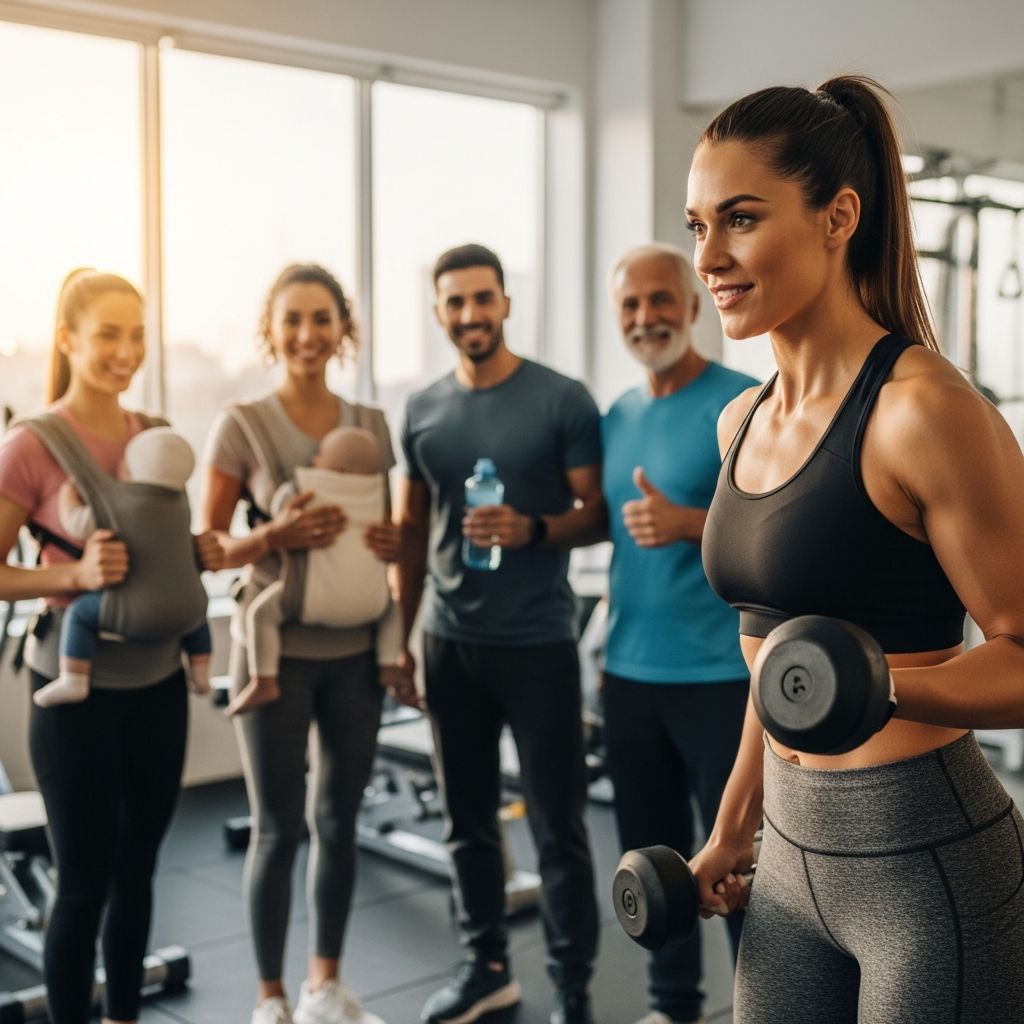
After childbirth, many women feel caught between pressure to “bounce back” and the reality of sleep deprivation, healing bodies, and nonstop caregiving. A visible, no-nonsense fitness figure like Jillian Michaels can become a surprising source of motivation, structure, and tough love when you are too tired to even find your sneakers.
This article explores why a strong fitness role model can be so powerful for new parents, what safe postpartum exercise really looks like, and how to use that inspiration without falling into unhealthy comparison or unrealistic expectations.
Postpartum Reality: Why Getting Active Feels So Hard
The first months after birth are physically and emotionally intense. Global health guidelines recognize that the postpartum period involves major physiological changes—blood volume shifts, hormonal swings, pelvic floor recovery, and potential surgical healing for those with cesarean births. Fatigue and stress are common, and up to 1 in 7 women experience postpartum depression.
Common barriers to postpartum exercise
- Exhaustion: Fragmented sleep and round-the-clock feeds make scheduled workouts feel impossible.
- Pain or discomfort: Vaginal tears, cesarean scars, back pain, and weak core muscles affect movement and confidence.
- Time pressure: Short feeding windows and unpredictable naps limit long, focused exercise sessions.
- Emotional load: Anxiety, body image concerns, and guilt about “taking time for yourself” often get in the way.
- Confusing advice: Conflicting messages online can make it unclear what is safe after birth.
Because of these barriers, many new parents need not just information, but structure, encouragement, and a sense that someone else has already figured out a plan.
Why Jillian Michaels Resonates With Postpartum Moms
Jillian Michaels is widely known for her high-intensity, circuit-based workouts and tough coaching style. Over time, she has also developed content specifically for pregnancy and postpartum, often emphasizing gradual progression, medical clearance, and realistic timelines.
Key aspects of her appeal
- Clear structure: Many of her programs use short, time-efficient circuits (e.g., about 20 minutes) that fit into nap windows and busy schedules.
- Tough but encouraging tone: Her “no excuses” reputation can help counteract the constant temptation to skip movement when you are tired but medically cleared to exercise.
- Modification focus: In postpartum-targeted material, she highlights low-impact options and specific guidance for issues like cesarean recovery and diastasis recti (abdominal separation).
- Realistic expectations: In her writing on life after baby, she has stressed giving yourself up to a year to gradually return to pre-pregnancy fitness, rather than expecting rapid change.
For many new moms, this mix of compassion, structure, and challenge feels like exactly the right balance between empathy and accountability.
What the Science Says About Postpartum Exercise
Major medical organizations encourage physical activity after birth, with careful attention to timing and intensity. According to the American College of Obstetricians and Gynecologists (ACOG), women with uncomplicated pregnancies and births can usually gradually resume exercise once they receive clearance from their healthcare provider, often around the 4–6 week mark, though this varies.
| Aspect | Guidance from medical/health organizations |
|---|---|
| When to start | Light movement (walking, gentle stretching) can begin soon after birth if there are no complications; more structured exercise typically resumes after medical clearance. |
| Intensity | Begin with low-impact activities and gradually progress based on comfort, healing, and provider advice. |
| Pelvic floor | Gentle pelvic floor exercises (like Kegels) are often recommended early to support continence and core stability. |
| Mental health | Multiple studies show regular physical activity is associated with reduced depressive symptoms and improved mood in postpartum women. |
These guidelines support the idea behind many postpartum-focused fitness programs: shorter, lower-impact, carefully cued workouts that rebuild strength and confidence rather than push for dramatic “transformations.”
Lessons from Tough-Love Trainers for New Moms
Even if you never follow a Jillian Michaels program, there are useful principles behind the way many professional trainers structure postpartum-friendly plans.
1. Short, efficient sessions work
High-quality postpartum plans often favor 15–25 minute workouts that combine:
- Dynamic warm-up movements
- Alternating strength and low-impact cardio intervals
- Core and pelvic-floor–safe exercises
- Brief cool-down and stretching
These short formats are easier to start and maintain, especially while caring for an infant.
2. Circuit training can be postpartum-friendly
When designed with modifications and medical guidance in mind, circuit-style training can help new moms rebuild:
- Muscular endurance with light dumbbells or bodyweight moves
- Cardio fitness through low-impact exercises like marching in place or step-touches
- Core stability with exercises that avoid strain on healing tissues (e.g., no early full sit-ups)
3. Progression beats perfection
Professional programs rarely ask postpartum women to jump straight into intense plyometrics or heavy lifting. Instead they encourage:
- Starting with modified versions of movements (e.g., push-ups on knees)
- Gradually increasing range of motion or load over weeks
- Listening to warning signs like pelvic heaviness, pain, or leaking and backing off when needed
Building Your Own Postpartum Fitness Roadmap
You do not need a formal DVD or streaming program to benefit from the principles behind them. You can craft a simple, safe, and realistic approach using guidance from your healthcare provider and the core elements below.
Step 1: Get medical clearance and clarity
- Ask your provider about any movement restrictions related to your delivery, stitches, or cesarean incision.
- Discuss symptoms such as heaviness in the pelvis, bulging at the abdomen, or urine leakage.
- Request a referral to a pelvic floor physical therapist if you have concerns.
Step 2: Choose your primary goal for the next 8–12 weeks
Instead of chasing a scale number, pick one functional or health-focused goal, such as:
- Walking 30 minutes most days of the week
- Completing three short strength sessions weekly
- Reducing back pain and improving posture
- Boosting mood and energy through daily movement
Step 3: Structure your week like a coach would
A sample framework, inspired by efficient trainer-led programs and aligned with general physical activity guidance for adults, could look like this (adjust with your provider’s input):
- 2–3 days: Short full-body strength or circuit workouts (15–25 minutes)
- 2–3 days: Gentle cardio (walking, stationary cycling) for 20–30 minutes
- Daily: Brief mobility and pelvic floor exercises (5–10 minutes)
- As needed: Full rest or very light movement on high-fatigue days
Motivation: Using a Fitness Hero in a Healthy Way
One powerful benefit of a figure like Jillian Michaels is that she can act as a stand-in coach on days you cannot coach yourself. Her presence on the screen, clear counting, and verbal cues remove decision fatigue. But you can also apply that same idea without copying her intensity.
Healthy ways to draw inspiration
- Borrow the structure, not the comparison. Use her time blocks, circuits, or warm-up ideas, but do not measure your body or performance against hers.
- Adopt the mindset of capability. Many trainers emphasize that you are stronger than you think—this can combat the helplessness often felt in early postpartum.
- Embrace the message that you matter. Setting aside 20 minutes for your health is not selfish; evidence shows it can improve both physical recovery and mental health.
Red flags to avoid
- Feeling pressured to “get your body back” on an unrealistic timeline
- Pushing through sharp pain, dizziness, or significant bleeding
- Skipping meals or drastically cutting calories to speed up visible changes
- Ignoring mental health struggles because you believe you should “tough it out”
Postpartum Fitness and Mental Health
Research suggests that physical activity can help reduce postpartum depressive symptoms and improve overall well-being, especially when combined with social support and appropriate medical care. Even low to moderate intensity activities—like walking with the stroller, simple home circuits, or dancing in the living room—can contribute to better mood and energy.
Benefits beyond appearance
- Better sleep quality (when sleep is available)
- Improved stress management and emotional resilience
- Greater sense of autonomy at a time when many aspects of life feel out of your control
- Positive role modeling of self-care, especially as children grow and observe household habits
Frequently Asked Questions (FAQs)
When is it generally safe to start exercising after having a baby?
For an uncomplicated vaginal birth, gentle movement like walking can often begin soon, but structured exercise is usually resumed after your healthcare provider clears you, commonly around 4–6 weeks postpartum. After a cesarean or complicated birth, clearance may take longer. Always follow the specific guidance of your provider.
Are high-intensity workouts like traditional Jillian Michaels routines safe immediately after birth?
Most women are advised to start low and go slow. High-impact or very intense workouts are typically not recommended right away and should only be added gradually, after medical clearance and once core and pelvic floor function have improved.
How much exercise should I aim for as a new mom?
General adult guidelines suggest at least 150 minutes of moderate-intensity aerobic activity per week plus muscle-strengthening on 2 or more days, but postpartum women often work up to this slowly. Even 10–20 minute sessions spread throughout the week can provide benefits as you recover.
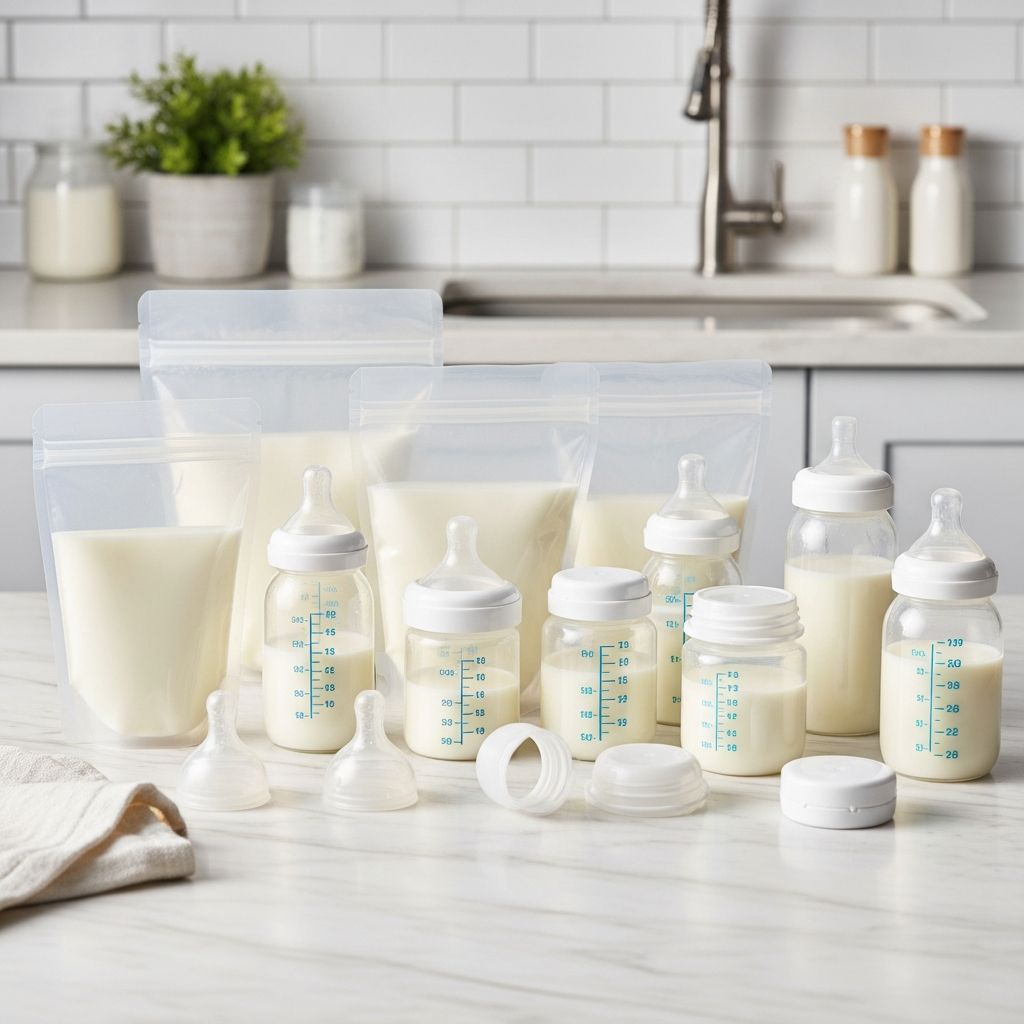
Can exercise affect my breastmilk supply?
Moderate physical activity does not appear to harm milk production or composition in well-nourished women, according to health organizations. Staying hydrated, eating adequately, and nursing or pumping before vigorous sessions can help reduce discomfort.
How do I know if a move is too much for my postpartum body?
Stop and seek professional advice if you experience sharp pain, heavy bleeding, a feeling of pressure or bulging in the pelvis, urinary leakage during basic activities, or significant worsening of abdominal doming. A pelvic floor physical therapist can help tailor safe options for your situation.
References
- Hot Body, Healthy Mommy — Jillian Michaels (official site). 2024-01-01 (approx., product page). https://www.jillianmichaels.com/favs/books-and-videos/jillian-michaels-hot-body-healthy-mommy
- Postpartum Depression — American College of Obstetricians and Gynecologists (ACOG). 2023-06-01. https://www.acog.org/womens-health/faqs/postpartum-depression
- Bouncing Back After Baby — Jillian Michaels Blog. 2016-10-01. https://www.jillianmichaels.com/blog/health-and-fitness/bouncing-back-after-baby
- Physical Activity and Exercise During Pregnancy and the Postpartum Period — American College of Obstetricians and Gynecologists, Committee Opinion No. 804. 2020-04-01. https://www.acog.org/clinical/clinical-guidance/committee-opinion/articles/2020/04/physical-activity-and-exercise-during-pregnancy-and-the-postpartum-period
- Physical Activity Guidelines for Americans, 2nd edition — U.S. Department of Health and Human Services. 2018-11-01. https://health.gov/sites/default/files/2019-09/Physical_Activity_Guidelines_2nd_edition.pdf
- Exercise for the Prevention of Postnatal Depression: A Systematic Review and Meta-Analysis — Poyatos-León R. et al., Journal of Affective Disorders. 2017-02-15. https://doi.org/10.1016/j.jad.2016.11.023