A stye can be annoying, painful, and sometimes embarrassing, especially if it shows up right before school photos, sports events, or hanging out with friends. This guide explains what styes are, why they appear, how to treat them safely at home, and when teens should see a doctor. The focus is on clear, practical information written with teens and their families in mind.
What Exactly Is a Stye?
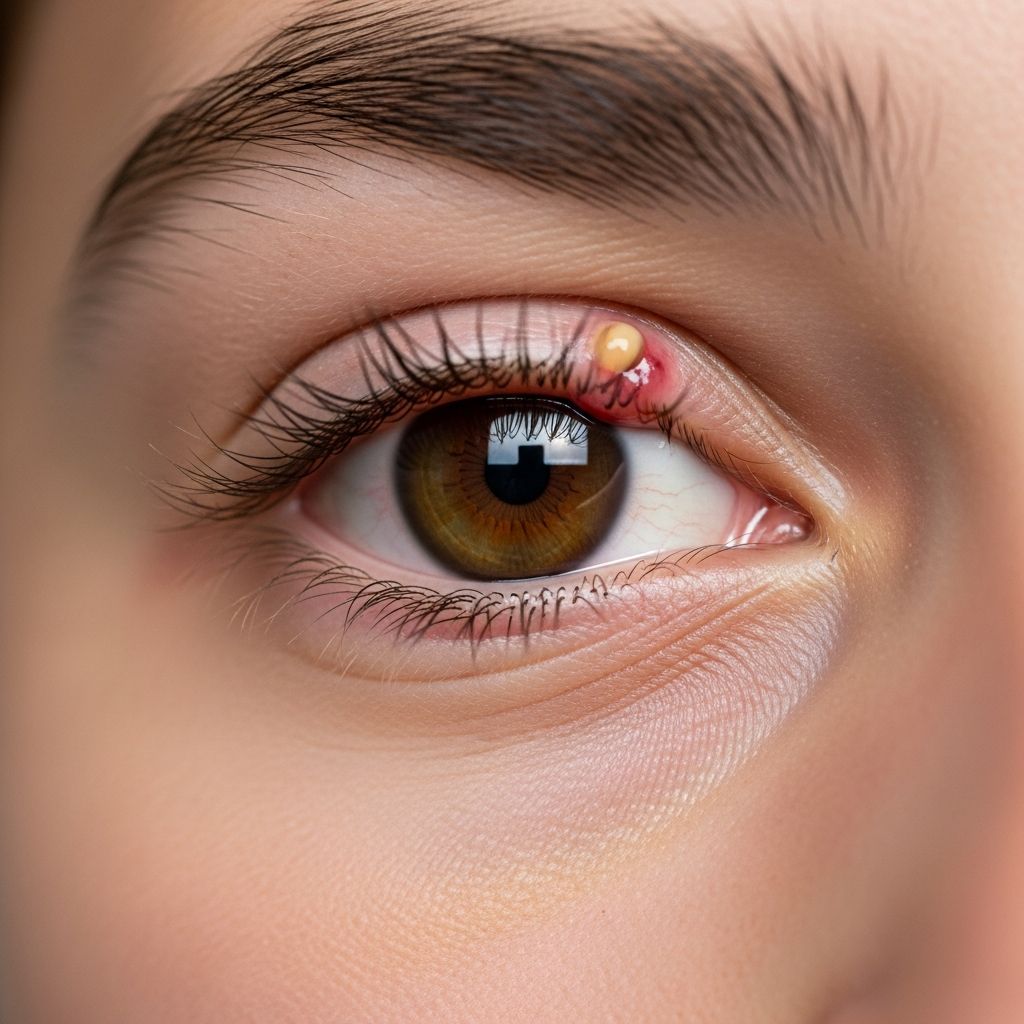
A stye (sometimes spelled sty and medically called a hordeolum) is a small, painful, red bump on the eyelid. It usually develops near the base of an eyelash or slightly deeper inside the eyelid where tiny oil glands are located.
In most teens, styes are:
- Short-lived — they usually improve within a few days and often clear in about a week.
- Localized — the swelling stays close to one part of the eyelid.
- Harmless — they look dramatic but are rarely a sign of a serious eye problem.
- Connected to bacteria — most are caused by Staphylococcus bacteria infecting an oil gland or eyelash follicle.
External vs. Internal Styes
Doctors describe two main types of styes:
| Type of stye | Where it forms | What it feels like |
|---|---|---|
| External stye | On the outer edge of the eyelid, usually at the base of an eyelash | Often looks like a small pimple; usually more visible and tender to touch |
| Internal stye | On the inner surface of the eyelid, where deeper oil glands are | Can be sorer, cause more swelling, but may be harder to see from the outside |
Why Do Teens Get Styes?
A stye starts when a tiny oil gland or eyelash follicle gets blocked and then infected. The main germ behind this is usually Staphylococcus aureus, a common bacterium that normally lives harmlessly on skin and inside the nose.
When these bacteria get trapped in a clogged gland along the eyelid, they can multiply and trigger swelling, redness, and pus formation — the classic features of a stye.
Common Triggers and Risk Factors in Teens
Several everyday habits and conditions can make styes more likely:
- Touching or rubbing eyes with unwashed hands — this moves bacteria from hands to the eyelids.
- Wearing contact lenses without proper cleaning — skipping disinfection or inserting lenses with dirty hands increases infection risk.
- Sleeping in eye makeup — mascara, liner, and shadow left overnight can block glands and trap bacteria.
- Using old or shared eye makeup — older products can collect bacteria; sharing eye makeup spreads germs between people.
- Chronic eyelid inflammation (blepharitis) — this condition causes crusting and redness along the lashes and is strongly linked with repeated styes.
- Skin conditions — acne, rosacea, dandruff, or very oily skin can be associated with more eyelid gland blockage.
- Underlying health issues — uncontrolled diabetes or immune problems may increase the chance of infections, including styes.
What Does a Stye Feel and Look Like?
Styes usually appear suddenly over a day or two. Teens may first notice a small sore spot on the eyelid that quickly turns into a visible bump.
Typical Symptoms
- Pain or tenderness at one spot on the eyelid
- Red, swollen bump, often near an eyelash, that may look like a pimple or boil
- Sensitivity to light or mild eye watering
- Feeling like something is in the eye (scratchy or gritty sensation)
- Crusting of the eyelid edges, especially on waking
- A tiny yellow or white point at the center of the bump if pus collects near the surface
Most styes stay small, but some can cause more widespread swelling of the eyelid. Even then, the eye itself usually remains clear and vision is normal.
Is It a Stye or Something Else?
Other eyelid problems can look similar. Two common ones are:
- Chalazion — a firm, usually painless lump that develops when an oil gland stays blocked after inflammation. It tends to be larger, less red, and often lasts longer than a stye.
- General eyelid cellulitis — a more serious infection where redness and swelling spread across the eyelid and sometimes nearby skin. This needs quick medical attention.
If the bump is not tender, is growing, or the whole eyelid and surrounding area are very red and sore, a doctor should check it.
How Long Do Styes Last?
Styes in healthy teens usually:
- Start to improve after a few days of home care
- Drain or shrink within about 1 week in many cases
- Leave minimal or no mark once the swelling is gone
Some eyelid lumps can take longer to disappear completely, especially if they turn into a chalazion, which may persist for weeks or even months and sometimes needs medical treatment.
Safe Home Care for Styes
Most styes can be safely managed at home as long as symptoms are mild and vision is normal. Self-care focuses on helping the stye drain on its own, easing pain, and keeping the eyelid clean.
Warm Compresses
Using gentle heat is the most widely recommended home treatment for styes.
- Soak a clean washcloth in warm (not hot) water.
- Wring it out so it is damp but not dripping.
- Place it over the closed eye for 5–10 minutes at a time.
- Re-warm the cloth when it cools down.
- Repeat 2–4 times a day.
The warmth helps melt thickened oils and encourages the stye to open and drain naturally. This usually reduces pain and speeds healing.
Eyelid Hygiene
Keeping the eyelid clean supports healing and helps prevent new styes:
- Wash your hands thoroughly before touching the eye.
- Use a cotton pad or clean cloth moistened with warm water to gently clean the eyelid margin.
- Some doctors recommend diluted baby shampoo or special eyelid wipes for ongoing lid hygiene, especially in people with blepharitis.
Things to Avoid
Certain actions can make a stye worse or spread infection:
- Do not squeeze, pop, or stab the stye — this can push bacteria deeper or cause a wider infection.
- Skip eye makeup and contact lenses until the stye has healed.
- Do not share towels, washcloths, or eye products with others.
- Avoid rubbing the eye, even if it feels itchy or irritated.
Pain Relief
Over-the-counter pain relievers like acetaminophen or ibuprofen can be used for discomfort if a parent or healthcare provider agrees they are safe for you. Always follow the dosing directions on the package and any advice from your doctor.
When Do Styes Need Medical Treatment?
Although most styes clear up without professional treatment, some situations do require an exam by a doctor or eye specialist.
Call a Doctor or Eye Care Provider If:
- The stye does not improve within 48 hours of careful home care.
- Swelling is getting worse or spreading across the eyelid or face.
- The eye itself looks red, or there is pus draining from the eye, not just the eyelid.
- It is very painful or it hurts to move the eye.
- Vision is blurry, double, or suddenly changes.
- You have a fever or feel generally unwell at the same time.
- You get styes over and over again on either eye.
Possible Medical Treatments
If a doctor decides the stye needs more than home care, they may suggest:
- Antibiotic ointment or drops for the eyelid if there is clear bacterial infection.
- Oral antibiotics if surrounding skin is infected or if the infection is spreading.
- Minor drainage procedure in the office, using numbing medicine, if the stye is large or won’t clear on its own.
- Steroid injection in select cases to reduce persistent inflammation, especially with lumps that resemble chalazia.
Only a trained professional should perform these procedures. Never try to cut or drain a stye at home.
Can Styes Spread to Other People?
Styes themselves are usually considered not highly contagious, but the bacteria that cause them can be passed from person to person through shared items like towels, makeup, or pillowcases. To reduce the risk of spreading germs:
- Avoid sharing eye makeup, face cloths, or towels.
- Wash pillowcases and towels regularly in hot water.
- Wash your hands before and after touching the area around a stye.
Preventing Future Styes
Teens who have had one stye are more likely to get another, especially if certain habits don’t change. Good eyelid and hand hygiene make a major difference.
Healthy Eye Habits for Teens
- Wash your hands often, especially before touching your eyes or face.
- Remove eye makeup every night using a gentle cleanser or makeup remover.
- Replace mascara and liquid eyeliners regularly (often every 3 months) to reduce bacterial buildup.
- Never share eyeliner, mascara, or eye shadow with friends.
- Follow contact lens instructions carefully — clean and store lenses properly, and never sleep in lenses unless a doctor says it’s okay.
- Ask a doctor about treating blepharitis or rosacea if you have frequent eyelid redness or crusting.
- Manage health conditions such as diabetes under medical supervision.
Styes and Mental Well-Being
Even though a stye is a minor medical problem, it can still affect how a teen feels about their appearance, especially when it is large, swollen, or very visible.
- It is normal to feel self-conscious or frustrated when a stye appears at a bad time.
- Remind yourself that styes are temporary and common; many people get them at some point.
- If you feel embarrassed, talking with a parent, trusted adult, or friend often helps.
- If styes are frequent and affecting your confidence, an eye doctor can check for underlying issues and help prevent new ones.
Frequently Asked Questions (FAQs)
Can stress cause a stye?
Styes are caused by bacterial infection in blocked eyelid glands, not directly by stress. However, stress can affect sleep and overall health, which may make infections more likely in some people.
Is a stye a sign of poor hygiene?
Not always. Many people with good hygiene still get occasional styes. That said, rubbing eyes with unwashed hands, leaving makeup on overnight, and not cleaning contact lenses properly can raise the risk and are worth improving.
Can I wear makeup if I have a stye?
It is best to avoid eye makeup until the stye has healed. Makeup can block glands, slow healing, and spread bacteria. Once the stye is gone, consider throwing away any products that touched the infected eye.
Will a stye damage my eyesight?
Most styes do not harm vision. They may be uncomfortable or make the eyelid feel heavy, but the eye itself usually stays healthy. If you notice blurry vision, double vision, or trouble moving the eye, seek medical care right away.
How do I know if an eyelid bump is serious?
A serious problem is more likely if there is spreading redness, severe pain, fever, vision changes, or difficulty moving the eye. In those situations, a doctor should examine you urgently.
References
- Stye (sty) – Symptoms & Causes — Mayo Clinic. 2024-01-19. https://www.mayoclinic.org/diseases-conditions/sty/symptoms-causes/syc-20378017
- Causes, Symptoms and Effective Treatment of a Stye in the Eye — Barraquer Eye Hospital. 2022-05-10. https://www.barraquer.com/en/news/causes-symptoms-treatment-eye-stye
- Stye (Sty): What It Is, Causes, Symptoms & Treatment — Cleveland Clinic. 2023-08-24. https://my.clevelandclinic.org/health/diseases/17658-stye
- Styes: Causes, Symptoms, Treatment, Prevention — WebMD. 2023-02-14. https://www.webmd.com/eye-health/styes-causes-symptoms-treatment-prevention
- Stye — NHS (National Health Service, UK). 2021-11-18. https://www.nhs.uk/conditions/stye/
- Stye — Healthdirect Australia. 2023-06-01. https://www.healthdirect.gov.au/stye
- What Causes a Stye and the Best Ways to Get Rid of One — Duke Eye Center. 2022-09-15. https://dukeeyecenter.duke.edu/news/what-causes-stye-and-best-ways-get-rid-one-featuring-singh