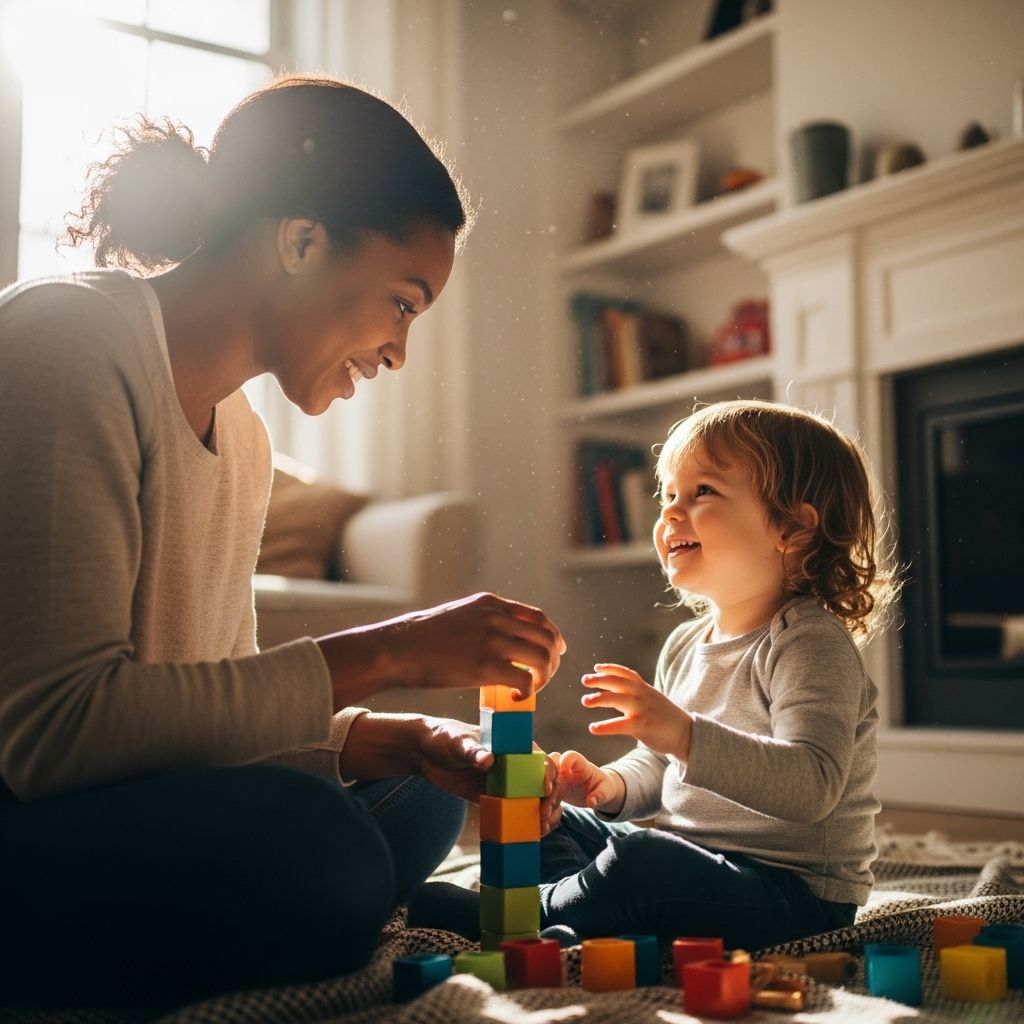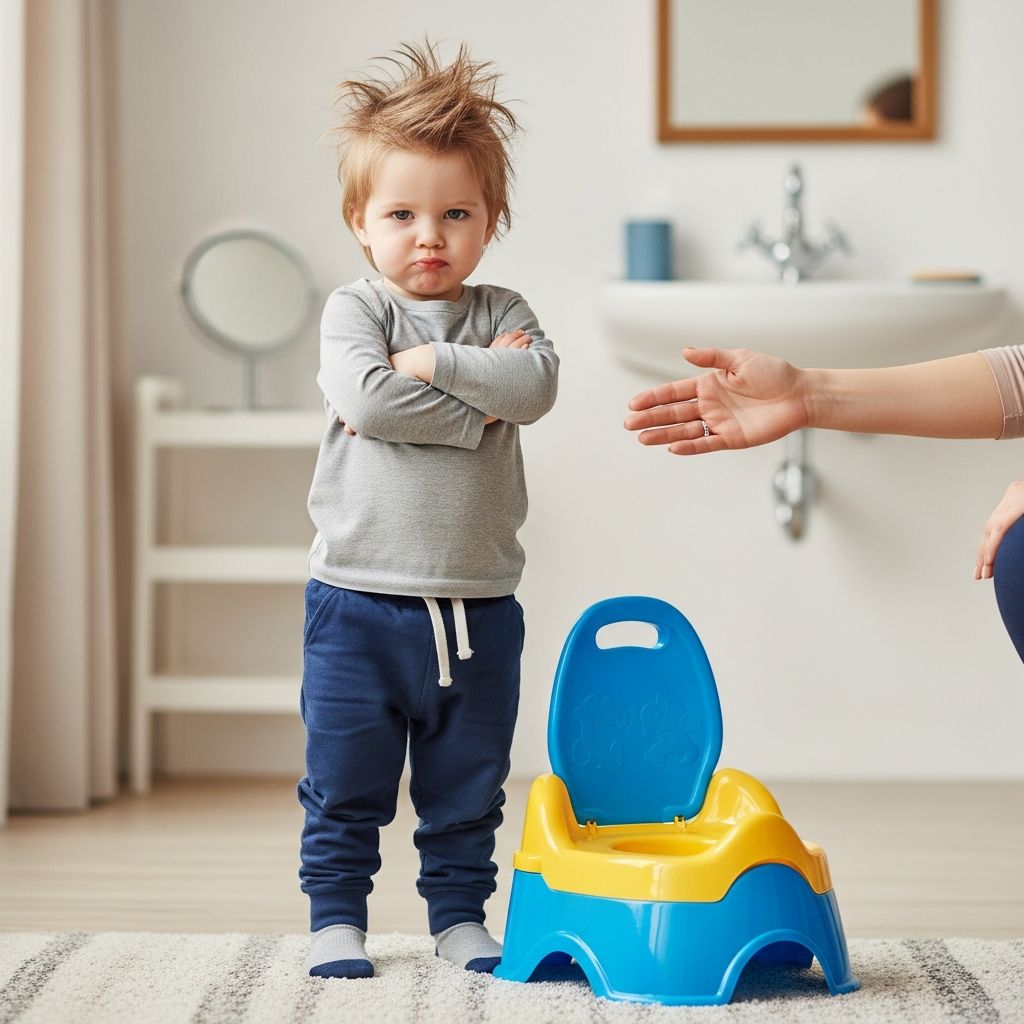
Some children seem to coast into potty training with a few reminders and a sticker chart, while others insist on hanging onto diapers with a grip of iron. If your child screams, refuses to sit, or holds everything in for hours, you are not failing – you are parenting a strong-willed, highly sensitive learner who needs a different approach.
This article walks you through a practical, compassionate way to help a very resistant child move from diapers to the potty without constant battles. You will find step-by-step ideas, mindset shifts, example routines, and answers to common questions so you can support your child and protect the relationship at the same time.
Understanding Resistance: What’s Really Going On?
Potty refusal is rarely about laziness. It usually grows out of a mix of control, fear, and developmental timing. When parents understand the “why,” it becomes easier to choose calm, effective strategies instead of escalating power struggles.
- Control: Using the toilet is one of the few areas a young child can fully control. They decide when to relax their muscles. If everything feels decided for them, saying “no” to the potty can feel powerful.
- Fear: The toilet is loud, high, and unpredictable. Flushing, water swirling, and the idea of poop “disappearing” can feel strange or frightening.
- Timing: A child can be physically able to hold urine and stool long before they are emotionally or socially ready to cooperate with training.
When these pieces combine – a strong need for control, a worried temperament, and pressure from adults or schools – resistance can become intense. The goal is not to “win” but to guide your child toward confidence and ownership.
Is Your Child Truly Ready?
Before pushing harder, step back and assess readiness. Many children are capable of staying dry but are not ready to take initiative, especially if the potty has become a battleground. Instead of focusing on age alone, look for practical signs.
- Regularly staying dry for at least 2 hours at a time.
- Showing awareness of a wet or dirty diaper (asking to be changed, hiding to poop, or announcing it).
- Being able to follow simple instructions and walk to the bathroom independently.
- Showing any curiosity about underwear, the toilet, or what older kids are doing.
If several of these are missing and your child is deeply distressed by the potty, a pause and reset may be more productive than more pressure. If the signs are present but resistance is intense, your focus shifts from teaching the mechanics to changing the emotional experience.
Resetting After Battles: Pressing the Emotional “Restart” Button
Families often arrive at total potty standoffs after weeks of stress, tears, and accidents. In this situation, stepping back can be surprisingly powerful. A reset does not mean giving up; it means rebuilding trust and safety around the potty.
For two to four weeks, consider:
- Stopping reminders, timers, and active coaching.
- Allowing diapers or training pants without commentary.
- Keeping the potty visible but neutral, like another piece of furniture.
- Talking positively about your child’s body and skills in other areas.
This break allows both of you to breathe. When the potty is no longer associated with conflict, your child is more open to small, low-pressure steps forward.
Small Steps First: Building Comfort With the Bathroom
For highly resistant children, the first goal is not using the toilet; it is becoming comfortable simply being in the bathroom and around potty equipment. Think of this as “potty desensitization,” where each tiny success builds safety.
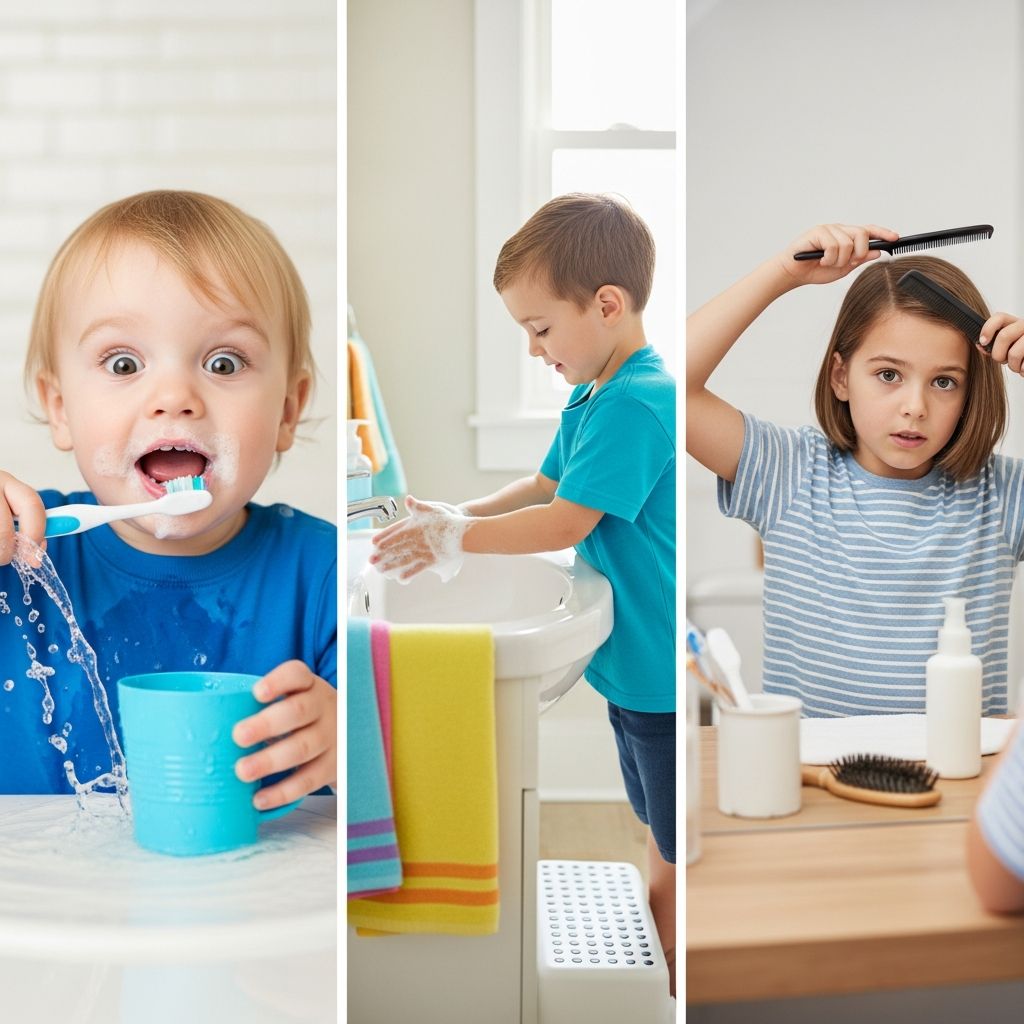
- Invite your child to wash hands, brush teeth, or play with bath toys in the bathroom to make the space familiar and positive.
- Let your child decorate a potty chair or choose a step stool and seat insert in a favorite color or theme.
- Play “potty with toys,” helping a doll or stuffed animal sit on a pretend toilet while you narrate casually.
During this stage, avoid any pressure to sit or “try.” The priority is to unlink the room and the toilet from stress and fear while giving your child a sense of control.
Inviting, Not Forcing: How to Introduce Sitting
Once the bathroom feels safe, the next step is simply sitting, with or without a diaper on. For many strong-willed children, resistance melts when they realize they can participate on their own terms.
Try these gentle invitations:
- Offer choices: “Would you like to sit on the little potty or the big toilet with your special seat?”
- Allow sitting with a diaper at first, especially for bowel movements, to show that nothing scary happens.
- Pair sitting with a calm activity: a short story, a song, or a quiet game on your phone that is only offered during potty time.
Keep early sits brief and pleasant. Ending on a neutral or positive note is far more important than getting actual pee or poop into the toilet at this stage.
Choosing Rewards Wisely (And Using Them Well)
Many families jump quickly to stickers and candy, only to find that these rewards have little impact on a child who is strongly opposed. For rewards to help, they must feel meaningful to the child and be tied to very specific actions.
- Pick rewards your child genuinely values: a special toy, a few minutes of a favorite show, or extra time with a parent.
- Start with rewards for small behaviors, such as calmly sitting on the potty, then gradually shift rewards toward actual pee or poop in the toilet.
- Give the reward immediately after the behavior and pair it with warm, low-key praise.
Over time, you can phase out external rewards as the process becomes routine and your child feels successful and proud.
Sample Gentle Potty-Training Routine
Every family’s routine will look different, but the example below offers a structure that balances consistency and flexibility. Adjust timing and steps to match your child’s temperament, schedule, and school expectations.
| Time of day | What you do | Goal |
|---|---|---|
| Upon waking | Offer a calm potty sit with a favorite book for 2–3 minutes. | Connect the potty to natural “emptying” times. |
| Before leaving home | Invite your child to choose which potty or seat to use, with no pressure to produce. | Make potty visits part of the routine before outings. |
| Before meals | Quick potty visit, then handwashing, then eating. | Build a predictable habit linked to the daily schedule. |
| After naps | Encourage a short sit, using the same calm script each day. | Take advantage of times when the bladder is naturally fuller. |
| Before bath and bedtime | Final visit to the potty, followed by a predictable bedtime routine. | Help reduce overnight discomfort and reinforce the pattern. |
The key is consistency without pressure. Your child is invited and supported, not pushed or negotiated with endlessly.
Handling “Holding It” and Accidents
Some children respond to potty training attempts by holding urine or stool for very long stretches. This can quickly become uncomfortable or even lead to constipation. While staying alert to medical issues, it is important to handle this pattern calmly.
- Offer plenty of fluids and high-fiber foods to keep stool soft.
- Encourage movement and play, which can help the body relax enough to release.
- Avoid punishment or shaming language when accidents happen; simply help your child clean up and change.
Accidents are not defiance; they are information. They may show that your child is not yet ready to hold and plan, or that fear is still winning. A neutral, supportive response teaches your child that their worth is not tied to perfect toilet skills.
When School Deadlines Add Pressure
Preschool or daycare requirements can turn potty training from a developmental task into a ticking clock. This pressure is real, but panic almost always backfires with a resistant child. The challenge is to work toward readiness while advocating for your child’s needs.
- Communicate honestly with the school about your child’s progress, fears, and successes at home.
- Ask what level of independence is truly required and whether there is any flexibility during the transition period.
- Keep school-related stress away from your child as much as possible; they do not need to carry adult deadlines on their shoulders.
If a school cannot accommodate your child’s pace, it may be worth considering whether a delay, different classroom, or alternative setting would better support your child’s development and temperament.
Supporting a Strong-Willed Temperament
Some children are not just temporarily resistant to potty training; they are deeply invested in doing things their own way in all areas of life. This temperament is not a flaw. With guidance, strong-willed children grow into determined and capable adults.
To work with this temperament rather than against it:
- Offer choices often, even in small ways, such as which underwear to wear or which book to read on the potty.
- Use short, calm statements instead of long lectures or repeated arguments.
- Notice and name your child’s strengths: persistence, focus, independence.
When children feel respected and seen, they are more willing to cooperate, even when a task feels scary or annoying.
Frequently Asked Questions
What if my child is over 4 and still refusing the potty?
Some children, particularly those who are anxious, sensitive, or strongly independent, may resist potty training well past the age when peers are trained. Start with a reset, rebuild comfort and trust, and then introduce small steps with clear, meaningful rewards. If constipation, pain, or extreme fear is present, consult your child’s healthcare provider for additional guidance and possible medical support.
Is it okay to use pull-ups or should we switch straight to underwear?
For a very resistant child, pull-ups can be a useful bridge between diapers and underwear, especially when you are rebuilding trust or handling long outings and school days. Once your child is consistently using the potty for at least part of the day, you can gradually shift to underwear during specific times, such as after school or on calm weekends, so they experience what “staying dry” feels like.
Should I make my child help clean up accidents?
Inviting your child to help in age-appropriate ways – like carrying clothes to the laundry basket or getting clean underwear – can build responsibility without shame. Keep your tone neutral and avoid scolding. The message is, “Accidents happen and we take care of them,” not “You did something bad.”
How long should I “wait and see” before trying again?
If your child is extremely distressed by any mention of the potty, taking a break of a few weeks often allows emotions to cool and gives your child time to mature. During the pause, keep the potty visible and the topic neutral, and continue to notice any new signs of curiosity or readiness. When you restart, use a gentle plan focused on small successes instead of a rigid timeline.
What if my child will pee on the potty but refuses to poop there?
Pooping in the toilet can feel much more emotionally loaded than peeing. Many children prefer to poop in a diaper or in a hidden spot even after they are reliably urinating in the potty. Start by allowing poops in a diaper while your child sits on the potty or toilet, then gradually loosen or cut the diaper over time so more stool drops into the bowl. Celebrate every tiny step toward comfort, and keep an eye on constipation so that pain does not become part of the pattern.
Key Takeaways for Parents
- Resistance is not a moral failure or a sign of bad parenting; it is a communication about fear, control, or timing.
- Gentle structure, small steps, and meaningful rewards work far better than pressure and repeated arguments.
- Your relationship with your child matters more than the exact week they leave diapers behind.
With patience, flexibility, and a focus on emotional safety, even the most determined diaper lover can grow into a confident, capable potty user. The journey may look different from what you imagined, but it can still lead to a healthy, respectful, and connected outcome for both of you.