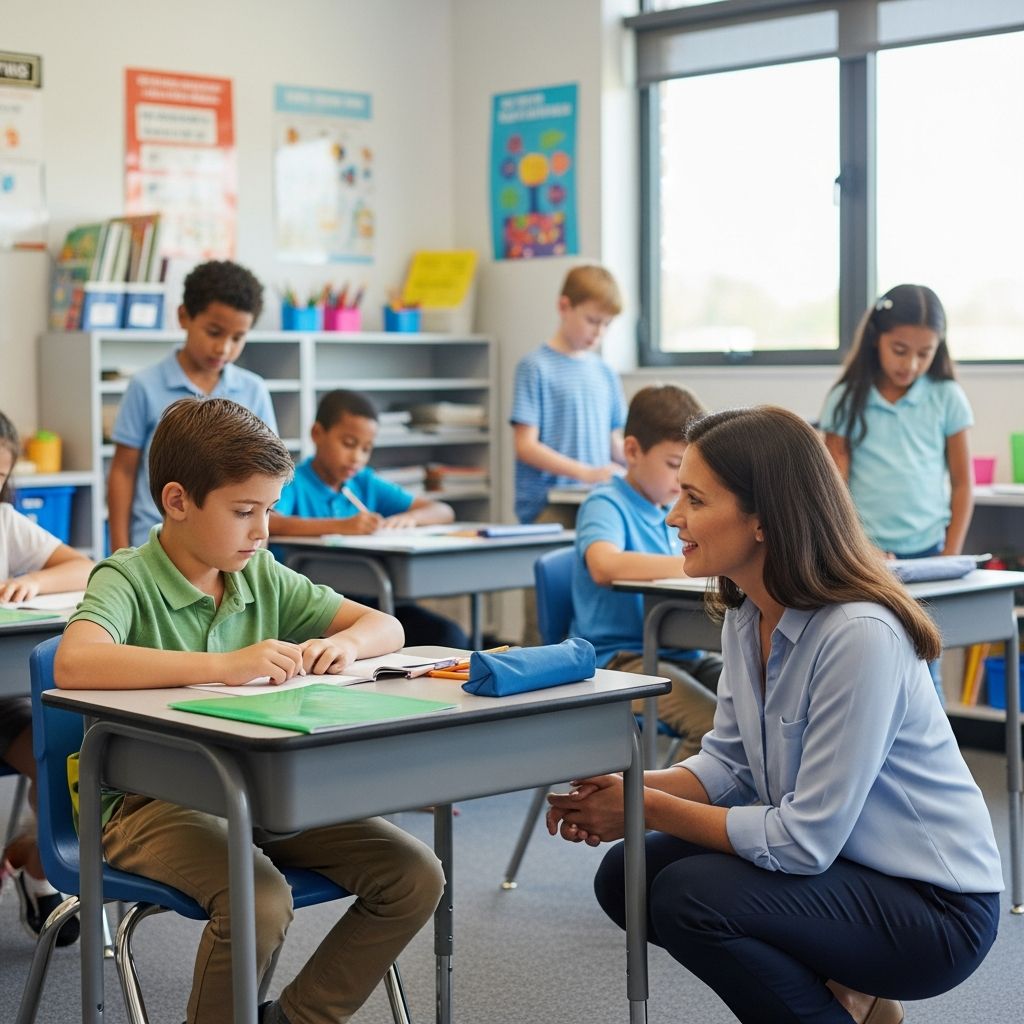
Student behavior issues in educational settings can disrupt learning for everyone involved, from the child exhibiting the problems to their peers and teachers. These challenges often manifest as disruptions, lack of focus, or social conflicts, requiring a collaborative approach from parents, educators, and sometimes professionals to address effectively. Understanding the nature of these behaviors is the first step toward creating supportive environments where children can succeed.
Recognizing Prevalent Classroom Disruptions
Classrooms frequently encounter a range of disruptive actions that hinder instructional flow and peer interactions. Common occurrences include excessive talking during lessons, calling out without permission, and physical horseplay that distracts others. These behaviors not only interrupt teaching but also signal underlying needs for attention or structure.
Other frequent issues involve defiance toward authority figures, such as arguing with teachers or refusing tasks, which can escalate tensions. Teasing and bullying emerge as social hurdles, where children target peers verbally or physically, fostering a negative atmosphere. Additionally, some students display hyperactivity, fidgeting constantly or leaving seats unauthorized, complicating group activities.
- Attention-seeking actions: Frequent interruptions or off-task wandering.
- Aggressive tendencies: Pushing, name-calling, or fights during recess.
- Withdrawal patterns: Isolation from group work or reluctance to participate.
Disorganization, marked by forgotten materials or messy workspaces, compounds these problems, leading to frustration for both student and instructor. Homework avoidance rounds out typical concerns, often stemming from motivational deficits or skill gaps.
Unpacking the Roots of Behavioral Difficulties
Behavior challenges rarely occur in isolation; they arise from intertwined personal, familial, and environmental factors. Neurological conditions like ADHD contribute significantly, causing impulsivity and difficulty sustaining focus, which manifests as calling out or excessive movement. Anxiety disorders amplify this, with children freezing during tasks or exhibiting clinginess due to overwhelming social pressures.
Depression influences mood, prompting irritability or withdrawal that disrupts class dynamics. Family dynamics play a pivotal role; conflicts at home, such as parental disagreements or inconsistent discipline, model poor coping mechanisms that children replicate at school. Urban environments may intensify conduct issues through peer influences and exposure to aggression, unlike more stable rural settings.
| Factor Category | Examples | Impact on Behavior |
|---|---|---|
| Individual | ADHD, anxiety, learning disabilities | Inattention, impulsivity, avoidance |
| Family | Parental conflicts, harsh discipline | Defiance, aggression spillover |
| School | Large classes, poor management | Disruption, lack of engagement |
| Social | Bullying, peer pressure | Teasing, isolation |
Physical triggers like hunger, fatigue, or discomfort further exacerbate issues, turning minor irritations into major outbursts. Learning struggles, where material feels unattainable, breed frustration and disengagement.
Environmental Influences on School Conduct
School settings themselves can perpetuate or mitigate behavior problems. Overcrowded classrooms increase exposure to negative peer models, particularly in urban areas where conduct disorders cluster. Inadequate structure, such as unclear rules or inconsistent enforcement, invites chaos. Conversely, positive environments with clear expectations and engaging activities reduce incidents.
Rural-urban disparities highlight this: while home behaviors remain consistent, school conduct worsens in denser, higher-risk urban schools due to deviant peer reinforcement. Teacher responses matter too; punitive approaches may escalate cycles, whereas supportive interventions break them.
Practical Interventions for Parents at Home
Parents hold a crucial role in bridging home and school. Establishing consistent routines fosters predictability, reducing anxiety-driven outbursts. Positive reinforcement, like praising effort over outcomes, builds motivation and counters defiance.
Open dialogues about school experiences uncover triggers, allowing tailored support. Collaborating with teachers via regular check-ins ensures aligned strategies. For instance, if disorganization plagues a child, home checklists can mirror classroom ones, promoting transfer of skills.
- Implement daily schedules for homework and bedtime.
- Use reward charts for completed tasks.
- Model calm conflict resolution during family discussions.
Addressing family stressors through counseling prevents spillover. Nutritional habits and sleep hygiene directly impact focus, offering simple yet effective tweaks.
Educator Techniques for Classroom Management
Teachers can deploy proactive measures to curb disruptions. Clear rules, posted visibly and reviewed often, set boundaries. Proximity control—standing near restless students—deters off-task actions without confrontation.
Engaging lessons with varied activities combat boredom-induced issues like excessive talking. Individual behavior plans for chronic cases, including goal-setting and feedback, yield results. Group contingencies, rewarding collective good conduct, encourage peer accountability.
For motivation deficits, interest-based assignments spark participation. Social skills training integrates seamlessly, teaching cooperation during transitions.
Professional Support and Long-Term Strategies
When behaviors persist, professional input is vital. School psychologists assess for disorders like ADHD, recommending therapies or accommodations. Behavioral therapy teaches coping skills, while family counseling mends home dynamics.
Preventive programs, such as universal social-emotional learning curricula, equip all students with tools to self-regulate. Monitoring progress through data tracking refines approaches, ensuring sustained improvement.
Long-term, fostering resilience via extracurriculars builds confidence, reducing isolation risks. Parental education workshops empower families, creating unified fronts.
Frequently Asked Questions
What should I do if my child is disruptive in class?
Start by discussing with teachers to identify patterns, then implement home routines and positive reinforcement while considering professional evaluation for underlying issues.
Can anxiety cause school behavior problems?
Yes, anxiety often leads to withdrawal or outbursts as children struggle with social demands; therapy and accommodations help manage it effectively.
How do family issues affect classroom conduct?
Conflicts at home model aggression or inconsistency, which children generalize to school; family therapy and consistent parenting mitigate this.
Are urban schools more prone to behavior issues?
Research shows higher conduct problems in urban settings due to peer influences and density, compared to rural areas.
What simple changes improve student focus?
Ensuring adequate sleep, snacks, and structured environments addresses common triggers like fatigue or hunger.
Building a Supportive Ecosystem for Success
Resolving student behavior challenges demands a holistic ecosystem involving parents, educators, and specialists. Early identification and consistent interventions prevent escalation, paving paths to academic and social thriving. By addressing root causes with empathy and strategy, children develop skills for lifelong success.
References
- 10 Common Classroom Behavior Problems — Kenneth Shore, National Professional Resources, Inc. Accessed 2026. https://nprinc.com/10-common-classroom-behavior-problems/
- Patterns of Home and School Behavior Problems in Rural and Urban Communities — PMC (PubMed Central), National Library of Medicine. 2009-09-01. https://pmc.ncbi.nlm.nih.gov/articles/PMC2761692/
- How to Help Children Experiencing Behavioral Issues in School — New Jersey Center for Montessori Outreach. Accessed 2026. https://njcmo.org/services/trouble-in-school/how-to-help/
- Common Behaviour Problems in Schools and How to Overcome — 21K School. Accessed 2026. https://www.21kschool.com/us/blog/behaviour-problems-in-schools/
- Is your child having behavior problems at school? Here’s how to help — Exceptional Lives. Accessed 2026. https://exceptionallives.org/guides/child-having-behavior-problems/