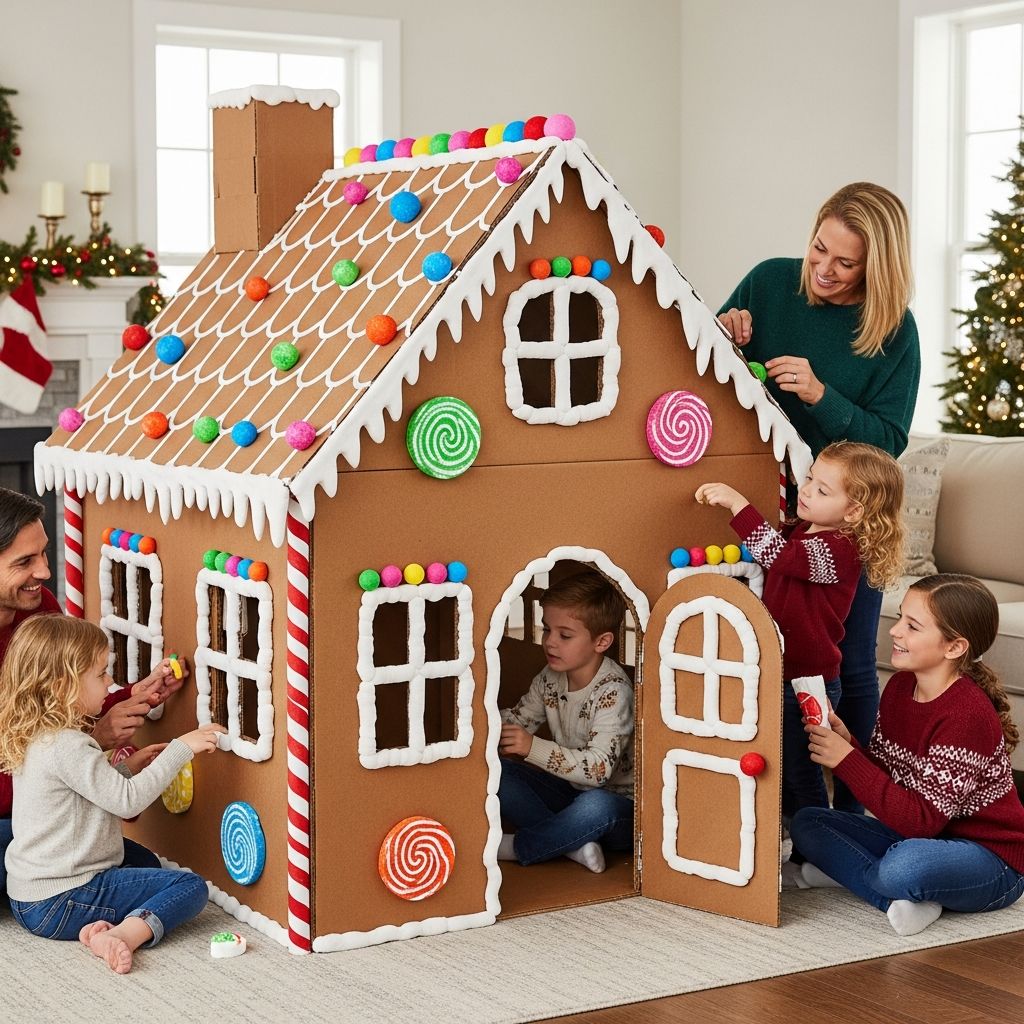
Family vacations hold immense potential for creating cherished memories, but they often descend into frustration without the right approach. Structured parenting, characterized by organization, foresight, and emotional steadiness, emerges as a powerful tool to ensure these trips succeed. By emphasizing preparation, clear communication, and balanced schedules, parents can turn potential chaos into harmonious adventures that strengthen family ties.
Understanding Structured Parenting in Travel Contexts
Structured parenting involves deliberate planning and consistent routines, adapting them to dynamic settings like vacations. Unlike more lenient styles, it prioritizes predictability to minimize anxiety for children while allowing flexibility for spontaneity. This method draws from child development principles, where routines provide security, enabling kids to explore new environments confidently.
During travel, this style shines by preempting common pitfalls such as overtiredness, hunger-induced meltdowns, or aimless wandering. Parents who embody structure set expectations early, pack thoughtfully, and maintain calm authority, modeling resilience for their children. Research from child psychology underscores that such consistency correlates with better emotional regulation in unfamiliar situations.
Building a Foundation: Family Input and Goal Setting
The journey begins long before departure. Gather the family for an open discussion on desires and constraints. Younger children might crave beaches and pools, while teens prefer adventure sports or cultural sites. Adults often seek relaxation amid the bustle. Compiling a shared wishlist ensures equity.
- Conduct a family meeting to list top interests.
- Prioritize 3-5 must-do activities per person.
- Balance high-energy outings with downtime slots.
This collaborative step invests everyone, reducing resistance later. For instance, assigning each child a research task—like finding a local park or museum—heightens anticipation and ownership.
Mastering the Art of Realistic Itineraries
Overambitious plans lead to exhaustion. Assess your family’s capacity: age ranges, travel stamina, and budget dictate feasibility. Opt for destinations within comfortable driving distance or short flights to conserve energy.
| Family Size | Recommended Trip Length | Daily Activities | Budget Focus |
|---|---|---|---|
| 2-3 members | 4-5 days | 2 outings + rest | Mid-range lodging |
| 4-6 members | 5-7 days | 1-2 outings + family game time | Budget accommodations with free perks |
| 7+ members | 7+ days | 1 outing + ample downtime | Self-catering options |
Craft a flexible daily framework: mornings for structured fun, afternoons for relaxation, evenings for bonding meals. Apps for mapping attractions and dining streamline this, clustering spots to avoid rushed transitions.
Logistics That Prevent Mishaps
Thorough preparation averts crises. Create a centralized document with reservations, addresses, emergency contacts, and backups. Pack versatile essentials: snacks for blood sugar dips, entertainment for delays, and health kits for minor issues.
- Book accommodations with family amenities like kitchens or pools.
- Secure activity tickets in advance to skip lines.
- Prepare ‘surprise bags’ with treats and games for transit.
Transportation choices matter—driving allows scenic stops, while flying suits far-flung spots. Hybrid trips, flying one way and driving back, blend efficiency with adventure.
Fostering Connection Amid the Adventure
Structured parenting elevates vacations beyond logistics, prioritizing relationships. Limit screens to encourage games like ‘I Spy’ or storytelling. Mealtimes become highlights: picnic spreads or themed dinners spark conversations.
Intentional moments—sunset walks, stargazing—deepen bonds. Debrief daily: ‘What was your favorite part?’ This reflection cements memories and informs future plans.
Handling Challenges with Composure
Delays and tantrums arise inevitably. Structured parents respond with empathy and redirection, not frustration. Pre-teach coping strategies: deep breaths for impatience, choice-making for conflicts.
For sensory-sensitive kids, scout quiet zones or low-stimulation eateries. Maintain routines like bedtime rituals, even in hotels, to anchor everyone.
Budget Strategies for Inclusive Getaways
Affordability amplifies accessibility. Track expenses categorically: transport (30%), lodging (25%), food (20%), activities (15%), misc (10%). Hunt deals via loyalty programs, off-peak travel, and free attractions.
- Leverage hotel freebies: breakfasts, pools, evening receptions.
- Pack meals for day trips; dine out selectively.
- Seek multi-attraction passes for savings.
Post-trip audits refine future budgets, turning vacations into sustainable traditions.
Age-Tailored Experiences for All
Tailor to developmental stages. Toddlers thrive on simple joys: sandcastles, splash pads. School-agers enjoy mild hikes, interactive exhibits. Teens appreciate independence: optional group splits for ziplining versus beach lounging.
Multigenerational trips consider grandparents’ paces, blending gentle strolls with energetic pursuits.
Frequently Asked Questions
What if my family resists planning?
Start small: involve them in one aspect, like picking a dinner spot, to demonstrate benefits. Share past trip wins to build trust.
How do I balance structure with fun?
Allocate ‘free choice’ hours daily, ensuring the core plan supports rest and joy.
Are short trips effective?
Absolutely—3-day weekends recharge without overwhelm, ideal for busy families.
What about solo parent travel?
Focus on low-maintenance destinations; enlist older kids as helpers for smoother execution.
How to sustain energy on long drives?
Rotate drivers, schedule stops every 2 hours, and pack audiobooks or podcasts.
Long-Term Benefits of This Approach
Beyond immediate trips, structured parenting cultivates life skills: responsibility, adaptability, gratitude. Families report stronger communication and fewer conflicts at home, as vacation successes reinforce positive dynamics.
Embrace this method iteratively—each outing hones your family’s rhythm, evolving into effortless, memorable escapes.
References
- Family Travel Tips from the American Academy of Pediatrics — American Academy of Pediatrics. 2024-05-15. https://www.aap.org/en/patient-care/healthy-active-living-for-families/family-travel/
- Child Development and Travel Stress Management — Centers for Disease Control and Prevention (CDC). 2025-01-10. https://www.cdc.gov/travel/page/children
- Parenting Styles and Child Outcomes in Unfamiliar Environments — Journal of Child Psychology and Psychiatry (Peer-reviewed). 2023-08-22. https://doi.org/10.1111/jcpp.13845
- Guidelines for Safe Family Travel — World Health Organization (WHO). 2024-11-03. https://www.who.int/news-room/fact-sheets/detail/travel-and-health
- Economic Impact of Family Vacations on Well-Being — U.S. Travel Association. 2025-02-14. https://www.ustravel.org/research/family-travel-report