Potty training marks a significant milestone in a child’s development, yet it often brings unnecessary tension for parents. By adopting a child-centered approach, families can navigate this phase with confidence and ease, allowing natural progress without timelines or comparisons.
Understanding Developmental Readiness
Every child develops at their own pace, and recognizing true readiness prevents frustration. Key indicators include staying dry for extended periods, showing interest in bathroom routines, and demonstrating motor skills like pulling pants up and down. The American Academy of Pediatrics emphasizes observing these signs rather than adhering to age-based expectations, as forcing the process can lead to resistance and setbacks.
Average completion occurs around age three, but variations from two to four years are normal. Rushing based on peers or preschool deadlines heightens stress without improving outcomes. Instead, assess your toddler’s physical and emotional maturity: Can they communicate needs? Do they dislike wet diapers? These cues signal the body and brain are prepared for bladder and bowel control.
- Physical signs: Dry diaper for 2+ hours, regular bowel movements.
- Cognitive signs: Follows simple instructions, imitates adults.
- Emotional signs: Expresses discomfort with soiled clothes, seeks privacy.
Building a Positive Foundation
Start with exposure rather than expectation. Introduce the potty as a fun, non-threatening object by placing it in a play area for exploration. Use books, dolls, or videos to demystify the process, helping toddlers connect bodily sensations to toilet use. Practice short, clothed sits in the morning or after meals to normalize the routine without pressure.
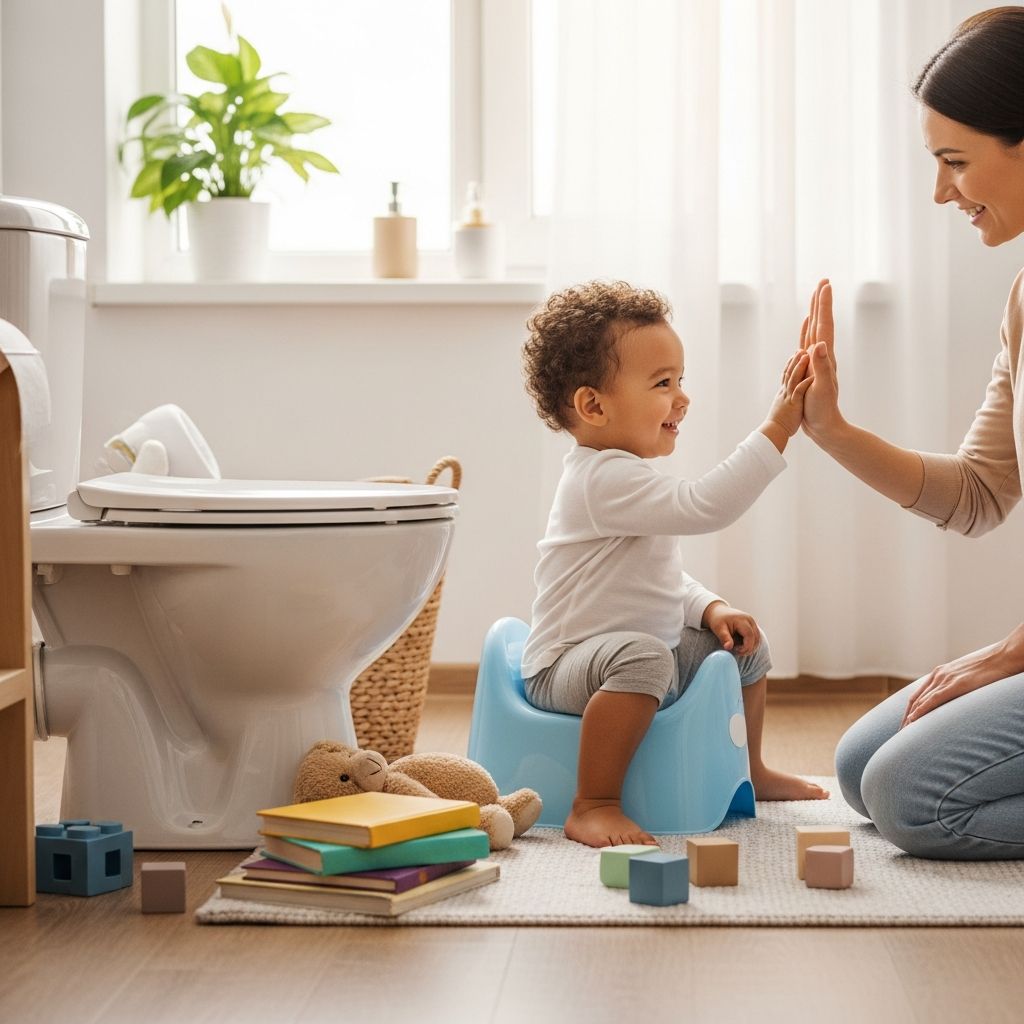
Praise efforts lavishly—”Great job sitting on the potty!”—regardless of results. This builds neural pathways for positive associations. Avoid punishment or negativity, as shame hinders learning and erodes trust. Consistency across caregivers ensures predictable support, reducing confusion.
| Readiness Checklist | Examples |
|---|---|
| Bladder Control | Dry for 2 hours or wakes dry from naps |
| Motor Skills | Pulls pants up/down independently |
| Interest | Asks about potty or follows you to bathroom |
| Communication | Says ‘pee’ or ‘poop’ before going |
Choosing the Right Timing
Select a low-stress period, like calm weekends or post-vacation stability. Avoid starting during illness, family moves, or new sibling arrivals, as disruptions amplify resistance. If initial attempts falter, pause for weeks—regression is common under duress, but patience yields quicker mastery.
Research supports waiting for readiness over early starts. A study in Pediatrics found child-led training reduces accidents and emotional strain compared to parent-driven methods. Trust your instincts; if frustration mounts, step back to preserve your bond.
Practical Tools and Techniques
Equip success with age-appropriate aids. Potty chairs offer stability; training pants provide wetness feedback without full diaper comfort. Nighttime training follows daytime mastery, using waterproof bedding to ease cleanup worries.
- Establish routines: Potty after waking, meals, play.
- Offer choices: “Big potty or little one?”
- Use timers for gentle reminders.
- Incentivize with stickers, not bribes.
For reluctant sitters, limit sessions to 1-5 minutes. Bare-bottom practice at home heightens awareness. Hydrate well and include fiber-rich foods to prevent constipation, a common barrier.
Navigating Common Challenges
Accidents are inevitable—expect them as learning opportunities. Respond neutrally: Clean up together calmly, saying, “Next time, potty helps.” This teaches without blame. Withhold fluids before bed; celebrate dry nights gradually.
Poop withholding stems from fear or pain. Soften stools via diet (prunes, pears) and model relaxed defecation. If persistent, consult a pediatrician to rule out issues. Power struggles? Disengage—remove pressure to restore motivation.
- Accident response: Empathize, assist cleanup, redirect to potty.
- Regression handling: Revert to diapers briefly if needed; no big deal.
- Nighttime leaks: Protective covers, limit evening drinks.
Managing Parental Emotions
Parental stress mirrors the child’s—recognize triggers like comparisons or fatigue. Schedule self-care: walks, baths, or friend chats to recharge. Reframe accidents as progress data, not failures. Support groups or apps track wins objectively.
One in five parents finds it tougher than anticipated, per polls, yet low-pressure methods succeed. Breathe deeply during tension; remind yourself: “This phase passes.” Fun breaks—like park outings—sustain positivity for all.
Long-Term Success Strategies
Sustain gains with portable potties for outings and public bathroom familiarity. Fade rewards as habits solidify. By age four, most master it independently. Celebrate the journey; confident kids emerge from supportive homes.
Evidence from child development experts affirms: Pressure delays; patience accelerates. Your calm presence is the ultimate tool.
Frequently Asked Questions (FAQs)
What if my child resists the potty?
Pause training and reintroduce later. Use play to build comfort; never force sits longer than a few minutes.
How do I handle poop accidents?
Address constipation first with diet. Praise any potty tries; model ease to reduce fear.
Is nighttime training separate?
Yes—focus daytime first. Use liners; most achieve it by age 5-7 naturally.
When to seek professional help?
If no progress by age 4, chronic pain, or emotional distress, see a pediatrician.
Are rewards effective?
Small, immediate ones like stickers work early; phase out to intrinsic motivation.
References
- Potty Training Problems and Solutions: An Evidence-Based Guide — Parenting Science. 2023-05-15. https://parentingscience.com/potty-training-problems-prevention/
- Toilet Training: 12 Tips to Keep the Process Positive — American Academy of Pediatrics (healthychildren.org). 2024-01-10. https://www.healthychildren.org/English/ages-stages/toddler/toilet-training/Pages/Praise-and-Reward-Your-Childs-Success.aspx
- Relax, It Happens Naturally: Potty Training Tips for Parents — Naturepedic. 2023-08-22. https://www.naturepedic.com/blog/relax-it-happens-naturally-potty-training-tips-for-parents
- Eliminating the Stress of Potty Training — Focus on the Family. 2022-11-03. https://www.focusonthefamily.com/family-qa/eliminating-the-stress-of-potty-training/
- A Comprehensive Guide to Stress-Free Potty Training — Hearts Connected. 2024-02-14. https://www.heartsconnected.org/post/flush-away-frustration-a-comprehensive-guide-to-stress-free-potty-training