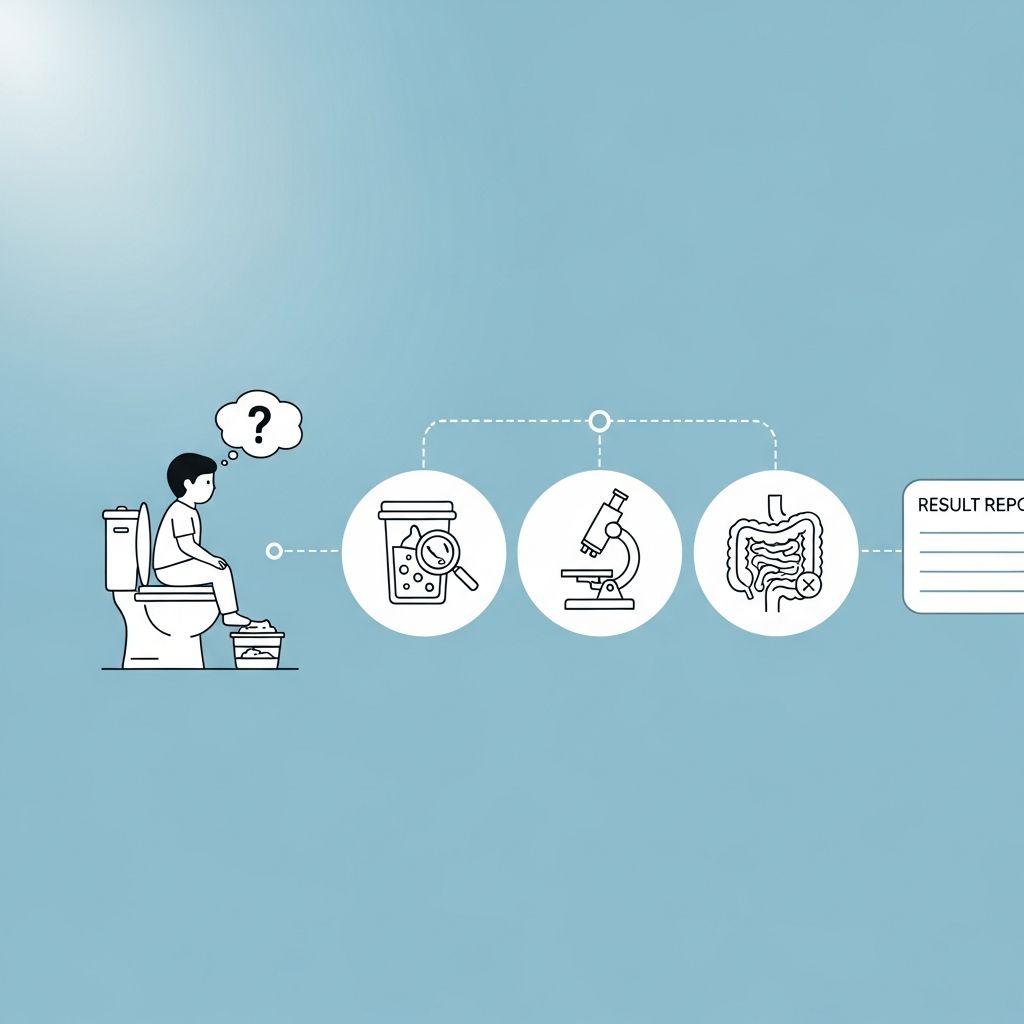
Stool tests, also known as fecal analyses, are simple yet powerful diagnostic tools used to evaluate a child’s digestive health by examining their feces in a laboratory setting. These tests help identify infections, bleeding, parasites, and other gastrointestinal issues that might not be visible otherwise.
Why Stool Testing Matters in Pediatric Care
In children, stool tests are crucial for diagnosing a range of conditions affecting the gut. Unlike adults, kids may not articulate symptoms clearly, making these tests vital for early detection. Common reasons include persistent diarrhea, abdominal pain, unexplained weight loss, or blood in the stool. They can reveal bacterial, viral, or parasitic infections, malabsorption problems, or even early signs of inflammatory bowel conditions.
For instance, if a child returns from travel with gastroenteritis symptoms, testing can pinpoint pathogens like bacteria or parasites acquired abroad. Early identification allows for targeted treatments, preventing complications such as dehydration or chronic issues.
Common Types of Stool Tests for Kids
Several specialized stool tests exist, each targeting different health concerns. Understanding these helps parents know what to expect.
- Stool Culture and Microscopy: Labs examine samples under a microscope and culture them to grow harmful bacteria, viruses, or parasites. This is ideal for infectious diarrhea.
- Fecal Occult Blood Test (FOBT or FIT): Detects hidden blood in stool, signaling potential issues like polyps or colorectal concerns, even in younger children at risk.
- Stool Fat Analysis: Measures undigested fat to diagnose malabsorption syndromes, common in conditions like celiac disease.
- Clostridium difficile Test: Checks for this antibiotic-associated bacteria causing severe diarrhea.
- Helicobacter pylori Test: Identifies bacteria linked to stomach ulcers via stool antigens.
Advanced molecular tests detect DNA or RNA of pathogens quickly, offering faster results than traditional cultures.
Recognizing When Your Child Needs a Stool Test
Parents should watch for red flags prompting a doctor’s visit and possible testing:
- Diarrhea lasting over a few days
- Bloody, mucousy, or unusually foul-smelling stools
- Stomach cramps, nausea, vomiting, or fever
- Recent antibiotic use followed by diarrhea
- Travel history or exposure to ill individuals
- Failure to thrive or poor weight gain
Most kids with short-term gastroenteritis recover without tests, but persistent symptoms warrant investigation.
Step-by-Step Guide to Collecting a Stool Sample at Home
Collecting a stool sample can feel daunting for parents, but following guidelines ensures accurate results. Always use provided kits with sterile containers.
- Prepare Materials: Receive a kit from your doctor with jars, brushes, cards, gloves, and instructions.
- Hygiene First: Have your child use the toilet normally. Flush first if needed.
- Catch the Sample: Place a clean plastic container, hat-shaped catcher, or plastic wrap over the toilet bowl to collect stool without toilet water contamination. For infants, line diapers with plastic wrap.
- Transfer Carefully: Using the provided tool, scoop a small amount (about a teaspoon) into the container. For FIT/FOBT, brush the stool surface onto a card.
- Label and Store: Seal tightly, label with name, date, and time. Refrigerate if not delivering immediately, but avoid freezing unless specified.
- Transport Promptly: Deliver to the lab or doctor within hours for best viability of organisms.
| Age Group | Method | Tips |
|---|---|---|
| Infants/Toddlers | Diaper with plastic wrap | Avoid urine mix; transfer quickly |
| School-Age Children | Toilet hat/container | Teach privacy; use gloves |
| Teens | Plastic wrap over bowl | Ensure no toilet contact |
Avoid mixing with urine, water, or toilet paper. Certain foods, medications, or vitamins can interfere, so inform your doctor.
The Laboratory Process: What Happens Next
Once at the lab, samples undergo various analyses. Technicians may smear stool on slides for microscopic review, culture on nutrient plates for bacterial growth, or use chemical reagents for blood/fat detection. PCR machines amplify pathogen DNA for precise identification.
Results typically arrive in 1-3 days, though cultures may take longer. Negative results indicate no detected issues; positive ones specify findings like specific bacteria or blood traces.
Interpreting Stool Test Results
Results guide next steps:
- Negative: Normal findings; monitor symptoms.
- Positive for Pathogens: Antibiotics or antiparasitics prescribed.
- Occult Blood: May prompt colonoscopy or further imaging.
- High Fat: Suggests pancreatic or absorption disorders, needing dietary changes or enzymes.
Discuss with your pediatrician, as context matters—false positives/negatives can occur.
Preparation Tips and Common Mistakes to Avoid
To optimize accuracy:
- Follow diet restrictions for occult blood tests (e.g., avoid red meat, vitamin C).
- Hold off on antibiotics/diarrhea meds before collection unless advised.
- Collect before imaging contrast or certain procedures.
Common pitfalls: Contaminated samples, delayed delivery, or improper storage, which can yield unreliable results.
Risks, Limitations, and Follow-Up Care
Stool tests are non-invasive with minimal risks, mainly discomfort or anxiety for children. Limitations include inability to detect all pathogens or non-infectious causes. If results are inconclusive, repeat tests or alternatives like endoscopy may be needed.
Post-test, track symptoms and adhere to treatments. Hydration and probiotics can aid recovery from infections.
Frequently Asked Questions (FAQs)
Is a stool test painful for children?
No, it’s non-invasive; involves only providing a sample at home.
How long do results take?
Usually 1-3 days, varying by test type.
Can diet affect results?
Yes, especially for blood tests—follow prep instructions.
What if the test is positive for blood?
Further evaluation like colonoscopy may be recommended.
Do all kids with diarrhea need this test?
No, only if symptoms persist or are severe.
Empowering Parents: Next Steps After Testing
Stool tests demystify gut issues, enabling proactive care. Consult pediatric gastroenterologists for complex cases. Regular screenings start later but awareness is key for at-risk families.
This guide equips you to navigate stool testing confidently, ensuring your child’s digestive health is monitored effectively.
References
- Stool tests – why you need one and how to take a sample — healthdirect.gov.au. 2023. https://www.healthdirect.gov.au/stool-tests
- Stool test — Canadian Cancer Society. 2024. https://cancer.ca/en/treatments/tests-and-procedures/stool-test
- Stool Test: What It Is, Purpose, Procedure, Results & Types — Cleveland Clinic. 2024-01-18. https://my.clevelandclinic.org/health/diagnostics/25210-stool-test
- Fecal immunochemical test (FIT) — MedlinePlus. 2024. https://medlineplus.gov/ency/patientinstructions/000704.htm
- What Is a Stool Culture? — WebMD. 2023. https://www.webmd.com/a-to-z-guides/what-is-a-stool-culture
- Fecal occult blood test — Mayo Clinic. 2024-06-04. https://www.mayoclinic.org/tests-procedures/fecal-occult-blood-test/about/pac-20394112