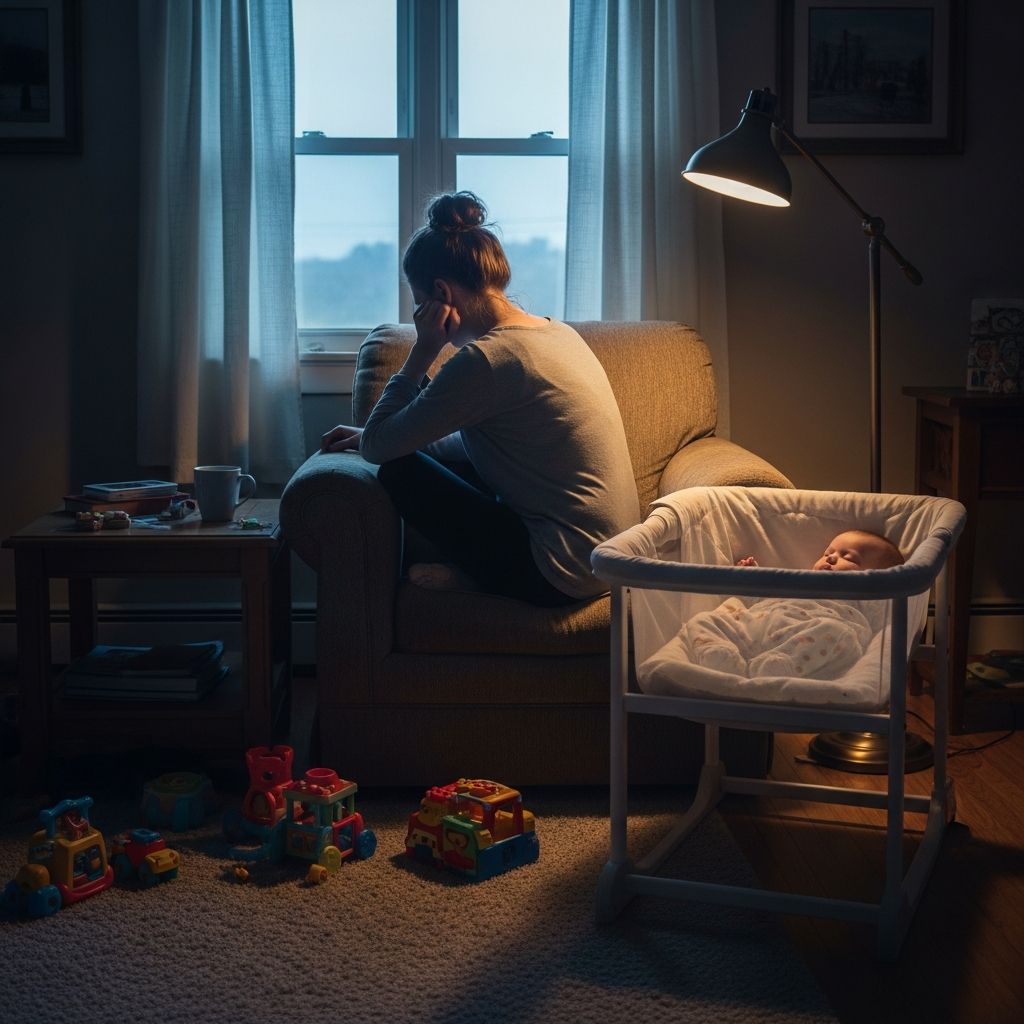
Full-time parenting offers irreplaceable moments of bonding and growth with children, yet it frequently comes with an under-discussed shadow: profound emotional isolation. Many mothers who dedicate their days to home and family report feeling disconnected from the wider world, grappling with loneliness that can evolve into more serious mental health challenges. This reality affects a significant number of women, highlighting the need for awareness and actionable support.
Understanding the Scope of Isolation in Stay-at-Home Parenting
The choice to stay home with children stems from a desire for deeper involvement in their early years, but it often leads to unintended solitude. Research indicates that around 27% of U.S. mothers opt for full-time homemaking, spending their days primarily with young children rather than in professional or social settings. This shift can create a bubble where adult conversations are scarce, and daily routines revolve around childcare demands.
Social isolation arises because the structure of stay-at-home life limits exposure to diverse interactions. Unlike working parents who engage with colleagues or commute through public spaces, full-time caregivers may go hours without meaningful exchanges with peers. This environment fosters a sense of detachment, where the constant presence of children—while joyful—replaces broader human connections.
Key Factors Fueling Loneliness and Emotional Strain
Several intertwined elements contribute to the emotional toll on stay-at-home mothers. Chronic stress from managing household tasks, childcare, errands, and appointments without breaks builds over time. Financial dependence on a partner adds another layer, potentially eroding feelings of autonomy and self-worth, especially for those who previously held careers.
Sleep disruptions are commonplace, as nighttime wakings and early mornings disrupt rest, directly impacting mood regulation. Societal undervaluation of unpaid labor further diminishes self-esteem, making mothers feel their contributions are invisible. Overstimulation from noise, toys, and unending demands compounds this, leaving little room for personal recharge.
- Reduced adult contact: Days filled with child-focused activities mean few chances for peer discussions.
- Loss of personal identity: Transitioning from professional roles to ‘mom’ exclusively can blur individual sense of self.
- Constant mental load: Anticipating family needs exhausts cognitive resources, leaving no energy for hobbies or growth.
- Financial and autonomy pressures: Dependence on others’ income heightens anxiety about stability and independence.
Recognizing the Signs of Depression Linked to Isolation
Loneliness can signal deeper issues like depression, which manifests distinctly in this context. Persistent sadness, hopelessness, or emptiness that lingers beyond typical fatigue points to stay-at-home mom depression. Irritability spikes in response to minor frustrations, while former joys—like hobbies—lose appeal.
Physical symptoms include unrelenting fatigue, appetite shifts, and sleep disturbances, such as insomnia or oversleeping. Cognitive fog hampers focus and decision-making, complicating even routine tasks. Feelings of guilt or worthlessness intensify, often tied to perceived parenting shortcomings. In severe cases, thoughts of self-harm emerge, necessitating immediate intervention.
| Symptom | Description | Common Triggers in Daily Life |
|---|---|---|
| Persistent Sadness | Feeling low or empty most days | Lack of adult affirmation or breaks |
| Loss of Interest | No enjoyment in past activities | Overwhelm from child demands |
| Fatigue | Constant exhaustion despite rest | Sleep deprivation and stress |
| Irritability | Short temper with family | Sensory overload from home environment |
| Guilt/Worthlessness | Feeling like a failure | Societal judgment on homemaking |
Studies confirm higher depression rates among stay-at-home mothers compared to working ones, with over 60,000 reporting elevated sadness and stress in older surveys. Chronic loneliness affects about a third of parents overall.
The Psychological Impact of Overstimulation and Mental Exhaustion
Beyond isolation, the home environment bombards senses with constant stimuli: children’s cries, scattered toys, and perpetual motion. This overstimulation prevents mental downtime, leading to burnout. Mothers describe a hypervigilance—scanning parks for dangers or managing hands while crossing streets—that drains reserves.
The absence of ‘off’ switches, like office breaks, means no escape from needs. This relentless cycle erodes patience, sparking regrettable parenting moments. Personal achievements fade, replaced by child-centric milestones, fostering a void where individual goals once thrived.
Practical Strategies to Combat Isolation and Rebuild Connections
Addressing these challenges requires intentional steps toward reconnection and self-care. Start by prioritizing outings: join mommy-and-me classes, library story times, or park walking groups. These low-pressure settings foster adult bonds while benefiting children.
Combat overstimulation by carving micro-breaks—deep breaths during naps or quick solo walks. Shift focus outward: volunteer locally or pursue small hobbies that align with family life, reigniting purpose. Open dialogues with partners about sharing loads, ensuring evenings include couple time for debriefing.
- Schedule social outlets: Weekly meetups with friends or new mom circles.
- Embrace virtual communities: Online forums for shared experiences reduce ‘alone’ feelings.
- Prioritize self-care: Short exercises or reading sessions to reclaim identity.
- Seek professional input: Therapy tailored for parental mental health.
- Reframe mindset: Practice gratitude to counter self-focus and negativity.
- Build routines with variety: Alternate home days with community events.
These actions transform isolation into community, fostering resilience. Acknowledging struggles aloud often reveals others share them, dissolving shame.
Long-Term Approaches to Sustaining Mental Well-Being
For enduring balance, integrate habits that nurture the whole self. Track sleep hygiene to mitigate deprivation’s effects, aiming for consistent bedtimes. Financial planning, like part-time gigs or savings goals, restores independence senses.
Cultivate a support network beyond family: neighbors, faith groups, or parenting apps. Celebrate small wins—mastered recipes or child milestones—to rebuild accomplishment feelings. If symptoms persist, consult healthcare providers; antidepressants or counseling prove effective for many.
Reframing stay-at-home life as a season, not permanence, eases identity loss. Many transition back to work later, carrying enriched perspectives.
Frequently Asked Questions (FAQs)
Is depression common among stay-at-home moms?
Yes, research shows higher rates than among working moms, often due to isolation and stress. Symptoms like persistent sadness warrant attention.
How can I fight daily loneliness?
Join local groups, schedule calls with friends, or try online communities for instant connection and shared understanding.
What if I feel overstimulated at home?
Take brief timeouts, use noise-cancelling aids, or step outside. Communicate needs to partners for tag-team relief.
Does financial dependence worsen mental health?
It can heighten anxiety and lower self-esteem; budgeting or side pursuits help reclaim control.
When should I seek professional help?
If sadness lasts weeks, affects functioning, or includes harmful thoughts, contact a therapist or doctor promptly.
Empowering Mothers: Moving Forward with Hope
Stay-at-home parenting’s loneliness is valid but conquerable through awareness and action. By fostering connections, honoring personal needs, and seeking support, mothers can thrive amid demands. This path not only heals but enriches family bonds, turning challenges into strengths.
References
- Stay at home mom depression — Medical News Today. 2023-10-15. https://www.medicalnewstoday.com/articles/stay-at-home-mom-depression
- Depression Among Stay-At-Home Moms is Real — Women’s Health AZ. 2023-05-22. https://www.womenshealthaz.com/depression-among-stay-at-home-moms-is-real/
- Experiencing loneliness in parenthood: a scoping review — PMC (National Library of Medicine). 2021-10-28. https://pmc.ncbi.nlm.nih.gov/articles/PMC8580382/
- Shedding Light on Stay-At-Home Mom Depression — Neuro Wellness Spa. 2024-01-10. https://neurowellnessspa.com/stay-at-home-mom-depression/
- Understanding Stay-at-Home Mom Depression — Talkspace. 2023-08-05. https://www.talkspace.com/mental-health/conditions/articles/stay-at-home-mom-depression/