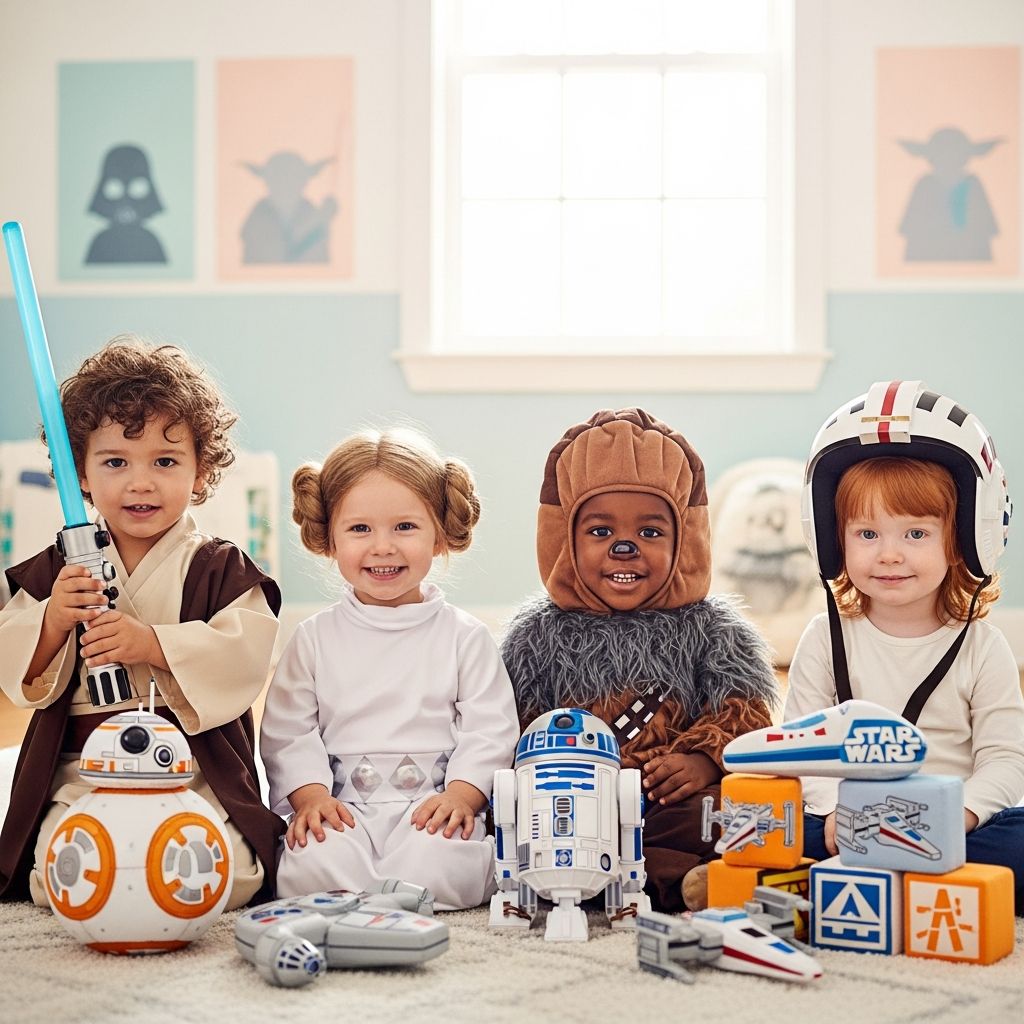
Star Wars can be a magical way to connect with young children, but many parents wonder how to enjoy this galaxy without overwhelming toddlers and preschoolers. Thoughtful choices, gentle guidance, and the right types of stories can make Star Wars a calm, positive part of early childhood instead of a source of fear or overstimulation.
Why Star Wars Appeals to Young Kids
Even before they understand the full story, small children are drawn to bright colors, distinct characters, and simple good-versus-bad themes. For many families, these familiar elements become a shared language for play and imagination.
- Recognizable heroes and creatures give children easy hooks for pretend play and storytelling.
- Simple symbols like lightsabers, droids, and starships capture attention without needing complex explanations.
- Clear ideas of friendship, bravery, and helping others can be translated into real-life lessons at home and in the classroom.
When handled thoughtfully, Star Wars can be more than just screens; it can support social skills, creativity, and early emotional discussion.
Development Stages: Toddlers to Kindergarteners
Not all young children respond to stories in the same way, so it helps to think in age bands. Matching Star Wars content to your child’s developmental stage helps keep things fun and safe.
| Age Range | What They Need | Star Wars Focus |
|---|---|---|
| 18 months–3 years | Very short, gentle visuals; little or no conflict; slow pacing. | Soft, colorful characters, music, and simple cause-and-effect moments. |
| 3–5 years (preschool) | Clear emotions, repetition, simple problems and solutions. | Stories about friendship, sharing, and basic problem-solving with Jedi themes. |
| 5–7 years (early elementary) | More detailed stories, mild suspense, basic moral choices. | Team-based adventures, early ideas about responsibility and self-control. |
Adjusting content and expectations as kids grow keeps Star Wars experiences aligned with their emotional maturity and attention spans.
What Makes a Star Wars Story Truly Kid-Friendly?
Many Star Wars stories are aimed at older viewers, with intense battles and complex themes. Parents of toddlers and preschoolers should look for gentler series and shorts designed specifically for young children.
- Softened conflict: Problems should feel more like puzzles, misunderstandings, or small mishaps than life-or-death battles.
- Warm tone: Colorful, welcoming settings and expressive, friendly characters help offset the idea of danger.
- Short episodes: Brief stories keep young kids from getting overloaded and make it easier to stop when they are tired.
- Clear lessons: Each story should have a simple social-emotional takeaway, like apologizing, taking turns, or asking for help.
Shows and shorts explicitly created for preschool audiences usually make these choices in pacing, visual style, and story complexity, which can ease many parental concerns.
Jedi Values for Little Learners
Beyond the lightsabers and starships, the Jedi concept can support core character strengths. Framing these traits in everyday language helps young children see how “being a Jedi” can simply mean being kind and thoughtful.
- Self-control: A “calm Jedi body” can be a playful way to describe taking deep breaths and using gentle hands.
- Empathy: Asking, “What does your friend feel right now?” mirrors Jedi awareness of others’ feelings.
- Teamwork: Missions that require cooperation translate easily into siblings helping each other with chores or clean-up.
- Curiosity: Young Jedi can be encouraged to ask questions about the world rather than rush into actions.
When adults name and praise these traits in daily life, Star Wars becomes a context for practicing real emotional skills rather than only an action-adventure fantasy.
Choosing Age-Appropriate Episodes and Clips
Very young children do not need the full saga right away; short, self-contained stories are usually best. Parents can pre-watch or skim episodes and note moments that might be tense or confusing.
- Stick to shows and shorts clearly marketed for preschool and early elementary ages instead of jumping directly to the main films.
- Favor episodes that focus on friendship, exploration, and problem-solving over long battles or dramatic confrontations.
- Use built-in breaks: for toddlers, one short episode or a single clip is often enough for a sitting.
Careful selection allows children to enjoy the fun of the galaxy while adults retain control over tone and intensity.
Co-Watching: Your Role as Guide
Watching Star Wars together turns passive viewing into an active, guided experience. Sitting with your child allows you to read their reactions and respond immediately to confusion or fear.
- Pause to name emotions: “That character looks worried. What do you think happened?”
- Connect to real life: “Have you ever helped a friend like that? That’s being a bit like a Jedi.”
- Normalize turning it off: “This feels like too much now. Let’s take a break and come back another day.”
Co-watching also helps prevent children from fixating solely on weapons or villains, because adults can redirect attention toward cooperation and problem-solving.
Handling Scary or Intense Moments
Even in kid-focused stories, there may be mild peril, loud sounds, or looming figures. Sensitive children, in particular, may need extra support to process what they see.
- Give a heads-up: Briefly warn your child if an episode includes a tense scene and sit closer so they can seek comfort.
- Use the remote freely: Pausing or skipping a moment will not ruin the story and can preserve your child’s sense of safety.
- Reframe afterward: Emphasize that the scary part ended and point out how characters solved the problem together.
If certain types of imagery repeatedly upset your child, make a note and avoid similar episodes for a while; there is no rush to cover everything in the franchise.
Turning Screen Time Into Play Time
Star Wars becomes more meaningful when it leaps off the screen into your child’s own games and projects. Simple, low-cost activities can encourage movement, art, and language rather than just passive viewing.
- Imaginative movement: Create an indoor “Jedi training path” with pillows, tape lines, and safe jumps to practice balance and coordination.
- Storytelling with toys: Use dolls, blocks, or even household items as stand-ins for characters and ships to act out new adventures.
- Simple crafts: Paper headbands, cardboard “control panels,” or crayon-decorated droids give kids a tactile way to express their fandom.
These activities channel excitement into creativity and can reduce requests for more screen time because kids have new ways to engage with the story world.
Educational Ideas Hidden in the Galaxy
Star Wars themes can be woven into casual learning for toddlers and preschoolers without feeling like formal lessons. Parents and teachers can use characters and images to support early literacy, numeracy, and science curiosity.
- Pre-reading: Match character cards, trace the first letter of character names, or “read” picture-only mini-books about simple missions.
- Counting and sorting: Sort toy ships or cards by color, size, or type and count how many are in each group.
- Early science: Talk about day and night on different planets, compare deserts and forests, or freeze and melt toys in “carbonite” ice blocks in a safe container.
Embedding learning in a beloved world can hold attention longer and make basic skills practice feel like part of the adventure.
Setting Healthy Screen-Time Boundaries
Even high-quality shows still count as screen time, so boundaries matter. Clear routines and consistent rules make it easier for children to transition away from episodes without major conflicts.
- Decide in advance how many episodes or minutes your child may watch and communicate it calmly before you start.
- Use a visual timer or simple chart so children can see when viewing will end.
- Offer a next activity that feels inviting, such as drawing their favorite droid or building a small “base” out of blocks.
Predictable limits transform Star Wars time into a special ritual instead of an open-ended demand, which supports healthier long-term media habits.
Comparing Star Wars Experiences for Young Kids
Parents often weigh different types of Star Wars content when deciding how to begin. The options range from short, gentle shows all the way to the classic films aimed at older viewers.
| Type of Content | Best For | Parental Considerations |
|---|---|---|
| Preschool-targeted series and shorts | Toddlers and preschoolers who are new to the franchise. | Generally mild conflict, slower pacing, and clearer moral lessons; still worth co-watching. |
| Animated adventure shows | Older preschoolers and early elementary children who want more action. | May include more intense battles and suspense; pre-watch and skip episodes as needed. |
| Main saga films | Children with stronger emotional resilience and longer attention spans. | Contain complex themes and sustained peril; unlikely to suit most toddlers and younger preschoolers. |
Starting gently and moving toward more complex content over time helps children grow with the galaxy rather than being thrown into its most intense stories too soon.
Managing Merchandising and Requests
Once children recognize Star Wars characters, they may start asking for toys, clothing, and themed snacks. While merchandise can enrich pretend play, it can also create pressure and clutter if not managed thoughtfully.
- Choose a few durable, open-ended items, such as simple figures or costumes, instead of many single-purpose gadgets.
- Use wish lists for birthdays or holidays to channel requests instead of responding immediately to every new product.
- Link new items to behavior or milestones, emphasizing gratitude and care for belongings.
Keeping merchandise in balance helps maintain focus on shared experiences and values instead of constant acquisition.
FAQs About Star Wars and Young Children
Is Star Wars too violent for toddlers?
Most of the classic Star Wars films and many series include battles and intense scenes that can overwhelm toddlers and very young preschoolers. Choosing preschool-focused shows with soft visuals, limited conflict, and short episodes is usually a better starting point for this age group.
When can my child watch the original movies?
There is no universal age, but many families wait until children show they can handle suspense, loud action, and complex emotions without nightmares or ongoing worry. Watching together, pausing often, and being ready to stop at any time are key when introducing the main saga.
How do I respond if my child imitates fighting?
Imitation is normal, but parents can set clear rules that lightsabers and Force powers are for pretend, gentle play only. Offering alternatives like cooperative missions, obstacle courses, or “rescue” games helps redirect energy away from aggressive contact.
Can Star Wars actually teach positive values?
Yes, when adults actively highlight themes of empathy, teamwork, and self-control, the stories can reinforce social and emotional skills. Asking open-ended questions and connecting on-screen events to real situations in your child’s life are powerful tools.
What if my child seems afraid but still asks to watch?
Young children sometimes feel torn between curiosity and fear, so they may request content that unsettles them. In these cases, it is appropriate for adults to set firmer limits, offer gentler alternatives, and reassure children that “not ready yet” is perfectly acceptable.
Helping Young Jedi Grow With the Galaxy
Introduced with care, Star Wars can become a long-running source of shared memories, playful learning, and meaningful conversations about feelings and friendships. Parents who emphasize gentle stories, co-watching, and healthy boundaries give their children a positive first step into this well-loved universe.
Over time, as kids grow into new episodes, books, and activities, the galaxy far, far away can mirror their own growth in empathy, courage, and curiosity—traits that matter far more than any lightsaber duel.