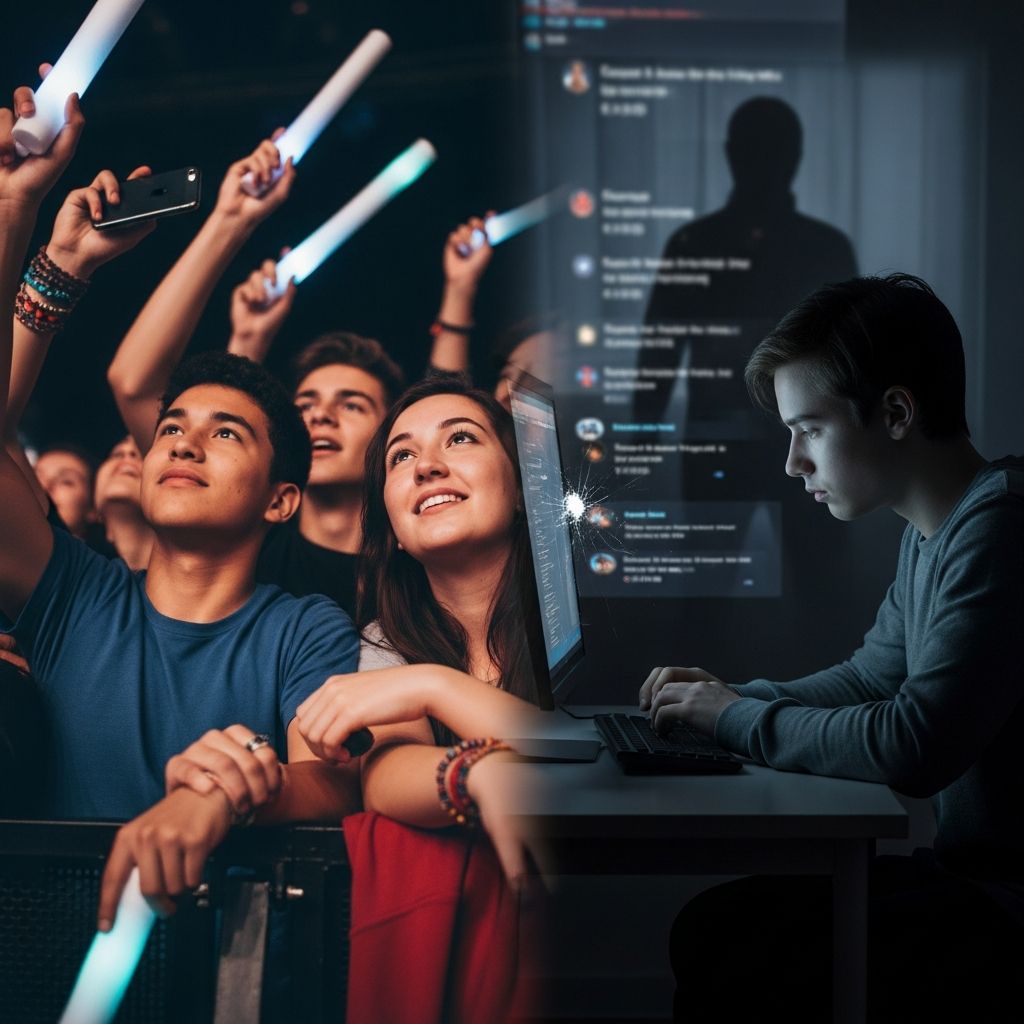
Stan culture represents a vibrant and intense form of fandom where teenagers dedicate significant time and energy to supporting celebrities, artists, or influencers, often through online communities. While it fosters belonging and creativity, it can also veer into harmful territories like harassment and unrealistic expectations.
The Evolution and Appeal of Modern Fandom
Fandom has transformed dramatically with social media, evolving from casual admiration to organized online groups known as ‘stans.’ Teens, in particular, are drawn to this culture due to its communal nature, where shared passion creates instant connections. Platforms like X (formerly Twitter), TikTok, and Instagram serve as hubs for these communities, enabling fans to rally around music releases, award shows, or personal milestones of their idols.
The term ‘stan’ originates from Eminem’s song depicting obsessive fandom, but today’s version emphasizes collective support. For many adolescents, participating enhances their engagement with pop culture, turning passive consumption into interactive experiences. Friendships form rapidly as fans bond over memes, inside jokes, and coordinated promotional efforts, providing a sense of identity during formative years.
Positive Impacts: Building Community and Skills
- Social Connections: Stan groups offer teens a space to belong, combating isolation common in adolescence. Fans describe it as an ‘enhanced experience,’ where music or media becomes a shared adventure.
- Creativity Boost: Participants create fan art, edits, and viral content, honing digital skills valuable for future careers in media or marketing.
- Emotional Support: Celebrating achievements together builds resilience and joy, with some idols acknowledging fans through shoutouts or contests, reinforcing positive reinforcement.
- Humor and Camaraderie: Vulgar humor, memes, and reaction gifs create a unique lexicon that strengthens group bonds without real-world risks.
These benefits highlight why stan culture thrives among teens seeking purpose and peers. Psychologists note parasocial relationships— one-sided bonds with public figures—as a natural human tendency, amplified by digital proximity.
Recognizing the Warning Signs of Extreme Fandom
Not all stan engagement is benign; extremes can lead to toxicity. Parents should watch for signs like excessive screen time, defensive reactions to criticism, or participation in group attacks on rivals. The ‘all or nothing’ mentality often escalates simple opinions into battles, fostering cyberbullying.
| Healthy Fandom | Toxic Stan Behavior |
|---|---|
| Sharing positive content and memes | Organizing harassment campaigns |
| Respectful debates | Doxxing personal information |
| Balanced online/offline life | Neglecting school or relationships |
| Self-awareness of boundaries | Groupthink suppressing individuality |
The spectrum ranges from harmless enthusiasm to dangerous actions, where admiration morphs into aggression.
Psychological Underpinnings and Mental Health Concerns
Parasocial relationships fuel stan culture, creating illusions of intimacy with distant celebrities. While comforting, they set unrealistic expectations, leading to disappointment when personas crack. Younger fans, often impressionable teens, risk mental health issues like anxiety from constant comparison or identity fusion with idols.
- Impressionable minds may model extreme behaviors, including disordered eating or body image struggles from idol worship.
- Group dynamics enforce conformity, pressuring individuals to echo talking points or join pile-ons.
- Harassment coordination via group chats spreads narratives rapidly, denying redemption and perpetuating cancel culture.
Former stans report exiting due to these pressures, citing doxing—leaking addresses or numbers—and burnout as key factors.
Real-World Examples of Stan Culture’s Dark Side
High-profile cases illustrate risks: fan bases have coordinated mass messaging to intimidate critics, using identical phrases to amplify attacks. One ex-fan witnessed phone numbers and home addresses shared to silence dissent, blurring lines between support and vigilantism.
Cancel culture within stans deems critics ‘immoral’ without nuance, leading to death threats or doxxing for mere dislike of an artist. This toxicity alienates even dedicated members, as seen in a 12-year veteran who left amid college pressures and ethical concerns.
How Parents Can Support Healthy Engagement
Guidance starts with open conversations. Encourage teens to articulate why they stan, distinguishing admiration from obsession. Set boundaries on online time and monitor for red flags like secrecy or anger.
- Educate on Digital Literacy: Teach about parasocial pitfalls and privacy risks, using real examples without judgment.
- Promote Balance: Suggest offline hobbies to diversify identity beyond fandom.
- Foster Critical Thinking: Discuss celebrity humanity, encouraging independent opinions over groupthink.
- Monitor Interactions: Review public posts periodically, focusing on collaboration rather than control.
- Seek Professional Help: If obsession disrupts life, consult counselors experienced in teen social media use.
By framing fandom as a tool for growth, parents help teens harness positives while mitigating harms.
Navigating Platforms and Community Dynamics
Stan Twitter contrasts ‘locals’—mainstream users—with passionate, ‘volcanic’ stans who organize meticulously. Platforms amplify this: X for debates, TikTok for edits. Parents unfamiliar with slang like ‘Barbz’ or ‘Hotties’ can learn via neutral observation, avoiding confrontation.
Encourage positive contributions, like fan projects benefiting charities, to channel energy constructively.
Frequently Asked Questions About Teen Stan Culture
Is stan culture always harmful to teens?
No, it often provides community and fun, but extremes like harassment signal problems.
What is doxing in stan communities?
Doxing involves sharing private info like addresses to bully critics, a major issue in toxic groups.
How does stan culture affect mental health?
It can boost belonging but risks anxiety from comparisons and parasocial disappointments.
Should parents ban social media to stop stanning?
Bans may backfire; education and dialogue promote healthier use instead.
Can teens outgrow stan culture?
Many do, especially with life changes like college, gaining perspective on boundaries.
Future Trends in Fandom and Parental Preparedness
As AI and VR evolve, stan culture may deepen immersion, heightening risks. Parents must stay informed, adapting strategies to new platforms. Emphasizing empathy and self-reflection equips teens for balanced digital lives.
(Word count: 1678)
References
- The Underbelly of Stan Culture — The AAKOMA Project. 2023. https://aakomaproject.org/in_media/the-underbelly-of-stan-culture/
- The Underbelly Of Stan Culture: The Psychology, Legality, Of The … — Essence. 2023. https://www.essence.com/of-the-essence/psychology-legality-stan-experience/
- The dark side of stan culture — The Stanford Daily. 2021-08-23. https://stanforddaily.com/2021/08/23/the-dark-side-of-stan-culture/
- Exploring the World of Stans — Eastside Online. N/A. https://eastside-online.org/opinions/exploring-the-world-of-stans/
- Stan Twitter — Wikipedia. 2024. https://en.wikipedia.org/wiki/Stan_Twitter