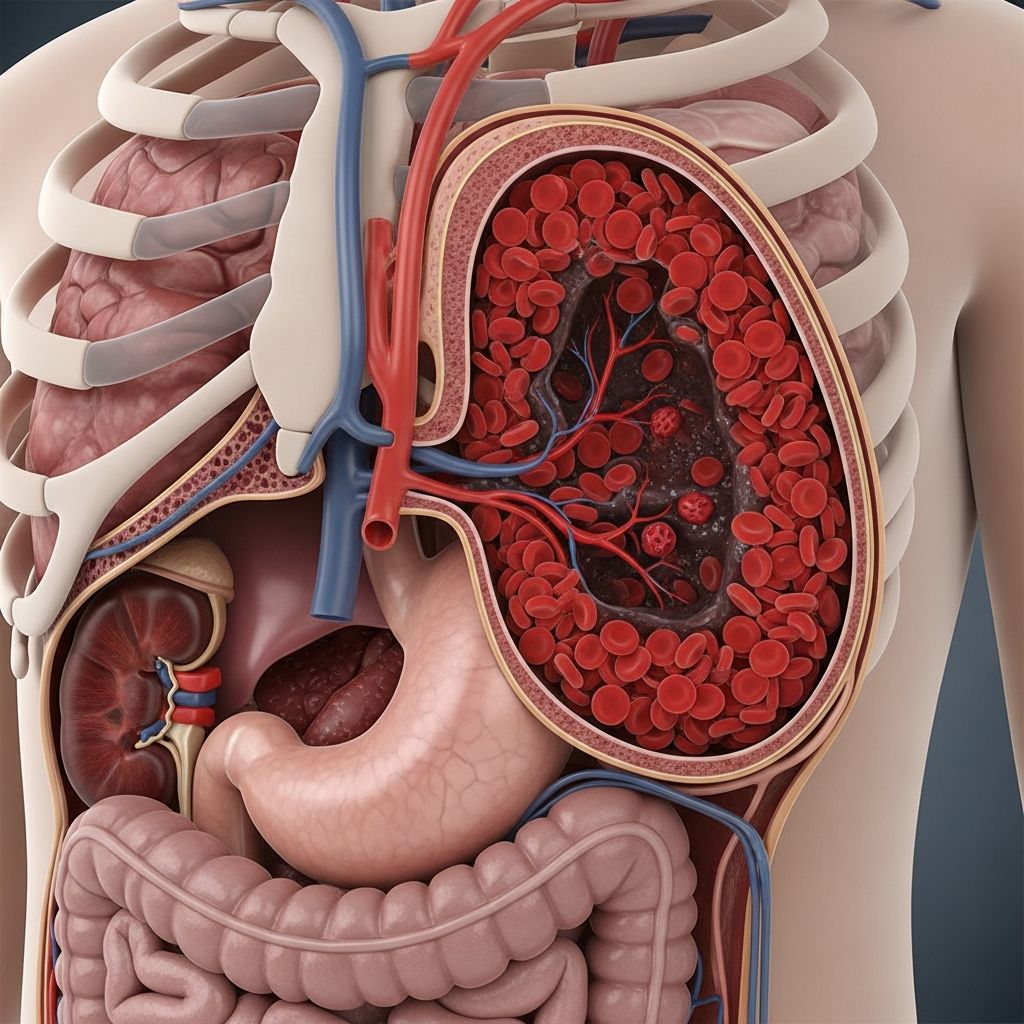
When the Spleen Becomes Dangerous: Understanding Splenic Sequestration
The spleen is a vital organ located beneath the ribcage on the left side of the body, roughly the size of a fist. In children with sickle cell disease, the spleen faces unique challenges that can lead to a life-threatening condition known as splenic sequestration. This medical emergency occurs when abnormal red blood cells become trapped within the spleen, causing it to enlarge suddenly and fill with blood. Understanding this complication is crucial for parents and caregivers of children with sickle cell disease, as recognizing early warning signs can make the difference between prompt treatment and serious complications.
The Mechanics Behind Blood Cell Trapping
In children with sickle cell disease, red blood cells have an abnormal crescent or sickle shape under certain conditions, particularly when oxygen levels are low. The spleen, which normally filters blood and removes damaged cells, faces a particular challenge with these misshapen cells. The structure of the spleen contains narrow blood vessel passages designed to allow normal, flexible red blood cells to pass through easily. However, sickled cells are rigid and sticky, making passage through these tight spaces difficult.
When sickled cells enter the spleen’s filtering chambers, they can become lodged in these narrow vessels. Blood flow in that area becomes restricted, and oxygen levels drop further, causing more cells to sickle in response. This creates a vicious cycle where increasingly trapped cells block the spleen’s vessels more effectively. In many cases, the body can manage small blockages as they cause localized scarring and fibrosis. However, if the obstruction spreads rather than remaining isolated, the spleen can rapidly accumulate massive amounts of trapped blood. This acute trapping of blood cells is what medical professionals call a sequestration crisis.
Age and Risk Factors: Who Is Most Vulnerable
Splenic sequestration primarily affects infants and young children, with the highest risk occurring before age five. Children in this age group have spleens that are still fully functional, making them more capable of trapping large volumes of blood. As children grow older and experience repeated sickling episodes, the spleen gradually loses its function through a process called autoinfarction, where areas of the spleen essentially die and scar over, reducing its ability to trap blood.
Interestingly, splenic sequestration can occur at any age in individuals with sickle cell disease, though it becomes increasingly uncommon after the early childhood years. Certain triggers appear to increase the likelihood of a sequestration crisis, including respiratory infections and other acute illnesses. The exact reason why some blockages resolve while others spread rapidly remains unclear, though researchers have identified correlations between sequestration events and infections or pain episodes.
Recognizing the Emergency: Symptoms That Demand Immediate Attention
The symptoms of splenic sequestration develop suddenly and can progress rapidly, often within hours. Parents and caregivers should be alert to the following warning signs:
- Abdominal pain and swelling: Pain on the left side of the abdomen where the spleen is located represents the most common symptom. The belly may appear swollen or distended due to the spleen’s rapid enlargement. The spleen may feel hard or tender to touch.
- Signs of severe anemia: The spleen trapping blood cells causes a sudden drop in hemoglobin levels, leading to pale or ashen appearance of the lips, gums, nail beds, and skin. The child may appear unusually pale or washed out.
- Cardiovascular stress: The body attempts to compensate for the reduced blood circulation by increasing heart rate and breathing rate. Parents may notice rapid or labored breathing and a noticeably fast heartbeat.
- Weakness and fatigue: The child may display sudden onset of weakness, refusing to play or participate in normal activities. They may seem unusually tired or difficult to wake.
- Additional symptoms: Dizziness, headache, and lack of appetite or feeding difficulties may accompany the acute episode.
The Progression From Function to Crisis
Understanding how the spleen changes over time in children with sickle cell disease helps explain why sequestration risk is highest in young children. At baseline, many children with sickle cell disease have some degree of splenomegaly, meaning the spleen is already enlarged beyond normal size. This enlargement may extend one to two centimeters below the left ribcage margin. However, during a sequestration crisis, the spleen undergoes dramatic and rapid enlargement far beyond this baseline.
The distinction between baseline splenomegaly and acute sequestration is critical for diagnosis. Parents should become familiar with their child’s normal spleen size and location through gentle palpation techniques taught by their child’s healthcare team. This baseline knowledge allows caregivers to detect the dramatic swelling that indicates a crisis rather than mistaking normal baseline enlargement for an acute emergency.
Why Splenic Sequestration Constitutes a Medical Emergency
Splenic sequestration ranks among the most common causes of death in children with sickle cell disease. The condition becomes life-threatening because of the massive volume of blood that becomes trapped within the spleen. When a significant percentage of the body’s circulating blood becomes sequestered in the spleen, insufficient blood reaches vital organs such as the heart, lungs, and brain.
This reduction in circulating blood volume can trigger hemodynamic instability and potentially progress to shock, a condition where vital organs cannot function properly due to inadequate blood supply. A child in septic shock experiences dangerously low blood pressure, organ dysfunction, and potentially irreversible damage if treatment is not initiated quickly. The rapid deterioration possible with splenic sequestration is why immediate medical evaluation is essential whenever symptoms appear.
Diagnosing Splenic Sequestration
Medical professionals diagnose splenic sequestration primarily through clinical presentation rather than a single definitive test. The characteristic features of a splenic sequestration crisis include:
- Acute hemoglobin drop of at least 2 grams per deciliter
- Sudden splenic enlargement beyond the child’s baseline splenomegaly
- Signs of anemia such as pallor and fatigue
- Evidence of hemodynamic stress including tachycardia
Healthcare providers may order blood tests to measure hemoglobin levels and confirm the degree of anemia. Physical examination focuses on assessing the spleen’s size and consistency compared to previous measurements. About half of sequestration crises present with signs of hemodynamic instability at the time of diagnosis, underscoring the severity of this condition.
Treatment Approaches and Management Strategies
Once splenic sequestration is suspected, immediate hospitalization and aggressive treatment are necessary. The primary treatment goals involve restoring adequate circulating blood volume, improving oxygen delivery to tissues, and preventing organ damage.
Blood transfusions form the cornerstone of acute treatment. Transfusions rapidly increase hemoglobin levels and restore circulating blood volume, allowing vital organs to receive adequate oxygen-rich blood. In severe cases, exchange transfusion may be performed, where some of the patient’s sickled red blood cells are removed and replaced with normal red blood cells.
Intravenous fluids help maintain blood pressure and prevent shock while transfusions are being administered. Careful fluid management balances the need to support circulation with the risk of fluid overload in a child with acute illness.
Supportive care addresses pain management, oxygen supplementation if needed, and monitoring for complications. Medical teams carefully track hemoglobin levels, blood pressure, heart rate, and organ function throughout the acute episode.
Splenectomy, or surgical removal of the spleen, may be considered for children who experience recurrent sequestration crises or who have spleen damage from previous episodes. This irreversible procedure eliminates the spleen’s ability to trap blood but removes an important organ for fighting infections, requiring careful consideration of risks and benefits.
Prevention Strategies for High-Risk Children
While splenic sequestration cannot always be prevented, several measures may reduce risk:
- Infection prevention: Since infections appear correlated with sequestration events, prompt treatment of fever and respiratory symptoms is important. Vaccinations against pneumococcal disease and other infections help reduce infection risk.
- Regular medical monitoring: Frequent check-ups allow healthcare providers to assess spleen size trends and detect changes early.
- Parental education: Learning to palpate and measure spleen size empowers parents to detect changes and seek care appropriately.
- Maintaining hydration: Adequate fluid intake helps prevent situations where blood becomes overly concentrated, potentially triggering sickling events.
The Long-Term Outlook and Recovery
Survival from an acute splenic sequestration crisis with prompt appropriate treatment is generally favorable. Once the acute episode resolves with blood transfusion and supportive care, the child’s blood volume and organ function normalize. However, children who experience one sequestration crisis face increased risk of recurrence.
Following recovery from a sequestration event, healthcare teams work with families to develop prevention strategies and monitoring plans specific to that child’s situation. Some children may be candidates for prophylactic transfusions, where regular blood transfusions are given to prevent future crises. Others may eventually undergo splenectomy if recurrent episodes occur.
Important Considerations for Parents and Caregivers
Parents of children with sickle cell disease should understand that splenic sequestration represents a true medical emergency requiring immediate hospital evaluation. The condition cannot be managed at home, and delays in seeking care significantly increase risks of serious complications or death.
Caregivers should maintain clear communication with their child’s healthcare team about the child’s baseline spleen size and how to recognize acute changes. Understanding the difference between the child’s normal baseline state and acute enlargement prevents unnecessary emergency visits while ensuring that genuine crises are not overlooked.
Education and preparedness represent the most valuable tools available to families. Knowing the symptoms, understanding why the condition is dangerous, and having a plan for rapid access to emergency care can be lifesaving.
Common Questions About Splenic Sequestration
Q: At what age does splenic sequestration risk decrease?
A: The spleen gradually loses function through autoinfarction as children experience repeated sickling episodes. Risk is highest before age five, but remains possible at any age. In older children and adults, the spleen often becomes minimally functional due to years of cumulative damage.
Q: Can a child die from splenic sequestration?
A: Yes, splenic sequestration is one of the most common causes of death in children with sickle cell disease. However, prompt diagnosis and treatment with blood transfusions can be life-saving, making rapid recognition of symptoms critical.
Q: Is there a way to prevent splenic sequestration?
A: While prevention is not always possible, managing infections promptly, maintaining hydration, receiving appropriate vaccinations, and keeping regular medical appointments may reduce risk. Some children benefit from prophylactic transfusions or eventually splenectomy.
Q: How should I check my child’s spleen at home?
A: Ask your child’s healthcare team to teach you proper palpation technique. Generally, you gently feel below the left ribcage with the child lying flat and relaxed, comparing findings to what you know is normal for your child.
Q: What should I do if I suspect my child has splenic sequestration?
A: Seek immediate medical attention at an emergency department. Do not wait or try to manage symptoms at home. Time is critical in treating this condition, and delays can lead to serious complications or death.
References
- Splenic Sequestration Crisis – StatPearls — National Center for Biotechnology Information (NCBI), U.S. National Library of Medicine. 2024. https://www.ncbi.nlm.nih.gov/books/NBK553164/
- Complications of SCD: Splenic Sequestration — Centers for Disease Control and Prevention. 2024. https://www.cdc.gov/sickle-cell/complications/splenic-sequestration.html
- Acute Spleen Enlargement (Splenic Sequestration) — St. Jude Children’s Research Hospital. 2024. https://together.stjude.org/en-us/treatment-tests-procedures/symptoms-side-effects/acute-splenic-sequestration.html
- Sickle Cell Disease and Spleen Crisis (Splenic Sequestration) — Nationwide Children’s Hospital. 2024. https://www.nationwidechildrens.org/conditions/sickle-cell-disease-and-spleen-crisis-splenic-sequestration
- Splenic Sequestration – Sickle Cell Disease (Teaching Sheet) — Children’s Healthcare of Atlanta. 2024. https://www.choa.org
- Sickle Cell Disease: Splenic Sequestration — Cigna Healthcare. 2024. https://www.cigna.com/knowledge-center/hw/sickle-cell-disease-hw253997