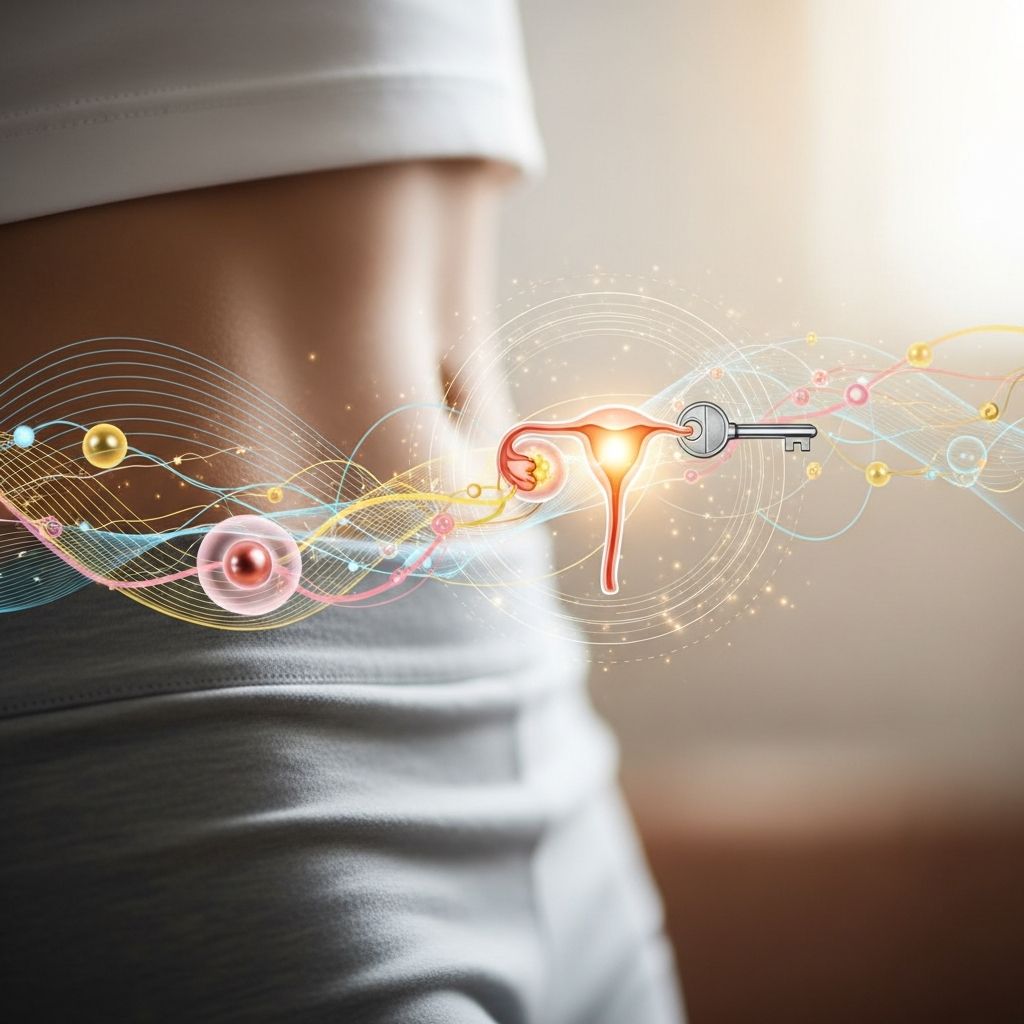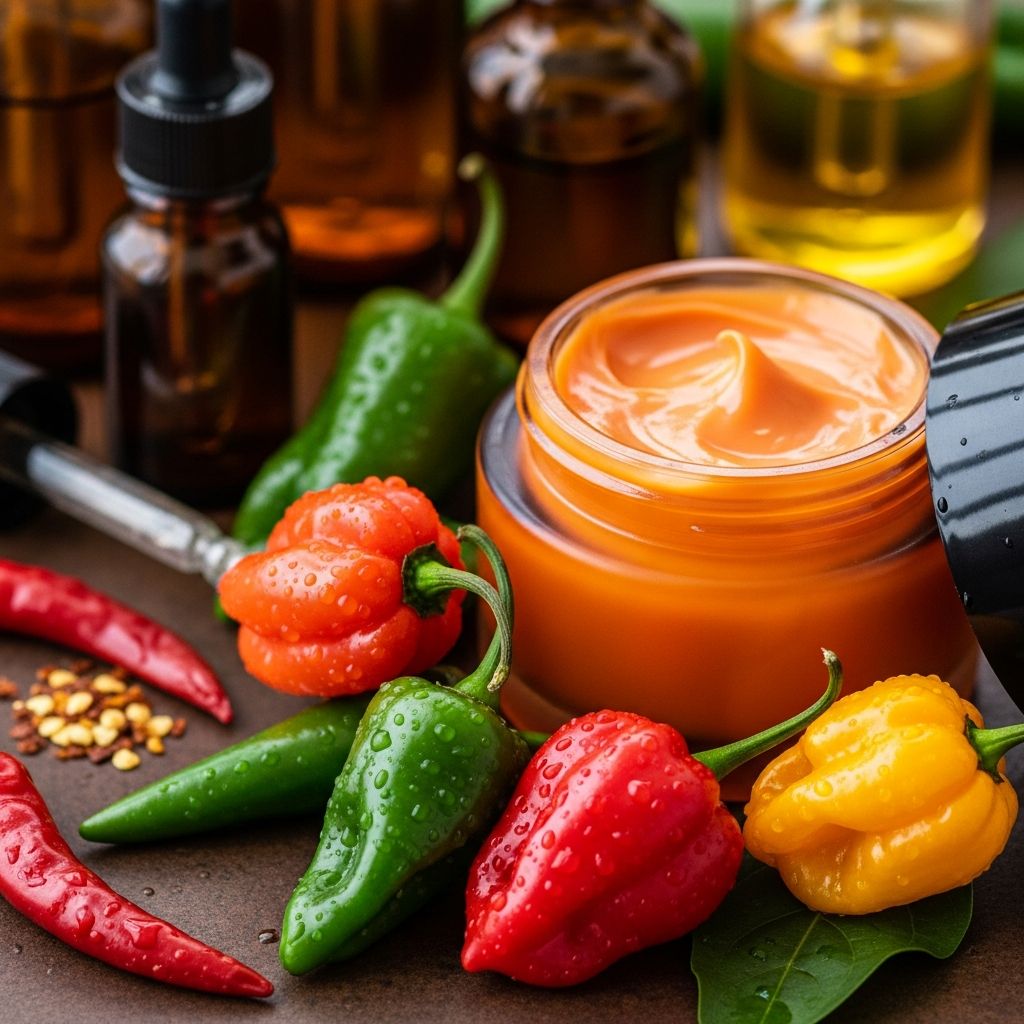
Spice has long tantalized taste buds, but its role in beauty routines is gaining traction. From ancient remedies using chili extracts to modern formulations harnessing capsaicin, spicy elements offer unique skin benefits like enhanced circulation and antioxidant protection. Yet, consuming spicy foods can provoke inflammation in some, leading to redness or breakouts. This article delves into the science, applications, and precautions for incorporating heat into your skincare arsenal.
The Science Behind Spice and Skin Health
Capsaicin, the fiery compound in chili peppers, interacts with skin in profound ways. It activates TRPV1 receptors, triggering a warming sensation that dilates blood vessels and promotes blood flow. This mechanism not only delivers nutrients to skin cells but also stimulates collagen production for firmer, more radiant complexion.
Research highlights capsaicin’s anti-inflammatory properties, which can soothe conditions like eczema by reducing redness and swelling. Lab studies show it scavenges free radicals, acting as an antioxidant to combat environmental damage. Vitamins A and C abundant in peppers further brighten tone and support regeneration.
Dietary Spice: Friend or Foe for Your Complexion?
Not all spice encounters are topical. Eating hot peppers or sauces can influence skin via internal pathways. For many, it boosts metabolism without harm, but sensitive individuals experience flushing as blood vessels expand, mimicking heat responses.
Those prone to rosacea often find spicy meals exacerbate symptoms, causing persistent redness and visible capillaries. Inflammation from capsaicin sensitivity prolongs immune responses, potentially worsening acne or irritation. Digestive upset from spices may indirectly clog pores by increasing oil production post-meal.
- Flushing and Heat: Temporary redness from dilated vessels, common after spicy intake.
- Rosacea Flares: Chronic trigger leading to bumpy, red patches.
- Acne Risk: Excess sebum triggered by glandular activation in oily skin types.
- Capillary Damage: Repeated exposure weakens vessel walls over time.
If your skin reacts poorly, moderation or elimination helps. Track meals against flare-ups to identify personal triggers.
Topical Innovations: Harnessing Capsaicin Safely
Beauty brands are blending spice extracts into products for adventurous users seeking sensory thrills alongside results. Low-dose capsaicin in serums stimulates cell turnover, revealing smoother texture without harsh exfoliants.
Key formulations include:
| Ingredient | Strength | Best For | Key Benefit |
|---|---|---|---|
| Paprika Extract | Mild | Sensitive Skin | Antioxidant glow, gentle warmth |
| Capsicum Extract | Medium | All Types | Circulation boost, even tone |
| Cayenne Extract | High | Targeted Relief | Muscle soothing, collagen support |
| Pure Capsaicin | Potent | Advanced Users | Intense anti-inflammatory action |
Pair with carriers like jojoba oil or aloe to temper heat, ensuring hydration and barrier repair. Examples abound: warming masks detoxify pores, lip plumpers enhance volume temporarily, and night creams promote overnight renewal.
Balancing Benefits and Risks
While promising, spicy topicals demand caution. High concentrations irritate, causing burning or dryness, especially on compromised barriers. Sensitive or rosacea-prone skin should opt for milder extracts like paprika.
Best practices:
- Patch test on inner arm for 24 hours.
- Start with 0.01-0.05% capsaicin dilutions.
- Follow heat with coolants like chamomile serum.
- Consult dermatologists for prescriptions if needed.
For dietary concerns, vitamin K topicals strengthen vessels, mitigating breakage risks from occasional indulgences.
Real-World Applications and User Tips
Incorporate spice thoughtfully into routines. A morning capsicum serum awakens dull skin, while an evening mask preps for repair. Body balms with cayenne ease post-workout tension, blending wellness with beauty.
Consumer feedback praises the ‘wake-up’ tingle for improved absorption of follow-up actives. Those avoiding oral spice report clearer skin after swaps to milder flavors.
Future of Fiery Formulations
Advancements in extraction yield purer, standardized capsaicin, minimizing side effects. Clinical trials explore its role in anti-aging and wound healing, positioning spice as a staple. Brands emphasizing transparency with lab data build trust among cautious buyers.
Frequently Asked Questions
Can spicy food directly cause acne?
Not directly, but it heightens inflammation and oil production in prone individuals, increasing breakout risks. Wash face post-meal to manage excess sebum.
Is capsaicin safe for daily skincare use?
Yes, in low, standardized doses with soothing agents. Avoid if you have open wounds or extreme sensitivity; always patch test.
Does spice help or harm rosacea?
Dietary spice often triggers flares via vessel dilation. Topical low-heat versions may calm inflammation if tolerated.
What spices are skin-friendliest?
Paprika and mild capsicum offer antioxidants without intense burn, ideal for beginners.
Can I make spicy skincare at home?
Dilute chili extracts heavily in carrier oils, but professional products ensure safety and dosing accuracy.
References
- Is Spicy Food Bad For Skin? — babyfacestore.com. 2023. https://babyfacestore.com/blogs/blog/is-spicy-food-bad-for-skin
- How Beauty Brands Can Effectively Incorporate Spicy Hot Sauce Ingredients — zigpoll.com. 2023. http://www.zigpoll.com/content/how-can-a-beauty-brand-effectively-incorporate-spicy-hot-sauce-ingredients-to-create-unique-skincare-products-that-appeal-to-adventurous-customers
- Does Spicy Food Cause Skin Problems — theskimm.com. 2023. https://www.theskimm.com/beauty/skin-care/does-spicy-food-cause-skin-problems
- Spicy Foods And Your Skin — yeildingmd.com. 2023. https://www.yeildingmd.com/uncategorized/spicy-foods-and-your-skin/
- The Science of Capsaicin in Skin Care Products — skintypesolutions.com. 2023. https://skintypesolutions.com/blogs/skincare/the-science-of-capsaicin-in-skin-care