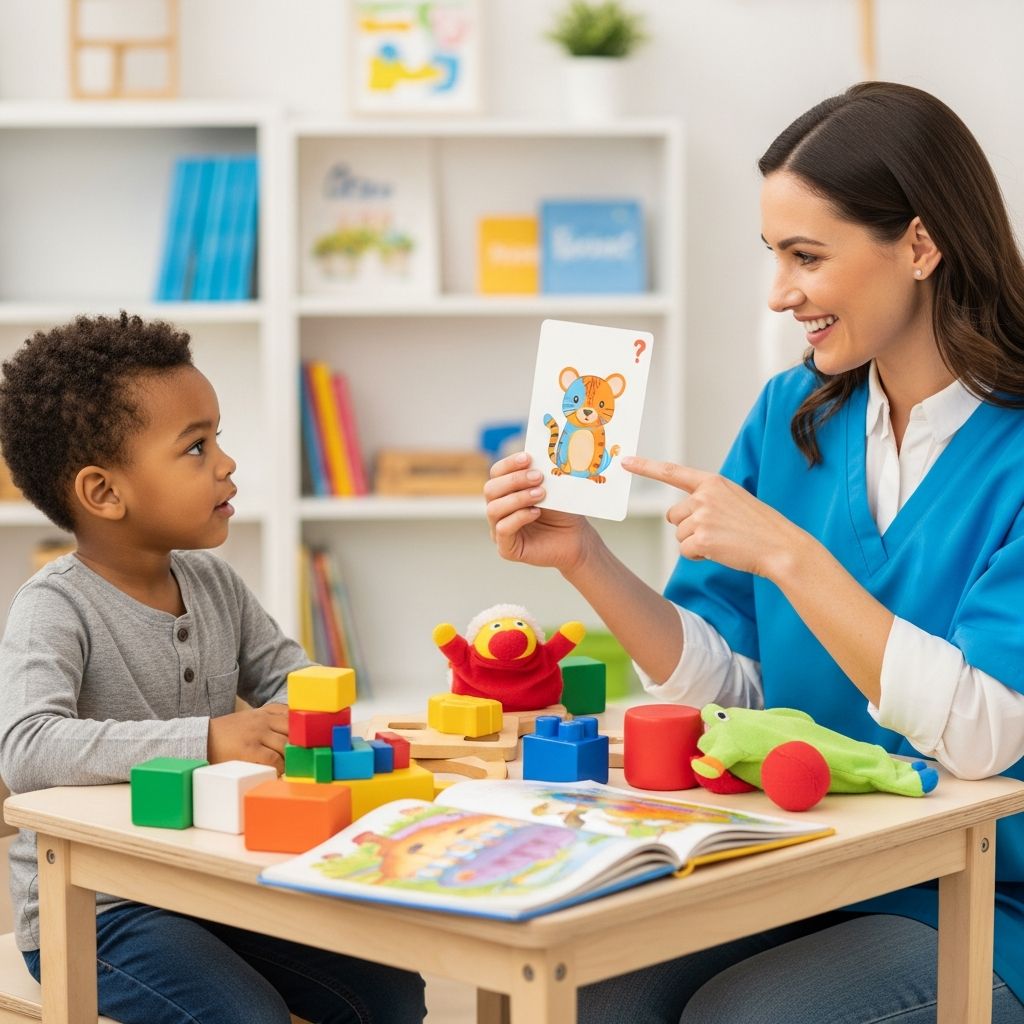
Effective communication forms the foundation of a child’s social, emotional, and academic success. When children face challenges in speaking or understanding language, speech therapy offers targeted interventions to bridge those gaps. This comprehensive guide explores the role of speech therapy, helping parents recognize when it’s needed and how it transforms lives.
Understanding Communication Challenges in Kids
Children develop speech and language at varying paces, but certain hurdles can signal the need for professional help. Articulation issues, where sounds are mispronounced or omitted, make speech hard to understand. Language delays might show as limited vocabulary or trouble forming sentences by age-appropriate milestones. Conditions like autism, hearing loss, or cleft palate often contribute to these problems.
Fluency disorders, such as stuttering, involve repetitions or prolongations that disrupt smooth talking. Swallowing difficulties or weak oral muscles can also play a role, affecting both eating and speaking. Early detection is crucial, as the brain’s rapid growth from birth to age three creates an optimal window for intervention.
- Articulation difficulties: Substituting or distorting sounds, like saying ‘wabbit’ for ‘rabbit’ beyond toddler years.
- Expressive language delays: Struggling to share thoughts or needs verbally.
- Receptive language issues: Difficulty following instructions or comprehending stories.
- Social communication deficits: Challenges reading facial expressions or engaging in back-and-forth play.
Key Indicators That Your Child Needs Support
Parents are often the first to notice subtle signs. By age 2, most children use 50+ words and simple phrases; delays here warrant attention. Watch for frustration during interactions, reliance on gestures over words, or avoidance of conversations. In school-age kids, poor reading readiness or trouble with directions can indicate underlying issues.
| Age Group | Warning Signs | Typical Milestones |
|---|---|---|
| 0-12 months | No babbling, limited eye contact | Coos, responds to name |
| 1-2 years | Fewer than 50 words, no two-word combos | Simple sentences, points to objects |
| 3-5 years | Unintelligible speech, ignores instructions | Clear speech, tells stories |
Behavioral clues like tantrums from unexpressed needs or withdrawal from peers highlight the emotional toll. Trust your observations and consult a pediatrician for referrals.
How Speech Therapy Delivers Results
Speech-language pathologists (SLPs) are highly trained experts who assess and treat these issues through personalized plans. Initial evaluations include observing play, standardized tests, and parent interviews to pinpoint strengths and needs. Therapy sessions, typically 30-60 minutes weekly, use engaging activities tailored to the child’s age and interests.
Play-based approaches dominate, incorporating games, books, and toys to practice sounds and words naturally. For motor challenges like apraxia, tactile cues guide mouth movements. Visual aids, mirrors, and recordings enhance brain-body connections. Breathing exercises improve fluency, while language stimulation builds vocabulary through repetition and praise.
Proven Techniques in Action
- Sound imitation drills for clear pronunciation.
- Picture exchange systems for non-verbal kids.
- Social scripts to boost peer interactions.
- Augmentative tools like sign language or apps for complex cases.
Transformative Benefits Across Development
Speech therapy yields measurable gains in communication, academics, and well-being. Children gain intelligible speech, making them understood by family and strangers alike. Enhanced language comprehension aids following multi-step directions and grasping classroom lessons.
Socially, therapy fosters turn-taking, empathy recognition, and friendship-building skills, vital for kids with autism. Academically, it strengthens phonological awareness, key for reading success. Beyond words, improvements in swallowing safety and vocal quality prevent health issues.
Long-term perks include higher self-esteem from confident expression, greater independence, and better quality of life. Early starters often catch up fully, avoiding lasting academic or behavioral struggles.
Core Benefits at a Glance
| Area | Improvement |
|---|---|
| Communication | Clearer speech, expanded vocabulary |
| Social | Better peer engagement, emotional expression |
| Academic | Enhanced reading, problem-solving |
| Emotional | Reduced frustration, boosted confidence |
Special Focus: Speech Therapy and Autism
For children on the autism spectrum, therapy addresses unique hurdles like echolalia—repeating phrases without meaning—or aversion to eye contact. SLPs teach functional language, linking words to gestures and context. Sessions break down conversations into listening, processing, and responding steps.
Benefits amplify with early start: improved social awareness, relationship formation, and daily independence. Customized plans incorporate the child’s interests, making sessions motivating and effective.
The Power of Early Intervention
Delaying therapy risks missing the brain’s plasticity peak before age three. Prompt action leads to fluent speech, school readiness, and pre-literacy skills. Studies affirm that toddlers receiving therapy show superior language gains and confidence.
Parents monitoring milestones proactively ensure timely support, setting kids up for thriving interactions and learning.
Parent Involvement: Your Vital Role
Therapy succeeds most when parents reinforce skills at home. SLPs provide strategies like narrating daily routines, reading interactively, and modeling clear speech. Consistent practice turns sessions into lasting habits.
- Expand utterances: If child says ‘ball,’ reply ‘Big red ball!’
- Use gestures alongside words.
- Create language-rich environments with songs and books.
- Limit screen time; prioritize real conversations.
Collaborate with teachers and therapists for holistic progress tracking. Celebrate small wins to build motivation.
What Sessions Look Like: A Parent’s View
Expect fun, child-led activities in welcoming settings—clinics, schools, or homes. Progress varies: some see quick sound fixes, others gradual language blooms. Duration depends on severity, often 6-12 months with home practice.
Group sessions build social skills, while individual ones target specifics. Technology like apps supplements traditional methods.
Overcoming Common Concerns
Worries about therapy intensity or stigma are common, but flexible scheduling and teletherapy options ease access. Costs vary by insurance; many schools offer free services. Results are evidence-based, with high success rates.
Drawbacks are minimal—occasional fatigue—but far outweighed by gains in independence and joy.
Frequently Asked Questions (FAQs)
How do I know if my child needs speech therapy?
Signs include delayed milestones, unintelligible speech past age 3, or social withdrawal. Consult a pediatrician for evaluation.
At what age should therapy start?
Birth to age 3 is ideal for rapid brain development, but benefits apply at any age.
How long does speech therapy take?
Varies by needs; many see progress in months with consistent effort.
Can parents do therapy at home?
SLP-guided home activities complement professional sessions effectively.
Does insurance cover speech therapy?
Often yes, especially for diagnosed delays; check Early Intervention programs.
Steps to Get Started Today
1. Track milestones and discuss concerns with your doctor.
2. Request an SLP evaluation.
3. Commit to the personalized plan.
4. Practice daily and monitor growth.
5. Celebrate achievements together.
Empowering your child starts with action. Speech therapy isn’t just treatment—it’s a gateway to confident expression and boundless potential.
References
- Outcomes, Benefits and Drawbacks of Speech Therapy — PRN Texas. Accessed 2026. https://prntexas.org/outcomes-benefits-and-drawbacks-of-speech-therapy/
- Advantages of Speech Therapy — The Therapy Place NJ. Accessed 2026. https://www.therapyplacenj.com/advantages-of-speech-therapy/
- Benefits of Speech Therapy for Children with Autism — Arizona Autism United. Accessed 2026. https://azaunited.org/blog/benefits-of-speech-therapy-for-children-with-autism
- 5 Benefits of Speech Therapy — Julie Billiart School. 2023-09-06. https://www.juliebilliartschool.org/the-latest/blog/2023/09/06/5-benefits-of-speech-therapy
- Speech Therapy for Kids: When to Start and What to Expect — GHS Hospital. Accessed 2026. https://ghshospital.org/blog/speech-therapy-for-kids/
- Speech-Language Therapy — Nemours KidsHealth. Accessed 2026. https://kidshealth.org/en/parents/speech-therapy.html
- In brief: What is speech therapy? — NCBI, InformedHealth.org (NIH). Accessed 2026. https://www.ncbi.nlm.nih.gov/books/NBK561506/