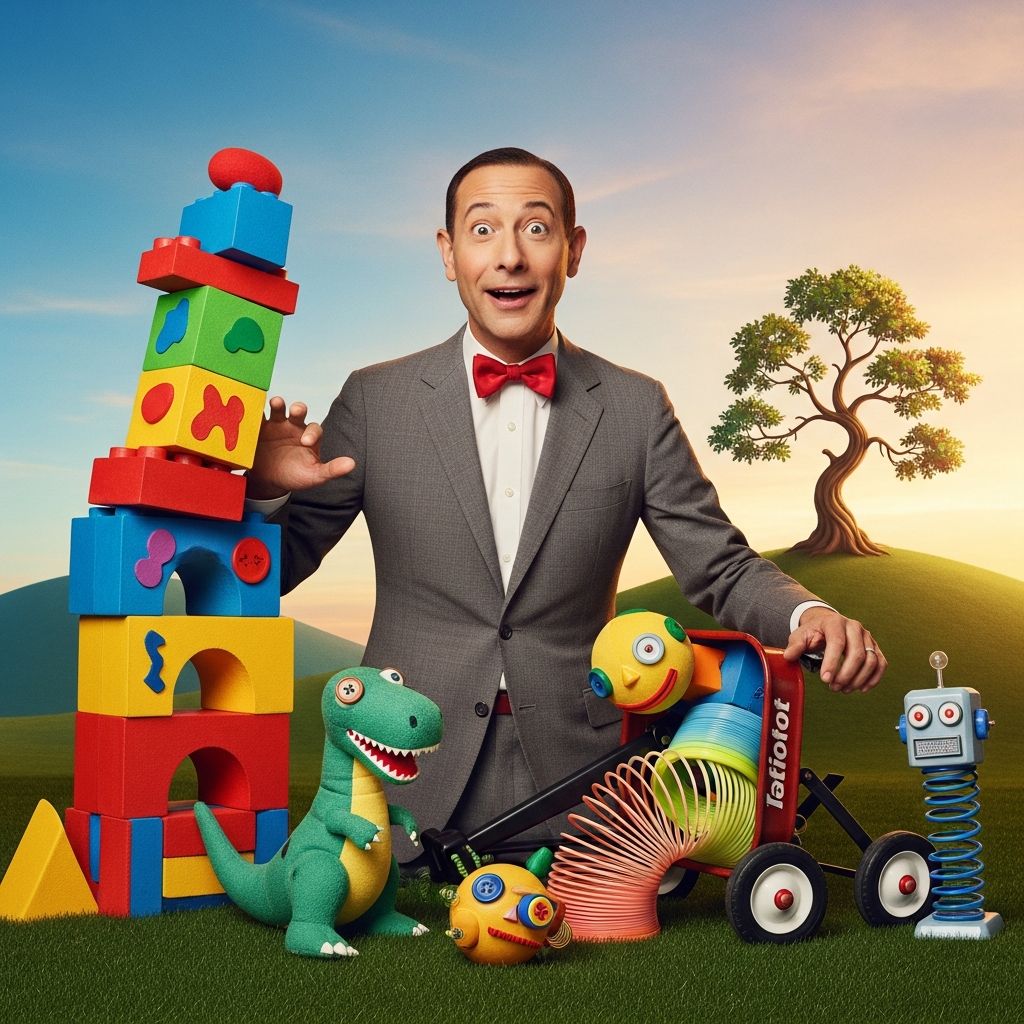
Speech therapy can transform a child’s ability to communicate, connect, and learn by strengthening the skills needed for understanding and using language, producing clear sounds, and engaging with others in everyday situations.
What Speech Therapy Really Is
Speech therapy is a specialized health service that focuses on how children understand language, use words and sentences, form speech sounds, and interact socially with others.
The professionals who provide this care are called speech-language pathologists (SLPs), and they evaluate and treat a wide range of communication and feeding challenges in babies, children, and teens.
- SLPs work on both speech (how we say sounds and words) and language (what words mean and how we put them together).
- They also support social communication, fluency (stuttering), voice quality, and in many cases, feeding and swallowing skills.
- Therapy is usually delivered through play, conversation, and meaningful activities tailored to a child’s age and interests.
Common Reasons Children Need Speech Support
Many children benefit from speech therapy at some point, and the reasons can be very different from one child to another. Some needs are obvious, such as a child who is very hard to understand, while others show up as subtle learning or social difficulties.
Children may be referred to speech therapy when they have:
- Delays in starting to talk or using fewer words and phrases than expected for their age.
- Difficulty pronouncing sounds or being understood by people outside the family.
- Trouble following directions, answering questions, or understanding what others say.
- Challenges with social communication, like taking turns in conversation, staying on topic, or reading facial expressions.
- Stuttering or interruptions in the smooth flow of speech.
- Voice problems such as chronic hoarseness or unusual pitch.
- Feeding and swallowing difficulties that make eating and drinking unsafe or stressful.
These challenges can appear on their own or alongside other differences, such as hearing loss, developmental delays, autism, or medical conditions that affect the mouth, throat, or brain.
How Speech Therapy Helps Children Grow
Speech therapy does much more than teach isolated sounds; it helps children build a foundation for learning, friendships, and independence. As communication improves, children often feel less frustrated, more confident, and better able to participate at home and at school.
- Improved understanding: Children learn to follow directions, grasp new vocabulary, and make sense of questions and stories.
- Clearer speech: Practicing specific sounds and word patterns makes a child easier to understand in everyday conversations.
- Stronger language skills: Children develop longer sentences, more precise grammar, and richer ways to express thoughts and feelings.
- Better social connections: Therapy supports turn-taking, eye contact, and conversational skills so children can build friendships.
- Academic readiness: Early work on listening, memory, and language helps children prepare for reading, writing, and classroom learning.
The Power of Early Intervention
The first years of life are a particularly important time for speech and language development because the brain is rapidly forming new connections that support communication. When therapy begins early, children often make faster and more lasting progress.
Early intervention does not mean a child will always need long-term therapy; in many cases, it helps resolve milder delays before they become bigger barriers to school, social life, or self-esteem.
What Happens During a Speech Therapy Evaluation
Before therapy begins, the SLP carries out a comprehensive evaluation to understand a child’s strengths and needs. This process typically includes both structured tests and informal observations.
Key Parts of the Evaluation
- Talking with parents or caregivers about developmental history, medical background, behavior, and school performance.
- Observing how the child plays, communicates, and interacts with familiar adults or siblings.
- Using age-appropriate tasks to check understanding of words, grammar, and concepts.
- Listening carefully to speech sounds, rhythm, and fluency during conversation and specific word lists.
- Examining the muscles of the lips, tongue, and jaw and, when relevant, how the child chews and swallows.
After the evaluation, the SLP explains the results in everyday language and works with the family to set realistic goals that address the concerns most important to the child’s daily life.
Inside a Typical Speech Therapy Session
Sessions look very different from child to child, but most combine play-based activities, direct teaching, and guided practice. The goal is to make learning engaging while still being structured and purposeful.
Common Therapy Activities
- Using toys, games, and books to model new words and sentence patterns.
- Practicing tricky sounds in isolation, then in syllables, words, phrases, and conversations.
- Role-playing everyday situations such as ordering food, asking for help, or joining a game.
- Playing turn-taking board games to build conversation skills and patience.
- Using pictures, gestures, or communication devices when a child needs alternative ways to express themselves.
An SLP constantly adjusts the difficulty level, offering support when a task is challenging and gradually encouraging more independence as a child becomes more confident.
Goals of Pediatric Speech Therapy
Clear goals help everyone track progress and keep therapy focused on the skills that matter most in real life. Goals may be short-term, such as pronouncing a particular sound, or long-term, like holding a back-and-forth conversation with peers.
| Area | Possible Goal |
|---|---|
| Speech sounds | The child produces a previously difficult sound correctly in conversation most of the time. |
| Understanding language | The child follows two-step directions during play or daily routines. |
| Expressive language | The child uses short sentences to describe what happened at school. |
| Social communication | The child greets peers, takes turns speaking, and stays on topic during brief conversations. |
| Fluency | The child uses learned strategies to reduce tension and stuttering in everyday speaking situations. |
How Families Can Support Progress at Home
What happens between therapy sessions is just as important as what happens in the clinic or school. When parents and caregivers practice communication skills in natural routines, children have many more chances to learn and succeed.
- Set aside a few minutes each day to practice activities recommended by the SLP, such as specific words, sounds, or games.
- Talk throughout daily routines—mealtime, bath time, grocery shopping—using simple, clear language and pointing out new vocabulary.
- Pause after asking questions or making comments so the child has time to respond.
- Model the correct way to say a word instead of pressuring the child to repeat it perfectly every time.
- Celebrate small successes to keep motivation high and reduce frustration.
Working With Schools and Other Professionals
Many children receive speech therapy in school as part of special education services, while others see an SLP in a clinic, hospital, or private practice. In some cases, children benefit from both school-based and community-based support.
Good communication among parents, teachers, doctors, and therapists ensures that everyone works toward shared goals and uses similar strategies, which creates a more consistent experience for the child.
Questions to Ask a Speech-Language Pathologist
Parents play a central role in the therapy process, and asking thoughtful questions can make it easier to understand and support a child’s plan of care.
- What are my child’s main strengths and areas of need?
- Which goals are you prioritizing, and why?
- How will you measure progress over time?
- What activities can we do at home to reinforce what happens in therapy?
- How often do you recommend sessions, and for how long?
Myths and Facts About Speech Therapy
Misunderstandings about speech therapy can delay treatment or create unnecessary worry. Clearing up common myths helps families make informed decisions.
- Myth: Children will outgrow all speech and language problems without help.
Fact: Some children catch up on their own, but persistent difficulties often require targeted intervention. - Myth: Speech therapy is only about correcting sounds.
Fact: Therapy also addresses understanding, grammar, social skills, fluency, and voice. - Myth: Using gestures or communication devices will stop a child from talking.
Fact: Alternative communication often supports spoken language by reducing frustration and giving children more ways to express themselves.
Frequently Asked Questions (FAQs)
How do I know if my child needs speech therapy?
It may be time to seek an evaluation if your child is significantly behind peers in talking, is hard for others to understand, struggles to follow directions, or becomes very frustrated when trying to communicate. A pediatrician, teacher, or early intervention program can help you decide whether to contact an SLP for a formal assessment.
At what age can speech therapy begin?
Speech and language support can begin in infancy when concerns such as hearing loss, feeding issues, or very limited responses to sound and voice are present. More structured speech and language activities often start in the toddler and preschool years, but older children and teens can also make meaningful progress when therapy targets their specific needs.
How long does speech therapy usually last?
The length of therapy varies widely and depends on the nature and severity of the difficulty, how often sessions occur, and how much practice happens at home and school. Some children attend therapy for a few months to address a focused goal, while others benefit from ongoing support over several years as communication demands increase with age.
Is speech therapy covered by insurance or provided free through schools?
Coverage depends on local policies, insurance plans, and a child’s eligibility for public programs. Many school systems provide speech therapy at no cost when communication needs affect educational performance, and medical insurance may cover services viewed as medically necessary. Families can contact their school district, early intervention programs, or insurance provider for specific information.
What if my child is shy or reluctant to talk in therapy?
SLPs are trained to build trust and use child-friendly activities that reduce pressure and invite participation. Therapy might begin with play, shared books, or nonverbal communication and gradually progress to more talking as the child feels safer and more confident.
Helping Your Child Find Their Voice
Speech therapy is ultimately about giving children the tools to share who they are with the world—to ask questions, build friendships, succeed in school, and express their unique thoughts and feelings. When families, therapists, and educators work together, children are better able to overcome communication challenges and move toward a future filled with connection and possibility.