Why Sports Are More Than Just Games
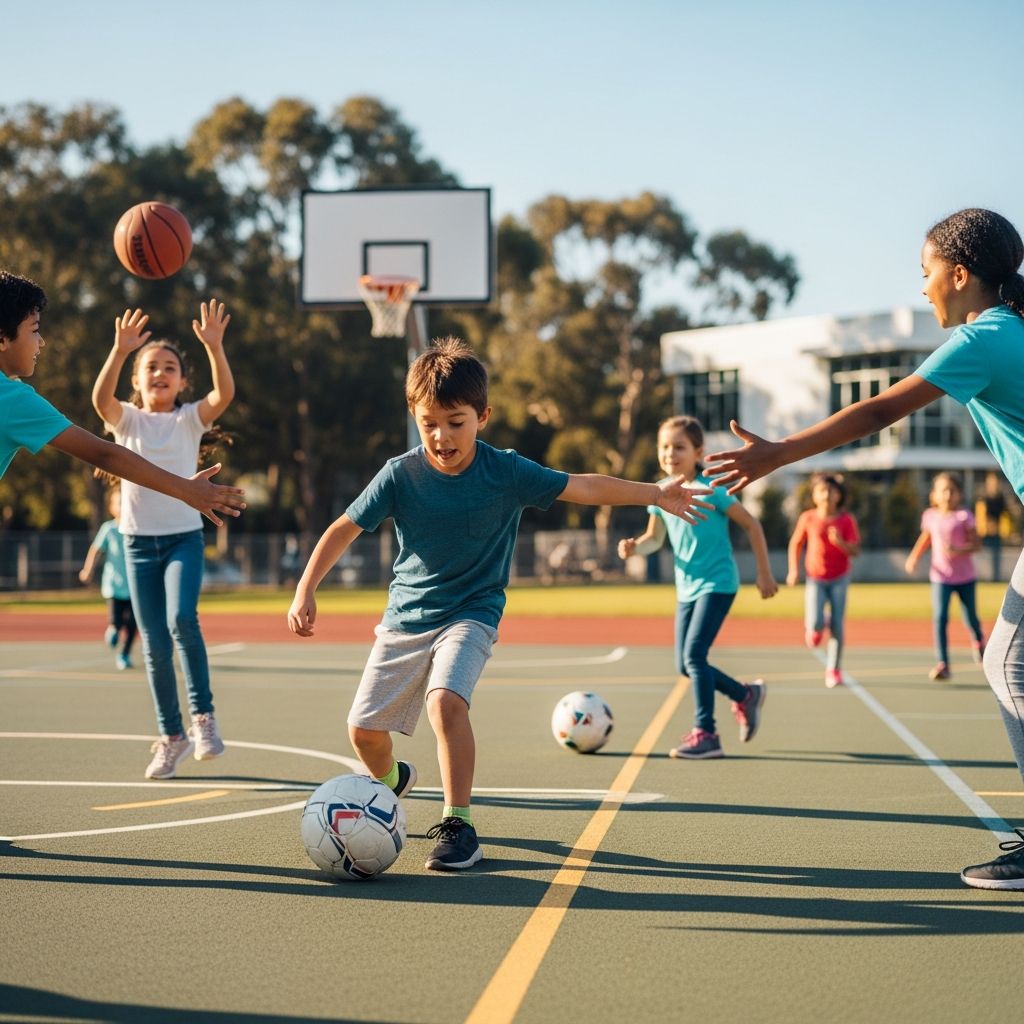
Sports are often seen as a way to stay active, have fun, and maybe win a trophy. But for parents, they’re something deeper: a living classroom where kids learn how to handle pressure, deal with disappointment, and grow into capable, grounded adults. The real value isn’t in the final score—it’s in the daily grind, the missed shots, the tough losses, and the quiet moments of effort when no one is watching.
When children play sports, they’re not just building muscles and coordination. They’re building character. They’re learning how to show up when they don’t feel like it, how to support teammates even when they’re frustrated, and how to keep going when things don’t go their way. These aren’t just athletic skills—they’re life skills.
Turning the Field Into a Classroom
Think of sports as a structured environment where kids face real challenges in a safe, guided way. Unlike classroom learning, which is often abstract, sports deliver immediate feedback. If you don’t practice, you’ll notice. If you don’t communicate, the team suffers. If you give up, the game moves on without you.
This makes sports a powerful tool for teaching:
- Responsibility – Showing up on time, following rules, and taking care of equipment.
- Discipline – Practicing consistently, even when it’s boring or hard.
- Emotional regulation – Managing frustration, excitement, and disappointment in real time.
- Problem-solving – Adjusting to opponents, changing strategies, and adapting to new situations.
Parents don’t need to be coaches to use sports this way. What matters is how we talk about the experience. Instead of focusing only on wins and losses, we can highlight effort, attitude, and growth.
Resilience: The Most Important Skill Sports Teach
Resilience is the ability to bounce back from setbacks, and sports are one of the best places to develop it. In life, kids will face rejection, failure, and uncertainty. Sports give them early, manageable experiences with these feelings so they can build coping strategies before facing bigger challenges.
Here’s how sports build resilience:
- Normalizing failure – Missing a shot, losing a game, or sitting on the bench teaches kids that failure is part of progress, not the end of it.
- Building mental toughness – Pushing through fatigue, playing through minor injuries, and staying focused under pressure strengthens mental endurance.
- Learning from mistakes – A missed pass or a poor decision becomes a lesson, not a reason to quit.
- Developing a growth mindset – Kids learn that ability improves with effort, not just talent.
Parents can reinforce this by asking questions like:
- “What did you learn from that game?”
- “What would you do differently next time?”
- “What part of your game are you most proud of, even if you didn’t win?”
These questions shift the focus from outcome to process, which is where real growth happens.
Teamwork and Belonging: Learning to Be Part of Something Bigger
Team sports teach kids that success isn’t always about individual brilliance. Sometimes, it’s about passing the ball, covering for a teammate, or staying positive when things go wrong. These experiences build a sense of belonging and teach kids how to function in groups—a skill they’ll use in school, work, and relationships.
Key lessons from teamwork include:
- Communication – Learning to talk to teammates, listen to coaches, and give constructive feedback.
- Trust – Relying on others and being someone others can rely on.
- Conflict resolution – Navigating disagreements, jealousy, or frustration in a healthy way.
- Shared responsibility – Understanding that everyone has a role and that the team only succeeds when everyone contributes.
Even in individual sports like swimming, gymnastics, or track, kids still learn teamwork by being part of a team environment, supporting others, and representing their group.
Handling Pressure and Expectations
Sports naturally create pressure—pressure to perform, to win, to meet expectations. For kids, this can be overwhelming, especially if adults focus too much on results. But when handled well, this pressure becomes a training ground for handling stress in academics, social situations, and future careers.
Parents can help by:
- Keeping expectations realistic – Emphasizing effort and improvement over rankings or trophies.
- Modeling calm reactions – Staying composed after a loss or a mistake teaches kids how to manage their own emotions.
- Separating performance from worth – Making it clear that a bad game doesn’t make them a bad person.
- Teaching pre-game routines – Simple habits like deep breathing, visualization, or a consistent warm-up can reduce anxiety.
When kids learn to perform under pressure in sports, they’re better prepared to handle exams, job interviews, and other high-stakes moments later in life.
Integrity and Sportsmanship: Playing the Right Way
One of the most valuable lessons sports can teach is integrity—doing the right thing even when no one is watching. This shows up in how kids treat opponents, referees, teammates, and themselves.
Good sportsmanship includes:
- Respecting rules and authority – Accepting calls, even when they seem unfair.
- Being gracious in victory and defeat – Congratulating opponents and handling losses with dignity.
- Playing fair – Avoiding cheating, trash talk, or unsportsmanlike behavior.
- Taking responsibility – Owning mistakes instead of blaming others.
Parents play a crucial role here. Kids notice how adults react to referees, opponents, and results. If parents yell at officials or obsess over winning, kids learn that results matter more than character. If parents emphasize respect and fairness, kids internalize those values.
Goal Setting and Long-Term Thinking
Sports naturally lend themselves to goal setting. Whether it’s improving a free-throw percentage, making the starting lineup, or qualifying for a championship, goals give kids something to work toward.
Effective goal setting in sports teaches:
- Short-term vs. long-term goals – Daily practice habits support bigger seasonal or yearly objectives.
- Process over outcome – Focusing on controllable actions (effort, attitude, preparation) rather than uncontrollable results (winning, playing time).
- Adjusting goals – Learning to revise goals when injuries, setbacks, or changing circumstances occur.
- Tracking progress – Using journals, charts, or conversations to see how far they’ve come.
These skills transfer directly to academics, careers, and personal development. A child who learns to set and pursue sports goals is more likely to set and pursue goals in other areas of life.
How Parents Can Turn Sports Into Life Lessons
Parents don’t need to give long speeches or be former athletes to make sports meaningful. Small, consistent actions can turn games and practices into powerful teaching moments.
1. Focus on Effort, Not Just Results
Instead of asking, “Did you win?” try asking:
- “Did you give your best effort?”
- “What did you do well today?”
- “What’s one thing you want to work on next time?”
2. Use Real Moments as Teaching Opportunities
After a tough loss or a heated moment in a game, use it as a chance to talk about:
- Handling disappointment
- Staying composed under pressure
- Learning from mistakes
- Supporting teammates
3. Model the Behavior You Want to See
Kids watch how adults react. If parents stay calm, respectful, and positive, kids are more likely to do the same. If parents yell at referees or obsess over winning, kids learn that winning is everything.
4. Balance Sports with Other Priorities
Sports are valuable, but they shouldn’t dominate a child’s life. Make sure there’s time for:
- Family
- Academics
- Free play and downtime
- Other interests and hobbies
5. Know When to Step Back
If a sport is causing constant stress, anxiety, or conflict, it may be time to reassess. The goal is to build confidence and resilience, not burnout. Sometimes, switching teams, taking a break, or trying a different sport is the healthiest choice.
What to Do When Sports Stop
For most kids, organized sports eventually end—whether due to age, interest, or ability. But the lessons don’t have to end with the final whistle.
Parents can help kids carry those lessons forward by:
- Reflecting on what sports taught them
- Applying those skills to new challenges (school, work, relationships)
- Staying physically active in other ways (recreational sports, fitness, outdoor activities)
- Remembering that effort, discipline, and teamwork matter in every area of life
The habits and mindset built through sports can serve kids long after they hang up their cleats or jerseys.
Common Parenting Mistakes in Youth Sports
Even well-meaning parents can unintentionally undermine the positive lessons of sports. Common pitfalls include:
| Mistake | Better Approach |
|---|---|
| Overemphasizing winning | Focus on effort, improvement, and sportsmanship |
| Comparing kids to others | Compare each child to their own past performance |
| Yelling at officials or opponents | Model respect and calm behavior |
| Pushing too hard | Let the child’s interest and enjoyment guide involvement |
| Ignoring emotional needs | Talk about feelings, fears, and frustrations |
Avoiding these mistakes helps ensure that sports remain a positive, character-building experience.
Frequently Asked Questions
How can I help my child handle losing?
Normalize losing as part of learning. Talk about what they can control (effort, attitude, preparation) and what they can’t (the final score, referees’ calls). Praise how they responded to the loss, not just the result.
What if my child isn’t very talented but loves the sport?
Focus on enjoyment, effort, and personal growth. Many kids benefit more from the social and emotional aspects of sports than from elite performance. If they’re having fun and learning, that’s a win.
How much should parents be involved?
Be supportive, not controlling. Attend games, encourage practice, and talk about the experience, but let coaches coach and let kids own their performance. Avoid over-scheduling or turning sports into a family obsession.
When should a child quit a sport?
If they’re consistently unhappy, anxious, or injured, it may be time to step back. Quitting isn’t failure—it’s a mature decision. Use it as a chance to talk about why they’re stepping away and what they learned.
Can individual sports teach the same lessons as team sports?
Absolutely. Individual sports build discipline, self-reliance, and mental toughness. They also teach kids how to manage pressure, set goals, and handle both success and failure on their own.
Final Thoughts: Sports as a Foundation for Life
Sports are more than a pastime. They’re a powerful way to prepare kids for the challenges of adulthood. Through sports, children learn how to work hard, bounce back from setbacks, cooperate with others, and act with integrity.
As parents, our job isn’t to create champions. It’s to raise resilient, responsible, and kind people. Sports give us a unique opportunity to do that—not by obsessing over wins, but by using every practice, every game, and every moment as a chance to build character.
When we focus on the lessons behind the scoreboard, we help our kids win in ways that matter far beyond the field.
References
- Youth Sports: Promoting Positive Youth Development — American Academy of Pediatrics. 2021. https://publications.aap.org/pediatrics/article/147/6/e2021051712/185509/Youth-Sports-Promoting-Positive-Youth-Development
- Physical Activity Guidelines for Americans, 2nd edition — U.S. Department of Health and Human Services. 2018. https://health.gov/our-work/physical-activity/current-guidelines
- Sports and Youth Development: Building Character and Life Skills — Aspen Institute Project Play. 2020. https://www.aspeninstitute.org/publications/sports-youth-development-building-character-life-skills/