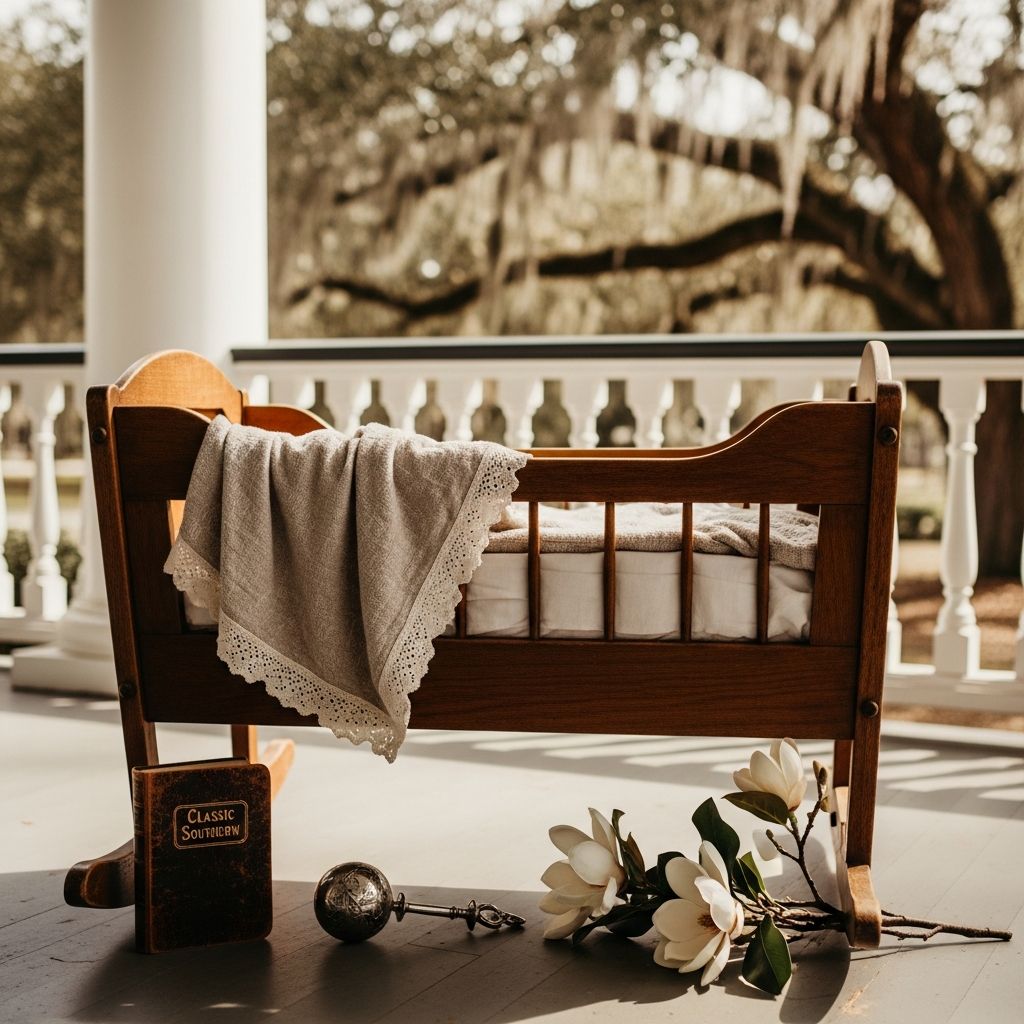
Understanding the Southern Naming Tradition
The South has cultivated a distinctive approach to naming children that reflects its rich cultural heritage, agrarian roots, and commitment to family legacy. Southern baby names carry with them a sense of history, often evoking images of magnolia blossoms, front-porch hospitality, and generations of family gatherings. These names transcend mere identification; they represent a connection to place, ancestry, and values that have defined Southern communities for centuries.
What makes Southern naming conventions unique is their emphasis on combining traditional elements with personal creativity. Parents in the region frequently employ double names, hyphenated combinations, and nature-inspired selections that create distinctive identities while honoring established naming patterns. The result is a naming tradition that feels simultaneously timeless and fresh, allowing families to celebrate their heritage while embracing contemporary sensibilities.
Floral and Nature-Inspired Selections
Among the most recognizable characteristics of Southern baby naming is the prevalence of botanical influences. Natural imagery permeates the South’s landscape, and parents frequently draw inspiration from the region’s flora when selecting names for their children. These nature-based choices carry inherent elegance while maintaining accessibility and broad appeal.
Flower-derived names represent one of the most enduring categories within Southern nomenclature. Names like Magnolia—the iconic Southern bloom that evokes sophistication and regional pride—have experienced renewed popularity among contemporary parents. Similarly, Rose, Iris, Lily, and Daisy offer timeless femininity with understated grace. These botanical selections work particularly well as standalone names or as components in double-name constructions.
Beyond traditional flowers, nature names have expanded to include tree species and plant varieties that carry distinctly regional associations. Juniper, for instance, combines earthy appeal with modern sensibility, while Maple evokes cozy autumnal imagery and pastoral charm. Hazel brings vintage character with associations of wisdom and natural beauty, making it suitable for parents seeking something familiar yet distinctive. Even bird-inspired names like Wren and Birdie have gained traction, offering whimsical charm alongside practical pronunciation and spelling ease.
Double Names and Compound Constructions
One of the most distinctive features of Southern naming culture is the widespread adoption of double names—a convention that transforms single names into elaborate, lyrical combinations. These compound constructions serve multiple purposes: they honor family members, create distinctive identities, and produce melodic resonance that feels distinctly regional.
Double names function as both a practical and aesthetic choice within Southern tradition. A girl named Sarah Jane, for example, creates a rhythmic quality while evoking small-town Americana and traditional gender expression. Similarly, Emma Leigh combines two established names into something that sounds both classic and contemporary. These combinations often follow specific patterns: a longer first name paired with a shorter middle name, or vice versa, creating natural flow and balance.
The appeal of double names extends beyond aesthetics. They provide flexibility in how children present themselves as they mature—a girl named Ella Kate might answer to Ella in professional settings or Kate among close friends. This versatility, combined with the names’ inherent charm, explains their enduring popularity across generations. Contemporary parents continue this tradition while sometimes adapting it, mixing vintage names with more modern selections to achieve desired balance.
Vintage and Retro Naming Revivals
Southern naming conventions have long maintained connections to earlier eras, and recent years have seen deliberate revivals of vintage nomenclature. Names that had largely faded from common use—Mabel, Nellie, Ida, and Dorothy—are experiencing renaissance moments as parents deliberately seek authenticity and historical connection.
These vintage selections appeal to contemporary sensibilities for several reasons. They offer distinctiveness in an era where many popular names appear ubiquitous, they connect children to family history and ancestry, and they carry inherent character that feels substantive and grounded. Dorothy, for instance, brings Wizard of Oz nostalgia alongside genuine old-school charm. Josephine combines vintage flair with literary associations through Little Women, while Frances offers dependable, unpretentious appeal.
Male vintage selections include similar revival patterns. Names like Jackson, drawing from legendary Mississippi heritage and Johnny Cash associations, blend historical significance with contemporary usability. Walker, inspired by the Texas Ranger legacy, offers rugged charm alongside modern sensibility. These selections represent deliberate choices to honor the past while creating distinctive identities for the next generation.
State and Place-Based Nomenclature
Geographic names hold special significance within Southern naming traditions, reflecting regional pride and deep community connections. Parents frequently select names derived from Southern states, cities, and landmarks, creating direct connections between personal identity and geographic heritage.
Georgia serves as both a state name and traditional given name, offering versatility and regional resonance. Virginia provides similar functionality, lending itself to cute nicknames like Ginny, Gina, or Gigi while maintaining elegant sophistication. Tennessee represents a bolder geographic choice, popularized through associations with cultural figures and regional significance. Jackson draws from the historic Mississippi city immortalized in American music, while Memphis offers urban cool with distinct Southern roots.
Beyond state names, community-based selections like Carolina, Dallas, and Austin create connections to specific locales while functioning as accessible given names. These geographic selections work particularly well for families with deep regional ties or those seeking meaningful connections to Southern heritage.
Literary and Cultural Influences
Southern literature and culture provide rich naming inspiration, particularly through beloved regional authors and iconic characters. These literary connections add depth and meaning to name selections, creating conversations about favorite books and cultural touchstones.
To Kill a Mockingbird has influenced multiple naming choices within Southern tradition. Harper, the surname of the novel’s author, has risen dramatically in popularity over recent decades, becoming a top choice for parents seeking literary resonance. Finch represents another literary option derived from the same iconic novel, offering distinctive character and meaningful association. These selections appeal to educated, culturally engaged parents seeking names with deeper significance than simple aesthetic preference.
Country music has similarly shaped Southern naming conventions. Names associated with legendary artists carry cultural weight and distinctive personality. These musical associations connect names to specific eras, genres, and artistic legacies, making them particularly appealing for parents valuing creative expression and entertainment history.
Royal and Aspirational Nomenclature
A notable trend within contemporary Southern naming involves selections with royal, noble, or aspirational qualities. These names project confidence, distinction, and deliberate positioning within social hierarchies. Names like Duke, reflecting both royal association and connection to the renowned South Carolina university, combine multiple layers of meaning.
This category has expanded significantly in recent years, with parents selecting names like Majesty, Royalty, and similar terms that project power and distinction. These bold choices represent departure from traditional understatement, instead embracing explicit aspiration and confident identity projection. While more prominent in contemporary naming than historical traditions, they reflect evolving approaches to Southern identity and self-presentation.
Modern Adaptations of Traditional Forms
Contemporary parents frequently adapt traditional Southern names, creating modern variations that honor heritage while incorporating contemporary elements. This adaptive approach allows families to maintain connection to tradition while asserting individual identity and contemporary sensibility.
Traditional names receive updated spellings, nickname elevation to primary name status, and creative middle-name pairing that creates entirely new combinations. A conventional name like Margaret might be paired with unexpected middle names, or short forms like Maggie might be registered as the official name, offering casual appeal without sacrificing elegance. This flexibility demonstrates how Southern naming traditions continue evolving while maintaining core elements of regional character.
Regional Popularity and Naming Trends
Despite rapid cultural homogenization, certain names maintain stronger regional preference, remaining particularly popular throughout Southeastern states. National favorites like Olivia and Liam dominate rankings across Southern regions, but particular selections show distinctly regional strength and sustained popularity.
Southeastern naming preferences reflect broader national trends while maintaining distinctive regional character. Names with strong regional associations continue flourishing in their home territories, even as broader popularity metrics shift. This persistence demonstrates how deep-rooted naming traditions persist despite external pressures toward standardization and national uniformity.
Nicknames and Diminutive Forms
Southern culture emphasizes warmth, familiarity, and informality, reflected in widespread use of nicknames and shortened forms. These affectionate diminutives serve important social functions, creating intimacy and demonstrating regional belonging through familiar address patterns.
Popular Southern nicknames include sweet, friendly, and retro selections like Addie, Annie, Gracie, Dolly, and Maggie. These shortened forms feel distinctly regional while remaining accessible and charming. They often appear on birth certificates as official first names, acknowledging their importance to family identity and personal preference. The prevalence of nickname culture within Southern tradition means that many formal names effectively function through their shortened versions, creating dual identity options for growing children.
Gendered Expressions and Evolution
Traditional Southern naming frequently employed distinctly gendered expressions, with clear delineation between masculine and feminine selections. Contemporary trends show increasing fluidity, with parents selecting names traditionally associated with one gender for children of different gender identities, or choosing gender-neutral options altogether.
This evolution reflects broader cultural shifts while maintaining connection to Southern heritage. Names like Harper, once firmly masculine, now function equally well for children of any gender. Similarly, nature-based selections like River, Phoenix, and Quinn offer gender neutrality while maintaining regional appeal. This adaptation demonstrates how Southern naming traditions evolve while preserving core elements of regional character.
Selecting Your Family’s Perfect Southern Name
Choosing a name for your child represents one of parenthood’s most significant decisions. For families drawn to Southern traditions, the process involves balancing heritage preservation with contemporary sensibility, honoring family legacy while creating distinctive individual identity.
Consider your family’s specific connections to Southern heritage. Do you have ancestral roots in particular regions? Are there family names deserving honor through middle-name placement or creative adaptation? Does a particular Southern city, state, or landmark hold special significance? These personal factors should guide selection, ensuring choices feel authentic and meaningful rather than merely fashionable.
Evaluate how your selected names sound together, considering middle names, last names, and potential nicknames. Test how children might introduce themselves, whether names are easily spelled and pronounced, and how they age across childhood, adolescence, and adulthood. Consider both professional contexts and casual settings, ensuring your choice functions successfully across life stages.
Frequently Asked Questions
What makes a name distinctly Southern?
Southern names frequently incorporate nature imagery, utilize double-name constructions, draw from regional geography and literature, and emphasize warmth and familiarity. They often connect to family history, cultural heritage, or regional pride, distinguishing them from nationally neutral selections.
Are Southern baby names practical for families outside the South?
Absolutely. While rooted in regional tradition, Southern names function successfully anywhere. They offer distinctiveness, meaningful heritage connections, and literary or cultural resonance that appeals to diverse families nationwide, regardless of geographic location.
Can I give my child a Southern name while honoring a different family heritage?
Yes. Many contemporary families blend naming traditions, selecting Southern names for their appeal while honoring different cultural backgrounds through middle names, family connections, or creative combinations that reflect multiple heritages.
What’s the difference between traditional and contemporary Southern naming?
Traditional Southern naming emphasizes formal names, double-name constructions, and nature imagery with vintage character. Contemporary approaches adapt these elements, sometimes using nicknames as official names, selecting gender-neutral options, and blending Southern traditions with modern sensibilities.
Are double names necessary for Southern identity?
No. While double names represent iconic Southern tradition, single names with strong regional associations work equally well. Double names offer distinctive character and flexibility, but many families successfully choose Southern-style names without employing this convention.
References
- Popular Names by State — Social Security Administration. Accessed January 2026. https://www.ssa.gov/oact/babynames/state/
- Trending Names in the Southeast USA — Nameberry. https://nameberry.com/blog/southern-baby-names
- 15 Timeless Baby Names Every Southerner Will Love — Country Living. https://www.countryliving.com/life/kids-pets/g69169531/popular-southern-baby-names/