Understanding Your Baby’s Sleep Gear Options
Selecting the right sleep attire for your newborn is one of the many decisions parents face during those early months. Two of the most common options available are swaddles and sleep sacks, each offering distinct advantages and considerations. Understanding the fundamental differences between these two types of infant sleepwear can help you make an informed choice that prioritizes your baby’s safety, comfort, and developmental needs. While both serve the important purpose of keeping your infant warm during sleep, they work in different ways and are appropriate for different stages of development.
What Are Swaddles and How Do They Work?
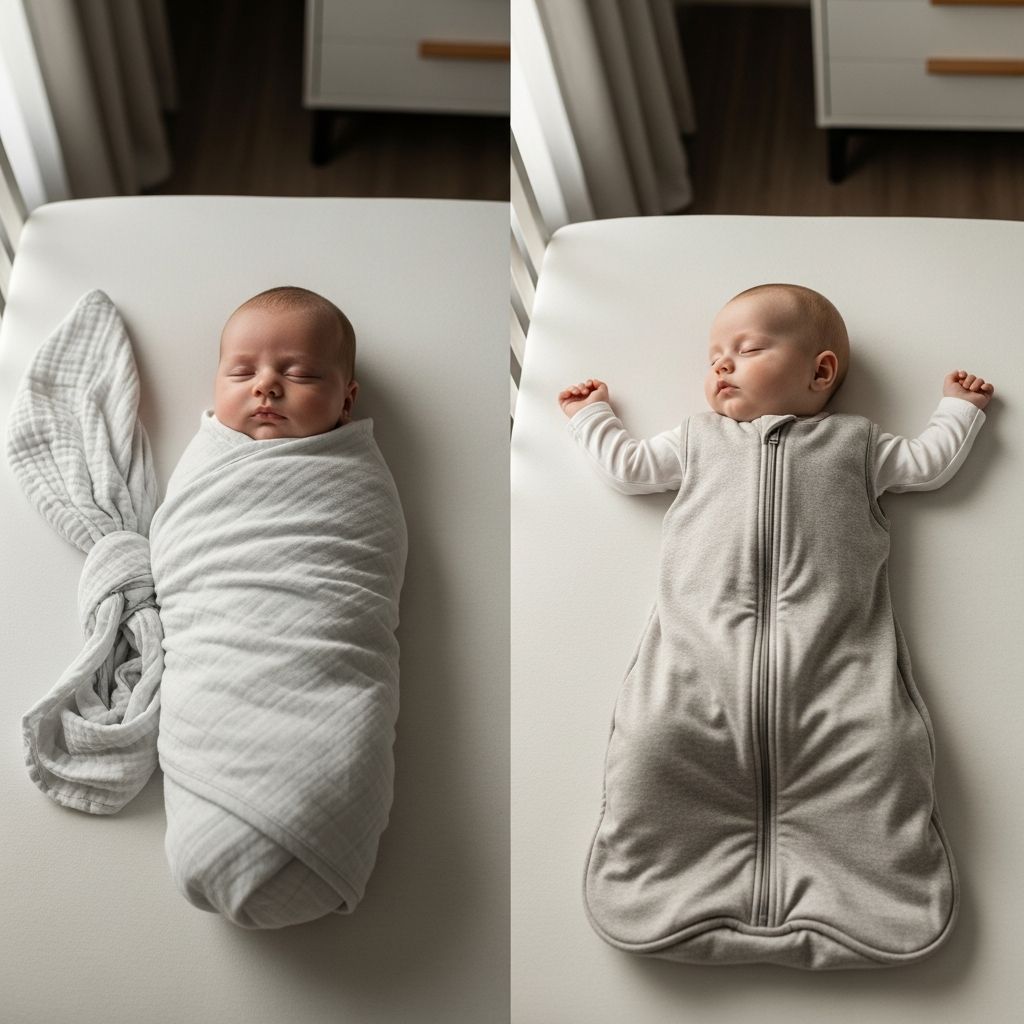
A swaddle is a lightweight blanket or pre-designed wrap that is used to securely envelop a baby’s body, keeping their arms and legs snugly against their torso. This wrapping technique creates a cocooning effect that mimics the confined space of the womb, which many infants find comforting. Swaddles can be made from various materials, including cotton, muslin, or specialized pre-sized wraps with built-in fasteners like velcro or snaps that make the process easier for parents unfamiliar with traditional swaddling techniques.
The purpose of swaddling is to provide a sense of security and restrict movement, which helps some babies fall asleep faster and stay asleep longer. For newborns, this tight wrapping can help reduce the startle reflex, which is a natural response that can cause infants to wake themselves up unexpectedly. Many parents report that swaddled babies experience improved sleep quality during the critical newborn period.
What Are Sleep Sacks and Their Primary Functions
A sleep sack, often called a sleep bag or wearable blanket, is a one-piece garment designed to keep your baby warm without the risks associated with loose bedding in the crib. Sleep sacks feature a fitted design with a head hole and arm holes, allowing your baby’s arms and head to remain free while the lower portion forms a sack that covers the legs and feet. The garment typically fastens with zippers, buttons, snaps, or a combination of these closures for easy dressing and convenient diaper access.
The primary function of a sleep sack is to provide warmth and comfort while allowing maximum freedom of movement. Unlike swaddles, sleep sacks do not restrict your baby’s limbs, which means your infant can move their arms, legs, and torso freely throughout the night. This freedom of movement becomes increasingly important as babies grow and develop new motor skills.
Design and Construction Differences
The structural differences between swaddles and sleep sacks are substantial and have important implications for how they function:
- Fit and Coverage: Swaddles wrap tightly around the baby’s entire body, whereas sleep sacks provide a looser fit with the arms free and ample room for leg movement.
- Material Thickness: Swaddles are typically made from lightweight, breathable fabrics like muslin or cotton, while sleep sacks are usually constructed from thicker, more durable materials that provide insulation.
- Closure System: Swaddles may use simple wrapping techniques or built-in fasteners like velcro and snaps, while sleep sacks rely on zippers or button systems for secure fastening.
- Versatility: Swaddle blankets can be repurposed for other uses such as burp cloths or light blankets for older children, whereas sleep sacks are single-purpose garments designed specifically for sleep.
Age Appropriateness and Developmental Stages
One of the most critical distinctions between these two sleep options relates to when they are appropriate to use. Swaddles are designed primarily for newborns and young infants and are generally recommended to be discontinued around two to four months of age. At this point, babies begin to develop the ability to roll over, and continued use of a swaddle becomes a safety concern because it can impede their ability to reposition themselves if they end up face-down.
Sleep sacks, on the other hand, can be used from birth throughout infancy and into the toddler years, as long as you purchase appropriately sized sacks as your child grows. This extended usability makes sleep sacks a more economical choice in the long term and eliminates the need to transition your baby away from swaddling, which can be a challenging adjustment for some infants.
Safety Considerations and SIDS Prevention
Safety must always be the primary concern when selecting any sleep product for your baby. The American Academy of Pediatrics (AAP) recommends that “bare is best,” meaning that soft bedding such as blankets, pillows, and soft toys should be kept out of the baby’s sleep space to reduce the risk of sudden infant death syndrome (SIDS), the leading cause of unintended injury-related infant deaths.
Both swaddles and sleep sacks can support safe sleep practices when used correctly. The key safety guidelines include:
- Always place your baby on their back for naps and nighttime sleep until at least 12 months of age.
- Ensure that swaddles are not so tight that they restrict hip movement or allow the fabric to come loose and pose a suffocation risk.
- Once your baby shows signs of rolling, discontinue swaddling immediately and transition to a sleep sack.
- Make sure sleep sacks fit properly and your baby cannot slide down inside the garment during the night.
- Choose sleep gear made from breathable materials to prevent overheating.
Sleep sacks are particularly advantageous from a SIDS prevention standpoint because they eliminate the need for loose blankets in the crib and provide secure, fitted warmth while allowing your baby to move freely.
Movement and Motor Development
As your baby grows, their need for movement increases significantly. Swaddles, by their restrictive nature, limit a baby’s ability to move their limbs freely. This can be beneficial for very young newborns who startle easily, but once babies begin to develop their motor skills, restricted movement can actually hinder their development.
Sleep sacks allow babies to kick their legs, move their arms, and shift their body position, which supports healthy hip development and enables infants to practice the movements necessary for rolling, sitting up, and eventually crawling. This freedom of movement is especially important between four and six months of age when babies are naturally progressing toward these developmental milestones.
Convenience and Ease of Use
From a practical standpoint, sleep sacks offer significant advantages in terms of convenience. Unlike traditional swaddling, which requires learning and practicing a specific technique, sleep sacks can be used immediately without any special skills. You simply place your baby inside and fasten the zipper or buttons.
Additionally, sleep sacks make nighttime diaper changes considerably easier. Many sleep sacks feature two-way zippers or snap closures that allow you to access the diaper area without completely removing the garment, which is invaluable during those frequent middle-of-the-night changes when keeping your baby calm and drowsy is important.
Swaddles, particularly if using a traditional blanket, can be more cumbersome during nighttime changes, especially if you are still learning the proper wrapping technique. Pre-made swaddles with velcro or snap closures make this easier, but they still require more effort than a simple zipper sleep sack.
Customization and Weighted Options
Modern innovation has expanded the options available for both swaddles and sleep sacks. Weighted versions of both products are now available, incorporating beads, pellets, or down material within the fabric to provide additional sensory input and create a deeper sense of security and relaxation through deep-pressure stimulation.
Some manufacturers have also created hybrid products that combine the best of both options. Two-in-one swaddles feature a roomy sleep sack design on the bottom with swaddle wings on top that can be wrapped around the baby’s arms. These transitional products allow you to adjust the level of restriction as your baby grows and develop, providing flexibility during the transition period from swaddling to unrestricted sleep.
Cost Considerations and Long-Term Value
Budget is often a factor in parenting decisions, and the long-term value of your sleep gear purchase should be considered. Swaddle blankets are versatile and can be reused for other purposes, making them a cost-effective choice in terms of overall utility. However, you will eventually need to purchase sleep sacks anyway as your baby outgrows the swaddling phase.
Sleep sacks, while single-purpose items that cannot be repurposed as easily, offer extended usability throughout infancy and toddlerhood. Because you can purchase larger sizes as your child grows, sleep sacks represent better long-term value. Rather than needing both swaddles and multiple sleep sacks, you might find that starting with sleep sacks from birth eliminates the need to purchase swaddling products altogether.
Individual Baby Preferences and Sleep Needs
Every baby is unique, and sleep preferences vary significantly from one infant to another. Some babies thrive with the snug security that swaddles provide and may sleep more soundly when tightly wrapped. Others feel confined by swaddles and sleep better with the freedom of movement that sleep sacks allow.
Your baby’s temperament, sensory preferences, and individual sleep patterns should all factor into your decision. Some infants are easily startled and benefit greatly from the swaddle’s security during the newborn period. Others are active sleepers who prefer to kick and move throughout the night. Observing your baby’s natural sleep behaviors can provide valuable insights into which option might work best for your family.
Making the Transition Between Sleep Options
If you choose to start with swaddling, the transition to a sleep sack around two to four months is an important developmental milestone. Some babies adjust smoothly to this change, while others find the transition challenging. Sleep sacks can make this transition easier because they continue to provide warmth and a sense of security without the restrictive wrapping.
To ease the transition, you might consider:
- Introducing the sleep sack alongside swaddling for a few nights to help your baby adjust to the new sensation.
- Choosing a sleep sack in a similar color or pattern to your favorite swaddle for visual continuity.
- Maintaining consistent bedtime routines to provide emotional security during the change.
- Being patient, as adjustment periods can take several days to a week or more for some babies.
Frequently Asked Questions
Q: At what age should I stop using a swaddle?
A: Most experts recommend discontinuing swaddling around two to four months of age, or as soon as your baby shows signs of attempting to roll over. Once babies begin rolling, swaddling becomes a safety concern and sleep sacks become the safer alternative.
Q: Can I use a sleep sack from birth?
A: Yes, sleep sacks can be used from birth and throughout infancy. Many parents find them convenient from day one, though some prefer to start with swaddling for the first few months to provide extra security for easily startled newborns.
Q: Are weighted sleep sacks safe for newborns?
A: Weighted sleep products designed specifically for infants can be safe when the weight is properly distributed to avoid restricting movement or creating suffocation risks. Always follow manufacturer guidelines regarding age and weight recommendations.
Q: Which option helps prevent SIDS better?
A: Both swaddles and sleep sacks support SIDS prevention when used correctly by eliminating loose bedding from the crib. Sleep sacks may have a slight advantage once babies begin rolling because they allow safe freedom of movement.
Q: Can I use both swaddles and sleep sacks?
A: Yes, many families use swaddles initially for newborns and transition to sleep sacks as their babies grow. Some hybrid products combine both features, allowing gradual transition as your baby develops.
References
- Sleep Sack vs Swaddle: Differences & What’s Best for Your Baby — Dreamland Baby Co. 2024. https://dreamlandbabyco.com/blogs/news/sleep-sack-vs-swaddle
- Sleep Sack vs. Swaddle: Choosing the Best Option for Your Baby — Woolino. 2024. https://www.woolino.com/blogs/blog/sleep-sack-vs-swaddle
- Sleep Sacks vs Swaddle blankets — Bamboo Little. 2024. https://www.bamboolittle.com/blogs/news/sleep-sacks-vs-swaddle-blankets
- Baby Sleep Safety: Swaddle vs. Sleep Sack—What’s Safer? — Milk Snob. 2024. https://milksnob.com/blogs/news/baby-sleep-safety-swaddle-vs-sleep-sack-what-s-safer
- Sleep Sack vs Swaddle: Which Is Best for Your Newborn Baby — Nested Bean. 2024. https://www.nestedbean.com/blogs/zen-blog/sleep-sack-vs-sleep-swaddle
- What’s the Difference Between a Swaddle and a Sleep Sack? — BabyList. 2024. https://www.babylist.com/hello-baby/difference-between-swaddle-sleep-sack
- When To Use Swaddles and Sleep Sacks — Pathways.org. 2024. https://pathways.org/swaddles-and-sleep-sacks