Teaching children essential social manners lays the foundation for confident interactions, meaningful friendships, and emotional resilience. These skills, encompassing polite communication, empathy, and respect, are crucial during formative years when kids navigate playgroups, classrooms, and family settings. Research highlights that strong social abilities correlate with better academic outcomes, reduced stress, and higher employment prospects later in life.
Building Blocks of Polite Interactions
Social manners begin with basic behaviors that signal respect and awareness of others. Children who master these fundamentals create positive first impressions and sustain healthy relationships. Parents play a pivotal role by modeling these actions daily and offering gentle guidance during real-life scenarios.
- Greeting Others Warmly: Encourage kids to make eye contact, smile, and say hello or goodbye clearly. This simple act builds confidence and opens doors to conversations.
- Using Names Thoughtfully: Addressing people by name shows attentiveness. Practice this at family gatherings or stores to reinforce personalization in interactions.
- Appropriate Voice Control: Teach modulating tone and volume to match the setting, preventing disruptions and demonstrating consideration.
These foundational habits evolve into more nuanced skills as children grow, supported by consistent reinforcement from adults.
Cultivating Empathy and Understanding
Empathy, the ability to recognize and respond to others’ feelings, is a cornerstone of social manners. It develops gradually, requiring nurturing through observation and discussion. Children with strong empathy navigate diverse groups more effectively, fostering inclusivity.
For instance, when a child sees a peer upset, prompt them to ask, “Are you okay?” and listen actively. This builds emotional intelligence, essential for teamwork and conflict avoidance. Activities like role-playing with toys allow safe practice of these responses, enhancing perspective-taking without real-world pressure.
| Age Group | Empathy Milestone | Parent Tip |
|---|---|---|
| 3-5 Years | Recognizes basic emotions | Label feelings during storytime |
| 6-8 Years | Offers comfort to others | Discuss peer reactions post-play |
| 9-12 Years | Anticipates others’ needs | Encourage group project reflections |
Such milestones, drawn from developmental studies, underscore progressive growth in emotional awareness.
Mastering Sharing and Cooperation
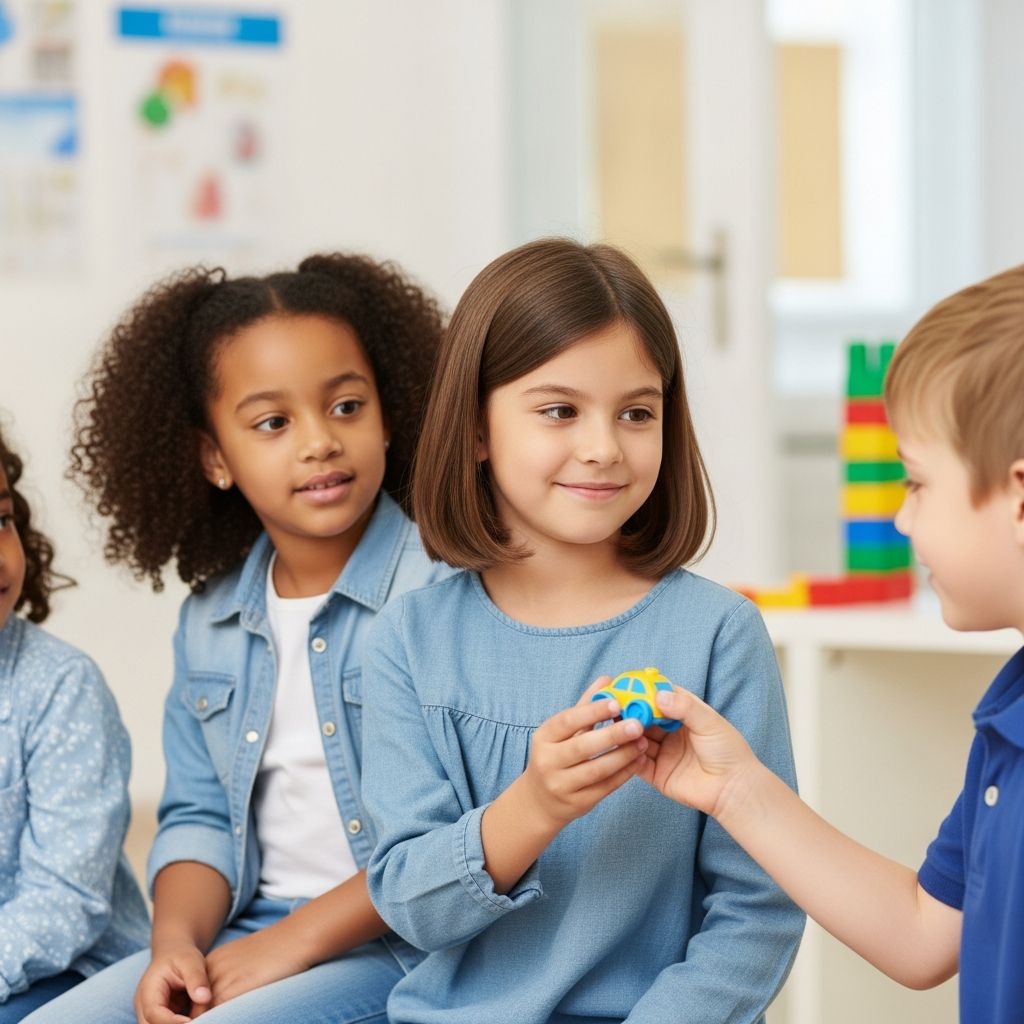
Sharing and turn-taking are vital for group harmony, teaching patience and collective effort. Young children often struggle here, but structured play builds these manners naturally. Games like rolling a ball back and forth introduce non-verbal cues and self-control early on.
- Organize playdates focused on joint activities, praising cooperative efforts like “Great job waiting your turn!”.
- Incorporate family chores, where kids contribute alongside siblings, reinforcing teamwork.
- Use board games to practice winning gracefully and accepting losses, celebrating all participants.
These practices reduce frustration and promote prosocial behaviors, linking directly to improved self-regulation.
Respecting Personal Space and Boundaries
Understanding physical and emotional boundaries prevents misunderstandings. Teach children to ask before hugging or borrowing items, respecting “no” without pushback. This respect extends to diversity, appreciating differences in backgrounds, abilities, and beliefs.
Discuss media representations to address curiosities about race, religion, or family structures openly, turning questions into learning moments. In classrooms, group projects highlight diverse strengths, building mutual appreciation.
Effective Communication Techniques
Clear expression and active listening form the backbone of manners in dialogue. Kids should learn to stay on topic, share ideas without interrupting, and use polite phrases like “please” and “thank you.” Video chats during remote play hone these skills amid limited cues.
Model conversations by entering discussions politely and exiting gracefully. Positive reinforcement, such as noting good listening, solidifies habits.
Assertiveness Without Aggression
Assertiveness empowers children to voice needs respectfully, balancing self-advocacy with empathy. Teach phrases like “I feel upset when…” to express without blame. This counters submissiveness, boosting confidence in declining unwanted activities.
Practice through scenarios: politely saying no to a game or requesting changes. Over time, this fosters independence and healthy boundaries.
Patience in Everyday Scenarios
Patience underpins many manners, from waiting in lines to delayed gratifications like baking or gardening. It enhances problem-solving and relationship endurance. Introduce waiting games or timed crafts to build tolerance, praising persistence.
Navigating Conflicts Gracefully
Conflicts are inevitable; resolving them calmly showcases maturity. Guide kids to identify feelings, propose solutions, and compromise. Role-play common disputes, emphasizing apologies and forgiveness.
This skill reduces legal troubles and dependency risks, promoting self-reliance.
Daily Routines for Manners Practice
Integrate manners into routines: table etiquette like napkin use and passing dishes; phone politeness with clear thanks; public behavior like holding doors. Community service, such as food drives, reinforces helping.
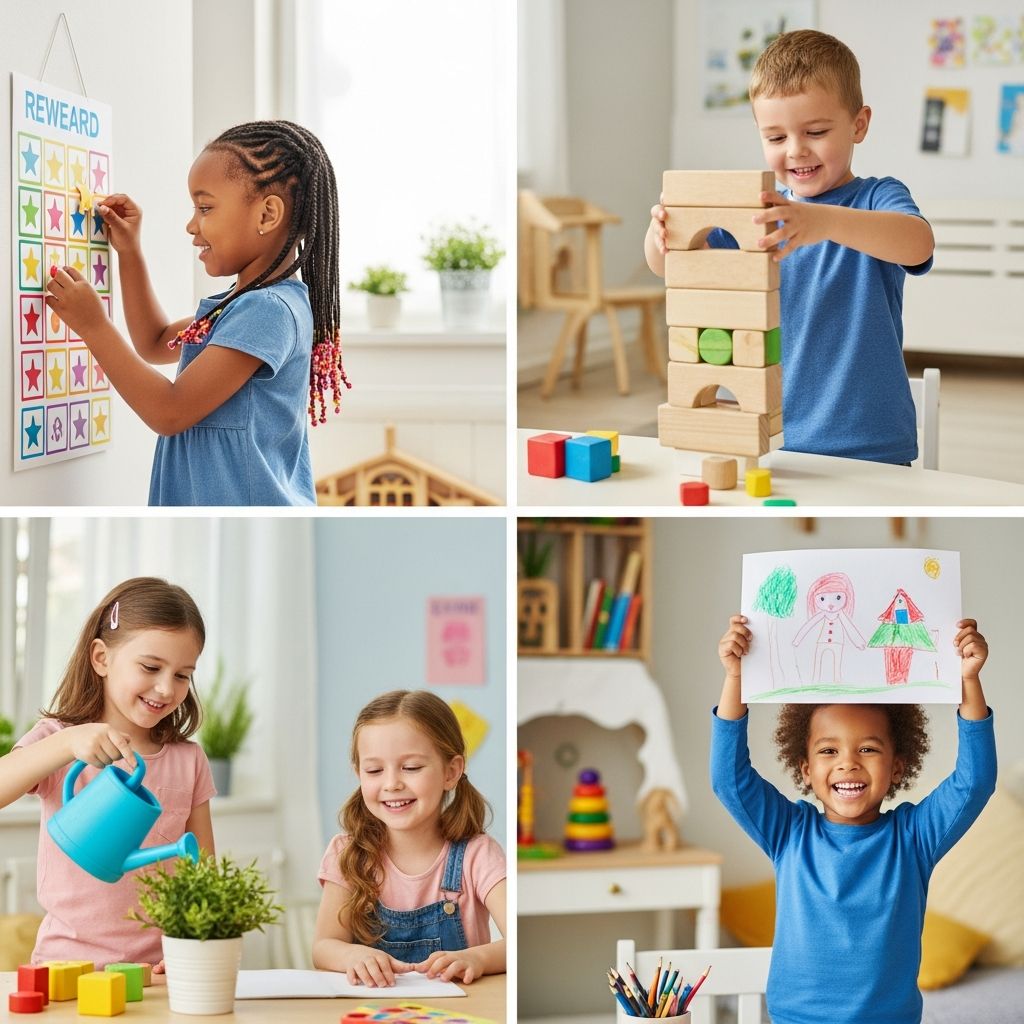
Track progress with charts, rewarding consistency to motivate.
Role of Play in Skill Development
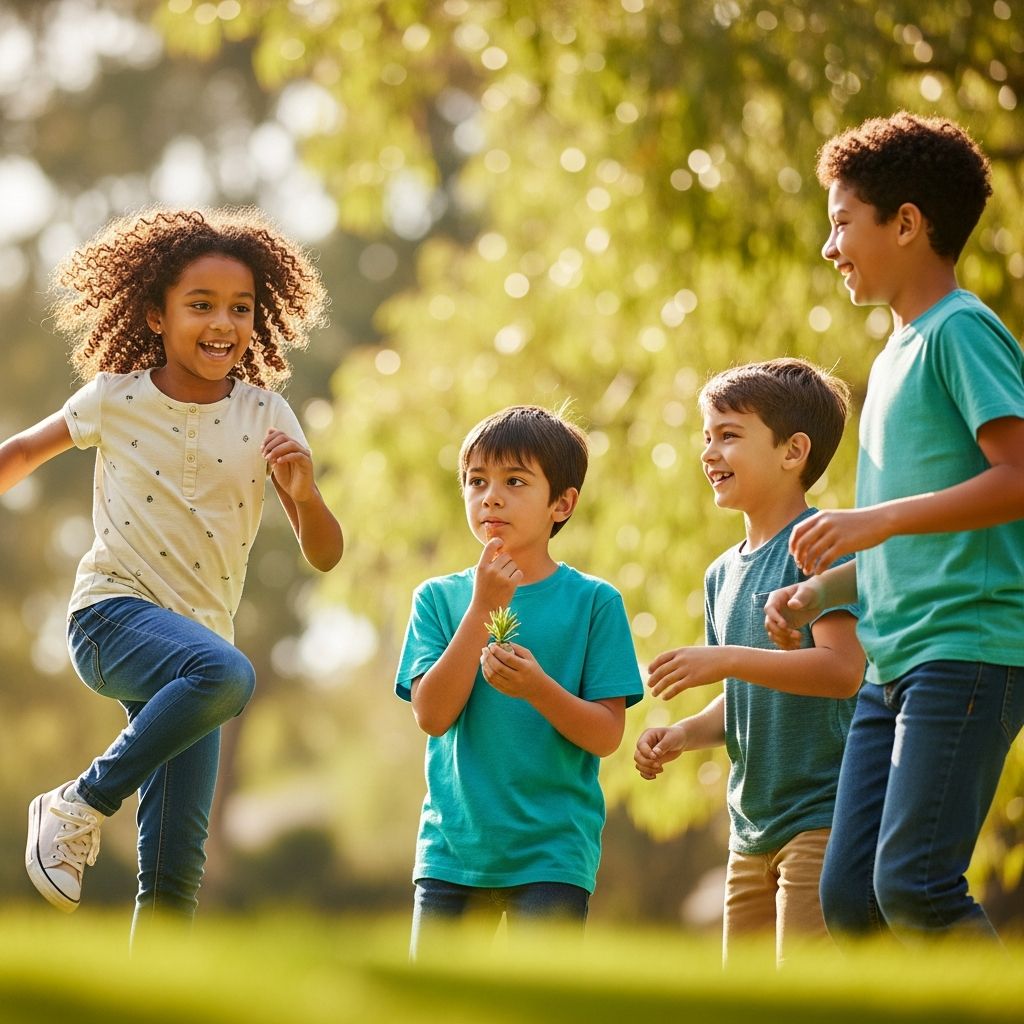
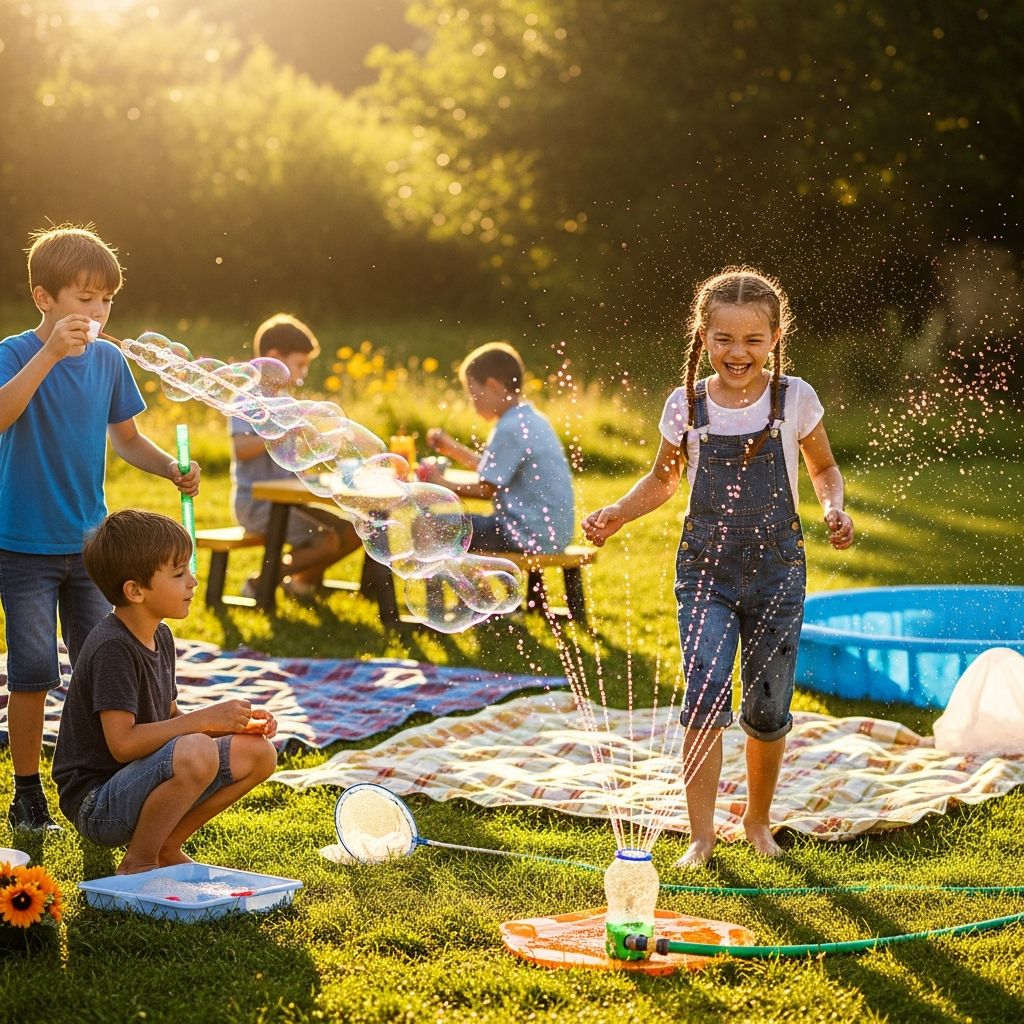
Play is a natural arena for manners. Unstructured play builds adaptability, while guided games teach specifics like empathy via doll dialogues. Outdoor activities encourage inclusivity and rule-following.
Challenges and Solutions
Shy kids may withdraw; counter with small-group starts. Overly assertive ones need empathy drills. Tailor to neurodiverse needs, like visual aids for autism. Consistency across home and school amplifies gains.
Frequently Asked Questions (FAQs)
What age should I start teaching social manners?
Begin in toddlerhood with basics like sharing toys, advancing complexity by school age for deeper interactions.
How do I encourage a shy child?
Use low-pressure play with one peer, praise small successes, and model greetings.
What’s the role of technology in manners?
Virtual play teaches adaptation and clear articulation despite absent physical cues.
Can games really build these skills?
Yes, evidence-based games enhance turn-taking, empathy, and control effectively.
How to handle regression in skills?
Revisit basics with positive reinforcement; stress may cause setbacks.
References
- 10 Important Social Skills for Kids — Mental Health Center Kids. 2023. https://mentalhealthcenterkids.com/blogs/articles/social-skills-for-kids
- Developing Social Skills — National Council for Special Education. 2020-06. https://ncse.ie/wp-content/uploads/2020/06/Developing-Social-Skills.pdf
- 20 Evidence-Based Social Skills Activities and Games for Kids — Positive Action. 2023. https://www.positiveaction.net/blog/social-skills-activities-and-games-for-kids
- Development of social skills in children: neural and behavioral — PMC (National Library of Medicine). 2015-09-10. https://pmc.ncbi.nlm.nih.gov/articles/PMC4586412/
- Social Skills Development — Possibilities Northeast. 2023. https://possibilitiesnortheast.com/social-skills-development/
- Developing a child’s social skills through playtime — First Things First. 2023. https://www.firstthingsfirst.org/first-things/sharing-and-playtime/
- Principles of Child Development and Learning — NAEYC. 2023. https://www.naeyc.org/resources/position-statements/dap/principles
- Cognitive and Social Skills to Expect From 6 to 10 Years — American Psychological Association. 2023. https://www.apa.org/act/resources/fact-sheets/development-10-years