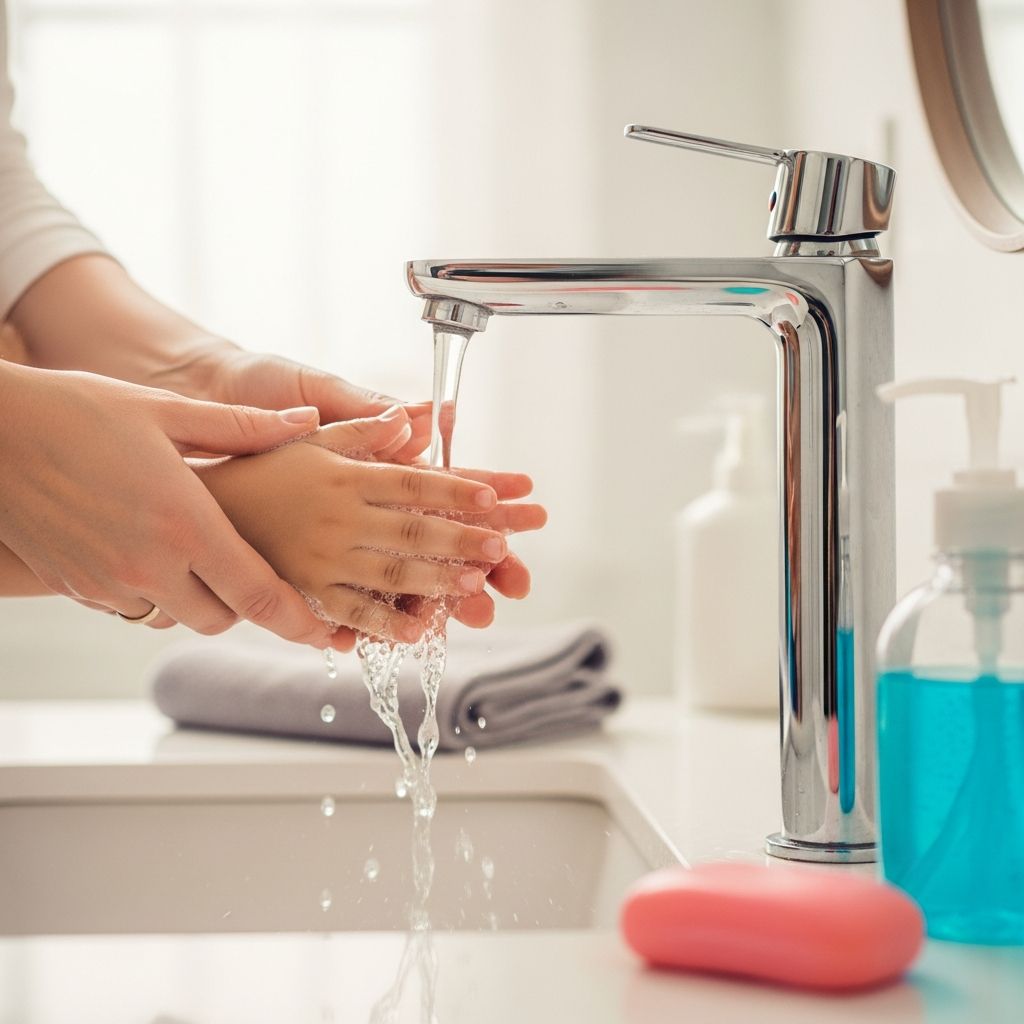
Handwashing is one of the simplest and most powerful ways parents can protect their children from everyday infections and keep the whole family healthier.
Why Children’s Hands Matter More Than You Think
Children touch everything: toys, floors, pets, screens, door handles, their faces, and each other. Every touch is a chance for germs to move from one place to another, especially onto their hands. When kids then rub their eyes, pick up a snack, or suck their thumbs, those germs can make their way into the body.
Good hand hygiene breaks this chain. Consistent handwashing lowers the risk of many common illnesses that spread through contact, like colds, flu-like infections, and stomach bugs. Fewer infections means fewer missed school days, fewer doctor visits, and less disruption for parents who need to work or care for other family members.
The Hidden Journey of Germs During a Child’s Day
Germs are microscopic, so children do not see them move. Helping kids imagine how germs travel can make handwashing feel more meaningful and less like an arbitrary rule. A typical day offers many opportunities for germs to hitch a ride on kids’ hands.
- Morning rush: Kids touch bathroom faucets, toothbrushes, breakfast dishes, backpacks, and door handles before leaving home.
- School or daycare: Shared toys, desks, art supplies, books, and playground equipment expose children to germs from many classmates.
- Meals and snacks: Fingers go from surfaces to food, making it easy for germs to end up in the mouth.
- Afternoon activities: Sports equipment, public playgrounds, buses, and community spaces add more sources of contamination.
- Evening wind-down: Screens, remote controls, pets, and dinner tables give germs additional opportunities to circulate around the home.
When parents link handwashing to these familiar moments, kids can understand that washing up is not random but timed to real-life germ risks.
Key Moments When Kids Should Wash Their Hands
Rather than telling children to wash their hands “all the time,” it helps to focus on specific high-risk moments. Over time, these become automatic habits linked to daily routines.
Before Germs Reach the Mouth
- Before eating meals or snacks at home, school, or restaurants.
- Before helping in the kitchen, handling ingredients, or setting the table.
- Before touching a baby’s bottle, pacifier, or toys.
After Contact With Germ-Heavy Situations
- After using the toilet or helping a younger child in the bathroom.
- After changing diapers or dealing with soiled clothes or bedding.
- After blowing the nose, coughing into hands, or sneezing without a tissue.
- After touching pets, pet food, cages, litter boxes, or outdoor animals.
- After playing outside, especially in sandboxes, parks, or public play areas.
- After handling garbage, recycling, or dirty laundry.
- When coming home from school, daycare, stores, or public transport.
Posting a simple reminder chart near sinks can help children (and adults) remember these key times until they become routine.
The Step-by-Step Method That Actually Cleans Hands
Many children (and adults) think a quick rinse under water counts as handwashing, but that does little to remove germs. Effective handwashing has a clear sequence, and each step serves a purpose.
Essential Steps for Kids
- Wet hands under clean, running water (warm or cool).
- Add soap and create a good lather.
- Rub thoroughly for about 20 seconds, covering palms, backs of hands, between fingers, around thumbs, and under nails.
- Rinse well under running water to wash away loosened dirt and germs.
- Dry completely with a clean towel or air dryer.
Parents can show children how to scrub different hand areas by turning it into a short game, such as checking off “zones” like palms, backs, knuckles, thumbs, and fingertips.
Soap, Water, and Sanitizer: What Parents Should Know
Not all cleaning approaches are equal, and each has its strengths and limitations. Understanding the differences helps families make good choices at home and on the go.
| Method | Best Use | Advantages | Limitations |
|---|---|---|---|
| Soap and water | Everyday cleaning at home, school, and public restrooms | Physically removes dirt, grease, and many germs from the skin | Requires a sink, clean water, and time; kids may rush without supervision |
| Alcohol-based hand sanitizer | When soap and water are not available and hands are not visibly dirty | Portable, fast-drying, helpful in classrooms, cars, or stores | Less effective on visibly soiled or greasy hands; must be used with supervision in young children |
| Water only | Last resort if soap or sanitizer is temporarily unavailable | May rinse away some visible dirt | Does not reliably remove germs or oils where germs hide |
For most families, soap and water should be the first choice when practical, with sanitizer used as a backup during travel or busy days outside the home.
Helping Different Age Groups Learn Handwashing Skills
Handwashing expectations should match a child’s developmental stage. Very young children need active help, while older ones can handle more responsibility and even remind others.
Toddlers and Preschoolers
- Stand behind or beside children at the sink and guide their hands through the steps.
- Use a sturdy step stool so kids can reach the faucet and soap comfortably.
- Choose mild, child-friendly soap and show them how to make bubbles on both sides of the hands.
- Use short, simple phrases like “wet, soap, scrub, rinse, dry” to make the order easy to remember.
School-Aged Kids
- Explain why handwashing matters using concrete examples, like avoiding missing a birthday party because of illness.
- Let children practice turning on faucets, using the right amount of soap, and timing their scrubbing.
- Encourage them to wash without being reminded at obvious times, such as before snacks or after bathroom use.
- Invite older kids to help younger siblings, reinforcing their own skills while modeling good habits.
Turning Handwashing Into a Fun Family Habit
Children respond better to routines that feel playful rather than punitive. When handwashing is paired with positive attention and creativity, kids are more likely to stick with it.
- Use songs or timers: Choose a 20-second tune or use a small visual timer to show how long to scrub.
- Offer choices: Let kids pick their own hand towel, soap scent, or sticker chart design.
- Make it a challenge: Have a family “germ buster” mission where everyone aims for a full week of consistent pre-meal handwashing.
- Celebrate effort: Praise children for remembering on their own, even if technique still needs refining.
- Use stories and characters: Invent characters like “Sneaky Germs” and “Soap Superhero” to explain what is happening on their hands.
When parents show enthusiasm and participate, children learn that handwashing is a normal and valued part of everyday life, not just a rule imposed on them.
Creating a Home Environment That Supports Clean Hands
Even the best intentions can fail if sinks are hard to reach, soap runs out, or towels stay damp and dirty. Small environmental changes make it easier for children to do the right thing without constant reminders.
- Place stools by bathroom and kitchen sinks so kids can reach comfortably and safely.
- Keep liquid soap, not just bar soap, in high-traffic areas to reduce mess and sharing issues.
- Provide individual or frequently washed hand towels for each child to cut down on cross-contamination.
- Store a travel-size sanitizer in backpacks, diaper bags, and the family car for times without a sink.
- Post simple visual cue cards or icons above sinks illustrating the main steps.
These adjustments signal to children that the household takes hand hygiene seriously and gives them the tools to participate independently.
Common Challenges and How Parents Can Solve Them
Most families encounter obstacles when trying to maintain steady handwashing habits, especially during busy mornings or crowded evenings. Anticipating these issues can help parents respond calmly and consistently.
“I Don’t Want To” or Rushing Through
- Keep instructions brief and firm, focusing on the reason: “We wash so we don’t share germs that make us sick.”
- Link handwashing to an activity kids care about, such as “Hands first, then snack” or “Wash up, then tablet time.”
- Demonstrate the correct technique yourself and invite children to copy you rather than simply ordering them.
Dry or Sensitive Skin
- Choose gentle, fragrance-free soap formulated for sensitive skin.
- Encourage kids to pat hands dry rather than aggressively rubbing them.
- Apply a mild, child-safe moisturizer after the final handwash of the day, especially in colder months.
Busy Schedules and Forgetfulness
- Attach handwashing directly to fixed routines (after bathroom, before meals, after school) instead of trying to fit it in randomly.
- Use friendly reminders like sticky notes, door signs, or phone alerts during the training phase.
- Work with teachers or caregivers to reinforce similar expectations in school or daycare settings.
Why Handwashing Protects More Than Just Your Child
Good hand hygiene in children benefits grandparents, younger siblings, classmates, and anyone else they encounter. Young children often serve as “germ bridges” between school and home, so their habits influence the health of the entire household.
Consistent handwashing reduces the spread of infections to people who may have weaker immune systems, such as newborns, older adults, or family members with chronic conditions. For families, even small drops in sickness can mean fewer urgent care visits, less time off work, and a calmer, more predictable routine.
Quick Safety Tips for Parents
While the main goal is to encourage thorough handwashing, parents should also consider safety aspects, especially for very young children. Supervision and sensible product choices keep hygiene routines safe and effective.
- Monitor water temperature to prevent accidental scalds.
- Keep hand sanitizer out of reach of toddlers when not in use and supervise its application.
- Remind children not to lick, taste, or play with soap and sanitizer.
- Teach children to turn off faucets with a paper towel in public restrooms when possible.
- Encourage them to avoid touching their face after using shared surfaces until they can wash.
By pairing safety guidelines with practical skills, parents build handwashing routines that are both protective and age-appropriate.
Frequently Asked Questions About Kids and Handwashing
How long should my child wash their hands?
Aim for about 20 seconds of active scrubbing, not counting the time spent turning on the water or reaching for a towel. Using a short song, rhyme, or timer can help kids gauge how long to keep rubbing their hands together.
Is hand sanitizer as good as soap and water?
Soap and water are generally preferred, especially when hands are visibly dirty or sticky, because they remove both germs and physical debris. Alcohol-based sanitizers can be helpful when a sink is not available, as long as children use enough product, rub until dry, and are supervised.
How often is “too often” to wash?
For most children, washing before eating, after bathroom use, after outdoor play, and after coughing or sneezing into their hands is reasonable and not excessive. If a child has very dry skin or seems anxious about cleaning, speak with a pediatrician about balancing hygiene with skin care and emotional comfort.
What if my child refuses to wash at school?
Start by discussing the issue calmly with your child to understand what feels difficult or uncomfortable. Then coordinate with teachers or school staff to create simple cues or routines that encourage handwashing at key times without singling the child out.
Do wipes count as handwashing?
Disposable wipes may remove visible dirt, but many are not designed specifically to reduce germs on the hands. They can be useful in a pinch, especially for toddlers, but should not completely replace regular washing with soap and water.
Raising a Generation of “Clean Hands Heroes”
Teaching children to wash their hands well is a small daily task with a surprisingly large impact. Every time a child pauses to scrub before eating or after using the bathroom, they are taking an active step to protect their own health and the wellbeing of those around them.
When parents provide clear expectations, practical tools, and a positive model, children can grow into “clean hands heroes” who carry strong hygiene habits into school, social settings, and eventually adulthood.