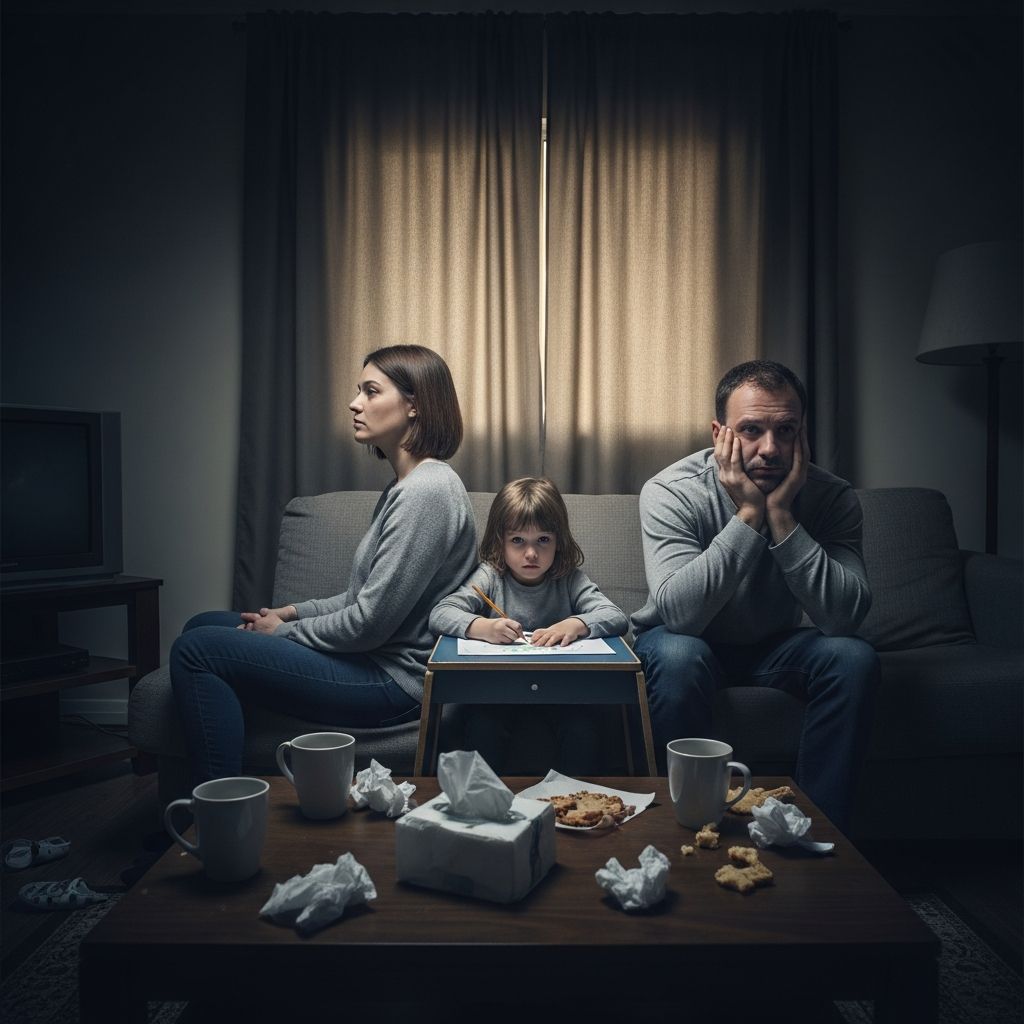
Prolonged separation from social networks during health crises like COVID-19 has left many families grappling with a unique form of exhaustion. This fatigue stems not just from physical distance but from the emotional drain of disrupted routines and limited human interaction, affecting parents and children alike.
Understanding the Roots of Isolation Exhaustion
Social isolation disrupts the natural flow of daily interactions that sustain emotional well-being. During pandemics, measures like distancing amplify feelings of disconnection, leading to what experts term “social exhaustion.” This goes beyond temporary loneliness, manifesting as chronic mental strain that persists even after restrictions lift.
Research shows that reduced social contact correlates with elevated depression and anxiety levels. For instance, studies during COVID-19 revealed a doubling of depressive symptoms among those adhering to distancing protocols, independent of prior support levels. Families, often confined to home environments, face compounded pressures from blurred work-life boundaries and childcare demands.
Psychological Impacts on Parents
Parents bear a heavy load during isolation periods. The constant juggling of professional duties, homeschooling, and household management without external relief fosters burnout. Anxiety spikes from health fears and economic uncertainty, while depression emerges from a sense of lost purpose.
- Increased Anxiety: Fear of infection and future instability heightens worry, sometimes triggering agoraphobia-like avoidance even post-restrictions.
- Depressive Symptoms: Isolation amplifies feelings of helplessness, with rumination on losses like routine and social outlets.
- PTSD-Like Responses: Prolonged quarantine mirrors trauma, leading to hyperarousal and intrusive thoughts about the crisis.
Particularly vulnerable are single parents or those with pre-existing conditions, who report steeper declines in mood and higher loneliness scores.
How Children Experience Isolation Strain
Children, whose social development hinges on peer interactions, suffer developmental setbacks from isolation. Missing playdates and school fosters emotional dysregulation, with rises in irritability, sleep disturbances, and attention issues.
| Age Group | Common Effects | Long-Term Risks |
|---|---|---|
| Preschoolers (3-5) | Separation anxiety, tantrums | Delayed social skills |
| School-age (6-12) | Academic frustration, withdrawal | Cognitive decline risks |
| Teens (13+) | Mood swings, risk-taking | Increased depression, substance use |
Longitudinal data indicates these effects linger, with sustained mental health deterioration observed months after reopening.
Family Dynamics Under Pressure
Household tensions escalate in confined spaces. Spousal conflicts rise from shared stressors, while parent-child bonds strain under constant proximity without breaks. Communication breakdowns and resentment toward restrictions compound the fatigue.
Positive family rituals, like shared meals, can buffer some effects, but without external social input, even these feel monotonous. Studies link such dynamics to higher collective anxiety, emphasizing the need for intentional reconnection strategies.
Biological Mechanisms Behind the Fatigue
Mental strain from isolation triggers physiological responses. Elevated cortisol levels from chronic stress impair immune function and sleep, creating a vicious cycle. Loneliness activates brain regions akin to physical pain, explaining the deep exhaustion felt.
Neuroticism and avoidant coping styles predict worse outcomes, as individuals high in these traits ruminate more intensely during distancing. This transdiagnostic vulnerability underscores why some families recover faster than others.
Recognizing Signs of Social Exhaustion
Early detection prevents escalation. Watch for persistent low mood, withdrawal from virtual interactions, disrupted sleep, or somatic complaints like headaches without cause.
- Parents: Irritability with family, disinterest in hobbies.
- Children: Clinginess or defiance spikes.
- Family-wide: Reduced laughter, avoidance of future planning.
If symptoms persist beyond two weeks, professional assessment is crucial, as isolation effects mimic clinical disorders.
Practical Strategies for Daily Resilience
Reclaim control through structured routines. Prioritize outdoor solo walks for mental resets and schedule virtual coffee chats to mimic pre-isolation social rhythms.
- Set Boundaries: Designate ‘no-screen’ family hours to foster presence.
- Micro-Connections: Wave to neighbors or call relatives weekly.
- Self-Care Rituals: Journaling or mindfulness apps reduce rumination.
- Play Therapy for Kids: Role-playing social scenarios builds confidence.
Evidence supports these: Brief social exposures during distancing lowered anxiety by 20-30% in controlled studies.
Rebuilding Social Networks Post-Isolation
Transitioning back requires gradual exposure. Start with low-stakes meetups like park picnics, progressing to group activities. Parents model healthy interactions to help children readjust.
Community programs, such as parent support groups, aid recovery. Data shows structured re-engagement halves lingering depressive symptoms within months.
Role of Technology in Bridging Gaps
While no substitute for in-person contact, video calls and apps sustain bonds. However, “Zoom fatigue” from excessive virtual use necessitates limits—aim for quality over quantity.
Innovative tools like virtual reality playdates show promise for children, simulating peer interactions effectively.
Frequently Asked Questions (FAQs)
Is social exhaustion the same as burnout?
No, exhaustion from isolation specifically ties to disrupted social needs, while burnout stems more from overwork. Both overlap in symptoms like fatigue but require tailored recovery.
How long do isolation effects last?
Effects can persist 6-12 months post-restrictions, per longitudinal studies, but proactive coping accelerates recovery.
Can families thrive during distancing?
Yes, with routines, gratitude practices, and virtual support. Resilient families report strengthened bonds through adversity.
What if a child shows anxiety after reopening?
Gradual exposure therapy and play-based interventions help. Consult pediatric mental health experts if symptoms intensify.
Are single parents more at risk?
Yes, studies confirm higher loneliness and distress due to lack of shared load.
Long-Term Lessons for Family Mental Health
Pandemics highlight the fragility of social fabrics. Investing in community ties and mental health literacy equips families for future challenges. Policy-wise, integrating psychological support into public health responses is vital.
Ultimately, recognizing isolation fatigue empowers proactive healing, turning survival into strengthened resilience.
References
- The Impact of COVID-19 Related Social Distancing on Mental Health — PMC/NCBI. 2022-05-24. https://pmc.ncbi.nlm.nih.gov/articles/PMC9180779/
- Understanding the Effects of Social Isolation on Mental Health — Tulane University School of Public Health. 2023-01-15. https://publichealth.tulane.edu/blog/effects-of-social-isolation-on-mental-health/
- Loneliness and Social Distancing During the COVID-19 Pandemic — Frontiers in Psychiatry. 2020-10-23. https://www.frontiersin.org/journals/psychiatry/articles/10.3389/fpsyt.2020.589127/full
- How Social Distancing Can Affect Your Mental Health — BrainsWay Knowledge Center. 2020-08-10. https://www.brainsway.com/knowledge-center/how-social-distancing-can-affect-your-mental-health/
- Impact of Social Distancing on the Mental Health of Parents and Children — PMC/NCBI. 2021-05-20. https://pmc.ncbi.nlm.nih.gov/articles/PMC8183319/
- Mental Health During and After the COVID-19 Era — Duke University Health Policy. 2021-03-05. https://healthpolicy.duke.edu/mental-health-during-and-after-covid-19-era