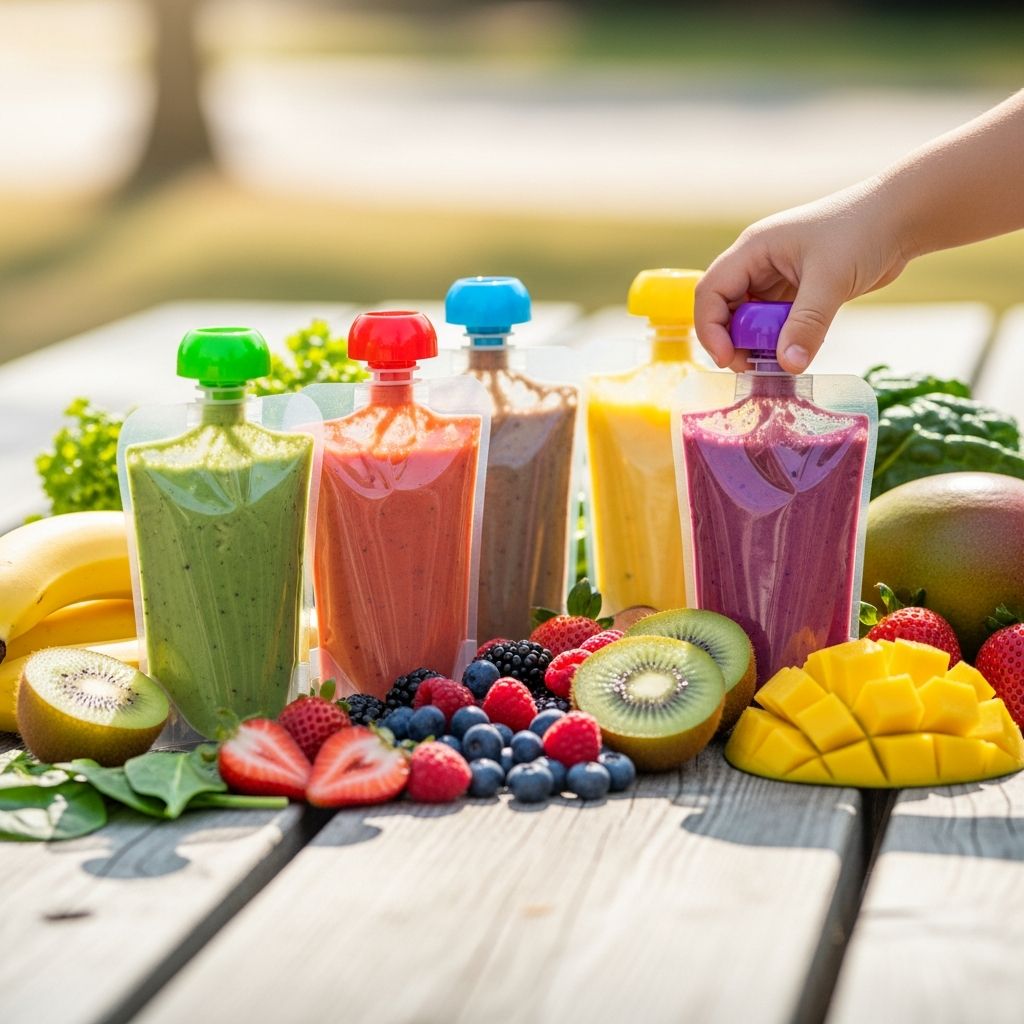
As kids move beyond the toddler stage, snacks often become faster, bigger, and more processed—but they don’t have to be. Smoothies served in reusable squeeze pouches offer a convenient way to fuel school-age kids with real food while fitting into busy family routines.
Why Smoothie Pouches Aren’t Just for Toddlers
Many parents think pouches are a phase kids outgrow once they master cups and straws. In reality, squeeze pouches can still be useful for early elementary-aged children who need grab-and-go snacks for school, sports, and long outings.
For older kids, pouches can feel more like a fun, portable treat than a “baby food” product if you choose age-appropriate flavors, designs, and serving sizes.
Benefits of Smoothies in Pouches for School-Age Kids
Packing smoothies into reusable pouches gives parents more control over ingredients while making it easier for kids to eat well outside the home. Instead of relying on packaged snack foods, you can offer a blend of fruit, protein, and healthy fats in a mess-minimizing format.
Because pouches seal tightly, they travel well in lunchboxes and backpacks and can be sipped quickly between activities without special utensils or spills.
Key Advantages at a Glance
- Portability for school, sports practice, playground time, and car rides.
- Built-in portion control, which helps prevent constant grazing.
- Customizable ingredients to address picky eating, allergies, or dietary needs.
- Less mess than open cups, especially in the car or on carpets.
- Reduced packaging waste when you use washable, reusable containers.
Choosing the Right Reusable Pouches
The right pouch makes a big difference in both ease of use and how kids perceive the snack. Look for designs that don’t scream “baby food” and are simple for little hands to open and close.
Durability and easy cleaning are also crucial. A pouch that’s tricky to rinse out or prone to leaks will probably end up forgotten in the back of a drawer.
Features to Consider
- Size: Bigger kids usually need 4–6 ounces or more per serving for a satisfying snack.
- Closure style: Top- or side-zip openings can make filling and washing easier.
- Dishwasher safety: Top-rack safe designs save time and encourage consistent use.
- BPA-free materials: Many brands highlight this on their packaging for peace of mind.
- Design: Simple patterns, bold colors, or neutral designs often appeal to older kids.
Building a Balanced Smoothie for Bigger Appetites
A smoothie for a preschooler might be mostly fruit, but big kids often need more staying power. The goal is to combine carbs, protein, and healthy fats so the smoothie feels like real fuel, not just a sweet drink.
Think of smoothies as mini meals rather than flavored beverages. This mindset naturally guides you toward more satisfying ingredients.
The Simple Smoothie Formula
Use this flexible template to build a kid-approved pouch smoothie:
- Base (1–1.5 cups): Milk, unsweetened plant milk, yogurt, kefir, or a mix.
- Fruit (1–1.5 cups): Berries, mango, banana, peach, pineapple, or pear.
- Protein (1–2 tablespoons or 1/4 cup): Greek yogurt, nut or seed butter, silken tofu, or cottage cheese.
- Healthy fats (1–2 tablespoons): Avocado, nut butter, ground flax, chia seeds, or hemp seeds.
- Boosters (optional, 1–2 teaspoons): Cocoa powder, oats, cinnamon, or a drizzle of honey for kids over one.
Texture Matters: Making Smoothies Pouch-Friendly
Even the healthiest ingredients will go to waste if your child dislikes the texture. Pouches work best with thick-but-sippable blends that flow smoothly through the spout without clogging.
Frozen fruit will naturally thicken smoothies, while extra liquid helps thin them if your child prefers a lighter sip.
Tips for a Perfect Consistency
- Blend liquids and leafy greens first to get rid of visible pieces.
- Add frozen fruit and solid ingredients in stages, blending until completely smooth.
- If the mixture seems too thick, add a splash of milk or water and blend again.
- Avoid large seeds or coarse textures if your child is sensitive to “bits.”
Simple Smoothie Ideas for Big Kids
Below is a set of sample combinations you can adapt to your child’s taste. These are not rigid recipes, but starting points you can tweak based on what you have at home.
Each idea aims to balance familiar flavors with gentle nutrition upgrades like added protein or veggies.
| Flavor Theme | Main Ingredients | Best Time to Serve |
|---|---|---|
| Berry Breakfast Boost | Mixed berries, banana, Greek yogurt, milk, ground flaxseed | Morning snack or with breakfast |
| Chocolate Peanut Swirl | Milk, banana, peanut or sunflower seed butter, cocoa powder | After-school snack or pre-sports fuel |
| Tropical Green Surprise | Mango, pineapple, spinach, yogurt or kefir, water or milk | Warm-weather outings or park days |
| Oatmeal Cookie Sip | Milk, oats, banana, cinnamon, a touch of vanilla | Mid-morning break or weekend brunch |
Time-Saving Strategies for Busy Mornings
Rushing out the door is one of the biggest barriers to serving fresh smoothies regularly. A little prep work makes it possible to assemble a pouch snack in minutes, even on hectic weekdays.
Batch-prepping ingredients and using your freezer wisely can turn smoothies into one of the easiest snacks you offer, not the most complicated.
Prep Ahead Like a Pro
- Pre-portion fruit into freezer bags so you only need to add liquid and blend.
- Wash and loosely pack spinach or kale in containers for quick grabbing.
- Keep a “smoothie shelf” in the fridge or pantry with boosters like seeds and oats.
- Blend a large batch and fill several pouches at once to cover a couple of days.
Storing and Transporting Smoothie Pouches Safely
Once filled, pouches need proper storage to keep the contents fresh and safe. How long they last depends on ingredients, fridge temperature, and how quickly your family uses them.
When sending smoothies to school, keeping them cool is just as important as with yogurt or milk-based drinks.
Storage Guidelines
- Refrigerate filled pouches and aim to use them within 1–2 days for best taste.
- Place pouches in the coldest part of the fridge rather than on the door.
- For school lunches, pack the pouch with an ice pack in an insulated bag.
- Consider freezing a pouch overnight and letting it slowly thaw in the lunchbox.
Cleaning and Caring for Reusable Pouches
Thorough cleaning keeps pouches in good shape and prevents lingering odors. Rinsing right after use makes a huge difference in how easy they are to wash later.
Kids can help with parts of the process, turning pouch maintenance into a simple family routine rather than one more solo task for parents.
Cleaning Tips
- Rinse pouches with warm water as soon as they’re empty, especially after thick smoothies.
- Use a small bottle or straw brush to reach corners and spouts.
- Wash in the top rack of the dishwasher if the manufacturer allows it.
- Prop pouches open to air dry completely before storing to avoid trapped moisture.
Helping Older Kids Embrace “Not Babyish” Pouches
Some children resist pouches because they associate them with toddlerhood. A few small changes in presentation can completely shift that perception and make smoothies feel like a cool, big-kid snack.
Involving kids in recipe choices and giving them some control over flavors and add-ins can also increase buy-in.
Presentation Ideas That Feel More Grown-Up
- Choose simple, graphic designs over cartoon characters.
- Offer smoothies in pouches for on-the-go and in clear cups with reusable straws at home.
- Create a “smoothie menu” and let your child pick from two or three options.
- Use fun names for blends, like “Homework Fuel” or “Soccer Power Pack.”
Troubleshooting Picky Responses and Texture Fears
Even the best-intentioned smoothie can be rejected if the flavor or texture feels off to a child. Small, gradual changes tend to work better than dramatic overhauls when adding new ingredients.
Start with familiar tastes and then layer in extras so the smoothie still feels comforting, not experimental.
Gentle Ways to Adjust Recipes
- Introduce leafy greens slowly, starting with a small handful blended into a strongly flavored fruit mix.
- Blend longer to eliminate small pieces or flecks that may bother sensitive eaters.
- Use mild-tasting add-ins like oats or yogurt before moving to bolder flavors.
- Let kids rate new smoothie combos and tweak them together for next time.
Smart Ways to Use Smoothie Pouches in Daily Life
Smoothies in pouches can play many roles: breakfast backup, afternoon pick-me-up, or post-activity snack. Thinking ahead about when you’ll use them helps you decide how many to prep each week.
They can also be helpful for kids who tend to skip parts of their meals, offering another chance for nutrients at times they’re more interested in eating.
Everyday Use Ideas
- Pack a pouch as a side in the lunchbox instead of a sugary drink.
- Offer one in the car on the way to after-school activities when dinner will be late.
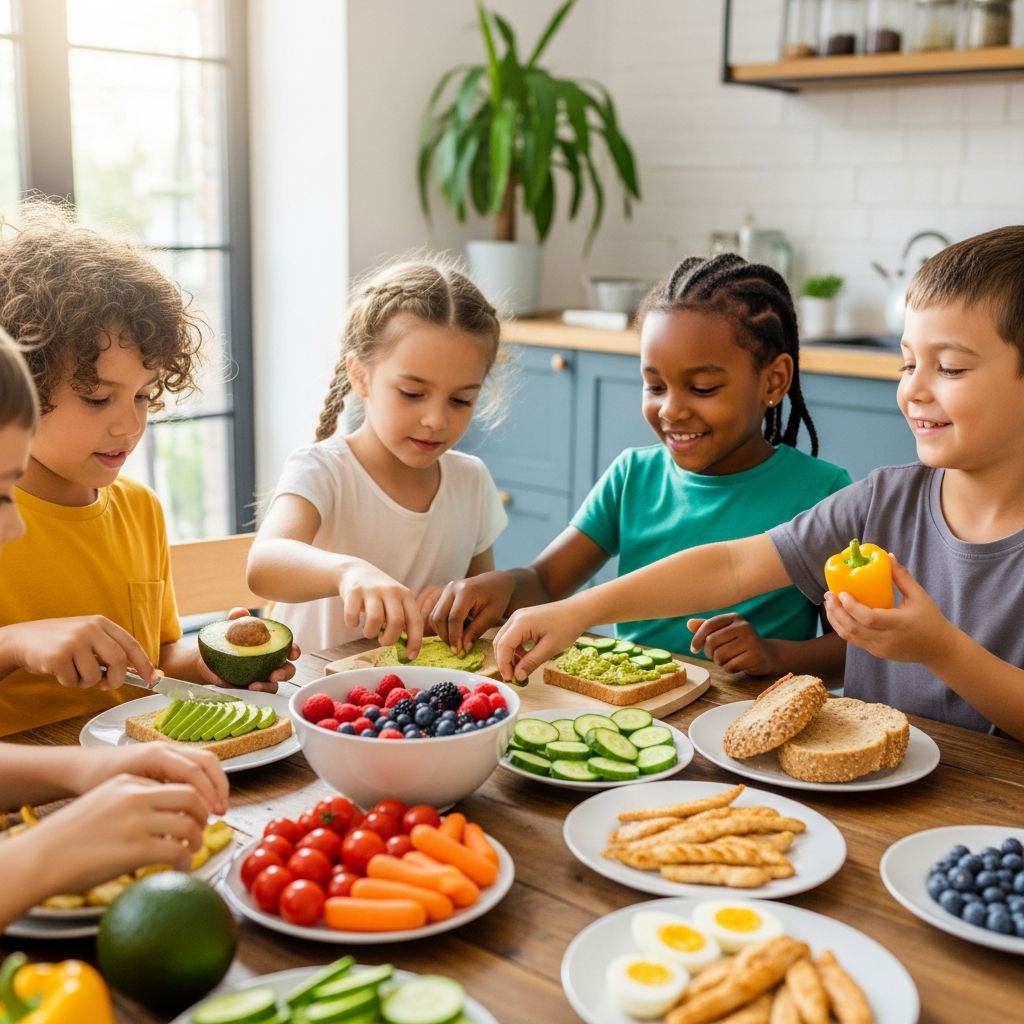
- Serve a smoothie alongside toast or eggs on mornings when your child is slow to eat.
- Keep a couple of frozen pouches ready for days when no one feels like prepping snacks.
Frequently Asked Questions
How long can a smoothie stay in a pouch at room temperature?
Perishable smoothies with dairy or fresh produce should not sit at room temperature for long periods. For school and outings, treat a smoothie pouch like yogurt: keep it chilled with an ice pack and aim for it to be eaten within a few hours.
Can I freeze smoothie pouches?
Most reusable pouches can be frozen safely when not overfilled. Freezing is a great way to extend the life of a smoothie and also helps keep lunchboxes cold as the pouch slowly thaws to a slushy consistency by snack time.
What if my child finishes the pouch too quickly and is still hungry?
If a smoothie pouch disappears in seconds and your child remains hungry, treat it as part of a snack plate instead of the sole component. Pair it with something chewy or crunchy, such as whole grain crackers, nuts (if appropriate), or cheese sticks.
Are store-bought pouches a good backup?
Prepackaged smoothie and puree pouches can be useful in a pinch, especially when traveling or between grocery trips. When choosing them, compare ingredient lists and pick options with recognizable foods, limited added sugars, and serving sizes that make sense for your child’s age.
How many smoothie pouches per day is reasonable?
Portion needs vary by age, activity level, and what else your child eats. Many families find that one smoothie pouch per day as part of a meal or snack works well, leaving plenty of room for solid foods, water, and other nutrient sources.
Turning Smoothies into a Sustainable Habit
When smoothies in pouches are easy to prepare and clean up, they become a steady part of the family rhythm instead of a special project. Over time, kids come to expect this familiar, nourishing option alongside their other favorite snacks.
By focusing on flexible recipes, realistic prep habits, and kid-friendly presentation, you can transform a simple blender drink into a powerful tool for feeding growing bodies—no matter how busy life gets.