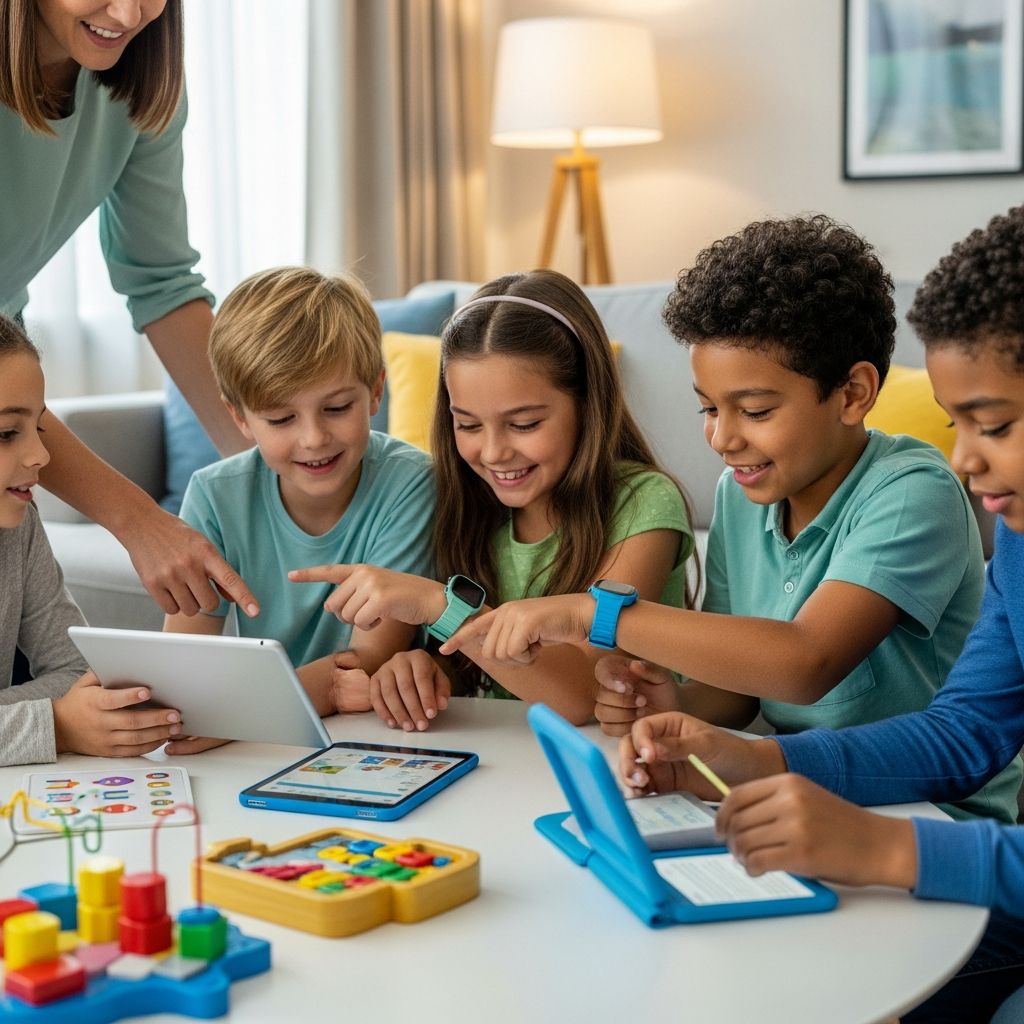
Understanding Device Options for Your Child’s Connected World
Modern parents face an important decision when it comes to equipping their children with communication technology. Two primary options dominate the landscape: smartwatches designed specifically for younger users and smartphones that offer broader functionality. Each device type presents distinct advantages and challenges, requiring careful consideration of your family’s unique circumstances, your child’s maturity level, and your core priorities regarding safety and healthy development.
The choice between these technologies extends beyond simple features—it reflects your family’s values around screen time, independence, and how you want your child to engage with the digital world. Understanding the nuances of each option empowers you to make a decision that aligns with your household’s needs rather than defaulting to whatever seems most popular among peers.
The Communication Spectrum: From Basic Connectivity to Full Internet Access
Smartwatches and smartphones operate on fundamentally different communication philosophies. Smartwatches prioritize essential connectivity through voice calling, text messaging, and two-way communication that connects directly to parent-approved contacts. This focused approach ensures children can reach trusted adults and receive important messages without navigating complex interfaces or managing numerous communication channels.
Smartphones, by contrast, provide access to unlimited communication platforms including social media applications, instant messaging services, video calling, and email. While this broad connectivity enables sophisticated social interaction, it also introduces complexity that younger children may struggle to navigate responsibly. The array of communication options can overwhelm younger users who lack experience managing digital relationships and boundaries.
Why Limitation Can Enhance Safety
- Smartwatches restrict communication to pre-approved contacts, reducing exposure to unknown individuals
- Smartphones require active management of privacy settings across multiple platforms
- Simplified interfaces on smartwatches reduce confusion and accidental contact with inappropriate content
- Parental oversight becomes more manageable with fewer communication channels to monitor
Location Tracking: Constant Awareness Versus Intermittent Monitoring
Real-time location tracking represents one of the most compelling safety features available to modern parents. Both device types offer GPS capability, but their implementation differs significantly in reliability and consistency. Smartwatches, designed as wearable devices, remain continuously present on a child’s wrist throughout their daily activities. This persistent connection means location data flows consistently without requiring the child to remember carrying a separate device.
Smartphones, while equipped with GPS functionality, face practical limitations in real-world usage. Children frequently forget phones in classrooms, leave them in backpacks during outdoor play, or deliberately leave them behind to avoid parental observation of their activities. Battery depletion can interrupt tracking unexpectedly, and older children may power down devices to prevent location monitoring. These practical challenges transform smartphone tracking from a reliable safety tool into an inconsistent monitoring method.
Geofencing and Safe Zone Capabilities
Both device categories support geofencing, allowing parents to establish virtual boundaries around locations like schools, homes, or athletic facilities. When a child enters or exits these designated zones, parents receive notifications. Smartwatches deliver these alerts reliably because the device maintains constant contact with the tracking network. With smartphones, geofencing effectiveness depends entirely on whether the child carries the device and maintains battery power.
Screen Time and Developmental Considerations
Perhaps the most significant distinction between these devices relates to their impact on daily screen time and cognitive development. Smartphones provide access to engaging applications including games, video platforms, social media, and entertainment content designed to maximize user engagement. For children still developing self-regulation skills and impulse control, the constant availability of stimulating content presents substantial challenges.
Research into childhood development indicates that excessive screen time correlates with reduced attention span, disrupted sleep patterns, and diminished physical activity levels. Smartwatches, featuring minimal screens and no access to entertainment applications, naturally limit problematic screen engagement. A child receives notifications and can communicate essential information without the psychological pressure to engage constantly with digital content.
Behavioral Patterns Associated with Device Type
- Smartwatch users: Maintain focus on schoolwork and outdoor activities, experience fewer sleep disruptions from late-night device use
- Smartphone users: May struggle with distraction during homework and social interactions, experience sleep interference from notification alerts and usage temptation
- Digital addiction risk: Smartphones with entertainment applications create psychological patterns similar to gambling or other behavioral addictions
- Social development: Smartwatch limitation to essential communication supports authentic face-to-face interaction among peers
Durability, Cost, and Practical Maintenance
Financial and practical considerations significantly impact long-term device satisfaction. Smartphones represent expensive investments requiring protective cases, screen protectors, and frequent repairs when damage occurs. The delicate nature of phone screens creates ongoing anxiety about accidental damage, and a broken device disrupts communication entirely.
Smartwatches designed for children incorporate durable construction including water resistance, shock protection, and scratch-resistant displays. These devices withstand the rough treatment inherent to childhood activities—running, climbing, sports participation, and the occasional tumble. The lower replacement cost means parents can address damage without significant financial consequence, reducing family stress around device care.
| Cost Factor | Smartwatch | Smartphone |
|---|---|---|
| Initial Purchase | $80–$200 | $200–$1,200 |
| Protective Accessories | Minimal required | Case, protector, charger needed |
| Repair Costs | $50–$100 | $150–$400 |
| Battery Longevity | 3–7 days typical | 1–2 days typical |
Parental Control Architecture and Oversight Capability
The ability to maintain appropriate parental oversight changes dramatically between these two device categories. Smartwatches operate within intentionally restricted parameters where parents maintain comprehensive control over all functions. Parents can establish approved contact lists, monitor communication, set activity restrictions during school or bedtime, and adjust permissions as the child demonstrates responsibility.
Smartphones, designed for user autonomy, present substantially more complex control challenges. While parental control applications exist, they require consistent technical management and often face resistance from children learning to assert independence. Teenagers particularly may find ways to circumvent restrictions, creating an adversarial dynamic around technology use.
Specific Control Capabilities by Device Type
Smartwatch parental controls typically include:
- Adding or removing approved contacts remotely
- Disabling device functionality during designated study or sleep periods
- Monitoring communication history and location updates
- Setting activity boundaries through geofencing
- Emergency response protocols when SOS features activate
Smartphone parental controls require:
- Installation of separate monitoring applications
- Regular updates and active management of settings
- Consideration of privacy boundaries as children mature
- Technical troubleshooting when controls malfunction
- Ongoing negotiation with child around monitoring scope
Data Privacy and Information Security Considerations
Every connected device collects information about its user’s location, communication patterns, and behavior. Understanding which data gets collected, stored, and potentially shared represents crucial knowledge for responsible parents. Smartwatches designed specifically for children typically operate under stricter privacy regulations and collect only essential data needed for safety and communication functions.
Smartphones and their associated applications collect extensive data about user behavior, preferences, location history, and social connections. This information supports advertising systems, behavioral targeting, and data analytics that monetize user information. While legitimate privacy concerns affect both device types, the scope and intensity of data collection differs substantially between purpose-built children’s devices and general consumer smartphones.
Developmental Readiness and Age-Appropriate Selection
Determining appropriate device ownership reflects your child’s demonstrated responsibility level, the necessity for independent communication, and your family’s specific circumstances. Children ages 5 through 11 generally benefit from smartwatch connectivity that provides safety and emergency communication without introducing digital distraction. School-aged children in this range can handle basic device operation while still developing judgment about technology boundaries.
Teenagers approaching middle school years may warrant expanded connectivity as they manage more complex schedules, travel distances, and social independence. This transition period becomes an opportunity to introduce smartphone technology gradually alongside meaningful conversations about digital responsibility, privacy protection, and healthy usage boundaries.
Age-Based Technology Progression Framework
- Ages 5–8: Smartwatch for parent-child communication and school pickup coordination
- Ages 8–11: Enhanced smartwatch with expanded messaging if demonstrating responsibility
- Ages 11–14: Introduction to smartphone with robust parental controls and explicit boundaries
- Ages 14+: Gradual expansion of independence with ongoing expectations for responsible behavior
Balancing Independence with Safety Parameters
Effective parenting around technology requires finding sustainable balance between protecting children from genuine hazards and allowing sufficient autonomy for healthy development. Excessive restriction breeds rebellion and prevents children from developing self-regulation skills. Insufficient oversight exposes young people to preventable dangers during vulnerable developmental years.
Smartwatches facilitate this balance by providing genuine safety oversight without infantilizing children or preventing social engagement. A child wearing a smartwatch experiences independence—playing with friends, traveling to school, participating in activities—while parents maintain awareness of location and emergency communication capacity. This middle ground respects growing autonomy while acknowledging that young brains are still developing judgment and risk assessment capabilities.
Frequently Asked Questions
At what age should I consider giving my child a smartwatch or smartphone?
Most child development experts recommend smartwatches for children ages 5 and above when they begin navigating school commutes and independent activities. Smartphones typically become appropriate around ages 12–14, depending on the individual child’s maturity and your family’s specific needs. Consider your child’s demonstrated responsibility with existing devices, their school’s technology policies, and whether they travel independently.
Can children accidentally access inappropriate content on a smartwatch?
Smartwatches designed for children lack internet browsing capabilities and application stores, making accidental access to inappropriate content essentially impossible. Smartphones require active parental oversight and control settings to prevent such access, as the broader functionality creates more pathways to unvetted content.
What happens if my child loses their smartwatch or smartphone?
Most devices include find-my-device functionality accessible through parent accounts. Smartwatches, being wearable items, are significantly less likely to be lost than phones left in various locations. The lower replacement cost of smartwatches also reduces financial consequences if loss occurs.
How do I talk to my child about healthy device boundaries?
Frame device conversations around safety and connection rather than restriction. Explain that smartwatches help parents know they’re safe during activities, while discussing smartphone responsibilities involves teaching digital citizenship, privacy protection, and recognition of addictive application design. Model healthy technology boundaries in your own behavior.
Can my child use a smartwatch to contact anyone they want?
No—smartwatches for children limit communication to parent-approved contacts exclusively. This design feature prevents contact with unknown individuals and ensures all communication partners have been vetted by parents. Smartphones, by contrast, allow contact with anyone the child can find on social platforms.
What’s the difference in battery life between smartwatches and smartphones?
Children’s smartwatches typically offer 3–7 days of battery life with normal use, meaning less frequent charging interruptions. Smartphones usually require daily charging and often perform worse with extended use. Better smartwatch battery life contributes to more consistent location tracking and reliability.
Making Your Family’s Informed Decision
Choosing between a smartwatch and smartphone represents a significant parenting decision reflecting your values, your child’s developmental stage, and your family’s specific circumstances. Neither device represents a universal right answer—context matters tremendously. A smartwatch may provide perfect safety connectivity for an 8-year-old navigating school commutes, while a carefully managed smartphone might be necessary for a 15-year-old managing complex after-school commitments.
Start with your core priorities: Is your primary concern enabling emergency communication? Would you prefer minimizing screen time exposure? Do you need to monitor location during independent activities? Your answers to these questions clarify which device category better serves your family’s actual needs rather than following broader trends or peer pressure.
Regardless of which device you choose, plan meaningful conversations with your child about why you’ve selected this option, what expectations accompany device ownership, and how responsibilities might expand as they demonstrate maturity. Technology choices represent teachable moments about judgment, privacy, digital citizenship, and healthy boundaries—lessons far more valuable than the devices themselves.
References
- Smartwatch vs Smartphone: Which Is Better for Kids’ Safety? — Trakbond. January 2026. https://trakbond.com/blog/kids/smartwatch-vs-smartphone-which-is-better-for-kids-safety/
- Smartwatches vs. Smartphones: Which One is Better for Kids? — Lagenio. January 2026. https://watch.lagenio.com/blogs/blog/smartwatches-vs-smartphones-best-choice-for-kids
- Smartwatches vs. Smartphones: Which Is Better for Your Kid? — MyFirst. January 2026. https://sg.myfirst.tech/blogs/blogs/smartwatches-vs-smartphones-which-is-better-for-your-kid
- Kids Smartwatch or Smartphone? 10 Reasons Why We Should Not — Xplora. January 2026. https://xplora.co.uk/blogs/blog/kids-smartwatch-kids-smartphone