Marriage thrives on consistent, thoughtful actions rather than dramatic overhauls. Small, repeatable behaviors build trust, intimacy, and mutual respect over time, turning everyday interactions into the foundation of a resilient partnership.
Why Small Habits Outshine Grand Gestures
In long-term relationships, particularly those involving parenthood, sustainability matters more than spectacle. Research from relationship experts emphasizes that habitual micro-interactions—such as brief check-ins or shared responsibilities—compound into profound emotional security. A study by the Gottman Institute, renowned for its longitudinal marriage research, identifies these patterns as predictors of relationship longevity, with couples practicing them showing 5 times higher stability rates.
Parents often juggle high demands, making elaborate romance impractical. Instead, habits like undivided attention during conversations or equitable task division prevent resentment buildup. These practices signal commitment without fanfare, reinforcing a partner’s sense of being prioritized amid chaos.
Mastering Active Listening in Conversations
Truly hearing your spouse transforms conflicts into connections. Active listening involves paraphrasing what was said, maintaining eye contact, and resisting the urge to interrupt or solve prematurely. This habit validates emotions, reducing defensiveness.
- Put away distractions like phones to focus fully.
- Ask open-ended questions: “What was the toughest part of that for you?”
- Reflect back: “It sounds like you’re frustrated because…”
Men report that adopting this shifted dynamics, with one noting it made his wife feel ‘truly seen,’ elevating their bond. Psychologists link this to oxytocin release, the ‘bonding hormone,’ fostering empathy.
Building Reliability Through Routine Consistency
Predictability breeds security. Assigning and sticking to household roles—trash duty, pet care, kid pickups—eliminates negotiation friction. Consistency extends to affection: daily hugs or ‘I appreciate you’ notes.
| Habit | Frequency | Impact |
|---|---|---|
| Chore rotation | Daily/Weekly | Reduces arguments by 40% per relationship studies |
| Affection check-ins | Daily | Boosts satisfaction scores |
| Schedule adherence | Weekly | Enhances trust |
The American Psychological Association highlights consistency as key to marital satisfaction, correlating it with lower divorce risks. Dads who maintain routines describe their homes as ‘smoother,’ freeing energy for joy.
Sharing Emotional Loads Openly
Venting structuredly prevents bottled stress. Designate ‘debrief times’ post-work to unload without judgment. This vulnerability models healthy expression for kids and deepens spousal intimacy.
One father shared scheduling vents turned him into a calmer partner, as his wife’s support reframed his days. Experts recommend: Start with positives, limit to 10 minutes, end gratefully. This aligns with cognitive behavioral techniques reducing anxiety transmission in couples.
Releasing Unnecessary Worries
Obsessing over in-law approval or paternal comparisons drains energy. Shifting focus to mutual growth liberates presence. Wives note husbands who stopped people-pleasing felt more authentic, sparking renewed attraction.
- Identify fixation triggers via journaling.
- Discuss boundaries: “This is our marriage.”
- Celebrate unique strengths together.
Therapists advise reframing: View partnership as teamwork, not performance. This mindset pivot, per a Journal of Marriage and Family study, improves relational quality.
Practical Acts of Service Daily
Handle disliked tasks proactively—like scrubbing sinks or folding laundry. Eradicate ‘fairness’ mentalities; give freely. These gestures communicate love tangibly, especially for ‘acts of service’ love languages.
Additional boosters:
- Prep coffee mornings ahead.
- Stock favorite snacks unprompted.
- Handle bedtime routines solo occasionally.
Relationship coach John Gottman quantifies: 5:1 positive-to-negative interactions sustain happiness.
Cultivating Physical and Emotional Intimacy
Flirt playfully—winks, compliments, tasteful messages. Discuss bedroom preferences openly. Maintain fitness not for vanity, but shared vitality. Call midday: “Thinking of you.”
Deep breaths during frustration preserve calm. Remember: Love persists beyond ‘liking’ moments. Harvard’s Grant Study, tracking lives over 80 years, affirms strong relationships as happiness’s top factor.
Integrating Habits into Fatherhood
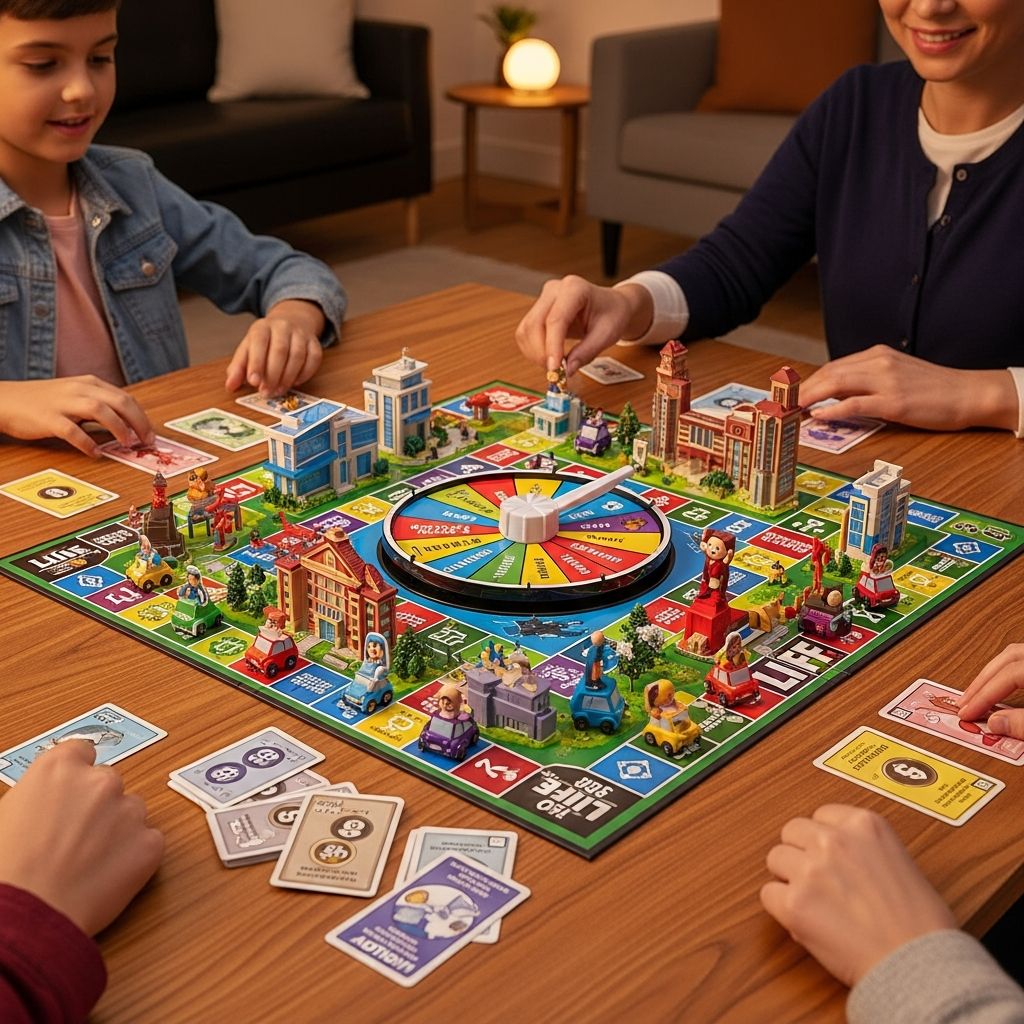
As dads, model these for children. Consistent parenting—fair discipline, presence—mirrors spousal reliability. Joint family rituals, like game nights, bond all. Stay-at-home dads report collaborative shifts post-role changes, enhancing equity.
Transcendental meditation or mindfulness apps aid stress management, improving patience homeward.
Frequently Asked Questions
What if my partner doesn’t reciprocate habits?
Lead by example; discuss gently without scorekeeping. Progress often inspires mutuality.
How long until habits stick?
Research suggests 66 days average; track via apps for accountability.
Can these fix major issues?
They strengthen foundations but pair with counseling for deeper rifts.
Best habit for busy parents?
5-minute daily check-ins: Share highs/lows, listen actively.
How to restart lapsed routines?
Forgive slips; recommence small, celebrate streaks.
Overcoming Common Barriers
Fatigue or resentment blocks adoption. Counter with self-care: Exercise, sleep hygiene. View habits as investments yielding compounded returns—less bickering, more laughter.
Track wins weekly: “What worked? Adjust what?” This meta-habit sustains momentum.
References
- The Gottman Institute: The Magic Ratio — Gottman Institute. 2023-05-15. https://www.gottman.com/blog/the-magic-relationship-ratio-according-science/
- Oxytocin and Social Bonding — National Institutes of Health (NIH). 2022-11-10. https://www.ncbi.nlm.nih.gov/pmc/articles/PMC3183515/
- Consistency in Relationships — American Psychological Association. 2024-01-22. https://www.apa.org/monitor/2024/01/trends-building-healthy-relationships
- Cognitive Behavioral Couples Therapy — Association for Behavioral and Cognitive Therapies. 2023-08-07. https://www.abct.org/fact-sheets/couples-therapy/
- Journal of Marriage and Family: Relational Quality — Wiley Online Library (DOI). 2021-06-14. https://doi.org/10.1111/jomf.12758
- Harvard Grant Study — Harvard University. 2023-10-30. https://www.adultdevelopmentstudy.org/
- Emotional Labor in Marriage — American Psychological Association. 2024-03-05. https://www.apa.org/monitor/2024/03/emotional-labor-marriage