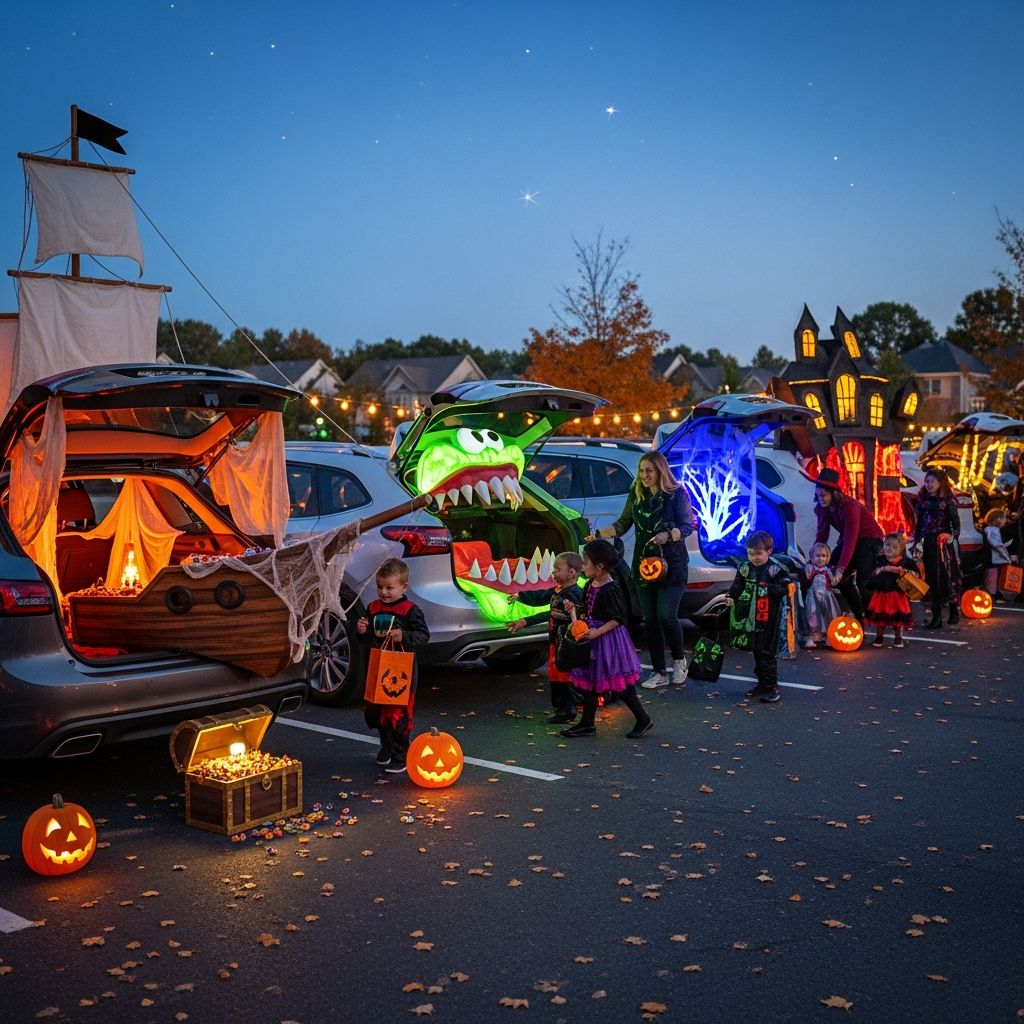
Understanding the Modern Halloween Celebration Trend
Over the past two decades, Halloween traditions have evolved significantly to meet the needs of contemporary families. One innovation that has gained substantial momentum is trunk-or-treating, a concept that reimagines how children collect candy and celebrate this beloved holiday. Rather than traversing neighborhoods on foot, families gather in organized parking lots where decorated vehicles become the focal points of trick-or-treating activity. This approach has transformed from a niche practice into a widespread phenomenon, with schools, churches, and civic organizations nationwide hosting these events annually.
The shift toward trunk-or-treating reflects broader changes in how families approach holiday celebrations. Parents increasingly seek experiences that balance tradition with practical concerns such as safety, accessibility, and convenience. Trunk-or-treating addresses these considerations while maintaining the excitement and candy-focused joy that has defined Halloween for generations.
The Evolution and Origins of Trunk-or-Treating
Trunk-or-treating emerged approximately two decades ago, originating from local churches and civic organizations seeking alternative ways to celebrate Halloween. These early events addressed specific community concerns, particularly the desire to create safer environments for children while maintaining the festive spirit of the holiday. What began as a small-scale initiative has since expanded dramatically, with manufacturers now producing specialized decoration kits and social media platforms featuring trunk-or-treating inspiration content.
The growth of trunk-or-treating has been remarkable enough that trade organizations have taken notice. The Halloween & Costume Association, a New Jersey-based trade group, has documented trunk-or-treating as a significant trend, noting that manufacturers have responded by creating all-in-one decoration kits, some priced as low as $9.99, making participation affordable for diverse families. This commercial development indicates the trend’s mainstream acceptance and indicates its staying power in the Halloween celebration landscape.
How Trunk-or-Treat Events Are Organized and Executed
The mechanics of trunk-or-treating are straightforward yet offer substantial flexibility for organizers and participants. Successful events typically unfold in several coordinated steps that ensure safety, enjoyment, and logistical efficiency.
Venue Selection and Setup: Large parking lots serve as ideal locations for trunk-or-treat events, providing sufficient space for vehicles to arrange in accessible patterns and for pedestrians to navigate safely between decorated cars. Organizers typically select venues associated with schools, churches, or community centers that have adequate parking infrastructure and security measures in place.
Vehicle Decoration: Participants transform their vehicle trunks into themed displays using creative decorations, props, and lighting elements. Trunk designs range from traditional spooky themes to pop culture references and whimsical concepts, allowing adults to express creativity while engaging children in the festivities. String lights and lanterns enhance visibility and create an inviting atmosphere for young trick-or-treaters.
Candy Distribution: Participants stock their trunks with treats, similar to traditional trick-or-treating, though organizers frequently encourage allergy-friendly alternatives such as stickers, pencils, and small toys to accommodate children with dietary restrictions. Many formal events feature pre-screened participants and distribute only sealed, packaged items to ensure food safety.
Costume Participation: Both children and adults wear costumes, often coordinating their attire with their vehicle’s theme. This shared costume element strengthens the festive atmosphere and encourages family participation across age groups.
Enhanced Safety Features and Security Measures
One of the primary advantages driving trunk-or-treating’s popularity is the inherent safety benefits compared to traditional neighborhood trick-or-treating. The controlled environment addresses multiple concerns that parents face during conventional Halloween celebrations.
Trunk-or-treat events eliminate exposure to busy streets and vehicular traffic that pose risks during door-to-door trick-or-treating in residential neighborhoods. Children navigate contained parking lots rather than crossing streets, walking along roadways, or being separated from adult supervision. Parents maintain greater visibility and control over their children’s movements and interactions.
The vetting process for event participants adds another security layer. Organizers typically screen participants in advance, ensuring that only approved individuals participate in candy distribution. This differs from traditional trick-or-treating, where children approach unfamiliar homes and adults. Additionally, the organized nature of these events means parents often recognize other participants as teachers, neighbors, and community members, reducing concerns about strangers.
Food safety receives particular attention at organized trunk-or-treat events. Parents or organizers who supply candy beforehand can inspect items for tampering or contamination, addressing historical concerns about Halloween candy safety. The requirement that only sealed, packaged treats be distributed further reduces health and safety risks for participating children.
Practical Advantages for Contemporary Families
Beyond safety considerations, trunk-or-treating offers significant practical benefits that appeal to modern families with diverse needs and circumstances.
Efficiency in Candy Collection: Families living in rural or geographically dispersed areas face substantial challenges during traditional trick-or-treating, requiring extensive travel between distant houses. Trunk-or-treat events concentrate candy distribution in single locations, allowing children to maximize their haul in minimal time. This efficiency is particularly valuable for families with multiple children of varying ages and energy levels.
Guaranteed Participation Success: Traditional trick-or-treating involves uncertainty—children may encounter homes where no one answers the door or where residents have run out of candy. Trunk-or-treat events eliminate this disappointment. Vehicles participating in organized events are present specifically to distribute candy, ensuring that every child walks away with a full bag of treats and a successful Halloween experience.
Accessibility for All Children: Children with mobility challenges, sensory sensitivities, or other accessibility needs may find trunk-or-treating more manageable than navigating neighborhoods on foot. The contained environment allows families to proceed at comfortable paces and take breaks as needed without pressure to keep up with traditional trick-or-treating timelines.
Inclusive Atmosphere: Trunk-or-treat events create community connections by bringing together diverse families in a relaxed, organized setting. Participants encounter neighbors, other parents, and local businesses, fostering social bonds and neighborhood cohesion that enhance overall community engagement.
Entertainment Beyond Candy Collection
A distinguishing feature of organized trunk-or-treat events is the availability of supplementary entertainment and activities. Rather than functioning as simple candy distribution occasions, these gatherings often resemble community festivals with multiple attractions.
Events frequently feature music, games, food trucks, photo booths, and contests for best-decorated trunks. These additions provide entertainment for children whose energy flags during candy collection and offer family-friendly activities that extend the celebration beyond candy-focused trick-or-treating. The “all-in-one” nature of these events is particularly beneficial for families with younger children who tire easily, as activities and attractions are contained in a single location rather than scattered across a neighborhood.
Considerations and Potential Limitations
While trunk-or-treating offers substantial advantages, the approach does present some considerations worth acknowledging. Older children and adolescents may view trunk-or-treating as less appealing than traditional trick-or-treating because it offers reduced independence and autonomy. Halloween has historically served as an opportunity for older children to expand boundaries, spend time with friends without direct parental supervision, and develop social skills through interactions with unfamiliar adults.
The structured nature of trunk-or-treat events, while beneficial for safety and organization, may limit the spontaneity and exploration that characterize traditional Halloween celebrations. Children miss opportunities to navigate independently, make decisions about route selection, and experience minor challenges that contribute to confidence building and social development.
Tips for Maximizing Your Trunk-or-Treat Experience
Families and participants can enhance their trunk-or-treat participation by following several practical recommendations:
- Arrive Early: Provide adequate setup time for vehicle decoration and settling in before crowds arrive.
- Stock Generously: Prepare more candy than anticipated, as children often arrive in larger numbers than expected.
- Dress Appropriately: Wear costumes and clothing suitable for outdoor conditions, as events occur during fall weather.
- Offer Allergy-Friendly Options: Include non-candy treats to accommodate children with dietary restrictions or allergies.
- Enhance Visibility: Use lighting elements such as string lights or lanterns to make your trunk inviting and easily locatable.
- Embrace Your Theme: Stay in character with your trunk decoration to create an immersive experience.
- Arrive with Realistic Expectations: Plan breaks and pacing appropriate for your children’s ages and energy levels.
Community Building Through Organized Celebration
Trunk-or-treat events serve purposes beyond entertainment and candy collection. These gatherings strengthen community bonds by creating opportunities for families to interact in informal, enjoyable settings. Parents connect with other families, children build relationships with schoolmates outside classroom environments, and neighborhoods develop enhanced social cohesion.
The involvement of schools, churches, and civic organizations in hosting trunk-or-treat events reinforces community identity and participation. These institutions provide venues, coordinate logistics, and ensure security measures, transforming Halloween from an isolated household activity into a shared community celebration.
The Future of Halloween Celebrations
Trunk-or-treating represents a significant evolution in how families celebrate Halloween while maintaining core traditions of costume wearing and candy collection. The trend’s sustained growth indicates that this approach addresses genuine needs within contemporary families seeking safer, more convenient, and more inclusive celebration methods.
The innovation demonstrates how traditions can adapt to meet modern circumstances without losing their essential character. Families benefit from enhanced safety and efficiency while children continue to experience the excitement and joy that have made Halloween a beloved holiday for generations.
Frequently Asked Questions About Trunk-or-Treating
What is the primary difference between trunk-or-treating and traditional trick-or-treating?
Trunk-or-treating takes place in organized parking lots where decorated vehicles distribute candy, whereas traditional trick-or-treating involves going door-to-door in residential neighborhoods. Trunk-or-treating is more organized, controlled, and typically safer due to reduced vehicular traffic exposure and screened participants.
Are trunk-or-treat events appropriate for all age groups?A: Yes, trunk-or-treat events accommodate children of various ages. However, older children may prefer traditional trick-or-treating for the independence and autonomy it provides. Many families participate in both activities to meet different family members’ preferences.
Q: How do I find trunk-or-treat events in my community?
Check with local schools, churches, parks and recreation departments, and community centers. Many post event information on their websites or social media accounts. Local online community boards and parent groups also share information about upcoming trunk-or-treat events.
What should I bring if I’m participating as a candy distributor?
Bring sealed, packaged candies and treats in quantities larger than expected. Include allergy-friendly options such as stickers, pencils, or small toys. Arrive early to decorate your trunk and arrange your supplies efficiently.
Are there costs associated with participating in trunk-or-treat events?
Most organized trunk-or-treat events are free for attending families. Participating as a candy distributor may involve purchasing candy and decoration supplies, though all-in-one decoration kits are available at affordable prices.
How can I make my trunk decoration stand out?
Choose a cohesive theme, use lighting elements to enhance visibility, incorporate props and costumes that match your theme, and stay in character during the event. Popular themes include movies, television shows, classic monsters, and pop culture references.
References
- The Pros and Cons of Trunk or Treating — BestofNJ.com. Accessed January 2026. https://bestofnj.com/features/holidays/halloween/the-pros-and-cons-of-trunk-or-treating/
- Halloween ‘Trunk-or-Treat’ Events Become Growing Trend as Safety Becomes Top Priority — Fox News Digital. Accessed January 2026. https://www.foxnews.com/lifestyle/halloween-trunk-or-treat-events-become-growing-trend-safety-becomes-top-priority
- What is Trunk or Treat? A Complete Guide to This Fun and Safe Halloween Tradition — Mommy Halloween. Accessed January 2026. https://mommyhalloween.com/what-is-trunk-or-treat-a-complete-guide-to-this-fun-and-safe-halloween-tradition/
- Who’s Afraid of Trunk-or-Treat? — The Urbanist. October 31, 2018. https://www.theurbanist.org/2018/10/31/whos-afraid-of-trunk-or-treat/