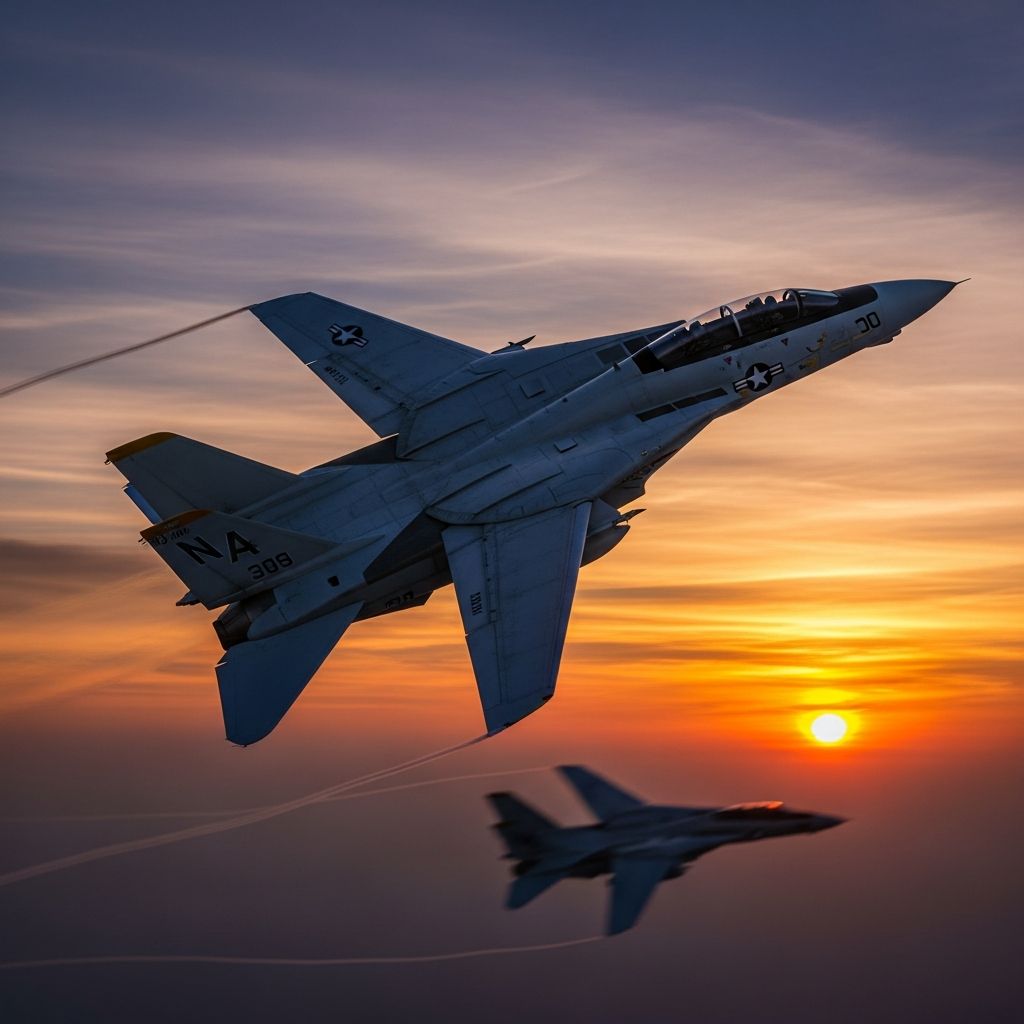
In a film packed with jet engines, rivalries, and romance, one character quietly defines what it means to have someone watching your back: Slider, played by Rick Rossovich. The original Top Gun may be remembered for Maverick and Iceman, but Slider is the steady presence that makes the high-flying drama feel human, grounded, and believable as a story about teamwork and loyalty.
This article explores how Slider became the blueprint for the modern cinematic wingman, what the real-world concept of a wingman looks like in aviation and the military, and why viewers still gravitate toward this kind of character decades later.
The Wingman: From Flight Formations to Pop Culture
The word wingman did not originate in bars or dating apps. It comes from military aviation, where the safety and success of a mission depend on pilots flying in close coordination.
- In an aerial formation, a wingman flies slightly behind and to the side of the lead aircraft, protecting the leader by watching their vulnerable rear position.
- The wingman increases situational awareness, helps spot threats, and coordinates offensive and defensive maneuvers with the lead pilot.
- The relationship is built on trust, communication, and mutual support, not just raw flying skill.
Modern air forces have expanded the concept beyond the cockpit. The U.S. Air Force uses the term “wingman” as a cultural and ethical standard: Airmen are expected to take care of each other, on and off duty, to keep the team and mission strong.
According to official Air Force commentaries, being a wingman means:
- Protecting each other’s flank so the mission can succeed.
- Watching for early signs of trouble—stress, risky behavior, or safety hazards—and stepping in before they escalate.
- Having a personal commitment to do the right thing, even when it is uncomfortable.
This deeper, values-based definition is part of why the wingman concept translates so well from real life into film: it is not just about being second in command, but about having someone who refuses to let you fall.
Top Gun and the Birth of the Modern Screen Wingman
When Top Gun premiered in 1986, it did more than glamorize fighter jets. It embedded the idea of a wingman into the popular imagination, especially through its tightly drawn relationships in and out of the cockpit.
Slider appears as Iceman’s radar intercept officer (RIO) and partner, a role that might sound secondary but is critical in the world of naval aviation. While the pilot flies the aircraft, the RIO manages the radar, threats, navigation, and communication—essentially acting as the pilot’s extra brain and guardrail.
On screen, Slider embodies several traits that mirror the real-world expectations of a wingman:
- Unshaken loyalty to his pilot, Iceman, even when tensions with Maverick rise.
- Team-first mindset, constantly reinforcing that success is about the crew, not just the star.
- Grounding presence, offering levity, sarcasm, and reassurance in high-stress moments.
There is a reason so many viewers remember Slider’s dynamic with Iceman, even if they do not recall every line of dialogue: the relationship feels lived-in, like these two men have flown countless missions together. That sense of history is one hallmark of a convincing wingman duo.
Rick Rossovich’s Slider: More Than Comic Relief
At first glance, Slider might look like the archetypal ’80s sidekick: muscled, confident, competitive, and quick with a one-liner. But the performance goes beyond the stereotype.
Rick Rossovich infuses Slider with a mix of bravado and warmth that balances the film’s sharper edges. When other characters clash, he often operates in the background, but his reactions help the audience interpret what is happening:
- He mirrors the intensity of the rivalry when needed, amplifying the stakes.
- He uses humor to defuse tension and keep scenes from becoming too self-serious.
- He signals respect, concern, or skepticism through subtle body language, underscoring that these are real professionals, not just action figures.
His role illustrates how a supporting character can carry emotional weight without monopolizing the story. Slider’s loyalty to Iceman and his consistent backing during moments of conflict emphasize that no pilot flies alone—narratively or emotionally.
What Makes an “Ultimate Wingman” On Screen?
To understand why Slider resonates, it helps to break down the traits that define an effective wingman, both in real aviation and in storytelling.
| Wingman Trait | Real-World Meaning | How Slider Reflects It |
|---|---|---|
| Protection | Watching the lead’s blind spots, catching threats early. | Defends Iceman in verbal and professional conflicts; backs his calls. |
| Trust | Absolute confidence that your partner will act in your best interest. | Shows unwavering faith in Iceman’s abilities and decisions. |
| Communication | Clear, timely information sharing that keeps everyone safe. | Always in sync with Iceman—verbal and non-verbal rapport. |
| Accountability | Owning mistakes, backing decisions, and guarding the mission. | Aligns with squadron standards, reinforces discipline and focus. |
| Emotional support | Being present when stress, fear, or doubt surface. | Offers camaraderie, jokes, and presence that hold the team together. |
Slider checks each of these boxes in a cinematic way, giving the audience a recognizable, emotionally satisfying version of the wingman ideal.
Rivalry, Respect, and the Wingman’s Balancing Act
One of the most compelling aspects of Top Gun is how competition and cooperation collide. Maverick wants to be the best. Iceman wants to be the best. Their friction powers the story—but it is Slider who often acts as the stabilizing agent around Iceman.
This balance mirrors real-world guidance from Air Force leaders, who emphasize that healthy competition is acceptable as long as mutual support and mission focus remain intact.
- Slider supports the rivalry but does not let it undermine the core objective: flying safely and winning as a team.
- He helps sharpen Iceman’s competitive edge without pushing him into recklessness.
- He becomes an anchor that keeps Iceman’s confidence from tipping into dangerous arrogance.
By playing this role, Slider shows a key truth about being a good wingman: it is not about echoing everything your partner does. It is about balancing them.
From Cockpit to Civilian Life: The Wingman in Everyday Terms
The reason Slider’s character still resonates is that audiences recognize versions of this dynamic in their own lives. The U.S. Air Force openly encourages people to think of “being a wingman” as something that applies in daily life—not just in combat.
In ordinary terms, a wingman might be:
- The friend who stays sober to drive everyone home safely.
- The colleague who double-checks your big presentation and points out errors you missed.
- The partner who notices when you are overwhelmed and quietly takes tasks off your plate.
- The teammate who asks how you are really doing—and listens to the answer.
According to Air Force guidance and training materials, this kind of support includes both small, consistent acts (like reminders, check-ins, and shared responsibilities) and decisive interventions when someone may be at risk. That dual role—steady presence plus emergency backup—is exactly what makes the best wingmen, on screen and off, so indispensable.
How Rossovich Turned a Supporting Role into a Lasting Icon
It is one thing to write a wingman character on the page; it is another thing for an actor to make that role unforgettable next to some of the biggest stars of the era. Rick Rossovich achieves this through a mix of physical presence, natural charisma, and nuanced reaction work.
Key ingredients in his performance include:
- Physicality: Slider’s athletic build and confident posture sell him as a capable naval aviator who has earned his place.
- Timing: His reactions and quips arrive at moments that keep the energy balanced, especially when scenes tilt too far toward melodrama or tension.
- Non-verbal acting: Glances, smirks, and subtle shifts in body language communicate friendship, skepticism, or concern without needing extra lines.
- Chemistry: His easy rapport with Iceman makes their partnership believable, which in turn raises the emotional stakes of every training hop and dogfight.
These choices demonstrate how a “secondary” character can feel fully realized. Many viewers may not think of Slider as the emotional core of the film, but they would notice immediately if he were missing: the squadron would seem colder, the rivalry harsher, and the victories less communal.
Lessons from Slider: How to Be a Better Wingman in Real Life
While Top Gun is fiction, it echoes values that real military organizations emphasize in their own discussions of the wingman concept. You do not need a flight suit to apply them.
1. Watch Their Six
In aviation, “watching your six” means guarding the area behind someone, where they cannot see threats. In everyday life, it might look like:
- Noticing when a friend’s workload is unsustainable and helping them prioritize.
- Seeing signs of burnout or distress and gently starting a conversation.
- Stepping in when someone is about to make a risky decision they may regret.
2. Speak Up, Even When It Is Uncomfortable
Official Air Force commentary repeatedly stresses that being a wingman involves moral courage—doing the right thing for your teammate, not just the easy thing.
- Take the keys from a friend who has had too much to drink.
- Encourage a colleague to seek support if they are clearly struggling.
- Correct misinformation or unsafe behavior, even if it makes you briefly unpopular.
3. Be Consistent, Not Just Heroic
Wingman programs and training in the military highlight that most of the job is not dramatic rescue; it is routine attention and reliability.
- Show up when you say you will.
- Check in regularly, not only when a crisis hits.
- Do your share of the work without needing constant supervision.
Slider models this consistency. The film rarely shows him as a grand savior in a single moment; instead, he is always there, reinforcing Iceman and the team.
Why Wingmen Like Slider Endure in Film History
Characters such as Slider endure because they satisfy a quiet emotional need in stories: we want to believe that nobody has to face danger, ambition, or heartbreak alone. The wingman archetype reassures the audience that behind every daring hero is someone who will not look away when things get hard.
In Top Gun, Slider’s steady presence behind Iceman helps the whole film feel more grounded. He embodies the values real forces like the U.S. Air Force articulate when they talk about being a wingman: vigilance, loyalty, courage, and care.
As new generations discover the film and its sequels, the jets and technology may evolve, but the underlying appeal stays the same. People still want to see what it looks like when someone has your back completely. In that sense, Rick Rossovich’s Slider is more than just a nostalgic favorite—he is a cinematic reminder of a timeless principle: the mission is never truly solo when you fly with a good wingman.
Frequently Asked Questions (FAQs)
Q: What is a wingman in real aviation?
A: In military aviation, a wingman is the pilot who flies slightly behind and to the side of the lead aircraft, protecting the leader’s vulnerable rear position, expanding situational awareness, and providing mutual support in both offensive and defensive maneuvers.
Q: How does the military use the term “wingman” outside the cockpit?
A: The U.S. Air Force uses “wingman” as a cultural principle meaning Airmen should look out for each other’s physical, emotional, social, and spiritual well-being, intervening early when someone shows signs of trouble so the entire team and mission stay strong.
Q: Why do wingman characters in movies feel so important?
A: Wingman characters embody reliability and loyalty; they make the audience feel that the hero is part of a real team, not just a lone adventurer. This reflects real-life expectations in high-risk professions, where trust and mutual support are often more critical than individual talent.
Q: What can we learn from wingman culture for everyday life?
A: Wingman culture emphasizes noticing when others are struggling, taking responsibility for each other’s safety, communicating openly, and acting with moral courage, even when it is awkward—all behaviors that strengthen friendships, families, and workplaces.
Q: Do you have to be a leader to be a good wingman?
A: Air Force leaders note that good wingmen both lead and follow as needed: they support decisions once made, but they also step up when circumstances demand leadership, proving that the wingman role is about shared responsibility rather than rank alone.
References
- Wingman Tactics: Defensive and Offensive Maneuvers in Air Combat — AVI-8 Aviation Journal. 2023-05-01. https://avi-8.com/blogs/the-aviation-journal/wingman-tactics-defensive-and-offensive-maneuvers-in-air-combat
- Being a wingman — Holloman Air Force Base (U.S. Air Force). 2015-03-09. https://www.holloman.af.mil/News/Commentaries/Display/Article/663793/being-a-wingman/
- What does it mean to be a ‘Wingman?’ — U.S. Air Force. 2009-09-01. https://www.af.mil/News/Commentaries/Display/Article/142238/what-does-it-mean-to-be-a-wingman/
- Wingmen: The Warrior Spirit, Not Just a Buddy — Civil Air Patrol / U.S. Air Force Auxiliary (PDF). 2012-01-01. https://www.gocivilairpatrol.com/media/cms/L10_Wingmen__The_Warrior_Spirit_Not_0F75EDB6B695D.pdf
- We take care of each other… it’s the wingman thing to do — Air University (U.S. Air Force). 2010-02-26. https://www.airuniversity.af.edu/News/Display/Article/421505/we-take-care-of-each-other-its-the-wingman-thing-to-do/