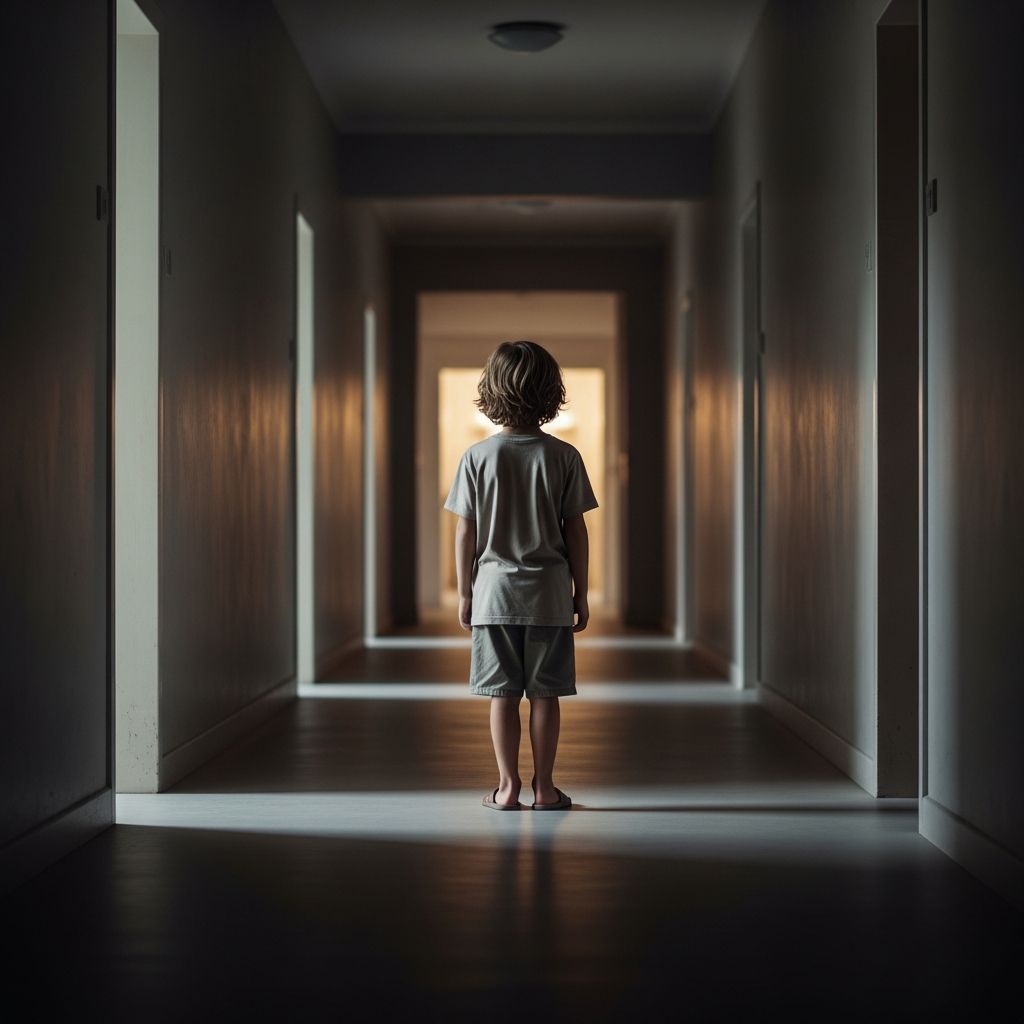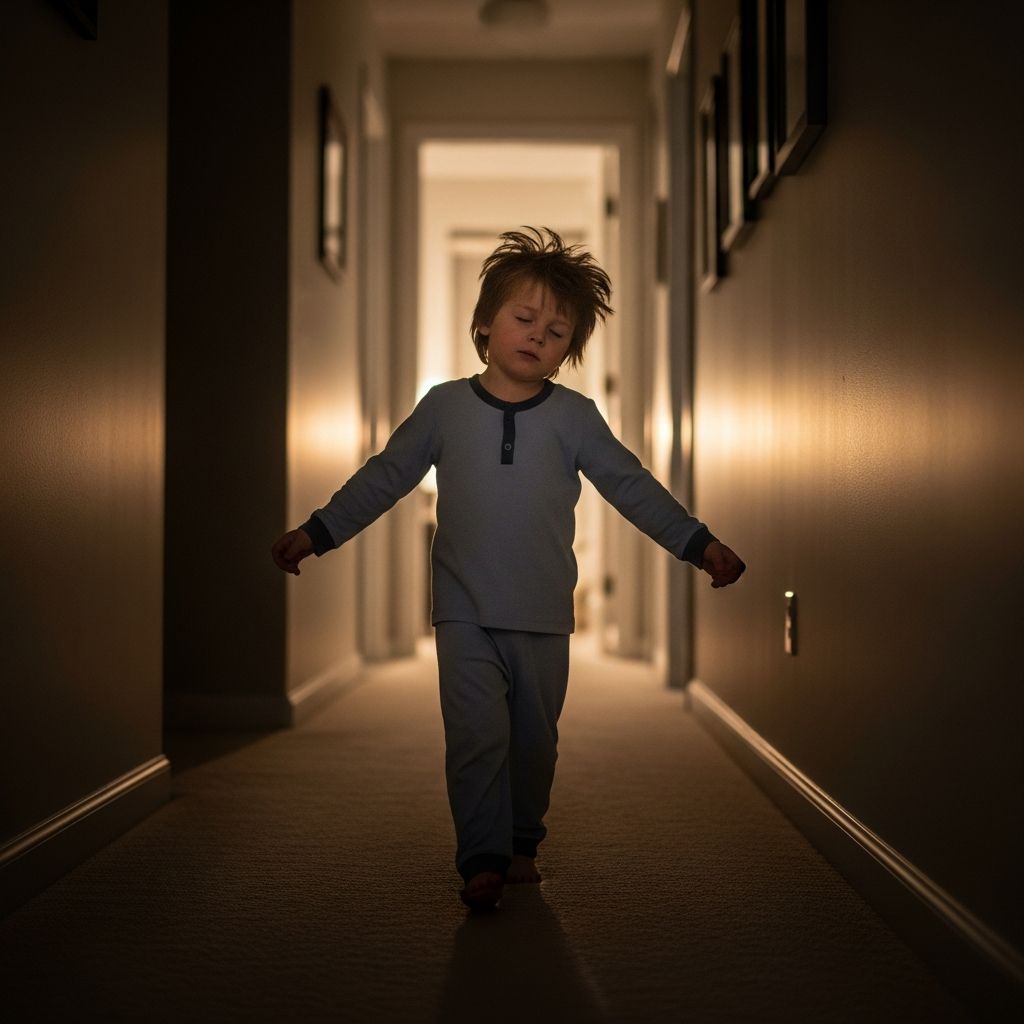
Sleepwalking can be alarming to watch, especially when it involves a child wandering around in the middle of the night. Yet in most cases, it is a short-lived and harmless part of childhood. This guide explains what sleepwalking is, why it happens, how to keep kids safe, and when to seek medical help.
What Is Sleepwalking?
Sleepwalking, also called somnambulism, is a type of parasomnia—an unusual behavior that occurs during sleep. It typically begins in deep non-REM (non–rapid eye movement) sleep and involves getting out of bed and moving around while the brain is still mostly asleep. Children who sleepwalk usually:
- Get up from bed and walk or perform simple activities while not fully awake
- Appear confused or glassy-eyed if spoken to
- Are hard to wake up during an episode
- Do not remember the event the next morning
In many children, sleepwalking happens occasionally and resolves on its own as they grow older.
How Common Is Sleepwalking in Kids?
Sleepwalking is more common in children than adults and often runs in families. Studies suggest that episodes are most frequent between school age and early adolescence, then decrease in the teenage years.
Although exact numbers vary between studies, experts agree that sleepwalking is a relatively common pediatric sleep issue and is usually benign.
Why Do Children Sleepwalk?
Doctors do not fully understand why some children sleepwalk and others do not, but several factors are known to increase the likelihood of episodes. Sleepwalking appears when a child partially wakes from deep sleep so that the body can move but the thinking part of the brain is not fully alert.
Common Triggers and Contributing Factors
- Sleep deprivation or irregular sleep schedules
- Stress or emotional upset, including anxiety or major changes at home or school
- Fever or illness that disrupts normal sleep patterns
- Other sleep disorders, such as obstructive sleep apnea or restless legs syndrome
- Medications, including some sedatives, hypnotics, and other drugs affecting the brain
- Substances like alcohol or other drugs in older teens
- Family history of sleepwalking or other parasomnias
In some children, sleepwalking can also be related to medical or neurological conditions, such as migraine, hyperthyroidism, or head injury. A healthcare professional can help identify whether a specific health issue is playing a role.
What Does a Sleepwalking Episode Look Like?
Sleepwalking episodes usually occur during the first third of the night, when deep non-REM sleep is most common. Episodes can last from a few seconds to half an hour or more and may happen rarely or several times a week.
Typical Signs Parents May Notice
- Child sits up in bed with eyes open but looks distant or unfocused
- Child walks around the bedroom or house, sometimes performing simple tasks (opening drawers, moving objects)
- Mumbled talking or seemingly purposeful speech that does not make sense
- Minimal response when spoken to, or brief, confused replies
- Difficulty waking the child fully during the episode
- No memory of the event the next morning, or only a vague sense of a dream
Less Common but Possible Behaviors
Most children only engage in low-risk, short episodes. However, in some cases, sleepwalking can involve more complex or risky actions:
- Trying to leave the house or open doors
- Attempting to eat, get dressed, or use the bathroom in unusual places
- Climbing on furniture or walking toward stairs or windows
These behaviors increase the risk of injury and are the main reason safety planning is important.
Is Sleepwalking Dangerous?
For most children, sleepwalking itself is not harmful and does not indicate serious psychological or neurological problems. The main concern is accidental injury if a child falls, bumps into furniture, or leaves the bedroom or home.
In addition, frequent episodes can disrupt a child’s sleep and may lead to:
- Daytime tiredness or trouble paying attention
- Moodiness or irritability from poor sleep
- Embarrassment, especially in older kids and teens
Keeping a Sleepwalking Child Safe at Home
Most pediatric sleep specialists recommend focusing first on home safety and healthy sleep habits before considering medical treatment. The goal is to allow the child to sleep while reducing the chance of injuries.
Home Safety Checklist
- Secure doors and windows: Lock exterior doors and windows; consider child-proof latches or alarms if episodes are frequent.
- Protect stairs: Use sturdy gates or safety barriers at the top of staircases.
- Clear obstacles: Remove sharp objects, low tables, or clutter along common walking paths in the home.
- Rearrange the bedroom: Move furniture away from the bed; avoid bunk beds for children who sleepwalk.
- Hide hazards: Keep knives, tools, cleaning products, and medications locked away.
- Use soft lighting: A dim nightlight can help you observe your child and may reduce confusion if they wake up.
What to Do During an Episode
- Stay calm and speak gently.
- Do not shout or shake the child awake; this can increase confusion or fear.
- Guide the child slowly back to bed, using a calm voice and light touch.
- Once the child is back in bed, ensure they are safe and let them return to sleep.
Contrary to a common myth, it is not considered dangerous to wake a sleepwalker, but they may be disoriented and upset if suddenly awakened. For most situations, gently guiding the child back to bed is sufficient.
Healthy Sleep Habits to Reduce Episodes
Because sleep loss and irregular schedules make sleepwalking more likely, improving sleep hygiene is a key strategy.
Sleep-Friendly Routines
- Consistent bedtimes and wake times: Keep the schedule similar every day, including weekends.
- Relaxing wind-down period: Start calming activities 20–40 minutes before bed, such as reading, drawing, or listening to soft music.
- Limit screens before bed: Avoid phones, tablets, and TVs for at least an hour before bedtime, as bright light can delay sleep.
- Comfortable sleep environment: Ensure the bedroom is dark, quiet, and at a comfortable temperature.
- Regular exercise: Encourage daytime physical activity, but avoid intense exercise right before bed.
Managing Stress and Emotions
Stress and anxiety can increase nighttime awakenings and sleepwalking episodes.
- Talk with your child daily about school, friends, and worries.
- Teach simple relaxation skills such as deep breathing or visualization.
- Consider counseling or therapy if your child shows ongoing signs of anxiety, trauma, or mood changes.
When Should Parents Call the Doctor?
Occasional, mild sleepwalking that does not pose safety risks can usually be monitored at home. Medical advice is important if any of the following occur:
- Episodes happen several times a week or cluster over many nights.
- Your child is at risk of falling, leaving the house, or otherwise getting hurt.
- Sleepwalking starts for the first time in the teen years or adulthood.
- There are signs of another sleep problem (loud snoring, pauses in breathing, gasping, or restless movements).
- Your child has unusual behaviors, such as violent actions, intense fear, or confusing events that might be seizures.
- Daytime functioning is affected—constant fatigue, poor school performance, or major behavior changes.
Keep a brief sleep diary noting bedtimes, wake times, and when episodes occur. This information can help your child’s healthcare provider make an accurate assessment.
How Do Doctors Evaluate Sleepwalking?
Most of the time, doctors diagnose sleepwalking based on a description from parents or caregivers and a review of the child’s health, medications, and sleep habits.
| Evaluation Step | What It Involves | Why It Helps |
|---|---|---|
| Medical history | Questions about past illnesses, injuries, medications, family history, and mental health. | Identifies possible medical or genetic contributors. |
| Sleep history | Details on bedtime routine, sleep schedule, snoring, night terrors, nightmares, and naps. | Reveals patterns or other sleep disorders that may trigger episodes. |
| Physical exam | Checking growth, ENT (ear, nose, throat), and neurologic status. | Looks for signs of conditions like sleep apnea or neurological problems. |
| Sleep study (polysomnography) | Overnight monitoring of brain waves, breathing, heart rate, and movement in a sleep lab. | Used selectively to evaluate complex cases or rule out seizures and other disorders. |
Treatment Options for Frequent or Risky Sleepwalking
Most children do not need medication or intensive treatment, especially if episodes are infrequent and safety measures are in place. When sleepwalking is severe, dangerous, or linked to another condition, doctors may recommend additional steps.
Addressing Underlying Problems
- Treating other sleep disorders: Managing obstructive sleep apnea, restless legs syndrome, or other sleep issues may reduce or eliminate sleepwalking.
- Adjusting medications: If a drug appears to trigger episodes, a clinician may modify the dose or switch medications.
- Managing medical or mental health conditions: Effective treatment for conditions like GERD, migraines, anxiety, or depression can help stabilize sleep.
Behavioral and Psychological Strategies
- Anticipatory awakenings: Waking the child 10–20 minutes before the usual time of an episode, keeping them briefly awake, then allowing them to fall back asleep. This can interrupt the pattern of arousals in some children.
- Cognitive-behavioral therapy (CBT): Structured therapy that teaches coping strategies for stress and improves sleep habits; CBT for insomnia has shown benefits for sleep quality and may help with parasomnias.
- Relaxation techniques and self-hypnosis: Under professional guidance, these approaches may decrease stress-related episodes and promote more stable sleep.
Medication When Necessary
Medication is generally reserved for children with severe, frequent, or dangerous episodes that do not improve with other measures.
- Benzodiazepines: These medicines reduce deep sleep and may decrease episodes, but they have potential side effects and must be used cautiously.
- Selected antidepressants: In some cases, certain antidepressants can help reduce parasomnias; a specialist will weigh benefits and risks.
- Other options: Early research suggests melatonin may be helpful in some cases of sleepwalking, though evidence is still developing.
Any medication plan should be closely supervised by a pediatrician or sleep specialist.
Supporting Your Child Emotionally
Children may feel embarrassed or frightened by the idea of walking around at night without knowing it. Parents can help by:
- Explaining in simple terms that sleepwalking is a common childhood sleep behavior.
- Reassuring the child that they are not doing anything wrong and are not “crazy.”
- Avoiding teasing or punishment about episodes.
- Involving older children in safety planning so they feel more in control.
Reducing shame and anxiety can, in itself, make nighttime episodes less frequent.
Frequently Asked Questions (FAQs)
Q1: Will my child outgrow sleepwalking?
Many children gradually stop sleepwalking by their teenage years as their sleep patterns mature. However, a small number may continue to have episodes in adulthood, especially if there is a strong family history or ongoing sleep disruption.
Q2: Should I try to wake my child when they are sleepwalking?
You generally do not need to fully wake them. The safest approach is to gently guide your child back to bed with calm words and light touch. If they do wake, they may be confused for a few minutes but are unlikely to be harmed by being awakened.
Q3: Is sleepwalking a sign of a mental health problem?
Most of the time, no. Sleepwalking in children is usually a benign sleep disorder related to arousal from deep sleep, not a sign of serious psychiatric illness. That said, stress, anxiety, or trauma can increase episodes, so it is helpful to address emotional concerns if they are present.
Q4: Can I prevent every sleepwalking episode?
It is not always possible to stop all episodes, but keeping a regular sleep schedule, reducing stress, and following safety measures can significantly decrease how often sleepwalking occurs in many children.
Q5: Does my child need a sleep study?
Most children with straightforward sleepwalking do not require a sleep study. A doctor may recommend overnight testing if episodes are very unusual, violent, or if there are signs of another disorder such as sleep apnea or seizures.
References
- Sleepwalking – Symptoms and causes — Mayo Clinic. 2023-04-15. https://www.mayoclinic.org/diseases-conditions/sleepwalking/symptoms-causes/syc-20353506
- Sleepwalking – Diagnosis and treatment — Mayo Clinic. 2023-04-15. https://www.mayoclinic.org/diseases-conditions/sleepwalking/diagnosis-treatment/drc-20353511
- Sleepwalking — NHS (National Health Service, UK). 2021-11-18. https://www.nhs.uk/conditions/sleepwalking/
- Sleepwalking: What Is Somnambulism? — Sleep Foundation. 2024-02-01. https://www.sleepfoundation.org/parasomnias/sleepwalking
- Somnambulism — StatPearls, NCBI Bookshelf. 2023-07-10. https://www.ncbi.nlm.nih.gov/books/NBK559001/
- Sleepwalking & Sleep Talking — American Academy of Sleep Medicine. 2014-01-01. https://aasm.org/resources/factsheets/sleepwalkingtalking.pdf
- Sleepwalking Symptoms & Causes — Baptist Health. 2022-06-01. https://www.baptisthealth.com/care-services/conditions-treatments/sleepwalking