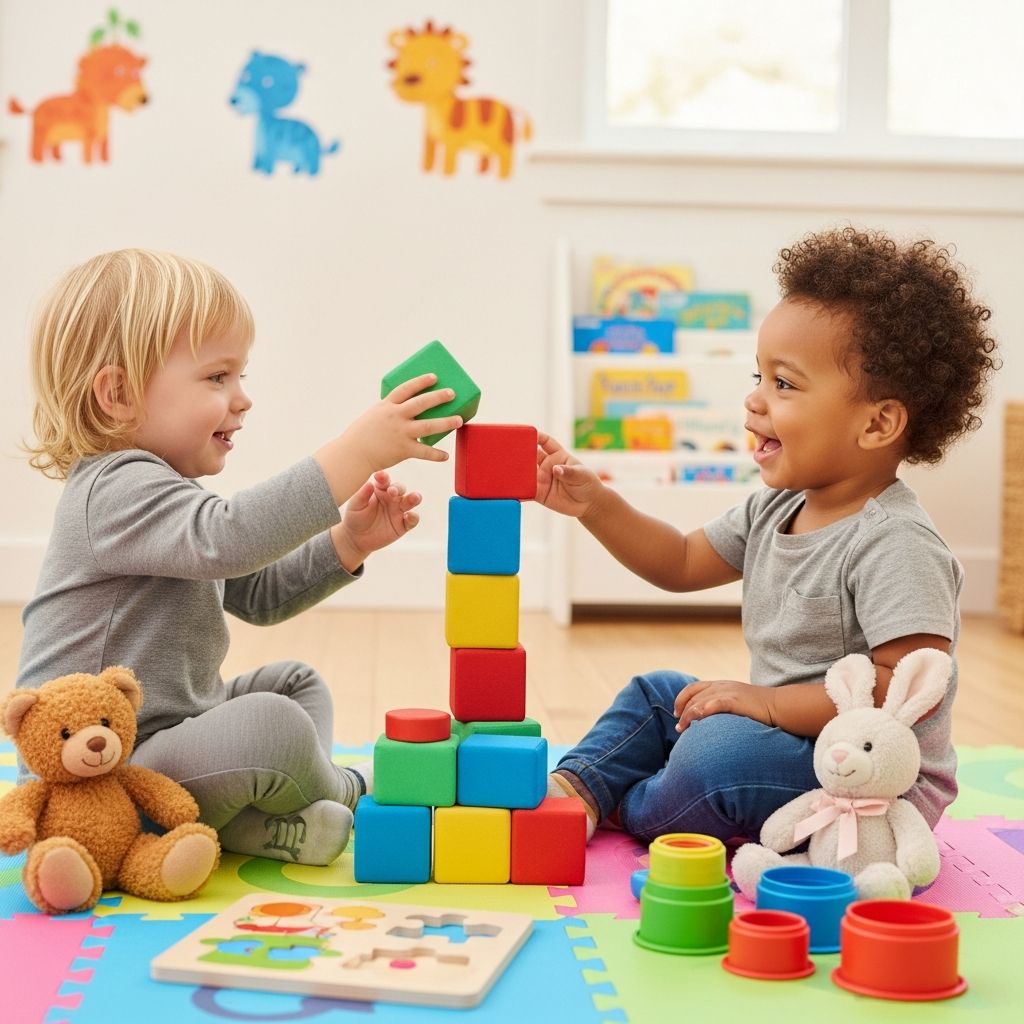
Traditional sleepovers have long been a childhood staple, filled with giggles, late-night talks, and unbreakable friendships. However, many parents today grapple with concerns over safety, sleep disruption, and emotional readiness. Enter the sleepunder—a clever hybrid that captures all the excitement of a sleepover without the overnight commitment. Children arrive in pajamas, indulge in snacks and games, and head home at bedtime to sleep soundly in their own beds.
This format addresses key parental pain points while fostering social bonds. According to child development insights, maintaining consistent sleep routines supports cognitive growth and emotional stability, making sleepunders an appealing choice for modern families.
Understanding the Sleepunder Concept
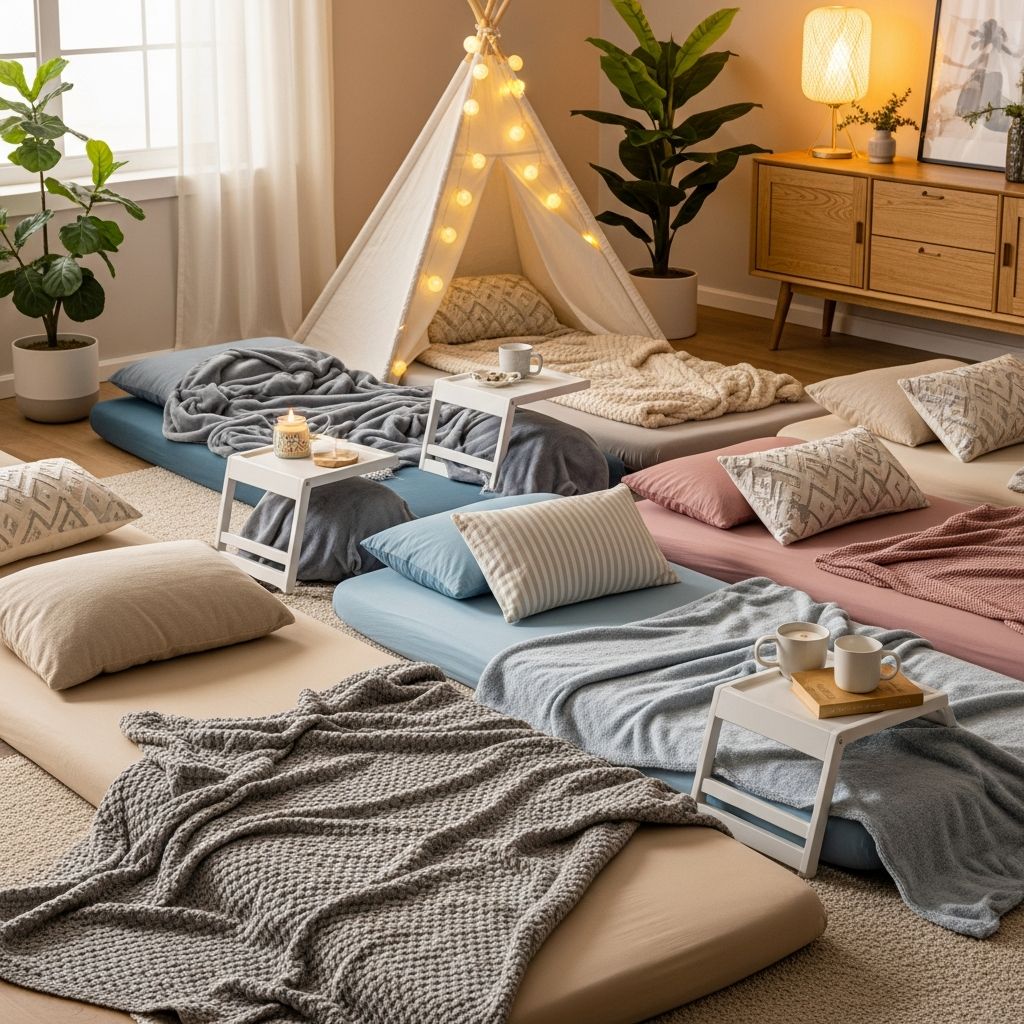
A sleepunder, sometimes called a “lateover” or “stay-late party,” mimics the vibe of a slumber party up until lights-out. Kids participate in classic activities like movie marathons, pillow forts, and truth-or-dare sessions, but parents collect them around regular bedtime—typically 9-10 PM. This ensures everyone gets restorative sleep at home.
Unlike full sleepovers, which can extend into the early hours and lead to overtired meltdowns the next day, sleepunders prioritize well-being. They are especially popular among families with younger children or those in nuclear setups where coordinating overnights feels daunting.
Key Benefits for Children and Parents
Sleepunders offer a balanced approach to fun and responsibility. Here’s why they’re gaining traction:
- Preserves Sleep Schedules: Children thrive on routine. Disrupted sleep from sleepovers can impair memory consolidation and mood regulation, but sleepunders allow kids to recharge properly.
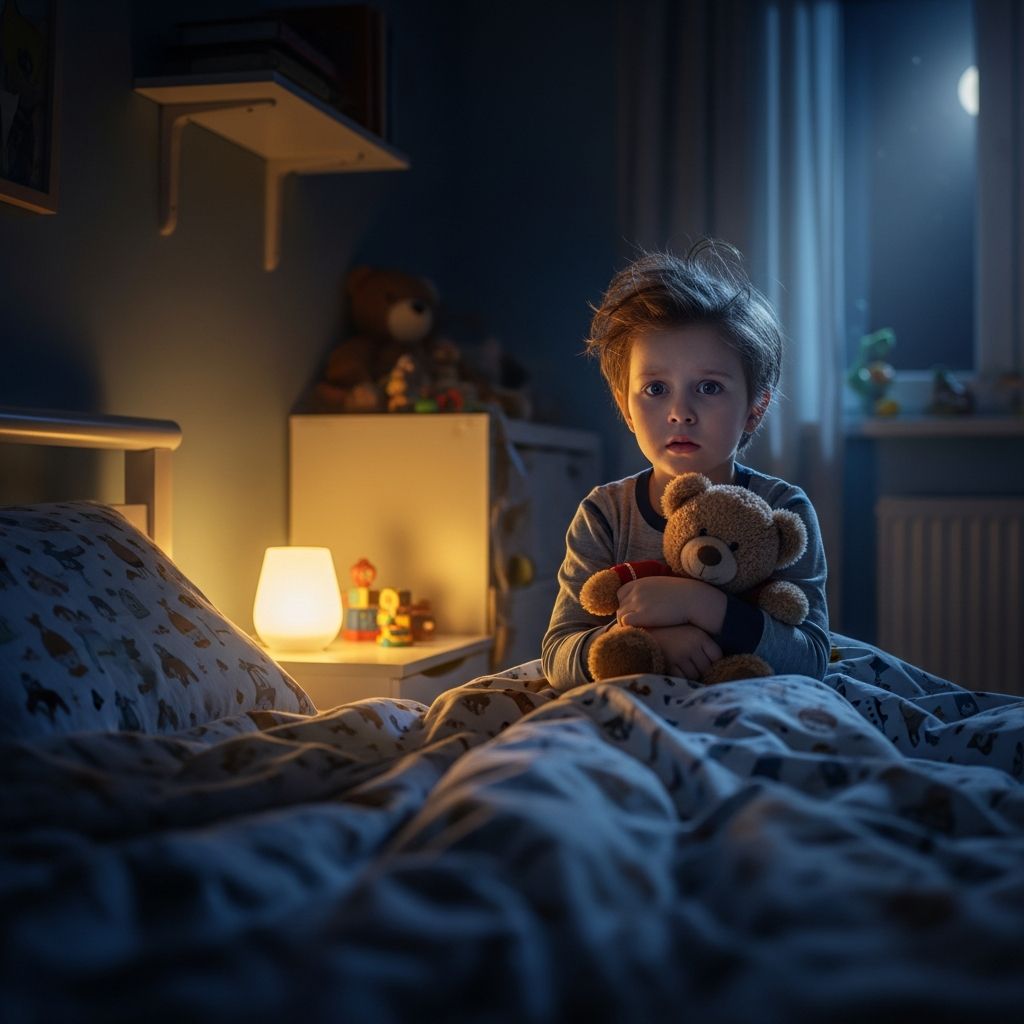
- Reduces Anxiety: For kids prone to homesickness or separation issues, knowing pickup is imminent eases nerves, enabling fuller participation.
- Enhances Safety: Parents maintain oversight in familiar environments, mitigating risks associated with unsupervised overnights.
- Promotes Inclusivity: Sensitive children or those with bed-wetting concerns join without fear of embarrassment.
- Builds Social Skills: Group activities foster friendships and teamwork, crucial for emotional development, minus overnight pressures.
Parents report less post-party crankiness and stronger family dynamics, as evenings end on a high note rather than exhaustion.
Comparing Sleepunders and Traditional Sleepovers
To highlight differences, consider this comparison:
| Aspect | Sleepunder | Sleepover |
|---|---|---|
| Duration | Evening only (ends ~10 PM) | Overnight (morning pickup) |
| Sleep Location | Own bed at home | Host’s home |
| Safety Control | High (parental pickup) | Lower (depends on host) |
| Sleep Quality | Consistent routine | Often disrupted |
| Best For | Younger kids, anxious families | Older, independent children |
This table underscores how sleepunders provide 80-90% of the fun with far fewer risks, based on parental feedback trends.
Ideal Age Groups and Developmental Fit
Sleepunders shine for children aged 6-10, when social desires peak but emotional maturity lags. Younger kids (under 6) may still need naps, making overnights impractical, while tweens (11+) might push for full sleepovers as independence grows.
Trauma-informed therapists note that sleepunders build resilience gradually. They allow practice with separations in low-stakes settings, transitioning naturally to overnights later. For highly sensitive children, this format prevents exclusion from peer events, supporting mental health.
Hosting a Memorable Sleepunder: Step-by-Step Guide
Planning a sleepunder is straightforward and customizable. Follow these steps for success:
- Choose a Theme: Pajama parties, movie nights, or glow-in-the-dark games keep energy high.
- Set Clear Timelines: Invite specifies arrival (e.g., 6 PM) and pickup (9:30 PM). Communicate with all parents upfront.
- Prepare Activities: Stock snacks, board games, crafts, and a playlist. Avoid screens right before bed to aid wind-down.
- Ensure Safety: Designate a safe word for kids to signal discomfort without explanation. Supervise closely.
- Wind Down Gently: Dim lights, serve herbal tea, and initiate pickup routine 15 minutes early.
Budget tip: Most sleepunders cost under $50, focusing on homemade treats and household games.
Common Activities to Keep the Fun Going
- Pizza-making stations for creative bonding.
- DIY spa nights with face masks and manicures.
- Storytelling circles or karaoke battles.
- Outdoor elements like flashlight tag (weather permitting).
- Photo booths for lasting memories.
These keep engagement high without overstimulation, aligning with sleep priorities.
Addressing Parental Concerns and Cultural Perspectives
Not all families embrace sleepovers due to cultural norms or past experiences. Sleepunders serve as a compromise, respecting traditions while allowing fun. In busy urban settings, they fit packed schedules better than all-nighters.
Safety advocates emphasize establishing boundaries early. A family safe word empowers kids to exit uncomfortable situations discreetly, applicable to both formats.
Real Parent Stories and Transitions to Sleepovers
Many families use sleepunders as a stepping stone. One parent shared how her 8-year-old, initially homesick-prone, aced three sleepunders before a successful overnight. Others note improved sleep post-event, reducing school-day fatigue.
For teens, evolve sleepunders into “midnight pickups” to extend fun gradually, matching maturity levels.
Frequently Asked Questions About Sleepunders
What age is best for a sleepunder?
Typically 6-12 years, when kids crave social time but need routine stability.
Can sleepunders be hosted at parks or venues?
Yes, for larger groups—opt for picnic-style evenings with group pickups.
How do I handle kids who beg to stay over?
Stick to the plan with empathy; frame it as “next time prep” for full sleepovers.
Are sleepunders cheaper than sleepovers?
Often yes, skipping breakfast and extra bedding needs.
What if a parent forgets pickup?
Have a group chat for reminders and backups; clarity prevents issues.
Potential Drawbacks and Solutions
While ideal for many, sleepunders require coordination. Late pickups can strain tired parents—solution: stagger end times by age. Overtired giggles near close? Structured wind-downs help.
In rainy weather, indoor crowding—rotate activity zones. Overall, pros outweigh cons for most.
Sleepunders represent innovative parenting: blending joy, safety, and health. They’re flexible, fostering memories without compromise.
References
- Parents opt for “sleepunders” instead of sleepovers — Upworthy. 2024. https://www.upworthy.com/sleepunder-vs-sleepover
- Why sleepunder is the new preferred night-out for kids — India Today. 2024-05-14. https://www.indiatoday.in/india-today-insight/story/why-sleepunder-is-the-new-preferred-night-out-for-kids-2539081-2024-05-14
- Why The Sleep-Under Is The New Sleepover — Scary Mommy. 2024. https://www.scarymommy.com/parenting/why-the-sleep-under-is-the-new-sleepover
- Sleepunder or Over? How to Navigate the World of Slumber Parties — Alamo City Moms. 2024. https://alamocitymoms.com/motherhood-parenting/sleepunder-or-over-how-to-navigate-the-world-of-slumber-parties/
- What Is a Sleep Under? And How to Host Your Own — The Everymom. 2024. https://theeverymom.com/what-is-a-sleep-under/