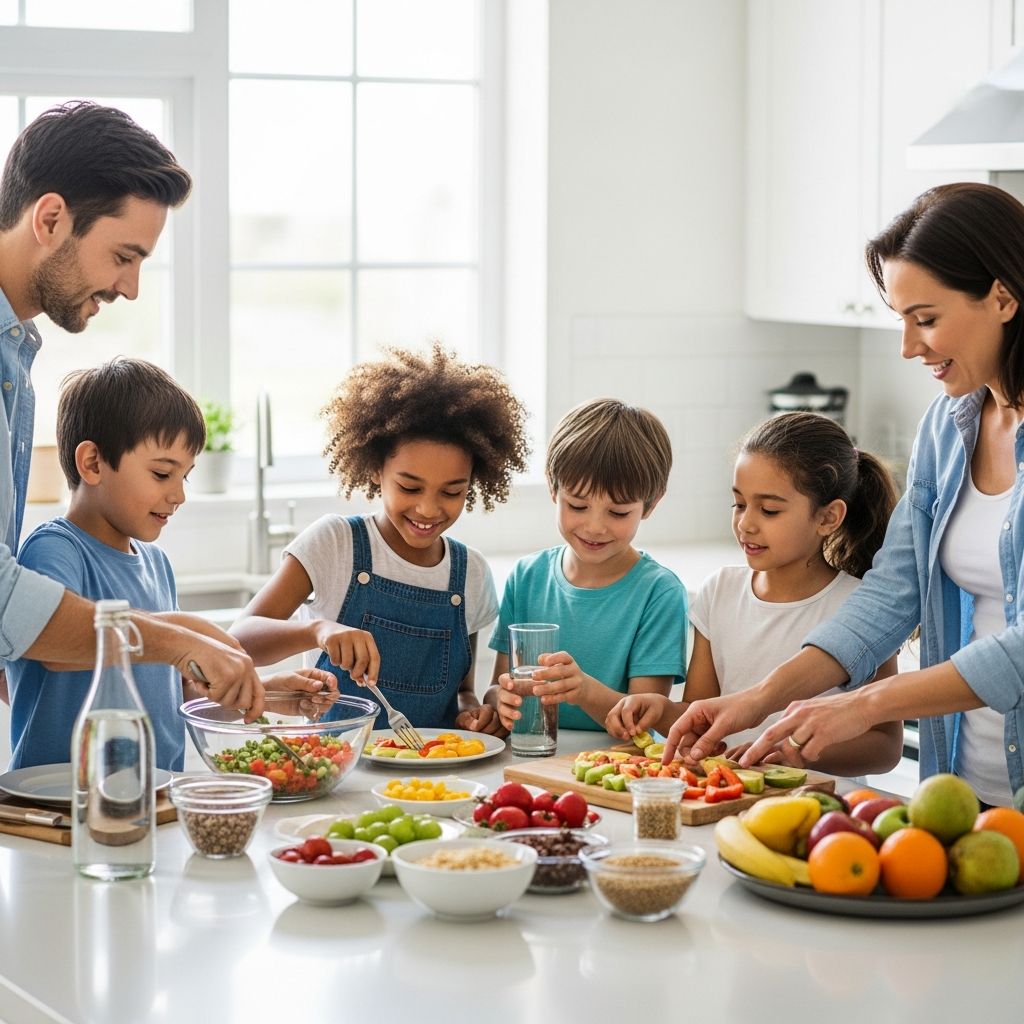
Bringing children into the kitchen transforms everyday meal prep into an exciting journey of discovery. These activities not only equip kids with practical abilities but also nurture cognitive growth, physical coordination, and a lifelong appreciation for nutritious foods. Research highlights how hands-on involvement increases willingness to try new ingredients and supports overall development.
Why Kitchen Time Matters for Growing Minds
Involving children in cooking yields profound benefits across multiple domains. It serves as a natural classroom for learning science through reactions like dough rising, math via precise measurements, and language by describing textures and flavors. Families who cook together report stronger emotional ties and improved eating habits among kids.
Studies demonstrate that kids participating in food preparation are more adventurous eaters, expanding their palates to include diverse fruits and vegetables. This exposure builds positive associations with healthy choices, reducing pickiness and fostering mindfulness during meals.
Mastering Safety First: The Foundation of Fun
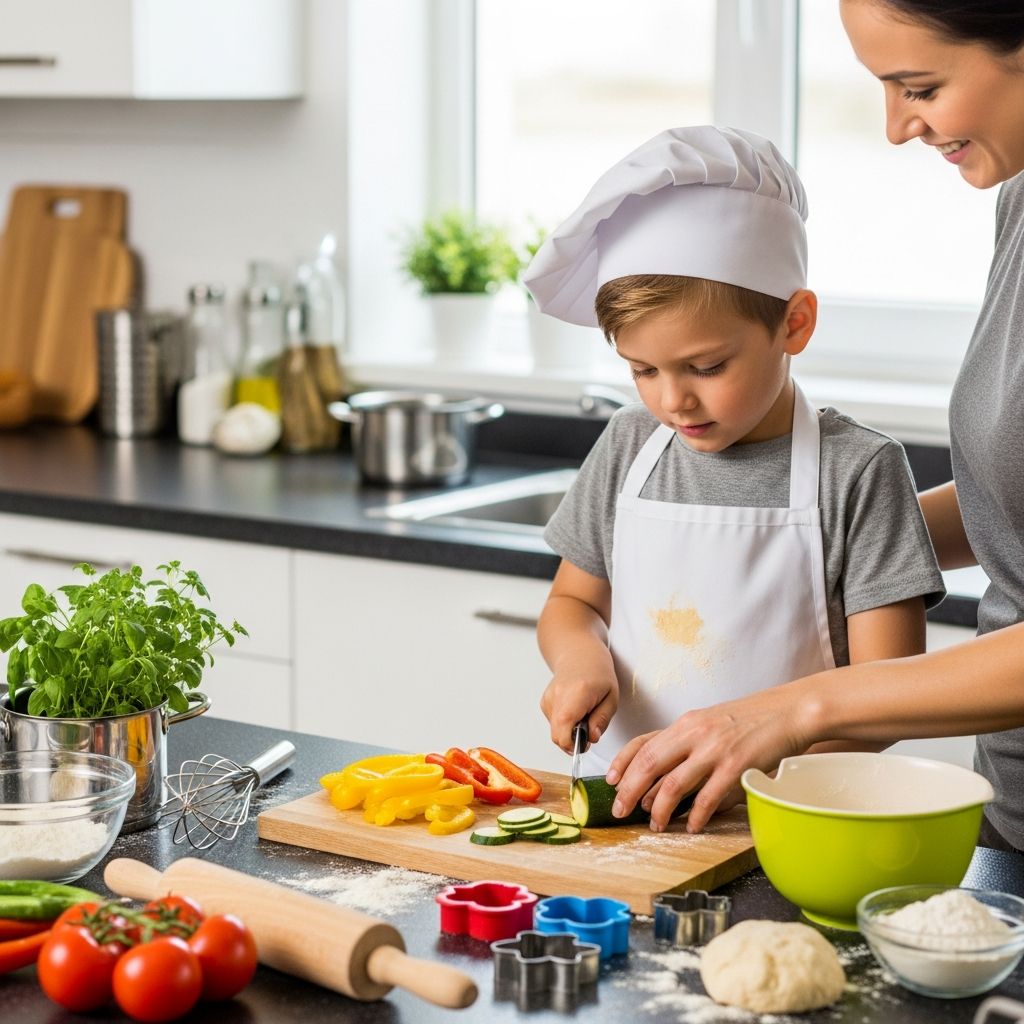
Before handing over utensils, prioritize safety protocols. Teach children to wash hands thoroughly with soap for at least 20 seconds, a habit that prevents contamination and instills hygiene awareness. Demonstrate proper knife handling: grip firmly, curl fingers into a ‘claw’ position, and slice away from the body.
Discuss hazards like hot surfaces and sharp tools upfront. Use child-safe knives with rounded edges for younger ones and supervise closely near stoves. Establish rules such as no running in the kitchen and always asking permission before touching appliances. These guidelines ensure enjoyable sessions without mishaps.
- Handwashing routine: Soap, warm water, scrub all surfaces including wrists.
- Knife safety: Stable cutting board, fingers tucked, slow deliberate cuts.
- Appliance rules: Adult supervision for ovens, stoves, and blenders.
Age-Appropriate Tasks to Build Proficiency
Tailor activities to developmental stages for maximum engagement and success. Toddlers (ages 2-3) thrive on simple sensory tasks, while school-aged kids (6-8) handle more complex steps. Teens can manage full recipes independently.
| Age Group | Suitable Skills | Examples |
|---|---|---|
| 2-3 years | Sensory exploration, basic mixing | Washing veggies, stirring soft batters, tearing greens |
| 4-5 years | Measuring, simple assembly | Scooping flour, spreading butter, threading skewers |
| 6-8 years | Chopping soft foods, reading recipes | Cutting bananas, cracking eggs, setting timers |
| 9+ years | Advanced prep, stovetop basics | Sauteing veggies, baking cookies, meal planning |
These progressive tasks enhance fine motor control, like pinching dough or pouring liquids accurately, while boosting hand-eye coordination.
Boosting Confidence Through Hands-On Wins
Nothing builds self-assurance like creating something edible from scratch. Start with foolproof recipes where kids lead, such as no-bake energy balls or fruit skewers. Celebrate every step—praise the even stir or creative garnish—to reinforce their capabilities.
As proficiency grows, children tackle independence, from selecting ingredients at the store to plating dishes. This progression instills pride and resilience, preparing them for adulthood with practical self-sufficiency.
Sensory Adventures: Engaging All Senses
Cooking captivates through touch, smell, sight, sound, and taste. Let kids squeeze lemons to feel juiciness, sniff herbs for aromas, observe colors blending in salads, hear batter sizzle, and sample raw veggies. Such multisensory input sparks creativity and deepens food appreciation.
Activities like making herb-infused oils or colorful veggie prints turn prep into play, encouraging experimentation and joy in the process.
Fostering Family Connections and Cooperation
Kitchen collaboration strengthens bonds as everyone shares tasks and stories. Assign roles— one chops, another measures—to promote teamwork, patience, and communication. Discuss cultural recipes to celebrate diversity, enhancing social-emotional growth.
Mealtimes become highlights when kids contribute, transforming ‘veggie haters’ into enthusiasts through ownership.
Simple Recipes to Spark Culinary Passion
Cheesy Veggie Quesadillas (Ages 4+)
Ingredients: Tortillas, shredded cheese, bell peppers, spinach, optional beans.
- Wash and chop soft veggies into small pieces.
- Layer fillings on half tortilla, fold, and press.
- Adult grills until golden; kids flip with spatula.
Teaches assembly, safe flipping, and veggie integration.
Fruit Yogurt Parfaits (Ages 2+)
Layer yogurt, granola, and chopped fruits in glasses. Kids scoop and arrange for eye-catching stacks, practicing layering and portion control.
Banana Oat Cookies (Ages 6+)
Mash bananas, mix with oats, chocolate chips. Drop spoonfuls and bake. Introduces measuring, mashing, and baking science.
Overcoming Common Hurdles
Messes are inevitable—embrace them with aprons and easy cleanup. Short attention spans? Keep sessions 15-30 minutes initially. Picky eaters? Involve them in choosing produce. Patience and positivity turn challenges into triumphs.
Frequently Asked Questions
What is the best age to start cooking with kids?
Around 2-3 years with simple tasks like washing produce; supervision ensures safety and fun.
How does cooking improve motor skills?
Actions like stirring, pouring, and chopping refine fine motor control and coordination.
Can cooking make kids eat healthier?
Yes, involvement increases exposure and acceptance of diverse foods, per multiple studies.
What if my child loses interest?
Rotate fun recipes, let them pick ingredients, and keep sessions short to maintain excitement.
Is it safe for young kids near hot stoves?
Always supervise; use microwave or no-cook options for beginners, progressing with guidance.
Long-Term Rewards of Early Kitchen Training
Equipping children with these skills yields independence, better nutrition choices, and cherished family memories. As they grow, they’ll innovate recipes, host friends, and sustain healthy lifestyles. Start small today for a lifetime of culinary confidence.
References
- Cooking with Kids Builds a Strong Mind and Body — NHSA. 2023. https://nhsa.org/resource/cooking-with-kids-builds-strong-mind-body/
- The Top 8 Benefits of Cooking with Your Child — Occupational Therapy. 2023. https://occupationaltherapy.com.au/the-benefits-of-cooking-with-your-child/
- Cooking In Early Childhood: 4 Developmental Benefits — Say Yes to Childcare. 2023. https://sayyestochildcare.org/en/cooking-in-early-childhood-4-developmental-benefits/
- 5 Benefits to Cooking with Kids — SR Nutrition. 2023-04-01. https://www.srnutrition.co.uk/2023/04/5-benefits-to-cooking-with-kids/
- 8 Benefits of Bringing Your Kids into the Kitchen — Kvaroy Arctic. 2023. https://www.kvaroyarctic.com/8-benefits-of-bringing-your-kids-into-the-kitchen
- The Benefits of Including Kids in the Kitchen — USU Extension. 2023. https://extension.usu.edu/healthwellness/research/benefits-of-including-kids-in-the-kitchen
- Little Chefs: The Benefits of Getting Kids Involved in the Kitchen — Children’s Wisconsin. 2025-06-01. https://childrenswi.org/at-every-turn/stories/2025/06/kids-helping-in-kitchen