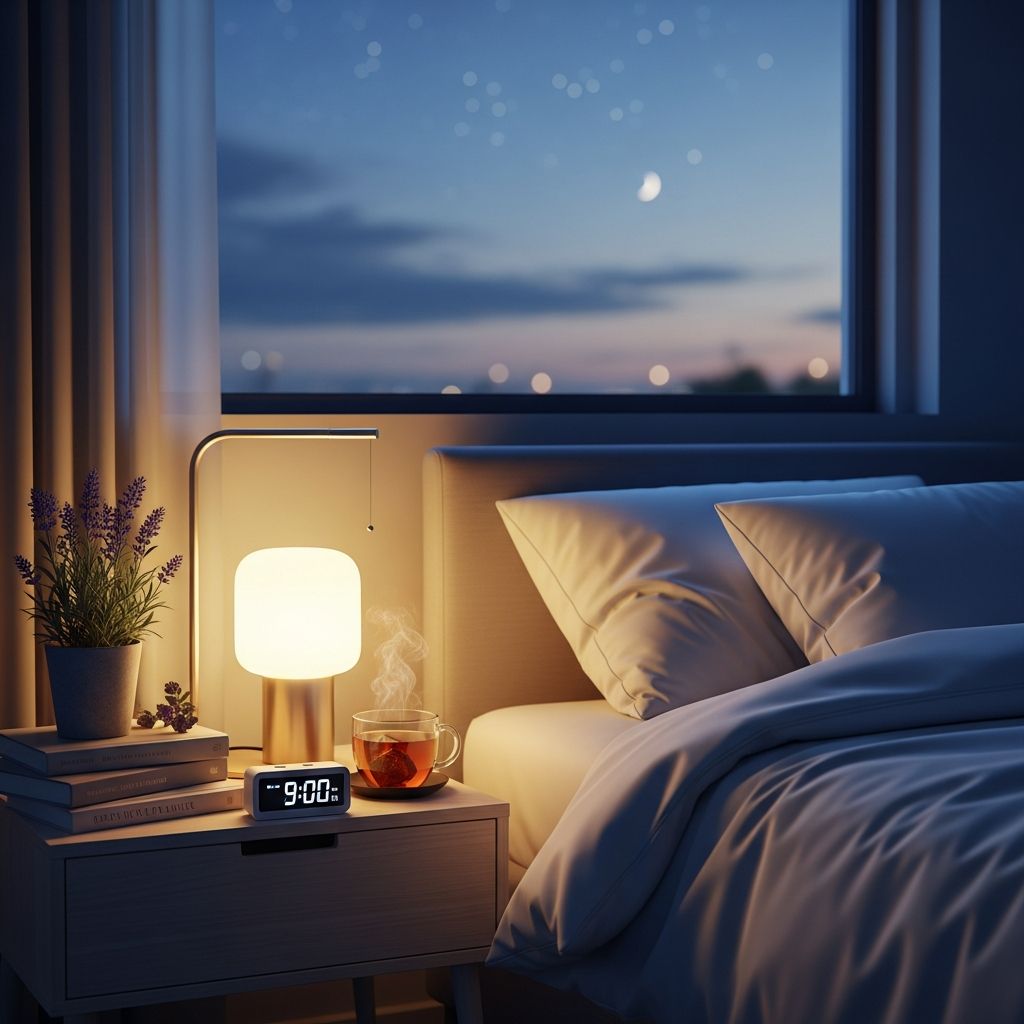
Quality sleep forms the foundation of good health, especially for growing children whose bodies and minds depend on it for development. Parents play a crucial role in fostering habits that lead to consistent, restorative rest. This guide explores proven strategies to cultivate excellent sleep hygiene, helping families establish patterns that support long-term wellness.
Understanding the Foundations of Healthy Sleep
Sleep hygiene refers to a set of practices and environmental adjustments designed to enhance sleep quality and duration. For children, who need 9-12 hours of sleep depending on age, these habits are vital for cognitive function, emotional regulation, and physical growth. Research shows that poor sleep can lead to behavioral issues, weakened immunity, and learning difficulties.
Establishing strong sleep foundations starts with recognizing how daily rhythms influence rest. The body’s circadian rhythm, regulated by light and activity, dictates natural sleep-wake cycles. Consistent adherence to hygiene principles aligns these cycles, making bedtime a predictable cue for relaxation.
Building a Consistent Daily Sleep Schedule
A fixed schedule is the cornerstone of effective sleep hygiene. Waking up at the same time every day, even on weekends, reinforces the body’s internal clock. For children, this means setting age-appropriate bedtimes and wake times, such as 8 PM to 7 AM for school-age kids.
- Maintain uniformity: Avoid shifting schedules by more than an hour to prevent disruptions.
- Prioritize sleep duration: Aim for 7-9 hours for adults and more for children, adjusting as needed.
- Handle weekends wisely: Limit sleep-ins to 1-2 hours to preserve rhythm.
Tables can help track progress. Here’s a sample weekly sleep log:
| Day | Bedtime | Wake Time | Total Sleep (hrs) | Notes |
|---|---|---|---|---|
| Monday | 8:00 PM | 6:30 AM | 10.5 | Quiet night |
| Tuesday | 8:00 PM | 6:30 AM | 10 | Slight delay |
| Weekend Avg | 8:30 PM | 7:30 AM | 11 | Relaxed |
Designing the Perfect Pre-Bedtime Routine
A soothing wind-down ritual signals the body it’s time to sleep. Allocate 30-60 minutes for calming activities, starting an hour before lights out. This routine might include a warm bath, reading a story, or gentle stretching, helping reduce cortisol levels and boost melatonin production.
Key elements of an effective routine:
- Dim lights to mimic sunset, promoting hormone balance.
- Incorporate hygiene tasks like brushing teeth and changing into pajamas.
- Choose quiet activities: Avoid stimulating games or TV.
- Make it predictable: Repetition builds comfort and expectation.
For families, personalize routines. Toddlers might enjoy lullabies, while teens benefit from journaling to offload daily stress.
Optimizing the Bedroom for Sleep Success
The sleep environment profoundly impacts rest quality. Transform bedrooms into sleep sanctuaries by controlling light, sound, temperature, and comfort.
- Temperature control: Keep rooms cool at 60-67°F (15-19°C) to match the body’s natural drop.
- Darkness matters: Use blackout curtains or shades to block external light.
- Noise reduction: White noise machines or fans mask disturbances.
- Comfort essentials: Invest in supportive mattresses, breathable bedding, and hypoallergenic pillows.
Avoid using the bed for anything but sleep and intimacy to strengthen mental associations with rest.
Navigating Nutrition and Substances for Better Sleep
What children consume affects sleep profoundly. Heavy meals, caffeine, and alcohol close to bedtime disrupt digestion and alertness.
| Substance/Food | Impact on Sleep | Recommendation |
|---|---|---|
| Caffeine (soda, chocolate) | Stimulates nervous system | None after noon |
| Sugary snacks | Energy spikes/crashes | Light options 2 hrs before bed |
| Heavy/spicy meals | Indigestion, reflux | Finish dinner 3 hrs prior |
| Alcohol | Fragments deep sleep | Avoid entirely for kids |
Encourage herbal teas or small protein-rich snacks like yogurt if hunger strikes. Hydration is key, but limit fluids post-7 PM to minimize night wakings.
The Role of Physical Activity and Daylight
Regular movement and natural light exposure regulate circadian rhythms. Aim for at least 60 minutes of daily activity for children, preferably outdoors.
- Exercise earlier: Morning or afternoon sessions tire the body naturally.
- Daylight boost: 15-30 minutes of sunlight synchronizes internal clocks.
- Avoid late workouts: They raise adrenaline, delaying sleep onset.
Combine with limiting naps: Keep them under 30 minutes and before 3 PM.
Eliminating Screen Time Interference
Blue light from devices suppresses melatonin, tricking the brain into wakefulness. Institute a ‘tech curfew’ 60 minutes before bed.
- Replace screens with books or conversation.
- Use night modes if unavoidable, but prefer total unplugging.
- For kids, enforce device-free zones in bedrooms.
Studies confirm this practice improves sleep onset by up to 30 minutes.
Mastering Relaxation Techniques for Faster Sleep
When minds race, targeted relaxation helps. Teach progressive muscle relaxation, deep breathing, or visualization.
- 4-7-8 Breathing: Inhale 4s, hold 7s, exhale 8s.
- Body Scan: Tense and release muscle groups sequentially.
- Mindfulness: Focus on breath to quiet thoughts.
If sleep doesn’t come in 20 minutes, leave bed for a low-stimulus activity.
Common Sleep Challenges and Solutions
Families face hurdles like nightmares or resistance. Address with reassurance, consistent responses, and professional input if persistent.
- Bedtime resistance: Shorten day naps, maintain calm authority.
- Night wakings: Comfort without play, fade support gradually.
- Irregular patterns: Track and adjust with a 1-week trial.
Frequently Asked Questions (FAQs)
What is the ideal bedtime for school-age children?
Aim for 9-11 hours, typically 8-9 PM bedtime to wake by 7 AM.
How long before bed should screens be avoided?
At least 30-60 minutes to allow melatonin production.
Can naps help or hurt sleep hygiene?
Short naps (<30 min, early day) help; long/late ones disrupt nights.
What if my child won’t stick to the schedule?
Use rewards, visual charts, and gradual shifts over weeks.
When to seek professional help for sleep issues?
If problems persist >1 month or affect daily function.
Long-Term Benefits of Sleep Hygiene
Adopting these practices yields improved mood, focus, immunity, and growth. Families report fewer illnesses and better school performance within weeks. Monitor progress monthly, tweaking as children grow.
References
- Mastering Sleep Hygiene: Your Path to Quality Sleep — Sleep Foundation. 2023. https://www.sleepfoundation.org/sleep-hygiene
- About Sleep — Centers for Disease Control and Prevention (CDC). 2024-01-15. https://www.cdc.gov/sleep/about/index.html
- What is Sleep Hygiene? Best Practices & When to See a Specialist — Society of Behavioral Medicine (SBM). 2023-05-20. https://www.sbm.org/healthy-living/what-is-sleep-hygiene-best-practices–when-to-see-a-specialist
- Sleep physiology, pathophysiology, and sleep hygiene — PubMed/Elsevier. 2023-02-21. https://pubmed.ncbi.nlm.nih.gov/36841492/
- Sleep tips: 6 steps to better sleep — Mayo Clinic. 2024-11-10. https://www.mayoclinic.org/healthy-lifestyle/adult-health/in-depth/sleep/art-20048379
- Sleep Hygiene Information Sheet — Centre for Clinical Interventions (CCI Health WA). 2022. https://www.cci.health.wa.gov.au/~/media/CCI/Mental-Health-Professionals/Sleep/Sleep—Information-Sheets/Sleep-Information-Sheet—04—Sleep-Hygiene.pdf