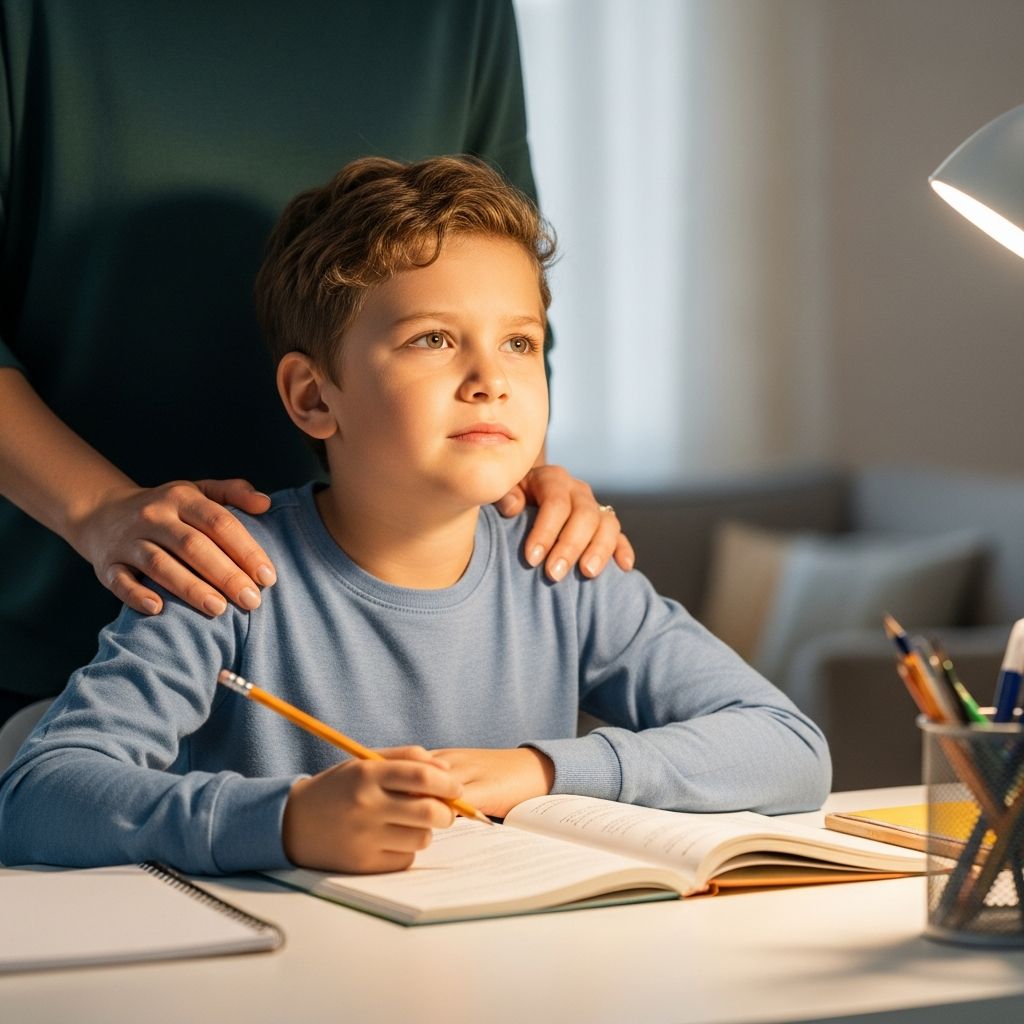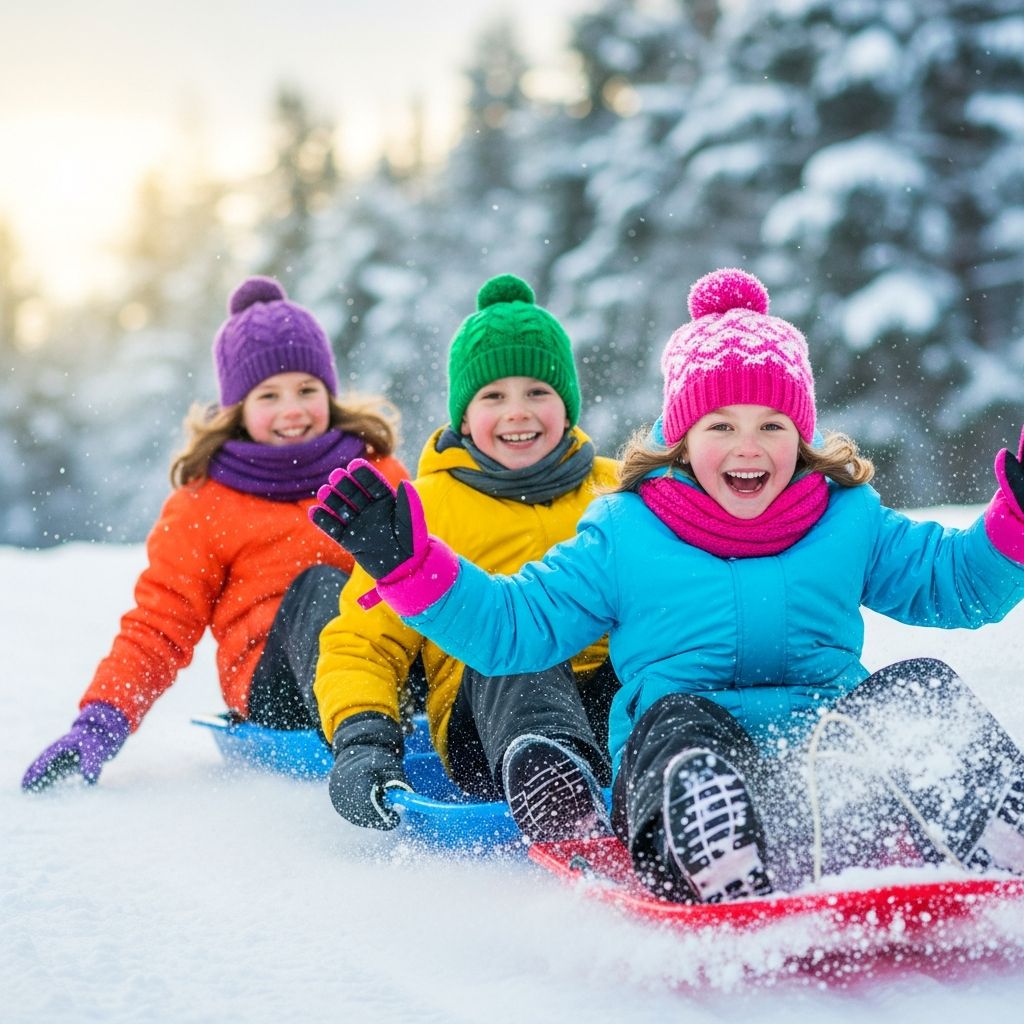
Winter brings the thrill of snow-covered hills, where children can zoom down on sleds, laughing all the way. However, this exhilarating activity carries risks if not approached with caution. Each year, thousands of kids end up in emergency rooms due to sledding mishaps, often from head trauma, fractures, or collisions. By prioritizing safety measures like proper gear, adult oversight, and smart location choices, parents can transform potential hazards into memorable family fun.
Understanding Sledding Risks and Statistics
Sledding seems innocent, but speeds can exceed 20 miles per hour, amplifying dangers from falls, impacts, or uncontrolled slides. Common injuries include bruises, cuts, broken bones, and severe head or neck trauma, especially in children under 6. Studies highlight that unsupervised rides lead to 71% of incidents, underscoring the need for vigilance. Headfirst positions heighten brain injury risks, while poor equipment contributes to spins or crashes. Recognizing these patterns empowers families to sled smarter.
- Head and neck injuries: Prevalent in young riders due to falls or collisions.
- Extremity fractures: From hitting obstacles or ejecting from sleds.
- Cuts and bruises: Caused by rough terrain or faulty sled edges.
- Hypothermia and frostbite: From prolonged exposure without breaks.
With proactive steps, these risks drop significantly, allowing safe enjoyment of snowy slopes.
Choosing the Right Protective Gear
Equipping children properly starts with helmets, which reduce brain injury risk by up to 85% in high-speed activities akin to sledding.Helmets should fit snugly—opt for winter sports models, bike helmets, or multi-sport variants. Ensure straps are tight under the chin, with no wobbling.
Warm, layered clothing is crucial: snow pants, insulated jackets, boots, gloves or mittens, and hats seal in heat. Skip scarves or loose items that snag. Heavy gloves shield hands from abrasions, while boots prevent frostbite and slips.
| Gear Item | Why Essential | Tips for Best Fit |
|---|---|---|
| Helmet | Prevents skull fractures and concussions | Snug fit, certified for impact sports |
| Winter Jacket & Pants | Blocks wind and moisture | Waterproof, layered for warmth |
| Gloves/Mittens | Protects against cuts and cold | Thick, flexible for grip |
| Boots | Guards feet from injury and chill | Waterproof, supportive ankles |
Regular checks ensure gear stays dry; wet clothes accelerate hypothermia. Set timers for indoor warm-ups every 30-45 minutes.
Selecting Ideal Sledding Locations
The hill choice determines safety outcomes. Opt for gentle slopes under 30 degrees, ending in flat, open spaces far from roads, parking lots, ponds, or streams—frozen waters may crack unpredictably. Scout for clear paths free of trees, rocks, fences, poles, or jumps. Daytime sledding only; avoid dusk or dark when visibility falters.
- Check runoff zone: Must be hazard-free for 50+ feet.
- Avoid crowded spots to prevent pile-ups.
- Steer clear of icy patches where control vanishes.
- No sledding near traffic or driveways.
Local parks or designated hills offer groomed safety; test runs confirm suitability.
Optimal Sled Types and Maintenance
Not all sleds are equal. Steerable sleds with brakes and runners provide control for ages 6-12; inspect for splinters, sharp edges, or rusty steering. Lubricate mechanisms regularly. Avoid disks, tubes, saucers, or sheets—they spin wildly without steering.
Follow capacity limits: one child per sled unless specified otherwise. Pre-sled checks include:
- Structural integrity—no cracks or loose parts.
- Smooth surfaces, no protrusions.
- Working brakes and steering.
For tows, use hands only—never motorized vehicles like cars or ATVs, which cause fatal ejections.
Mastering Safe Riding Techniques
Teach correct form: sit upright, feet forward downhill, hands on sides or steering. Never headfirst, standing, or belly-down—these expose vulnerable areas. Roll off uncontrolled sleds sideways, prioritizing body safety over equipment.
- Wait for clear path before starting.
- Take turns; no daisy-chaining sleds.
- Feet inside, no dangling limbs.
- Shift weight gently to steer.
- Brake early to avoid collisions.
Practice on flat ground builds confidence.
The Critical Role of Adult Supervision
Adults must oversee at all times, especially young kids. Position at hill base to monitor and intervene. Teach emergency rolls and retrieval. Ban alcohol or drugs—impaired judgment endangers all. Supervision slashes injury rates dramatically.
Preventing Cold Weather Health Issues
Beyond trauma, cold poses threats. Watch for hypothermia signs: shivering, confusion, blue lips. Frostbite numbs extremities—pale skin signals danger. Enforce breaks, hot drinks, and dry swaps. Hydrate despite cold; layer wisely to trap body heat.
Age-Specific Sledding Guidelines
| Age Group | Recommended Practices | Supervision Level |
|---|---|---|
| Under 5 | Sled with adult, short gentle hills | Constant, hands-on |
| 6-12 | Steerable sleds, basic techniques | Close watch from base |
| Teens | Independent on safe hills, gear checks | Proximity, spot checks |
Tailor rules to maturity for optimal safety.
Frequently Asked Questions (FAQs)
What if a sled won’t stop?
Roll off sideways immediately, feet first. Retrieve sled later with adult help.
Can multiple kids share a sled?
Only if manufacturer allows; one per sled is safest to avoid shifts.
Is night sledding okay?
No—poor visibility increases crash risks. Stick to daylight.
What about pulling sleds with vehicles?
Absolutely not; it leads to high-speed ejections and is illegal in many areas.
How do I know if a hill is too steep?
If over 30 degrees or ends hazardously, choose another. Test walk-up ease.
Building a Family Sledding Safety Plan
Create a checklist: gear inspection, hill scout, technique demo, break schedule. Review post-session for improvements. Educate siblings on rules. These habits foster lifelong safe play habits amid winter joy.
By embedding these practices, sledding becomes a highlight, not a hazard. Families report heightened confidence and fewer scares when prepared.
References
- Sledding safety tips from Monroe Carell Jr. Children’s Hospital at Vanderbilt — Vanderbilt University Medical Center. 2025-01-09. https://news.vumc.org/2025/01/09/monroe-carell-jr-childrens-hospital-at-vanderbilt-urges-sledding-safety/
- Sledding Safety Tips — Children’s Hospital Pittsburgh. Accessed 2026. https://www.chp.edu/injury-prevention/safety/holiday-and-seasonal/sledding
- 5 Tips for Safe Sled Riding — Cincinnati Children’s Hospital Medical Center. Accessed 2026. https://blog.cincinnatichildrens.org/safety-and-prevention/sledding-safety-tips-for-kids/
- Sledding Safety — Nationwide Children’s Hospital. Accessed 2026. https://www.nationwidechildrens.org/cirp-sledding-safety?device=mobile
- Sledding Safety and More: Keeping Winter Playtime Injury-Free — University of Rochester Medical Center. Accessed 2026. https://www.urmc.rochester.edu/news/publications/health-matters/sledding-safety-and-more-keeping-winter-playtime-injury-free