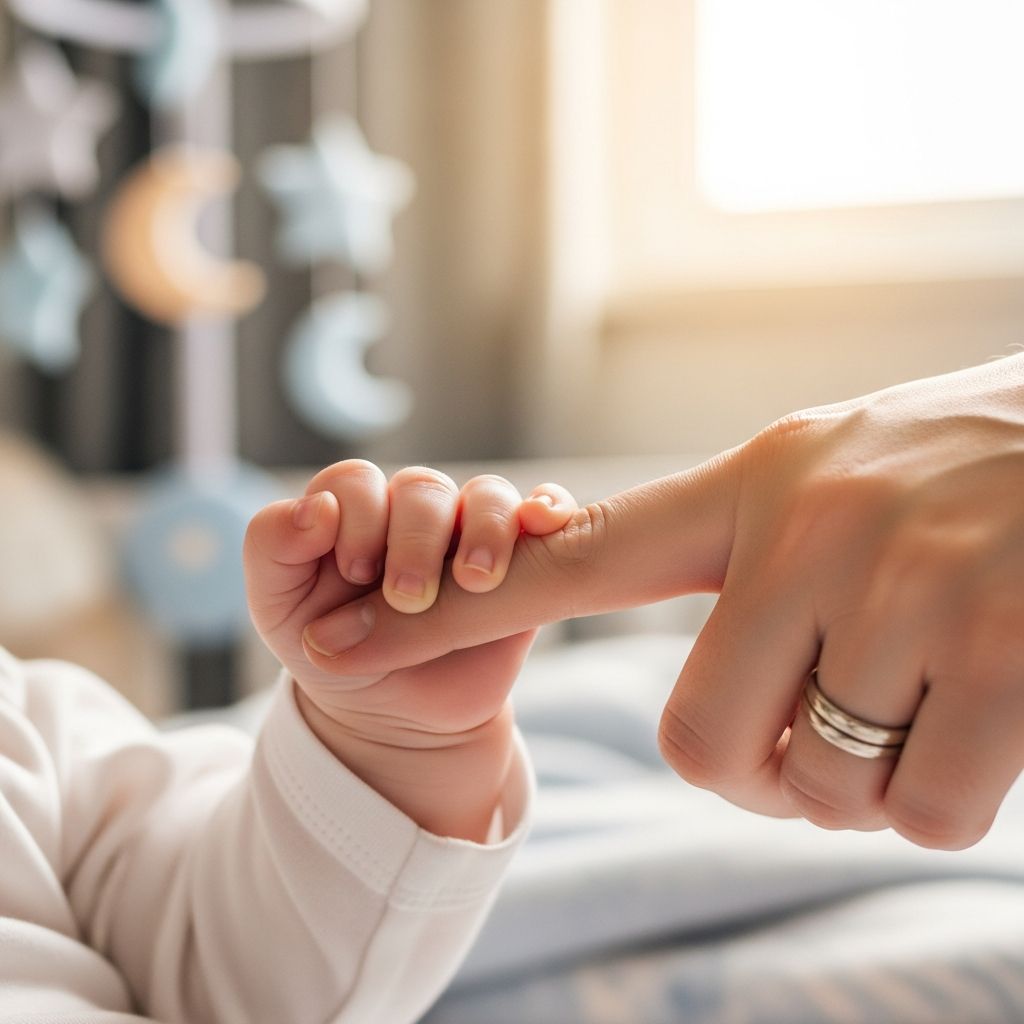
The simple act of holding a newborn close to bare skin represents far more than an emotional gesture. Scientific research over the past several decades has demonstrated that direct physical contact between infants and caregivers provides measurable physiological and developmental benefits that can shape long-term health outcomes. This form of intimate caregiving, known as skin-to-skin contact, has emerged as one of the most evidence-based interventions available to parents and healthcare providers seeking to optimize newborn wellness.
Understanding the Fundamentals of Skin-to-Skin Caregiving
Skin-to-skin contact involves placing a newborn directly against a caregiver’s bare chest, typically after birth or during designated care sessions throughout the hospital stay and beyond. This practice creates a microenvironment where the infant experiences warmth, rhythmic heartbeat sounds, familiar scents, and the steady breathing patterns of a trusted adult. The mechanism works through multiple physiological pathways, each contributing to the infant’s adjustment to extrauterine life.
When implemented immediately after birth, this approach creates optimal conditions for the newborn’s transition from the womb to the external environment. The parent’s body serves as a natural incubator and regulatory system, compensating for the newborn’s immature thermoregulatory capabilities while simultaneously triggering neurological pathways associated with comfort and security.
Thermal Regulation and Energy Conservation
One of the primary challenges facing newborns, particularly those born prematurely, involves maintaining stable body temperature. Premature infants lack the physiological maturity to generate adequate heat through metabolic processes and possess minimal insulating fat reserves. The consequences of temperature instability can be severe, ranging from metabolic complications to life-threatening hypothermia.
The parental chest represents an ideal heat source for maintaining neonatal temperature stability. The proximity to the heart creates a naturally warm environment with consistent heat transfer to the infant’s body. Research comparing infants who received skin-to-skin contact with those receiving conventional incubator care demonstrates that direct contact maintains higher core temperatures during and after caregiving sessions. This natural thermoregulation reduces the energy expenditure required for heat maintenance, allowing the infant to redirect calories and metabolic resources toward growth and brain development.
Respiratory and Cardiovascular Stabilization
Newborn respiratory patterns often demonstrate irregularity and instability, particularly in premature infants whose lung development remains incomplete. Similarly, heart rate variability can indicate physiological stress or compensation mechanisms. Skin-to-skin contact provides a stabilizing influence on both systems through multiple mechanisms.
The parent’s steady breathing pattern and regular heartbeat create auditory and tactile cues that entrain the infant’s own respiratory rhythm. Studies have documented that infants exposed to skin-to-skin contact demonstrate more regular breathing patterns and improved oxygen saturation levels. The physical security provided by close contact also reduces activation of the sympathetic nervous system, promoting parasympathetic dominance associated with calm states and improved cardiovascular efficiency.
Stress Reduction Through Hormonal Mechanisms
The neonatal intensive care environment exposes premature infants to numerous stressors including painful procedures, bright lights, loud noises, and frequent handling by medical staff. These stressors trigger the release of cortisol and other stress hormones, which in excessive amounts can impair neurological development and increase vulnerability to infection.
Skin-to-skin contact activates the parasympathetic nervous system through tactile stimulation and the release of oxytocin, a hormone that actively blocks the body’s stress response mechanisms. Research measuring biochemical stress markers demonstrates that infants receiving more than 90 minutes daily of skin-to-skin contact show significantly lower cortisol levels compared to controls. This stress reduction extends beyond immediate physiological benefits; emerging evidence suggests that reducing neonatal stress exposure may prevent epigenetic changes that could otherwise influence long-term development.
Enhanced Feeding and Growth Acceleration
Premature and low-birthweight infants frequently struggle with feeding difficulties, requiring prolonged hospitalization and tube feeding support. The transition from parenteral nutrition to successful breastfeeding represents a critical milestone determining discharge timing and long-term nutritional adequacy.
Skin-to-skin contact facilitates several mechanisms that improve feeding outcomes. The proximity between infant and breast encourages natural rooting behaviors and increases infant interest in breastfeeding. Research comparing infants who received kangaroo care with those receiving conventional care found that skin-to-skin contact resulted in longer breastfeeding sessions and greater breast milk consumption. Beyond behavioral improvements, the stress reduction associated with this care approach supports metabolic efficiency, allowing infants to convert consumed calories more effectively into weight gain.
The cumulative impact on growth proves substantial. Infants receiving regular skin-to-skin contact demonstrate faster weight gain trajectories and earlier achievement of full oral feeding goals. Some healthcare institutions have documented that extending skin-to-skin sessions from 60 to 90 minutes daily reduces the incidence of neonatal hypoglycemia requiring intervention, potentially shortening hospital stays and reducing overall healthcare costs.
Sleep Architecture and Neurodevelopmental Benefits
Sleep quality during the neonatal period carries significant implications for neurological maturation and cognitive development. Premature infants often demonstrate fragmented sleep patterns interrupted by frequent arousals, limiting time spent in deep sleep stages critical for brain development and memory consolidation.
Skin-to-skin contact promotes the calm states necessary for consolidated sleep periods. The parental heartbeat, steady breathing, and constant temperature create an environment that mimics intrauterine conditions, facilitating longer periods of deep sleep and reduced awakenings. Beyond immediate sleep improvements, recent research from Stanford University found that premature infants who received greater amounts of skin-to-skin contact during hospitalization showed stronger neurodevelopmental performance at one year of age, with reduced rates of developmental delay. These cognitive benefits persist beyond infancy, suggesting that early skin-to-skin contact establishes foundational advantages affecting long-term learning capacity.
Infection Prevention and Immune Modulation
Premature infants possess underdeveloped immune systems rendering them vulnerable to serious infections that can prove fatal or cause permanent disability. Hospital-acquired infections represent a significant threat, complicating the recovery of infants already struggling with respiratory and metabolic immaturity.
Immediate skin-to-skin contact initiated at birth has been shown to reduce infection rates in low-birthweight infants compared to delayed implementation. The mechanisms involve multiple factors including reduced stress-induced immunosuppression, maternal antibody transfer through skin contact, and decreased need for invasive procedures. When skin-to-skin care is started immediately after birth rather than following a 3-7 day stabilization period, research indicates a 25% additional reduction in mortality risk beyond the 40% reduction already documented for this intervention.
Maternal Mental Health and Parental Bonding
The birth of a premature or hospitalized infant creates profound psychological stress for parents, who must navigate uncertainty about their child’s survival and long-term outcomes while managing feelings of helplessness in a medical environment. Postpartum depression affects between 10-20% of all new mothers, with even higher rates among mothers of premature infants.
Skin-to-skin contact provides parents with active participation in their infant’s care, transforming the passive role of observer into that of essential caregiver. This active involvement enhances parental confidence in caregiving abilities and strengthens the emotional bond developing between parent and child. The oxytocin released during skin-to-skin contact benefits mothers as well as infants, improving mood and reducing postpartum depression risk by approximately 25%. Additionally, mothers practicing regular skin-to-skin contact demonstrate lower cortisol levels themselves, indicating reduced physiological stress response.
The bonding benefits extend beyond emotional satisfaction to practical parenting advantages. Parents who have spent extended time in skin-to-skin contact with their infants report greater attunement to their baby’s needs, developing intuitive understanding of hunger cues, discomfort signals, and individual preferences that facilitates responsive caregiving after discharge.
Breast Milk Production and Lactation Support
Establishing adequate milk supply represents a common challenge for mothers of premature infants, particularly when separation prevents frequent direct breastfeeding during the critical early days and weeks. Frequent breast stimulation through direct nursing provides the most powerful stimulus for prolactin release and milk production.
Skin-to-skin contact facilitates frequent opportunities for breastfeeding attempts, providing the tactile and olfactory stimulation that triggers milk ejection reflex and supports supply establishment. Mothers practicing skin-to-skin contact demonstrate increased breast milk production compared to those providing only expressed milk or receiving standard separation-based care. This enhanced lactational success provides long-term benefits including extended breastfeeding duration and associated health advantages for the infant.
Implementation Guidelines and Practical Considerations
Effective skin-to-skin contact requires minimal equipment and training but benefits from structured approach. Optimal positioning involves placing the diaper-clad infant upright on a parent’s bare chest, with the infant’s ear positioned to hear the parental heartbeat. The parent may wear a robe or shirt open in front to maintain skin contact while preserving dignity and warmth.
Session duration appears to correlate with benefit magnitude, with research suggesting that sessions of 60-120 minutes provide measurable improvements in infant attention, responsiveness, and stress markers. Sessions extending beyond 90 minutes daily produce more pronounced benefits including greater stress reduction and weight gain acceleration. However, any amount of skin-to-skin contact provides benefits exceeding conventional care approaches, allowing flexibility to accommodate varying family circumstances.
Timing of initiation significantly influences outcomes. Research strongly indicates that beginning skin-to-skin contact immediately after birth, even in the presence of medical instability, produces superior outcomes compared to delayed initiation following hospital stabilization. This paradigm shift challenges traditional practice patterns of separating medically fragile infants from parents, instead promoting immediate contact with appropriate medical monitoring.
Applicability Beyond Premature Infant Populations
While much research focuses on premature and low-birthweight infants, skin-to-skin contact provides substantial benefits for full-term infants and their families as well. The developmental, thermoregulatory, and bonding benefits apply across all infant populations, supporting recommendations that all families incorporate regular skin-to-skin contact into their care routines. The practice costs nothing, requires no special equipment, and provides benefits that accumulate with frequency and duration.
Frequently Asked Questions
At what age can parents begin skin-to-skin contact?
Skin-to-skin contact can begin immediately after birth, even in the delivery room. Research indicates that initiating this practice as soon as possible after delivery produces the greatest health benefits. Parents should discuss timing with their healthcare team based on the infant’s medical status.
How long should skin-to-skin contact sessions last?
While any skin-to-skin contact provides benefits, sessions of 60-90 minutes or longer produce more significant physiological improvements. Parents should aim for sessions of at least one hour when possible, with multiple daily sessions during hospitalization providing optimal outcomes.
Can fathers and other caregivers provide skin-to-skin contact?
Yes, skin-to-skin contact benefits infants when provided by any caregiver, including fathers, grandparents, and other family members. While breastfeeding-specific benefits require maternal contact, the stress reduction, temperature regulation, and bonding advantages apply across all caregiver-infant pairings.
Is skin-to-skin contact safe for medically fragile infants?
Yes, with appropriate medical supervision. Recent research demonstrates that even infants requiring significant medical support benefit from immediate skin-to-skin contact. Healthcare providers can establish protocols allowing skin-to-skin contact while maintaining necessary monitoring and interventions.
Does skin-to-skin contact interfere with medical care?
No. Medical teams can adapt positioning and monitoring to allow skin-to-skin contact without compromising necessary care. In fact, the stress reduction and improved physiological stability associated with this practice may facilitate better tolerance of medical procedures.
How does skin-to-skin contact affect infant development long-term?
Research indicates that infants receiving skin-to-skin contact show improved neurodevelopmental outcomes at one year of age, with reduced rates of developmental delay. The bonding and stress reduction benefits likely contribute to improved social-emotional development as well.
References
- Kangaroo care: Health benefits for newborns and parents — UT Southwestern Medical Center. 2022-07-19. https://utswmed.org/medblog/kangaroo-care-newborns-benefits/
- Kangaroo mother care started immediately after birth critical for saving lives, new research shows — World Health Organization. 2021-05-26. https://www.who.int/news/item/26-05-2021-kangaroo-mother-care-started-immediately-after-birth-critical-for-saving-lives-new-research-shows
- Kangaroo care: Why is skin-to-skin important for newborns? — The Mother Baby Center. 2023-10. https://www.themotherbabycenter.org/blog/2023/10/kangaroo-care/
- Benefits of Kangaroo Mother Care on the Physiological Stress Response of Preterm Infants and Their Mothers — National Center for Biotechnology Information/NIH. 2022. https://pmc.ncbi.nlm.nih.gov/articles/PMC9223087/
- What Is Kangaroo Care In The NICU: Benefits & How To — Sentec. 2023. https://global.sentec.com/articles-and-resources/kangaroo-care/
- Skin-to-skin ‘kangaroo care’ found to boost neurodevelopment in preemies — Stanford Medicine. 2024-08. https://med.stanford.edu/news/all-news/2024/08/kangaroo-preemies.html