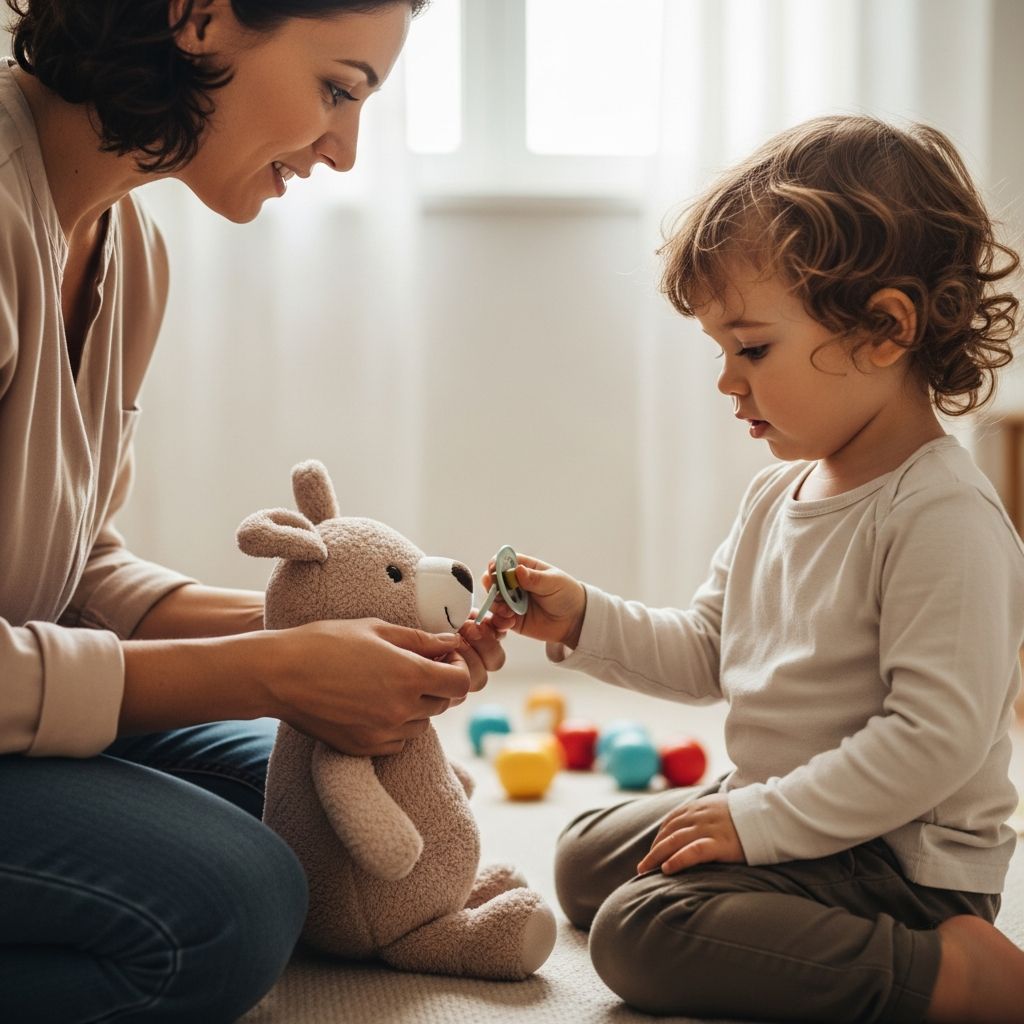
For many families, the pacifier is more than a piece of silicone or rubber; it is a symbol of comfort, sleep, and survival in the early years. Over time, though, what once felt like a lifesaver can start to feel like a roadblock, especially as your child grows and you wonder how to help them let it go. This guide offers a calm, connection-first approach to saying goodbye to the pacifier without breaking your child’s trust or turning the process into a battle.
Why Pacifiers Matter So Much to Young Children
Before planning any change, it helps to understand what the pacifier represents from your child’s point of view. To your toddler, the pacifier is not just a habit; it is a portable comfort object that has reliably helped them handle tiredness, frustration, and stress since infancy. Removing it abruptly without preparation can feel like taking away a key coping tool before they have anything to replace it.
When adults recognize how big this feels to a small child, it becomes easier to approach the process with patience and empathy rather than frustration. Instead of seeing the pacifier as a “bad habit” to be broken, it can be treated as a stage to be gently outgrown with your support, guidance, and presence.
Choosing the Right Time to Start
There is no perfect age that fits every child, but there are some general principles that can help you choose when to begin. The goal is not to rush, but to pick a window when your child is emotionally able to cope with change and your family has enough bandwidth to stay consistent. Major life stressors such as moving, a new sibling, a new childcare situation, or illness are usually not ideal moments to start pacifier weaning if you can avoid it.
Parents often find it easier to begin when daily routines feel relatively calm and predictable. It can also be helpful if your child has already begun using words or gestures to express basic needs, because this makes it simpler to teach new comfort strategies once the pacifier is gone or used less frequently.
Setting a Gentle, Realistic Goal
Instead of framing the process as “I have to take the pacifier away,” you can think in terms of gradually helping your child rely more on internal and relational comfort than on an object. That mindset shift alone can reduce pressure and guilt on both sides. Your goal is to support emotional development, not simply to eliminate an item.
For some families, the goal may be to limit pacifier use to bedtime and naps for a period before removing it completely. Others may prefer to move straight toward being fully pacifier-free at a chosen time. The right approach is the one that you can follow through on with warmth and consistency.
Preparing Yourself Emotionally First
Children often take their cues from the adults around them. If you feel anxious, rushed, or conflicted about the change, your child will usually pick up on that tension. Before talking with your child, take time to notice any fears you may be holding, such as worries about sleep disruption, tantrums, or judgment from other adults.
It can be helpful to remind yourself that there may be some short-term discomfort, but your calm presence is the most important factor in helping your child succeed. When you believe that your connection is strong enough to carry both of you through some big feelings, it becomes easier to set limits without harshness.
Talking With Your Child About the Transition
Once you feel reasonably clear and settled, the next step is to involve your child in the process through simple, age-appropriate conversations. Even very young toddlers benefit from hearing what is coming, as long as the explanation is short, concrete, and repeated over several days or weeks.
- Use short, clear phrases that connect the change to growing up, such as “Your mouth is growing big and strong” or “Soon your pacifier will be all done.”
- Invite your child to share feelings: “It might feel hard” or “You really love your pacifier.”
- Reassure them that you will be there: “I will help you when you feel sad or mad about it.”
These conversations should not be one big lecture. Think of them as brief, repeated touchpoints that help your child gradually get used to the idea, much like introducing any other new routine.
Gradual Versus Sudden Change: Choosing a Path
There are two main approaches that many parents consider: gradually reducing pacifier use or making a clear, one-time change. Each method has potential advantages and challenges, and different children respond better to different strategies. Consider your child’s temperament: some toddlers handle slow change well, while others may adjust faster with a clear, firm shift once the decision is made.
| Approach | How It Works | Benefits | Potential Challenges |
|---|---|---|---|
| Gradual reduction | Slowly limit pacifier use to certain times or places, then phase it out completely. | Gives child time to adjust; may lead to fewer intense protests. | Requires consistency over a longer period; setbacks are easier if limits are not clear. |
| Single cut-off day | Set a specific day when the pacifier is “all done” and support emotions afterward. | Creates a clear boundary; often shortens the total length of the transition. | May involve a few very hard days; needs strong adult resolve and empathy. |
| Hybrid plan | Start with gradual limits, then choose a later day for complete goodbye. | Combines predictability with a clear endpoint, giving the child time to practice coping. | Takes planning and repetition to prevent confusion about the rules. |
Designing a Step-by-Step Plan
Once you have chosen the approach that fits your family, write down a simple plan. This helps you stay consistent when you are tired or facing pushback. The plan does not need to be complicated; it just needs to be clear enough that all caregivers are on the same page.
- Decide the boundaries. For example, “Pacifier only in bed,” or “Pacifier only until the end of this month.”
- Choose replacement comforts. Think ahead about what will help: cuddles, songs, stories, breathing games, or a lovey.
- Plan your words. Decide on a short, steady phrase you will repeat when your child asks for the pacifier outside the new limits.
A written plan is not a rigid contract; you can adjust as you learn what does and does not work for your unique child. Still, having a framework helps you to respond intentionally instead of reacting in the heat of the moment.
Introducing New Comfort Tools
As the pacifier fades into the background, your child will need other ways to feel safe and soothed. Rather than waiting until the pacifier is gone, begin strengthening alternative comfort strategies beforehand. These new tools can be physical objects, calming activities, or relational rituals that help your child feel anchored.
- A special stuffed animal or soft blanket chosen together.
- A predictable bedtime routine with the same sequence of steps.
- Simple breathing games, such as “smell the flower, blow the candle.”
- A short, repeated bedtime phrase like “You are safe, and I am near.”
Children who feel confident that they still have access to comfort, even without the pacifier, are more likely to cooperate with the process and recover quickly from upsets.
Handling Big Feelings Without Backtracking
No matter how well you plan, at some point your child will probably cry, protest, or plead for the pacifier again. This does not mean the process is failing. In many cases, it simply shows that they trust you enough to express how big this change feels. Your job in those moments is not to fix or erase the feelings, but to stay present and calm as they move through them.
When your child cries for the pacifier after the agreed-upon change, you might respond by holding them and acknowledging the feeling: “You really want it. It is so hard to say goodbye.” Then, offer your new comfort tools: a hug, a song, a story, or a favorite toy. If you repeatedly give back the pacifier during intense protests, it can accidentally teach your child that escalated distress is the way to restore the old pattern, which tends to prolong the whole process.
Supporting Sleep During the Transition
Sleep is often the hardest part of pacifier weaning, because the pacifier has usually become part of the child’s bedtime association. Expect that naps and bedtime may be rocky for a few days or weeks and plan to offer extra connection during this transition period. This may mean spending more time sitting near your child as they fall asleep or going in more frequently to comfort them if they wake crying.
Instead of trying to make your child fall asleep exactly as quickly as before, treat this as a temporary investment in teaching new, healthier sleep associations such as relaxing touch, calm words, and predictable routines. Over time, many children learn to drift off more independently without needing an object in their mouth to stay settled.
Maintaining Boundaries With Warmth
Firmness and kindness can exist together. Being gentle does not mean always saying yes or changing course every time your child protests. Once you have moved past a certain stage in your plan, it is usually kinder in the long run to stay the course while offering compassion. Children feel safer when adults are both emotionally available and consistent about limits.
- Keep your tone calm and steady, even when repeating the same message many times.
- Avoid shaming language, threats, or comparisons to other children.
- Remember that your child’s resistance is not a personal attack; it is a sign of how deeply the pacifier has been woven into their sense of security.
Over time, as your child experiences that you can handle their big feelings without backing away from the boundary, they internalize a sense of resilience and trust.
Celebrating Progress and Small Wins
Notice and name every small step your child takes toward managing without the pacifier. This might be one nap without it, falling asleep after crying for a shorter time, or going through a difficult moment in the day using another comfort tool. Recognition and encouragement help your child see themselves as capable and growing.
You can choose to mark the final goodbye with a small family ritual if that feels meaningful: placing the pacifier in a special box, “sending it off” in a symbolic way, or simply having a special snuggle time to honor how much it has helped in the past. The focus should be on gratitude and growth, not on making the child feel guilty for having loved the pacifier.
Frequently Asked Questions About Pacifier Weaning
What if my child is very attached and melts down every time we mention it?
When the attachment is extremely strong, it can be helpful to slow down and spend more time simply talking about feelings and introducing new comfort tools before changing actual pacifier rules. Make the emotional groundwork your first priority: cuddle more, describe their feelings out loud, and show repeatedly that you can handle their upset. When the bond feels secure, many children tolerate the practical change more easily.
Is it better to go slowly or just get it over with?
There is no universal best method. A gradual approach often works well for sensitive children who struggle with abrupt shifts, while a clear, single change may be simpler for families who find it hard to maintain partial limits. Reflect on your child’s temperament and your own capacity, then choose the path you can follow with calm consistency. The emotional tone you bring matters more than the specific timeline.
How long will it take for things to feel normal again?
Many families notice the toughest reactions in the first few days, with improvement over one to two weeks as the child practices new ways of soothing. Some children have occasional flare-ups when they are particularly tired or stressed, but these generally become less intense and less frequent as the new pattern becomes familiar. If progress seems to stall completely, you can re-evaluate whether your plan needs small adjustments without abandoning the overall goal.
What if my partner or another caregiver keeps giving the pacifier back?
Consistency across caregivers is extremely helpful, so it is important to discuss the plan beforehand and listen to each person’s concerns. Try to validate their worries about sleep or tantrums while explaining why staying aligned supports the child’s adjustment. You might agree on a trial period during which everyone follows the same guidelines, then revisit the situation together once you have seen how the child responds.
Could this process harm my relationship with my child?
Handled with empathy, pacifier weaning can actually strengthen your bond, because your child experiences you as a safe, steady presence in the midst of a challenging change. Problems usually arise not from the limit itself but from how it is communicated and enforced. As long as you combine clear boundaries with emotional availability, physical affection, and respect for your child’s feelings, your relationship can remain strong and may even deepen.
Putting It All Together
Helping a child say goodbye to the pacifier is not just about removing an object; it is about guiding them through a meaningful emotional transition. By choosing a thoughtful time, planning a simple path, introducing new comfort tools, staying compassionate during big feelings, and maintaining clear yet gentle boundaries, you give your child both structure and safety. Over time, the pacifier fades into the past, and what remains is the trust and resilience built between you and your child along the way.