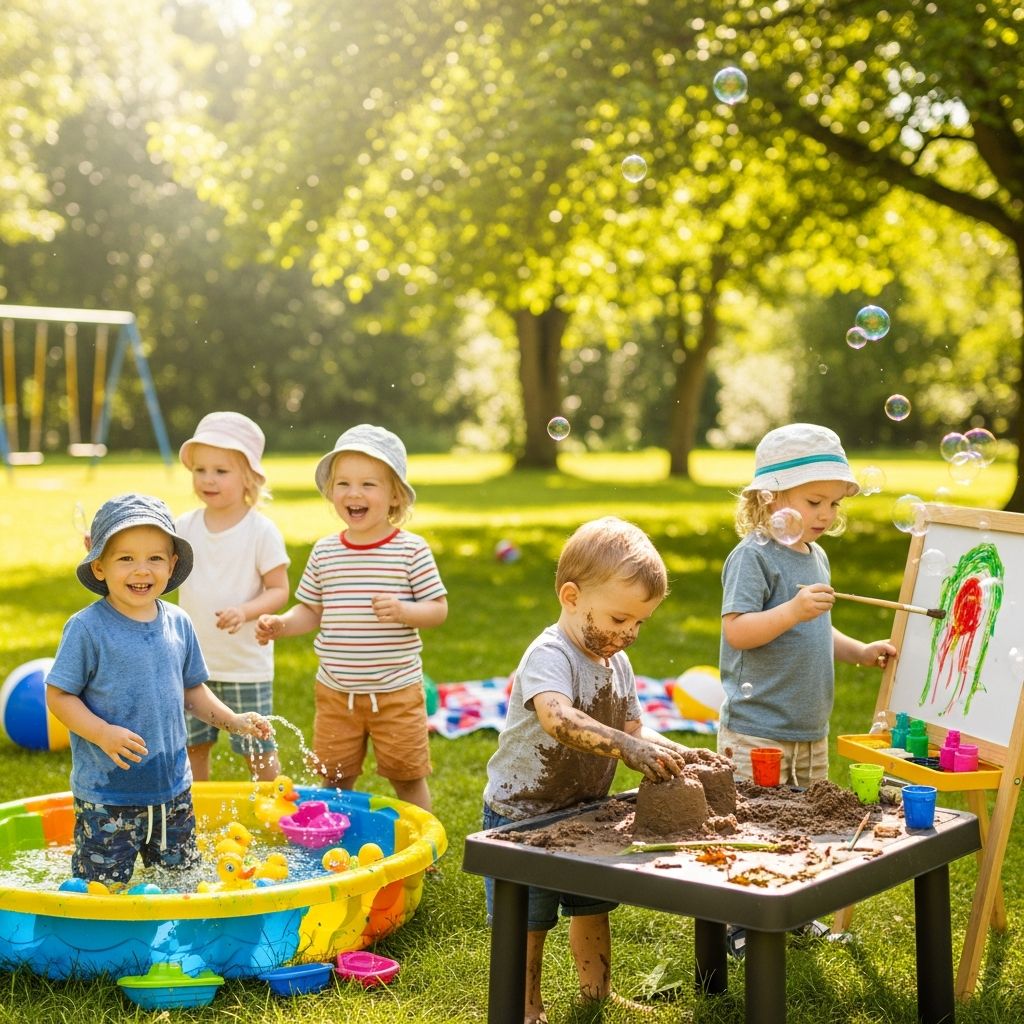
Warm days and long evenings offer the perfect backdrop for toddlers and preschoolers to explore, experiment, and play. With a little planning and a spirit of flexibility, summer can become a season full of simple adventures that fit easily into everyday family life.
Why Summer Play Matters for Little Kids
Summer play is more than just a way to fill time; it supports physical growth, language development, emotional regulation, and curiosity. When children dig in the dirt, splash in water, or invent games with sticks and rocks, they are practicing decision-making, problem-solving, and coordination in a natural, joyful way.
Unstructured play outdoors also provides a healthy balance to the busy routines of the rest of the year. It allows children to move their whole bodies, take safe risks, and gain confidence while caregivers step back a bit and observe new skills emerging.
Planning a Low-Stress Summer
Families often feel pressure to create elaborate, picture-perfect activities, but most young children are thrilled with repetition and simple materials. Think in terms of broad themes—water, nature, art, movement—and rotate a few ideas each week rather than planning a different activity every day.
Keep a small bin of summer supplies near the door—plastic containers, chalk, old towels, bubbles, and sunscreen—so you can quickly set up play without hunting for materials. A loose routine, such as “outside in the morning, quiet play after lunch, water play before dinner,” can also help children know what to expect.
Outdoor Adventures in Your Own Yard
You do not need a large backyard or special equipment to create memorable outdoor experiences. A balcony, courtyard, front step, or shared green space can all become places for exploration when you think small and intentional.
- Use chalk, tape, or even a stick in the dirt to create obstacle paths, lines to balance on, and simple hop patterns.
- Offer containers, spoons, and balls to encourage self-directed games like filling, pouring, rolling, and stacking.
Simple Movement Games
Movement games help young children strengthen muscles, practice balance, and release energy. They also create easy opportunities for caregivers to join in for a few minutes and then step back while children continue playing.
- Shadow chases: Go outside when the sun is low and invite children to jump on, chase, or dance with their own shadow or yours.
- Shape paths: Draw large circles, squares, and zigzags on the ground and suggest different ways to travel along them such as tip-toeing, hopping, or marching.
- Color runs: Place colored objects (or chalk marks) around the yard and call out a color for children to run to and touch.
Backyard Picnic Play
Picnics transform an ordinary meal or snack into an event. For toddlers and preschoolers, eating outside encourages sensory exploration and offers a fresh setting for social practice and language.
- Let the child help pack a simple basket with napkins, cups, and easy snacks.
- Bring a favorite stuffed animal or doll and include it in the meal to inspire pretend play.
- After eating, leave the blanket down and add books, puzzles, or small blocks for an outdoor “cozy corner.”
Water Play That Keeps Kids Cool
Water play is a classic summer activity because it is endlessly adaptable and soothing. It also supports sensory development, hand-eye coordination, and early math concepts such as volume, cause and effect, and comparison.
Always maintain close, hands-on supervision around any water, no matter how shallow it may seem. Even a small tub or bucket requires an adult within arm’s reach and active attention.
Easy Water Setups
There is no need for a large inflatable pool; small containers can be just as engaging. Rotate a few tools and themes through the week to keep play feeling fresh.
- Container station: Offer bowls, cups, spoons, and funnels in a large storage bin or dishpan partially filled with water.
- Pour and compare: Provide different sizes of clear containers and invite children to guess which holds more, then test their ideas.
- Float or sink: Collect natural items and small toys; children can predict and test whether each object floats or sinks.
Water Painting and Clean-Up Play
Water can be used as a “mess-free” paint and as a fun cleaning tool, turning everyday chores into playtime. This is especially helpful for very young toddlers who want to imitate adult tasks.
- Give children a bucket of water and large paintbrushes to “paint” fences, walls, or sidewalks and watch the designs fade in the sun.
- Offer sponges, washcloths, or old toothbrushes so they can wash outdoor toys, ride-on cars, or plastic furniture.
- Place toy animals or blocks in a bin, add soapy water, and let children scrub and rinse them.
Nature Exploration for Curious Minds
Nature is one of the most generous teachers for young children. Observing plants, insects, clouds, and rocks promotes observation skills, vocabulary, and a sense of connection to the world around them.
You do not need a forest or beach to explore nature. A single tree, patch of grass, or community garden can provide enough sights, sounds, and textures to keep young children fascinated.
Mini Nature Hunts
A nature hunt gives a gentle sense of purpose to a walk or backyard visit. The goal is not to “collect everything” but to help children notice details.
- Create a short list of things to look for such as something rough, something smooth, something that smells good, and something that makes a sound.
- Bring a small bag or egg carton for collecting safe items like leaves, tiny sticks, or petals, and leave living creatures where they are.
- When you get home, sort items by size, color, or texture and talk about the differences.
Growing and Caring for Plants
Tending to a plant is a slow, satisfying project for summer. It teaches responsibility, patience, and basic science in a very visual way.
- Start with easy plants such as herbs or fast-growing beans in a pot or recycled container.
- Mark the plant’s height on a stick or on the pot every week so children can see how it changes over time.
- Invite children to help water, gently touch leaves, and notice new sprouts, flowers, or smells.
Creative Arts Under the Sun
Arts and crafts feel especially free in summer when they can be done outside. This makes clean-up easier and allows children to use bigger movements and messier materials.
Focus on the process rather than the final product. Young kids benefit most when they can choose colors, textures, and tools and experiment with them in open-ended ways.
Big Art for Small Hands
Large-scale art projects encourage whole-arm movement, crossing the midline, and coordination. They also feel exciting and a bit novel compared to drawing at a table.
- Secure a large sheet of paper or cardboard to a fence or wall and invite children to paint standing up.
- Try painting with unconventional tools such as sponges, toy cars, or leaves.
- Use washable supplies so that children can rinse hands, feet, and tools with a bucket of water afterward.
Open-Ended Craft Invitations
Instead of step-by-step projects, offer “invitations” with a few materials and a loose idea. This allows toddlers and preschoolers to explore without the pressure of making something look a certain way.
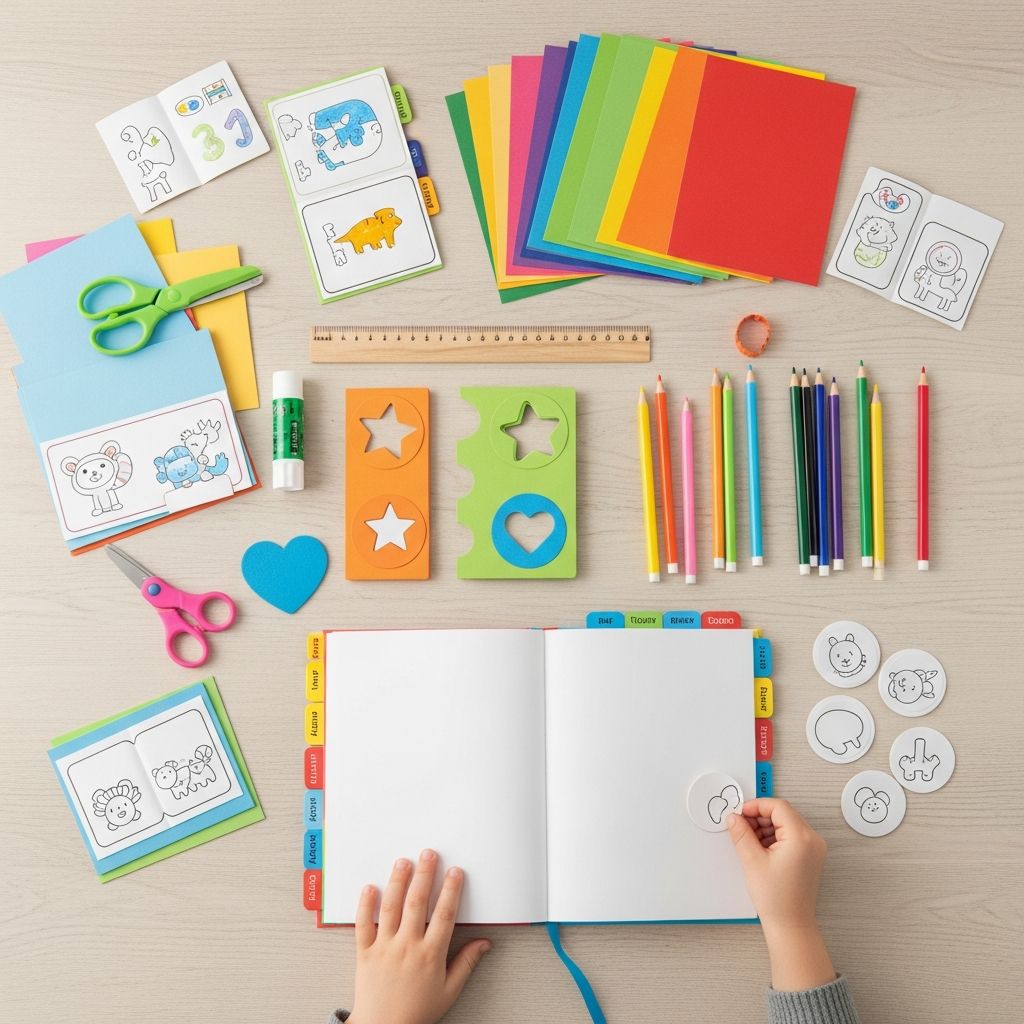
- Place paper, glue sticks, and a tray of small items like fabric scraps, yarn pieces, and nature finds on a table.
- Add safe scissors for older preschoolers who are beginning to practice cutting skills.
- Talk about textures and shapes as children arrange and attach materials, but avoid taking over their designs.
Quiet Time and Indoor Cool-Down
Even the most active children need stretches of calm, especially on hot afternoons. Indoor quiet time helps them reset and prevents both physical and emotional overwhelm.
Quiet does not necessarily mean still; many children relax best with gentle, repetitive activities that engage their hands while their minds slow down.
Calming Indoor Activities
When heat or storms keep you inside, have a few low-prep ideas ready so you can smoothly transition from energetic play to calmer moments.
- Build a simple reading nest with pillows, a light blanket, and a small basket of books.
- Offer playdough, clay, or putty along with rolling pins and simple cutters.
- Set up a basket of matching games, simple puzzles, or stacking toys for quiet, focused play.
Storytelling and Imagination
Imaginative play and storytelling build language skills, empathy, and creativity. Summer’s slower pace gives children room to invent ongoing stories and characters.
- Use puppets, toy animals, or dolls to act out simple scenes such as going on a picnic or visiting a farm.
- Invite your child to add details: Where are the characters going? What do they see outside?
- Rotate a few props—a scarf, a hat, an empty box—to inspire new story lines.
Sample Weekly Summer Rhythm
A flexible rhythm can help families balance variety with predictability. Think of it as a gentle guide rather than a strict schedule; adjust according to weather, moods, and other commitments.
| Time of Day | Example Focus | Simple Activity Ideas |
|---|---|---|
| Morning | Active outdoor play | Movement games, nature walks, backyard obstacle paths |
| Midday | Quiet indoor time | Reading nook, puzzles, playdough, simple crafts |
| Afternoon | Water and sensory play | Container water station, cleaning toys, float-and-sink games |
| Evening | Family connection | Picnic dinner, short walk, cloud watching, stories on the porch |
Practical Tips for Caregivers
Summer with young children can feel wonderful and exhausting at the same time. Keeping expectations realistic and preparing small supports can make a big difference in everyone’s mood.
- Prioritize safety basics: sunscreen, hats, hydration, shade breaks, and secure supervision around water.
- Rotate toys and materials so that activities feel new even when they use familiar items.
- Give yourself permission to repeat favorite activities often; children learn through repetition and usually enjoy it.
Frequently Asked Questions
How long should summer activities last for toddlers and preschoolers?
Most toddlers and preschoolers do best with short, flexible activity windows. Plan for 10–20 minutes of focused play at a time, with the understanding that some days they may stay engaged longer and other days they may wander away quickly.
Instead of forcing a specific duration, follow the child’s cues. When they start to lose interest or become overstimulated, gently transition to a different type of activity such as a snack, quiet reading, or a new setting.
What if my child seems bored or refuses to join in?
Boredom is not always negative; it can open the door to creativity. Offer a simple setup—like a bin of water and cups or a blanket with a few books—and sit nearby without pressure, allowing the child to choose how or whether to participate.
If they resist your ideas consistently, invite them to help plan. Offer two or three options and let them pick, or ask what they would like to do outside and see which part of their suggestion you can safely support.
How can I keep summer activities affordable?
Many of the richest summer experiences use everyday items: containers, spoons, blankets, cardboard boxes, and natural materials. Focus on using what you already have and looking for free community resources such as parks, splash pads, and library programs.
When you do buy supplies, choose open-ended materials like chalk, washable paint, or simple balls that can be used in many different ways and across several summers.
Is screen time okay during the summer?
Screens can be part of a balanced routine, especially when used intentionally and in moderation. The key is to protect time for active, hands-on play, rest, and connection, rather than allowing screens to fill every quiet moment.
If you choose to include screens, try pairing them with real-world experiences—for example, watching a short nature video and then going outside to look for similar plants or animals.
How can I involve multiple children of different ages?
Choose activities that scale up or down easily. Water play, nature walks, and open-ended art can all be enjoyed by toddlers, preschoolers, and older siblings with slight adjustments to tools and expectations.
Give older children small leadership roles, such as choosing a nature hunt item or demonstrating how to use a tool, while making sure each child has materials appropriate for their stage and abilities.