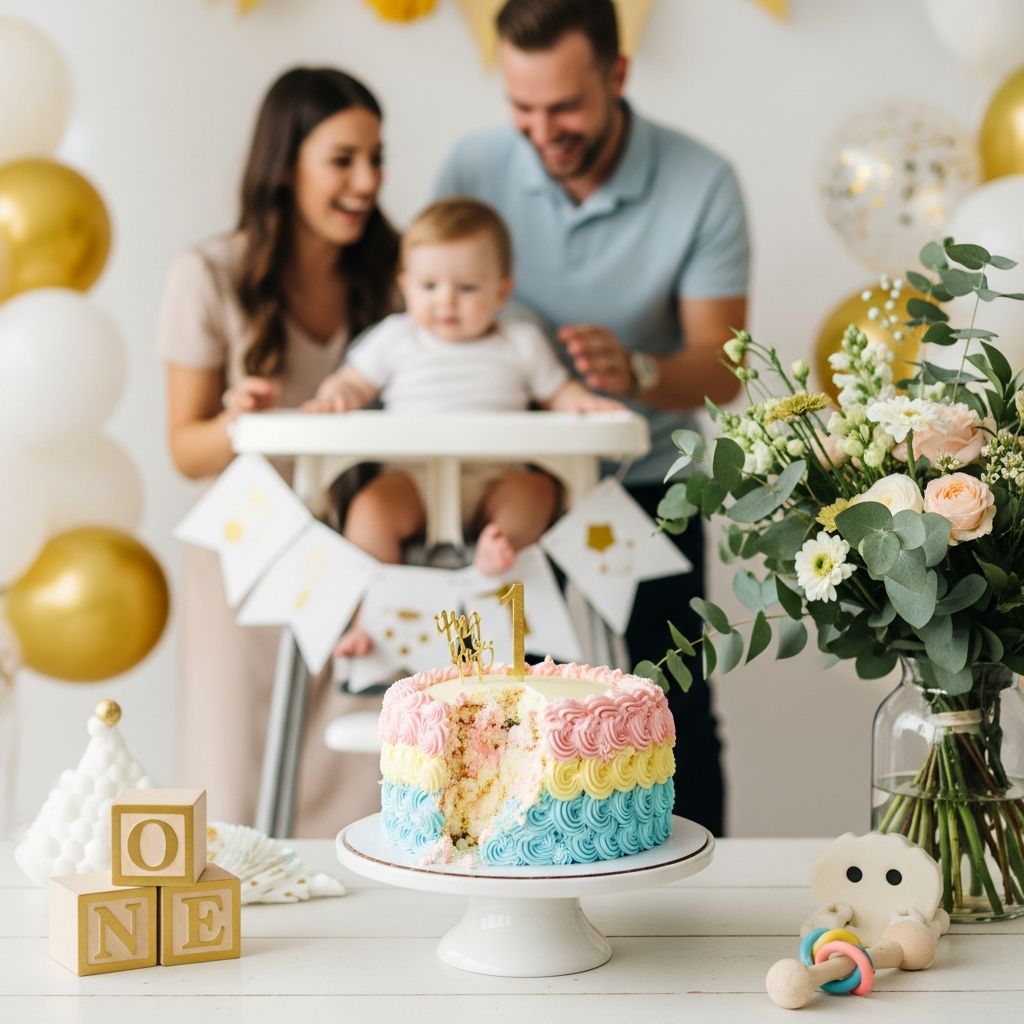
Your baby is turning one, and the pressure to throw an unforgettable first birthday can feel intense. Instead of chasing perfection, this guide helps you design a celebration that is gentle, joyful, and realistic for your family.
Start With What Matters Most
Before choosing a theme or ordering decorations, pause and think about what you want this day to feel like. A first birthday is less about impressing guests and more about marking a major milestone for your baby and your family.
- Focus on connection: Prioritize time to talk, hug, and laugh with the people who have supported you this first year.
- Plan around your baby: Consider nap times, feeding routines, and your child’s temperament when choosing the party time and size.
- Keep expectations realistic: Babies can be overwhelmed by noise, crowds, and new environments, so low-key can often feel better than elaborate.
Choosing a Baby-Friendly Party Theme
A theme helps you tie together invitations, decor, and even food without overcomplicating the planning. For a first birthday, choose themes based on simple visuals, favorite toys, or colors rather than complex characters.
- Color story theme: Choose two or three colors (for example, soft sage, cream, and gold) and repeat them in balloons, plates, and outfits.
- Favorite toy inspired: If your baby loves blocks, balls, or stuffed animals, build your decor and cake design around that object.
- Nature and seasons: Sun, clouds, rainbows, flowers, or woodland animals are easy to decorate with and adapt to any budget.
- Minimalist “no-theme” theme: Focus on simple decor, a beautiful cake, and meaningful photos without committing to a specific motif.
Instead of buying everything new, combine a few themed items (like a banner or cake topper) with neutral basics you can reuse for future celebrations.
Guest List and Timing That Work for a One-Year-Old
The best first birthday parties balance adult enjoyment with your baby’s comfort. More guests and longer parties are not always better at this age.
- Keep the group small if needed: If your child is easily overwhelmed, invite only close family and a few friends.
- Plan around naps: Late morning or midafternoon usually works well, when babies are rested and fed.
- Set a clear time frame: A 1.5–2 hour gathering is often enough for a one-year-old without overstimulation.
- Consider multiple mini-celebrations: If you have a large family, you can host a low-key visit on a different day instead of one big event.
Where to Host Your First Birthday
Location can dramatically affect how relaxed the day feels. Choose a setting that is safe for crawling or toddling, easy to baby-proof, and convenient for naps or breaks.
| Venue | Pros | Potential Challenges |
|---|---|---|
| Home | Comfortable for baby, easy diaper changes and naps, budget friendly. | More cleanup, limited space if your home is small. |
| Relative’s house | Familiar faces, often more space, help with hosting duties. | Less control over layout and baby-proofing. |
| Park or outdoor space | Plenty of room, natural light, free or low-cost. | Weather issues, need backup plan, extra logistics for food and seating. |
| Community room or small hall | More adult seating, room for older kids to play. | Rental cost, transporting decor and baby gear. |
| Child-friendly café or play space | Built-in play areas, professional cleanup. | Higher price, stricter time limits and rules. |
Whatever venue you choose, walk through it with safety in mind—check for stairs, hard edges, open doors, and small objects that curious little hands might find.
Simple Menu Ideas for Little Ones and Grown-Ups
Food at a first birthday does not need to be complicated or gourmet. Think in terms of easy finger foods, minimal choking hazards, and options that adults also enjoy.
Baby-Friendly Bites
- Soft fruit slices like banana, ripe pear, or seedless watermelon cut into small pieces.
- Mini sandwiches with spreads such as hummus, avocado, or cream cheese.
- Small cubes of soft cheese, if already introduced and tolerated.
- Plain mini pancakes or waffles that can be held easily.
Easy Options for Adults
- Vegetable platters with dips, chips and salsa, or simple charcuterie boards.
- Make-ahead salads, like pasta salad or grain bowls, that can sit out safely for a bit.
- One or two main items such as pizza, sandwiches, or a taco bar.
Offer water as the main drink for children, plus a small selection of other choices for adults. Clearly label any foods with common allergens.
The Smash Cake and Other Sweet Treats
The iconic smash cake can be a fun photo moment, but it is optional. Some babies are thrilled by frosting, while others want nothing to do with it.
- Single smash cake: A small, soft cake for the baby to explore with hands and face.
- Separate dessert for guests: Cupcakes, sheet cake, or a dessert platter for everyone else to enjoy.
- Lighter alternatives: Yogurt parfaits, fruit skewers, or lower-sugar muffins if you prefer less sweetness.
Have wet wipes, a towel, and an extra outfit nearby for a quick clean-up after the cake moment.
Activities That Work for One-Year-Olds
Younger babies do not need a packed schedule of games. Instead, create a few simple activity zones that keep them busy while giving adults space to socialize.
Gentle Play Stations
- Soft play corner: A blanket or foam mat with cushions, stuffed animals, and chunky blocks.
- Bubble time: An adult or simple machine blowing bubbles for babies to watch and pop.
- Sensory baskets: Bins filled with safe materials like large fabric scraps, silicone kitchen tools, or big wooden rings.
- Music and movement: Short bursts of music where caregivers can hold their babies and dance together.
If older siblings or cousins are attending, offer crayons, stickers, or simple crafts at a separate table to keep them occupied.
Decor That Looks Great Without Overwhelm
Decorations do not need to fill every corner of your space. A few intentional touches can make your photos feel special while keeping your baby comfortable.
- Focus area: Create one main backdrop behind the cake or gift table with a banner or garland.
- Photo-friendly seating: Set up a chair, small sofa, or floor cushion area where you can easily take pictures with guests.
- Keep it low: Hang decorations at a height where they will appear in photos featuring your baby, not just above adult heads.
- Limit loud décor: Avoid decorations that make sudden noises or flash intensely, which might startle your baby.
Practical Tips to Reduce Stress for Parents
Planning can quickly become overwhelming, so build in shortcuts. Remember that your well-being affects how much you enjoy the day just as much as your preparation does.
- Share the workload: Ask one person to handle photos, another to watch the food table, and someone else to keep an eye on trash and recycling.
- Prep ahead: Choose recipes and decorations that can be prepared one or two days in advance.
- Accept help: When guests offer to bring a dish or help with setup, say yes.
- Build in quiet time: Allow space in the schedule for your baby to rest, nurse, or cuddle away from the crowd.
Thoughtful First Birthday Keepsakes
Simple mementos can help you remember the details of this stage long after your baby has moved on to new milestones. Choose one or two keepsake ideas instead of trying to do everything.
- Time capsule notes: Invite guests to write short messages, predictions, or wishes for your child’s future.
- Memory board: Display photos from each month of your baby’s first year on a bulletin board or string line.
- Signature item: Have guests sign a picture book, wooden letter, or framed print that can later live in your child’s room.
Gift Ideas That Support Your Baby’s Next Stage
Many guests will ask what your baby needs. Point them toward items that will be useful beyond the party and that fit your home and parenting style.
- Board books and picture books that can grow with your child’s language skills.
- Open-ended toys like blocks, stacking cups, or simple vehicles that encourage exploration.
- Practical items such as clothing in the next size up, training cups, or bath toys.
- Experiences, like passes to a local zoo or children’s museum, if that suits your family.
Frequently Asked Questions About First Birthdays
How long should a first birthday party last? Most families find that 90 minutes to 2 hours is plenty. Babies can tire quickly, and ending on a calm note often feels better than stretching the event too long. What should my baby wear? Pick an outfit that is comfortable, weather-appropriate, and easy to change after the cake or outdoor play. Many parents choose a special top for photos and a backup outfit for the rest of the day. Do I have to provide party favors? Party favors are optional. If you enjoy them, keep them simple—bubbles, a small board book, or a single toy are all thoughtful without adding clutter. Is it okay to say no to extra guests? Yes. You are allowed to set boundaries around your baby’s celebration. A smaller gathering can be kinder to your child and to your own energy levels. What if my baby cries during the party? This is completely normal. Offer a quiet room, cuddles, or a feeding break, and let the celebration pause while your baby regroups. Guests generally understand that one-year-olds have big feelings.
Making the Day Feel Meaningful
The heart of a first birthday is the story of how far your family has come in one short year. Whether your party is big or small, themed or simple, the most memorable moments are often the unscripted ones: sleepy snuggles, frosting-covered smiles, or grandparents holding your baby close.
Give yourself permission to skip traditions that do not fit, embrace the ones that matter to you, and celebrate this milestone in a way that reflects your real life—not anyone else’s expectations.