Preschoolers feel everything with their whole bodies. A minor slight on the playground can come out at home as a sweeping, dramatic statement like, “No one wants to play with me,” or “Everybody is being mean.” To an adult, these claims are clearly exaggerated. To a young child, they can feel completely true in that moment.
This article explores why young children talk in such big extremes, what those statements usually mean underneath, and how you can respond in ways that build social skills, confidence, and emotional resilience.
Why Preschool Feelings Sound So Extreme
Preschoolers are in a powerful stage of social-emotional development. They are just beginning to understand their own feelings, the feelings of others, and the rules of friendship. Their brain development makes intense emotions normal and frequent, while their language skills are still catching up.
Key reasons for dramatic statements
- Limited perspective: Young children often see the world in all-or-nothing terms. If one friend says “no,” it can feel like no one ever wants to play.
- Developing language: They lack nuanced words like “left out for a few minutes,” so they reach for big global words like “everyone” or “never.”
- Intense emotions: Their emotional systems mature earlier than their ability to regulate and explain feelings, leading to dramatic outbursts.
- Testing reactions: Children are learning how adults respond to big feelings. A dramatic statement is sometimes a way of asking, “Will you still care about me when I feel this bad?”
- Real hurt underneath: Even if the words are exaggerated, the emotional pain is real. The goal is not to correct their grammar, but to understand their experience.
Common Preschool Exaggerations (and What They Often Mean)
While every child is unique, certain dramatic phrases show up again and again in the preschool years. Understanding what might be behind the words helps you respond in a calmer, more helpful way.
| What Your Child Says | Possible Underlying Feeling | Helpful Parent Focus |
|---|---|---|
| “No one wants to play with me.” | Lonely, briefly excluded, unsure how to join in. | Empathy, problem-solving ways to enter play. |
| “Everybody is mean.” | Frustration after one conflict or rough interaction. | Validating feelings, retelling what actually happened, teaching conflict skills. |
| “I never get a turn.” | Impatience, difficulty with waiting and sharing. | Teaching patience, clarifying turn-taking, praising waiting. |
| “I’m not going to school ever again.” | Anxiety, separation worries, or a bad day. | Reassurance, routines, and previewing what to expect at school. |
| “Nobody likes me.” | Hurt feelings, social uncertainty, low confidence. | Comfort, identifying caring people, building friendship skills. |
First Step: Connect Before You Correct
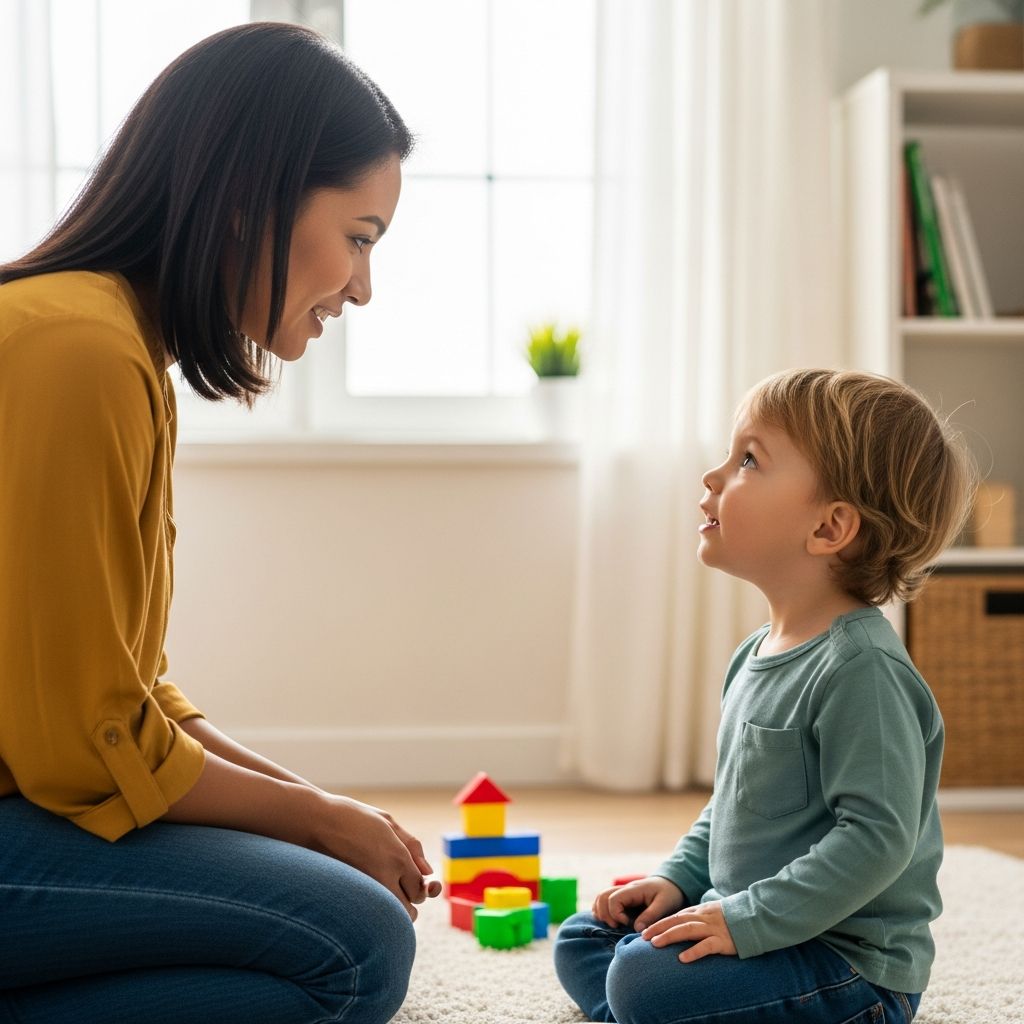
When a child cries, “No one wants to play with me,” it can be tempting to jump straight into fixing: “That’s not true; you have lots of friends!” But jumping past the feeling often makes them dig in harder. A better approach is to connect first, then gently explore what happened.
Core principles of a calming response
- Listen fully: Give your child your attention—eye contact, a calm voice, and a pause in your own tasks.
- Reflect feelings: Offer a simple guess about what they feel: “You sound really sad,” or “It seems like your heart is hurting.”
- Avoid instant contradictions: Correcting their words (“That’s not true”) can feel like you are denying their experience, even if your intention is kind.
- Use open questions later: Once they are calmer, move into gentle questions: “What happened right before you felt that way?”
- Stay neutral about other kids: Avoid labeling classmates as “bad” or “mean.” Focus instead on behavior and solutions.
Helping Preschoolers Build Social Skills Through Conflict
Moments of feeling left out are painful, but they are also prime opportunities for learning important social skills such as sharing, cooperation, and empathy. High-quality preschool experiences deliberately support these skills through structured play, routines, and teacher guidance.
Key social skills developing in preschool
- Cooperation: Working with others toward a shared goal, such as building a block tower together.
- Sharing and turn-taking: Handing over toys and materials and waiting for a turn, even when they do not want to.
- Listening: Paying attention to others’ words and body language.
- Emotion awareness: Recognizing and naming feelings in themselves and others.
- Problem-solving: Figuring out what to do when there is a disagreement or misunderstanding.
Research indicates that young children who develop strong social-emotional skills in preschool have better long-term academic and mental health outcomes, and fewer behavior problems.
Practical Scripts for Common Dramatic Moments
It helps to have a few simple phrases ready for the intense moments. Here are examples you can adapt to your child and family.
When your child says, “No one wants to play with me”
- Connect: “It really hurts when you feel left out.”
- Clarify: “Tell me what happened right before you felt that way.”
- Normalize: “Everyone feels left out sometimes, even grown-ups.”
- Coach: “Next time, you could say, ‘Can I play too?’ or ‘What can I be in your game?’ Let’s practice that together.”
When your child says, “Everybody is mean”
- Validate: “You’re really upset about how kids treated you.”
- Explore: “Was it one friend or a group? What did they say or do?”
- Reframe: “It sounds like today was a hard day with them. That doesn’t mean they are always mean.”
- Teach language: “Instead of ‘Everyone is mean,’ you could say, ‘I didn’t like what they said.’ That helps people understand you better.”
When your child says, “I never get a turn”
- Empathize: “Waiting is really hard. You really wanted a turn right away.”
- Anchor in reality: “You didn’t get a turn this time, but remember when you were the first one on the swing yesterday?”
- Offer tools: “Next time you can say to the teacher, ‘I want to know when my turn is.’ Let’s practice asking calmly.”
Supporting Social Skills at Home
Parents and caregivers play a central role in helping children practice social skills long before and alongside preschool. Simple, everyday moments can be powerful teaching opportunities.
Home practices that build social confidence
- Role-play playground scenarios: Pretend to be the child who is already playing and let your preschooler practice joining in politely.
- Use books and stories: Pause during storytime to ask, “How do you think this character feels? What could they say to a friend?”
- Model respectful disagreement: Let your child see you calmly disagree and work things out with others.
- Practice turn-taking games: Board games, card games, and simple games like “Red Light, Green Light” support patience and following rules.
- Encourage small responsibilities: Preschoolers who have jobs like setting the table or watering plants build a positive sense of self and competence.
Working With Teachers and Caregivers
Preschool teachers have daily insight into peer interactions and can be valuable partners when your child expresses social distress. High-quality programs prioritize social-emotional skills alongside academic learning.
How to collaborate with your child’s teacher
- Share what you hear at home: Let the teacher know when your child frequently says things like, “No one wants to play with me.”
- Ask specific questions: “Who does my child usually play with?” “How do they handle conflicts?”
- Request social coaching support: Teachers can help your child practice joining groups, asking for a turn, or using words instead of grabbing.
- Align language: Use similar phrases at home and school for concepts like “kind hands,” “safe words,” or “listening ears,” so your child experiences consistency.
When Exaggerations Signal Something More
Occasional dramatic statements are a regular part of early childhood. However, if they become constant, or you notice strong distress or withdrawal, it may be time to look deeper. Persistent social problems can affect learning and mental health over time.
Potential red flags
- Your child always reports being left out or bullied, with little variation.
- They show physical symptoms (stomachaches, headaches) most school days without a clear medical cause.
- They consistently avoid social situations they used to enjoy.
- You see patterns of aggression or extreme passivity in play.
If you are concerned, start by talking with your child’s teacher or pediatrician. They can help you decide if any further assessment or support is needed. Early support for social and emotional skills can make a meaningful difference.
Turning Big Words Into Skills
Although exaggerated preschool statements can sound alarming, each one is also an opening. By listening carefully and responding calmly, you can help your child:
- Recognize and name complex feelings.
- Understand that one hard moment does not define all relationships.
- Practice words and actions that make friendships more likely.
- Build resilience—the sense that they can handle big emotions and try again.
Over time, children learn to move from “No one likes me” toward more accurate and hopeful statements like, “I felt left out today, but I can ask to play tomorrow.” That shift is at the heart of growing up socially and emotionally.
Frequently Asked Questions (FAQs)
How do I know if my child’s “no one likes me” is true or just an exaggeration?
Start by validating feelings, then gather more information. Ask your child what happened, and check in with the teacher about your child’s typical play patterns. Teachers can often confirm whether your child usually has playmates or is frequently isolated.
Should I correct my child when they say “everyone” or “never”?
In the heat of the moment, focus on comfort rather than accuracy. Later, when they are calm, you can gently model more precise language: “It sounds like those two friends didn’t want to play today,” which helps them think in more flexible ways.
Can preschool social skills really affect later success?
Yes. Research links early social-emotional skills—like cooperating, managing strong feelings, and focusing attention—to later academic performance and mental health. Supporting these abilities in preschool lays a foundation that can benefit children for years.
What if my child is the one being unkind to others?
Aggressive or unkind behavior is also a communication of unmet needs or lagging skills. Stay calm, set clear limits (“We don’t hit”), and teach alternatives like using words, walking away, or asking an adult for help. Working with teachers to consistently reinforce these strategies can help behavior improve.
How can I prepare my toddler for preschool social life before they start?
Offer playdates, park visits, and simple group activities where children can practice sharing, waiting, and joining play. Read books about starting school, role-play common situations, and talk positively about meeting new friends. These experiences help children feel more confident entering a preschool community.
References
- A Complete Guide to Social Skills Development for Preschoolers — brightwheel. 2023-05-10. https://mybrightwheel.com/blog/social-skills-development-in-preschool
- Building Social Skills for Preschoolers Through Play — Navigate360. 2022-08-15. https://navigate360.com/blog/teaching-social-skills-for-preschoolers/
- How Can Preschool Help Develop My Child’s Social Skills? — EnrollNOLA Early Childhood. 2021-09-01. https://enrollnolaps.com/blog/how-can-preschool-help-develop-my-childs-social-skills/
- Social-Emotional Development: Preschool Children — Virtual Lab School. 2020-06-01. https://www.virtuallabschool.org/preschool/social-and-emotional-development/lesson-2
- Promoting Social and Emotional Learning in Preschool — Robert Wood Johnson Foundation. 2017-05-01. https://www.rwjf.org/en/insights/our-research/2017/05/promoting-social-and-emotional-learning-in-preschool.html
- Social Development in Preschoolers — HealthyChildren.org (American Academy of Pediatrics). 2015-11-21. https://www.healthychildren.org/English/ages-stages/preschool/Pages/Social-Development-in-Preschoolers.aspx
- Social Skills in Children at Home and in Preschool — Alisauskiene et al., International Journal of Environmental Research and Public Health. 2019-07-24. https://pmc.ncbi.nlm.nih.gov/articles/PMC6681026/
- Promoting Young Children’s Social and Emotional Health — NAEYC. 2018-03-01. https://www.naeyc.org/resources/pubs/yc/mar2018/promoting-social-and-emotional-health