Sickle cell disease can affect many parts of life, but the most talked-about problem is the pain crisis. Knowing what is happening inside your body, what triggers these episodes, and how to respond can help you feel more prepared and more in control.
What Is a Sickle Cell Pain Crisis?
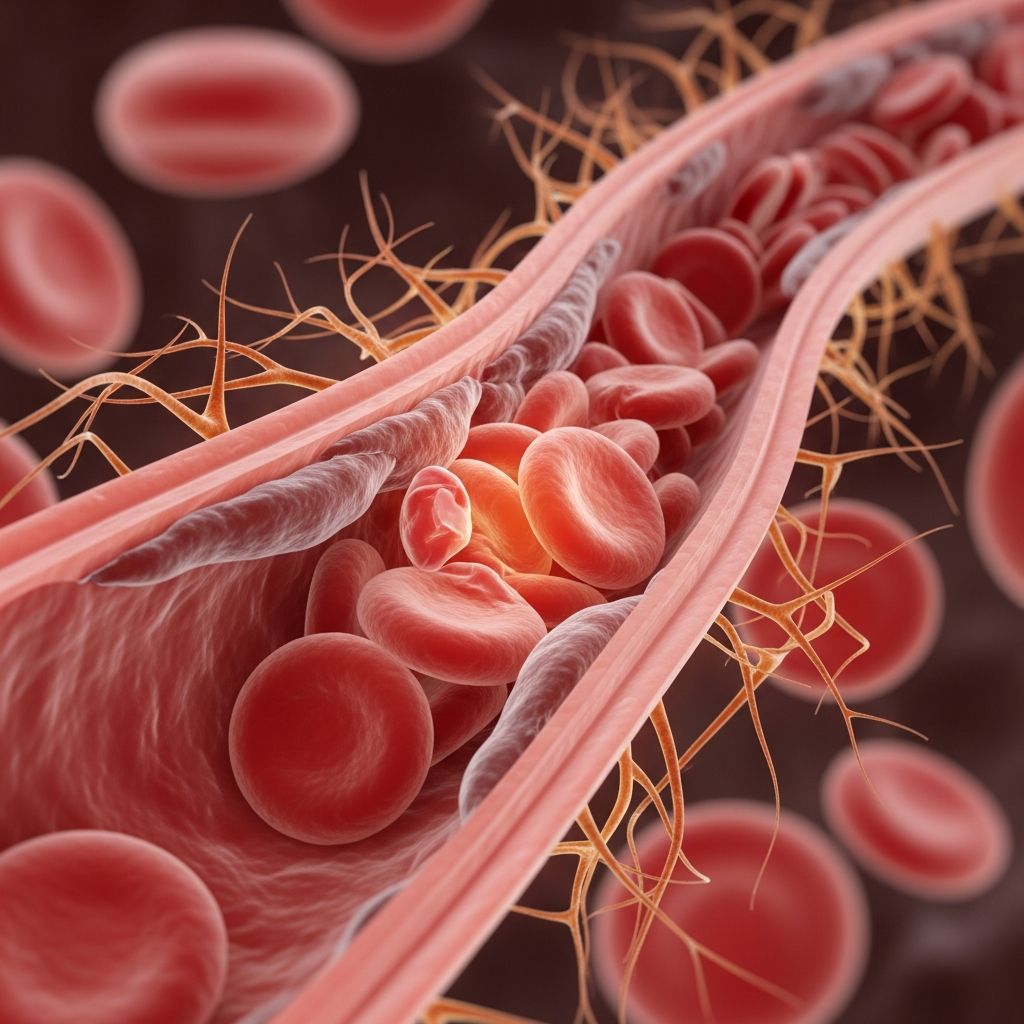
In sickle cell disease, red blood cells can become stiff and shaped like a C or a sickle instead of smooth and round. These sickled cells can clump together and block blood vessels, stopping oxygen-rich blood from reaching parts of the body. When that happens, the area that is not getting enough oxygen becomes very painful — this is called a pain crisis or vaso-occlusive crisis.
- Where it can hurt: back, chest, belly, arms, legs, hips, and sometimes hands and feet.
- How long it can last: a few hours to several days, and sometimes longer.
- How it can feel: sharp, throbbing, stabbing, or deep and aching.
Some people have only a few crises in their lifetime, while others may have them more often. The pattern can change over time, which is why regular visits with your care team are important.
Why Do Pain Crises Happen?
The basic problem in sickle cell disease is abnormal hemoglobin, the protein in red blood cells that carries oxygen. When this hemoglobin loses oxygen, it can cause cells to sickle, making them more likely to stick to each other and to blood vessel walls.
Sometimes a crisis happens without any clear reason. Other times, certain triggers make crises more likely.
Common Triggers for Sickle Cell Pain
- Dehydration (not drinking enough fluids or losing a lot of fluid from fever, sweating, or vomiting).
- Infections, such as colds, the flu, or other illnesses.
- Sudden temperature changes, like going from a hot environment into very cold air or water.
- Physical overexertion, such as intense exercise without rest or hydration.
- Low oxygen levels, for example at high altitude or with certain breathing problems.
- Stress on the body, including surgery, major injury, or severe emotional stress.
Not every trigger affects everyone the same way. Over time, many teens start to recognize which situations make their crises more likely.
How a Pain Crisis Feels: Typical Symptoms
During a crisis, pain is the main symptom, but you may notice other changes in your body at the same time.
| Body Area | Possible Symptoms During a Crisis |
|---|---|
| Limbs (arms, legs, hands, feet) | Deep aching pain, swelling (especially in hands and feet in younger kids), difficulty walking or moving comfortably. |
| Back and hips | Stiffness, strong aches, and pain that may spread to buttocks or thighs. |
| Chest | Pain when taking a breath, tightness, sometimes cough or trouble breathing — this can be a sign of a serious complication called acute chest syndrome. |
| Belly (abdomen) | Cramping or constant pain, sometimes linked with problems like gallstones or spleen enlargement. |
| Head | Headaches or, rarely, signs of stroke such as weakness, trouble talking, or sudden vision changes. |
Many people also feel very tired during a crisis because of anemia — a lower than normal number of healthy red blood cells.
Home Care: What You Can Do When Pain Starts
Your care team will usually give you a pain plan or action plan so you know what to do at home when a crisis begins. Always follow the specific instructions your doctor provides.
Basic Steps for Managing Mild Pain at Home
- Take medicines as prescribed, such as ibuprofen, acetaminophen, or other pain medications recommended by your doctor.
- Drink plenty of fluids (water, oral rehydration drinks, or other non-caffeinated drinks), unless your doctor has given different instructions.
- Use warmth, like a warm (not hot) bath or a heating pad set on low, to relax muscles and ease pain. Avoid burning your skin.
- Rest and avoid strenuous activity until the pain improves.
- Practice relaxation techniques, such as slow breathing, listening to music, or guided imagery, to help your body cope with pain.
If your usual home plan is not helping, or if the pain quickly becomes more intense, you may need hospital care.
When Is a Pain Crisis an Emergency?
Some symptoms are signals that you need immediate medical help. Learn these signs and share them with family, friends, teachers, and coaches who support you.
- Chest pain, trouble breathing, fast breathing, or coughing with fever (possible acute chest syndrome).
- Sudden weakness, numbness, trouble walking or talking, facial drooping, seizures, or severe headache (possible stroke).
- Very pale skin, extreme tiredness, fast heartbeat, or a swollen, painful belly on the left side (possible severe anemia or spleen problem).
- Fever at or above the temperature your doctor told you is an emergency (often around 38.5°C / 101.3°F), especially in babies and younger children.
- Pain that is much worse than usual, or that does not improve after using your home pain plan.
- For boys and teens with a penis: a painful erection that lasts more than 2 hours (priapism).
These problems can become life-threatening quickly, so do not wait to see if they go away on their own. Follow your emergency plan and go to the hospital or call emergency services right away.
What Happens in the Hospital During a Crisis?
If you need hospital care, the team will focus on treating your pain, preventing complications, and supporting your breathing and circulation.
- Stronger pain medicines, sometimes given through a vein (IV), to bring your pain down to a tolerable level.
- Fluids through an IV to treat or prevent dehydration and help blood move more easily.
- Oxygen if your levels are low, especially if you have chest pain or breathing problems.
- Tests such as blood work, chest X-rays, or other scans to look for complications like infection, acute chest syndrome, or stroke.
- Antibiotics if doctors think you have an infection.
- Blood transfusion in some cases, especially for severe anemia, acute chest syndrome, or stroke.
How long you stay in the hospital depends on how serious the crisis is, how quickly your pain improves, and whether you have any complications.
Living With Sickle Cell Disease: Lowering Your Risk of Crises
No one can prevent every pain crisis, but healthy habits and regular medical care can lower the number and severity of crises for many people.
Everyday Habits That Help
- Stay hydrated by drinking water regularly throughout the day, and more during hot weather or exercise.
- Avoid extreme cold by dressing warmly and staying out of very cold water or air when possible.
- Rest when you need to and pace yourself instead of pushing through exhaustion or pain.
- Take prescribed medicines such as folic acid, penicillin (in younger children), hydroxyurea, or newer disease-modifying treatments, as directed by your doctor.
- Keep up with vaccines and checkups to lower the risk of serious infections and organ damage.
School, Sports, and Activities
You can often participate in school and many activities, but you may need some adjustments.
- Make sure teachers, school nurses, and coaches understand your condition and your emergency plan.
- Ask for breaks during physical activity, especially in the heat.
- Keep water nearby and drink regularly.
- Let an adult know early if you start feeling unwell or in pain.
Emotional and Social Side of Pain Crises
Pain crises do not only affect your body. They can also impact your emotions, friendships, and school life.
- Stress and worry: not knowing when the next crisis will happen can be stressful.
- Sadness or anger: it can feel unfair to miss activities or have limits other people your age do not have.
- School pressure: missed days can make it hard to keep up with assignments and tests.
- Feeling different: explaining your condition to others can be uncomfortable.
Coping Strategies That Can Help
- Talk openly with a trusted adult, such as a parent, caregiver, counselor, or health provider.
- Ask your clinic about support groups or online groups for teens with sickle cell disease.
- Learn pain-coping skills like deep breathing, relaxation, or mindfulness.
- Work with school staff to set up a plan for make-up work and accommodations.
Getting emotional support is just as important as treating physical pain. Many hospitals have social workers, psychologists, or child life specialists who understand chronic illness and can help you and your family.
Frequently Asked Questions (FAQs)
How do I know if what I feel is a pain crisis or something else?
Pain from a crisis often feels deeper than muscle soreness and may be similar to pain you have had in past crises. If the pain is new, much stronger than usual, or comes with warning signs like fever, chest pain, or trouble breathing, follow your emergency plan and get medical help.
Can I stop sickle cell pain crises from ever happening?
There is no way to guarantee you will never have a crisis, but you can lower your risk by staying hydrated, avoiding extreme temperatures, preventing infections, and taking any disease-modifying medicines your doctor prescribes.
Are there long-term treatments that reduce crises?
Yes. Medicines such as hydroxyurea and some newer treatments can reduce the number of crises for many people. Your doctor may also discuss blood transfusions or, in some cases, bone marrow or stem cell transplants as treatment options.
Will having sickle cell disease stop me from playing sports or being active?
You can often be active, but you may need to drink extra fluids, take breaks, and avoid pushing yourself to exhaustion or exercising in extreme heat or cold. Always talk with your health care team about what level of activity is safe for you.
What should my friends know about my condition?
You can share that sickle cell disease is not contagious, but it can cause serious pain crises. Let them know what helps you during a crisis, when you might need to leave an activity, and when to get an adult or call for help.
References
- Sickle cell disease – Symptoms — NHS. 2022-11-30. https://www.nhs.uk/conditions/sickle-cell-disease/symptoms/
- Sickle Cell Disease – Symptoms — National Heart, Lung, and Blood Institute (NHLBI), NIH. 2022-11-18. https://www.nhlbi.nih.gov/health/sickle-cell-disease/symptoms
- Sickle Cell Crisis: Symptoms, Types & Treatment — Cleveland Clinic. 2023-06-06. https://my.clevelandclinic.org/health/diseases/sickle-cell-crisis
- Sickle Cell Disease (for Teens) — Nemours KidsHealth. 2023-05-01. https://kidshealth.org/en/teens/sickle-cell-anemia.html
- Sickle Cell Pain — St. Louis Children’s Hospital. 2023-02-15. https://www.stlouischildrens.org/conditions-treatments/sickle-cell-pain
- Sickle Cell Disease — University of Maryland Medical System. 2022-10-10. https://www.umms.org/childrens/health-services/hematology/sickle-cell-disease
- Navigating Teenage Years with Sickle Cell Disease — Carilion Clinic. 2023-04-20. https://www.carilionclinic.org/health-and-wellness/article/navigating-teenage-years-sickle-cell-disease