When a new baby comes home, parents naturally focus on feeding schedules, sleep, and recovery, but the emotional world of older siblings can be just as demanding. Many families now consider giving older children a special gift to mark the baby’s arrival and to reassure them of their place in the family. This article explores the reasoning behind sibling gifts, common concerns, and practical strategies for making the transition smoother for everyone.
Why Parents Consider Sibling Gifts
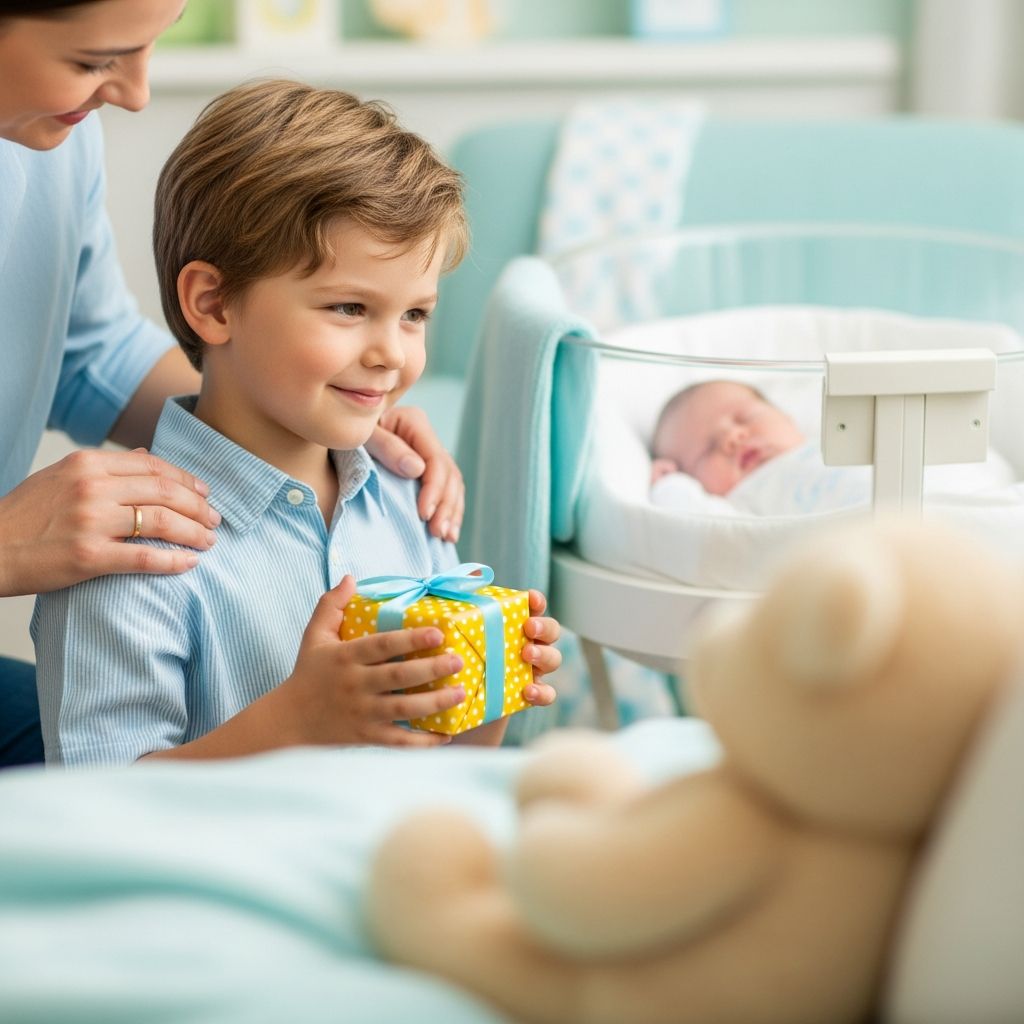
Sibling gifts at the time of a new baby’s birth are not just about material things; they are largely symbolic. The idea is to help older children feel noticed and valued at a moment when parental attention unavoidably shifts toward the newborn. Some parents see the gift as a bridge between old routines and new realities.
- Older siblings may feel replaced or overlooked when a baby arrives.
- A small, thoughtful gift can serve as a tangible expression of continuing love.
- Gifts can be used to create a narrative of “big helper” or “proud big sibling” rather than rival.
Emotional Needs of Older Siblings
Children often struggle to make sense of big family changes, especially when they lack the vocabulary or maturity to explain their feelings. The emotional needs of an older sibling range from simple reassurance to more complex support around identity and belonging. Parents who anticipate these needs are better prepared to respond calmly and consistently.
Signs that an older child is having trouble with the transition can include increased clinginess, regression in behavior, or more defiance than usual. These reactions are normal, but they highlight the importance of deliberate connection and ongoing conversation.
Pros of Giving Sibling Gifts
There are several advantages to giving a sibling gift when a new baby is born, especially when those gifts are chosen with intention rather than impulse. Thoughtful gifts can open up opportunities for positive rituals and supportive conversations.
- Creates a positive association: The arrival of the baby is linked with something special for the older child, not just loss of attention.
- Supports inclusion: The gift can symbolize the older child’s new role in the family, helping them feel “in on” the big event.
- Offers distraction: A new activity or toy may occupy siblings during feeding, naps, or visitors.
Potential Downsides and Concerns
Some parents feel uncomfortable with the idea of material rewards linked to major life events like births, worrying that it may foster entitlement. Others fear that gifts might distract from teaching deeper values such as patience and empathy. These concerns are valid and worth thinking through before deciding on a family approach.
There is also a risk that siblings will begin to expect a gift for every milestone and that parents may feel pressure to spend beyond their budget. Clear boundaries and consistent family communication can reduce these potential downsides.
Common Approaches Parents Take
Families tend to fall into a few broad patterns in how they handle sibling gifts. None is universally right or wrong; the choice depends on your values, finances, and the personalities of your children. Being clear about your approach helps reduce conflict and confusion later.
- Always give a sibling gift: A small, predictable token whenever a new baby arrives.
- Sometimes give a gift: For example, only when the age gap is small or the older child is struggling.
- No gifts, extra time: Parents skip objects but emphasize special one-on-one experiences instead.
What Makes a Good Sibling Gift?
The best sibling gifts usually support connection, independence, or the older child’s sense of competence. The goal is not “bigger is better” but rather “meaningful and manageable.” Consider the child’s age, interests, and the family budget.
- Items that encourage quiet play during baby care, like puzzles or coloring sets.
- “Big sibling” themed items, like shirts, hats, or storybooks.
- Experience-based gifts, such as a future outing with one parent or a special hobby lesson.
Age-by-Age Gift Ideas
| Age of Older Sibling | Emotional Focus | Gift Ideas |
|---|---|---|
| Toddlers (1–3 years) | Security and routine | Stuffed animals, simple board books, stacking toys, soft blankets. |
| Preschoolers (3–5 years) | Identity as “big kid” | “Big sibling” shirts, pretend doctor kits, art supplies, simple crafts. |
| Early school age (6–8 years) | Responsibility and competence | Journals, chapter books, STEM kits, beginner cameras. |
| Older children (9+ years) | Autonomy and privacy | Headphones, hobby supplies, gift cards, special outing vouchers. |
Non-Material Alternatives to Gifts
Not all families are comfortable with or can afford additional presents, and some parents simply prefer to avoid tying love to physical items. Non-material gestures can be just as powerful, especially when they are consistent and sincerely offered.
- A dedicated weekly “date” with one parent, even if it is just a walk or reading time.
- A new family ritual, such as the older child choosing a bedtime song or story for the baby.
- Creating a “big sibling job chart” that highlights helpful roles without overloading the child.
Helping Siblings Bond With the New Baby
Gifts alone will not build a loving sibling relationship. The deeper work lies in everyday moments of connection and in how adults speak about both the baby and the older child. Framing the relationship as a team, rather than a competition, encourages curiosity and care.
Parents can invite older siblings to help in small, age-appropriate ways while making clear that their primary job is to play and grow, not to act as a third caregiver. Positive feedback for gentle interactions reinforces bonding.
Language Parents Can Use
What parents say around the time of the birth shapes how children interpret the change. Simple, repeated messages can offer reassurance and give children a script to understand what is happening. The aim is to combine honesty about the challenges with reminders of unchanging love.
- Emphasize that love is not divided but multiplied when a family grows.
- Describe the older child’s unique role: friend, teacher, and expert on family traditions.
- Normalize mixed feelings by acknowledging that it is okay to feel happy, annoyed, or confused.
Setting Realistic Expectations
Even with the most thoughtful preparations and gifts, sibling rivalry and regression are still likely at times. Expecting perfection from children or parents can increase stress and guilt. Instead, viewing the transition as an ongoing process allows room for adjustment and growth.
Some days the older sibling may seem excited and proud, while on other days they may act out or demand more attention. Responding with patience and consistency usually does more good than any single gift.
Practical Tips for a Smooth Transition
Beyond the question of gifts, small practical strategies can ease the adjustment for older siblings. These steps focus on predictability, participation, and reassurance, which all contribute to a more stable environment. Parents can choose a few that feel manageable during an already intense season.
- Maintain at least one familiar routine, such as a nightly story or weekend breakfast tradition.
- Invite the older child to help choose baby clothes or books as a way of involving them.
- Arrange for trusted adults to spend one-on-one time with the older sibling during the early weeks.
Frequently Asked Questions (FAQ)
Do I have to give a gift to every older sibling?
No, sibling gifts are optional and should reflect your family’s values and budget. Some parents give gifts only when a child seems especially vulnerable or young, while others prefer to offer experiences or extra time instead of objects.
Will my child feel left out if I skip sibling gifts?
A child may notice that the baby is receiving a lot of attention and items, but consistent emotional connection can offset the lack of a physical gift. If you decide against presents, focusing on rituals, special roles, and reassuring language becomes even more important.
Is it better for the gift to be “from the baby”?
Some families like to say that the gift comes from the new baby to foster a sense of friendship from day one. Others prefer to be direct and explain that the parents chose something special to celebrate the sibling’s new role; either approach can work if it feels genuine to you.
What if grandparents or friends insist on giving sibling gifts?
Extended family often want to help, and sibling gifts can be their way of honoring older children. You can share any boundaries you have about size, cost, or type of gift, and suggest alternatives such as experiences, books, or contributions to an activity the child enjoys.
Can gifts make jealousy worse?
In some cases, if gifts are large or uneven, they might spark comparisons between siblings over time. Keeping sibling gifts small, thoughtful, and linked to the child’s feelings rather than “compensating” for the baby can reduce this risk and keep the focus on connection.
Finding a Balance That Fits Your Family
Deciding whether to give sibling gifts when a new baby arrives is ultimately a personal choice. What matters most is that older children feel seen, heard, and loved as the family grows. Whether you use a small present, an experience, or simply extra time and words of reassurance, intentional attention to their emotional world will support a healthier transition for everyone.