Deciding on a name for a new baby is a profound parental responsibility, but when older siblings are part of the picture, many families wonder if children should contribute to the choice. This approach can strengthen family ties and excitement, yet it raises questions about appropriateness and long-term effects. Drawing from parental experiences and child development principles, this article delves into the dynamics of sibling involvement in baby naming.
Why Consider Children’s Input on Baby Names?
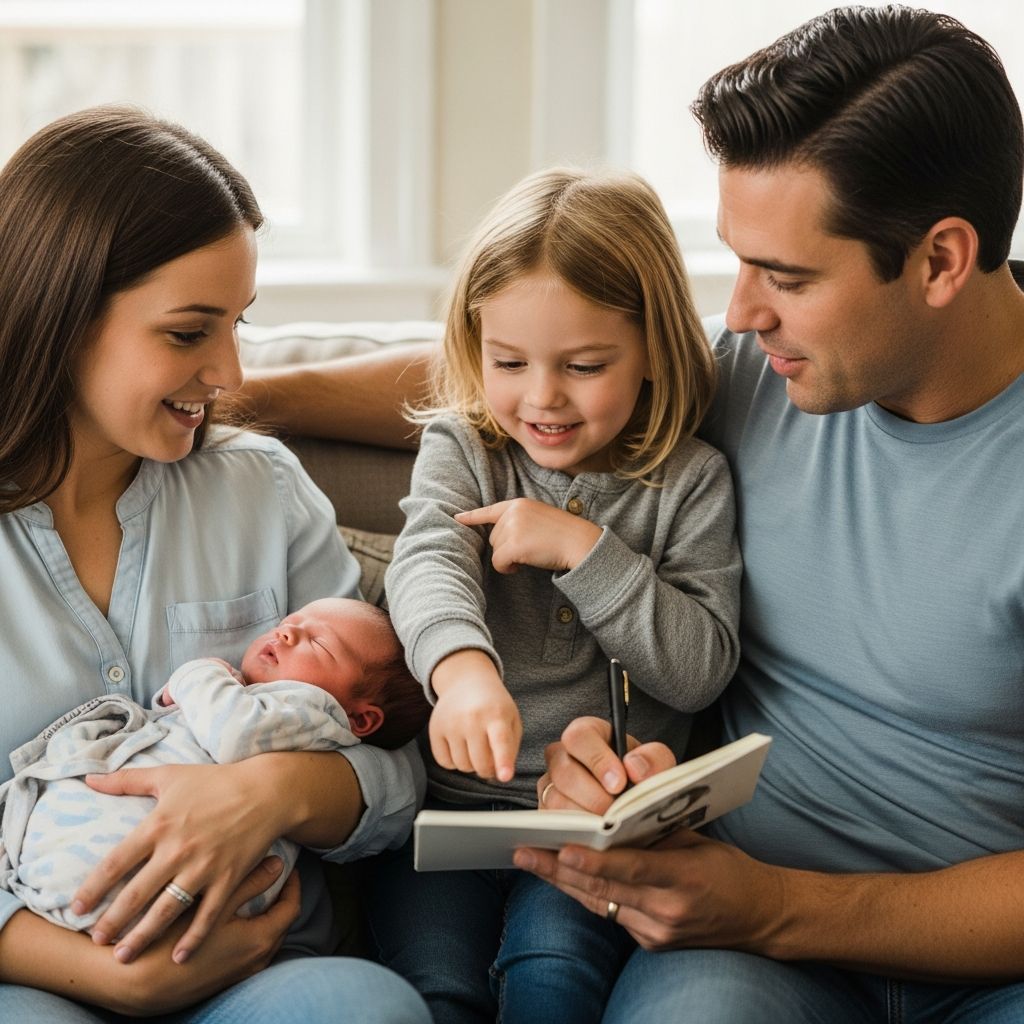
Bringing older kids into the naming process taps into their natural curiosity and desire for inclusion during a family expansion. When parents announce a pregnancy, older children often feel a mix of joy and anxiety about their shifting roles. Allowing them to suggest or vote on names transforms potential rivalry into collaboration, helping them envision the newcomer as a shared family member rather than a threat.
Psychologically, this inclusion aligns with principles of family systems theory, where each member’s voice reinforces unity. Parents report that kids who participate show greater enthusiasm for caregiving tasks, like fetching diapers or soothing the baby, creating early positive associations.
Real-Life Stories of Sibling Naming Success
Many parents share heartwarming tales of letting children influence names. One mother, expecting her fourth child, involved her six-year-old son in brainstorming sessions. After vetoing common names like Luke due to schoolmates, he suggested ‘Archer’ from a kids’ video. The family adopted it, and the boy’s emotional connection was immediate—he held the baby constantly, sang to him, and assisted eagerly. This not only eased the transition but set a precedent; now, her next child’s name may follow suit.
In another case, a celebrity’s elaborate name—Ebony-Jewel Cora-Lee Camellia Rosamond Rainford-Brent—stemmed from four older brothers unable to agree, so parents combined suggestions. While unconventional, it highlights how compromise can honor multiple voices, though it underscores the need for boundaries.
Potential Benefits of Sibling Participation
- Enhanced Bonding: Children feel ownership, reducing jealousy and promoting protective instincts toward the baby.
- Family Democracy: Teaches negotiation and respect for others’ opinions, valuable life skills.
- Memorable Traditions: Creates stories families cherish, like ‘the name from a cartoon,’ fostering laughter in years to come.
- Age-Appropriate Empowerment: For kids 4+, it boosts confidence without overwhelming younger ones.
These advantages extend beyond infancy. Studies on sibling relationships indicate early positive involvement correlates with stronger adult bonds, as shared decision-making builds lasting fondness.
Challenges and Risks to Watch For
Not all experiences are seamless. Children’s suggestions may lean trendy or whimsical—think cartoon characters like Miraculous or Vampirina—potentially leading to regrets. Names too similar to existing siblings can cause mix-ups, while overly unique choices might burden the child later in life with explanations or mispronunciations.
| Challenge | Example | Mitigation Strategy |
|---|---|---|
| Unconventional Picks | Cartoon-inspired names | Curate a pre-approved list |
| Conflicts Among Siblings | Multiple kids disagree | Use voting or middle name compromises |
| Future Regret | Child outgrows taste | Reserve veto power for parents |
| Overly Matchy Names | All starting with same letter | Balance similarity with distinction |
Parents must weigh these against the emotional payoff, ensuring the process doesn’t undermine their authority.
Expert Guidance on Coordinating Sibling Names
Baby name consultants like Jessie Paquette emphasize harmony without rigidity. For subsequent children, match the ‘vibe’ of existing names—classic with classic, nature-themed with earthy—rather than exact matches. Say names aloud together: ‘Joseph and Frederick’ flows better than rhyming duplicates, preventing daily confusion.
Strategies include:
- Alliteration for subtle links, like Blake and Brooks.
- Syllable variety: Short first name with longer middle.
- Themes: Gender-neutral pairs like Quinn and Riley for modern families.
Avoid extremes—pairing ‘Artemis’ with ‘Dan’ jars, while identical initials frustrate. Confidence grows with later babies, allowing bolder choices.
Practical Steps for Involving Kids Safely
- Start Early: During pregnancy, make naming a game with books or apps.
- Set Guidelines: Provide 5-10 vetted options; kids choose from them.
- Incorporate All: Assign roles—oldest suggests first names, younger picks middles.
- Test Run: Announce trial names at family dinners.
- Final Say: Parents approve, explaining gently if vetoing.
- Celebrate: Frame the birth certificate reveal as a family win.
This structure ensures fun without chaos, respecting everyone’s input.
Age Considerations for Participation
Toddlers under 3 may grasp little, offering random words better as anecdotes. Ages 4-7 excel at simple choices, grasping favorites. Tweens (8-12) offer sophisticated ideas but may push trends; guide toward timelessness. Teens provide mature insights, balancing family legacy with individuality.
Adjust involvement: Little ones draw name ideas; older ones research meanings via kid-friendly sites.
Long-Term Family Impacts
Families practicing this often report tighter units. The ‘Archer’ story mom notes her kids now demand equal input, perpetuating bonding. Over time, it cultivates empathy—kids learn compromise, mirroring parental roles.
However, monitor dynamics; if jealousy persists, prioritize counseling over naming games. Ultimately, names are lifelong, but family love endures beyond them.
Frequently Asked Questions
What age is best for kids to help name a sibling?
Ages 4 and up work well, as they understand choices and excitement. Younger kids can suggest playfully without final say.
Can this cause sibling rivalry?
Rarely, if managed; it usually diffuses tension by involving everyone equally.
What if kids pick a silly name?
Use a shortlist of approved names to steer toward suitable options while honoring input.
Should names match existing siblings?
Not necessarily—aim for complementary styles, like similar eras or themes, for cohesion without confusion.
Is full naming power safe for kids?
Supervise closely; parents retain veto to avoid regrettable or cumbersome names.
References
- I’m So Glad I Let My Son Pick Our Baby’s Name — Scary Mommy. 2023. https://www.scarymommy.com/pregnancy/im-so-glad-i-let-my-son-pick-our-babys-name
- Letting siblings name a new baby — Nameberry Forum. 2023. https://forum.nameberry.com/t/letting-siblings-name-a-new-baby/244491
- Naming Baby No.2? Ideas for Finding the Perfect Sibling Pair — Babylist. 2024. https://www.babylist.com/hello-baby/sibling-names
- Sibling Relationships and Family Dynamics — American Psychological Association. 2022-10-15. https://www.apa.org/topics/families/sibling-relationships
- Child Development: Family Involvement in Milestones — CDC. 2024-05-01. https://www.cdc.gov/ncbddd/childdevelopment/family-involvement.html
- Psychological Benefits of Family Decision-Making — Harvard Graduate School of Education. 2023-08-20. https://www.gse.harvard.edu/ideas/usable-knowledge/23/08/family-decision-making