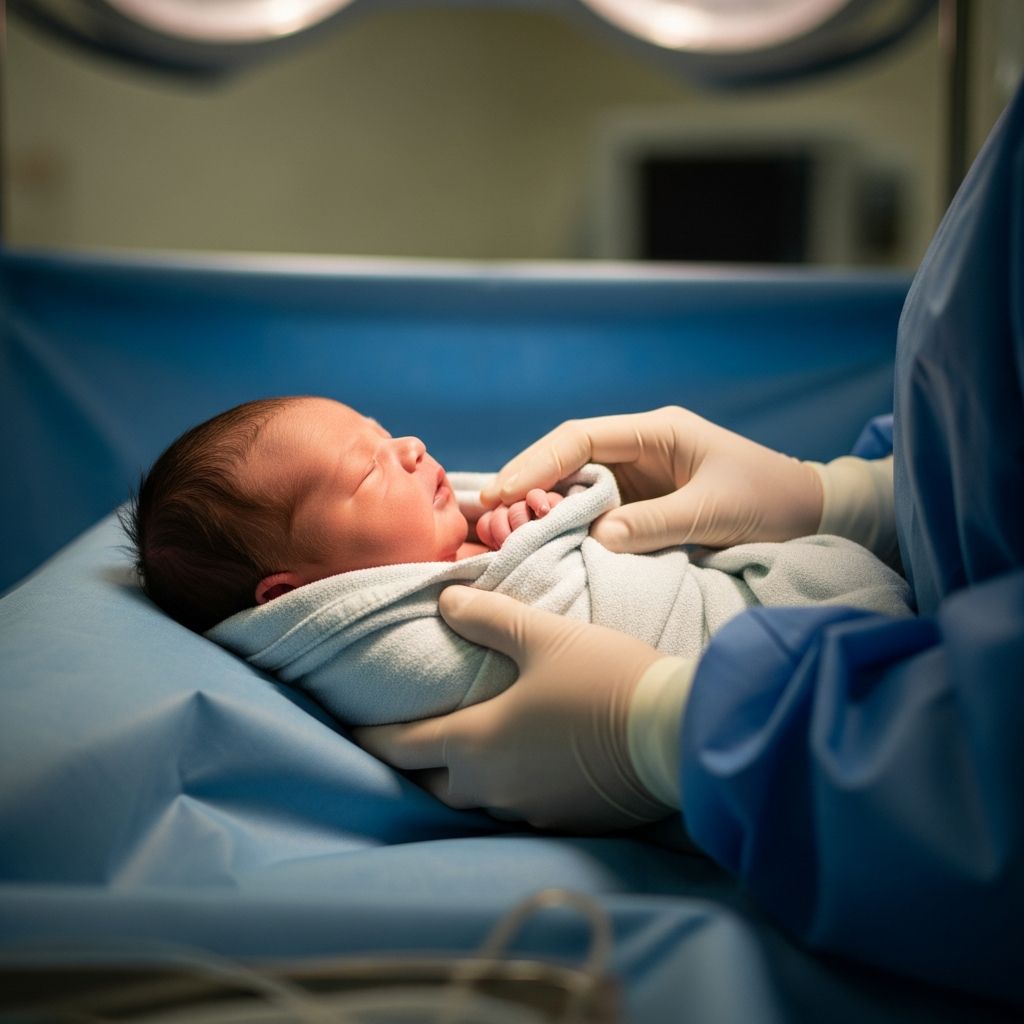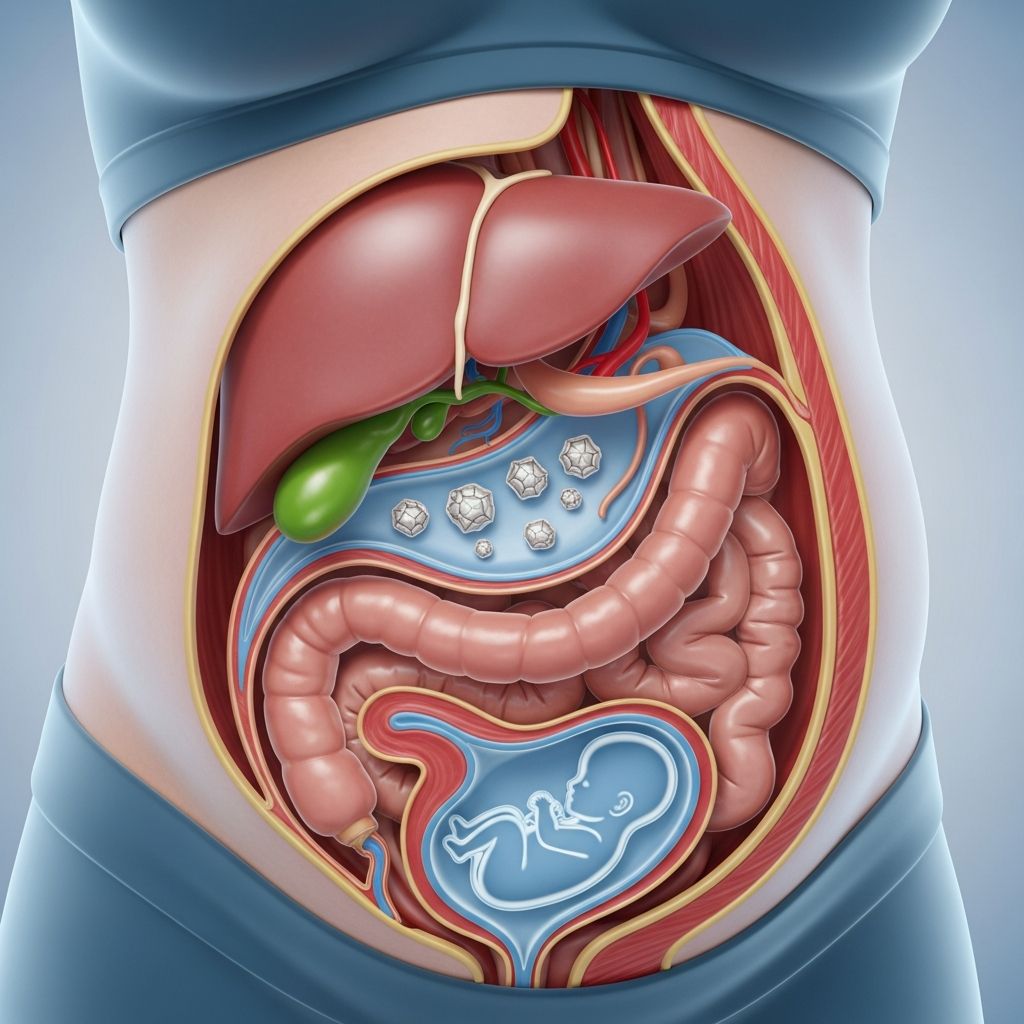
Cesarean birth is major surgery, and it changes how the body feels, moves, and responds long after leaving the hospital. That reality can make the idea of having sex again feel confusing, intimidating, or even frightening. This guide offers realistic, compassionate information so that resuming intimacy after a C-section can happen at your pace, with less fear and more confidence.
Understanding What Your Body Has Been Through
A C-section involves cutting through several layers of tissue, including skin, fat, fascia, and the uterus, then carefully closing them again. Even if the incision on the outside looks small, the internal healing is extensive and ongoing for weeks and months.
- Your uterus is shrinking back to its pre-pregnancy size while your abdominal tissues knit together.
- Hormone levels are rapidly changing, which can affect mood, energy, and libido.
- Lochia (postpartum bleeding and discharge) may last several weeks, regardless of whether you had a vaginal birth or C-section.
Remember that you did not simply give birth; you also had surgery. Treating the body like a healing surgical patient is an act of respect, not weakness.
Typical Healing Timeline Before Penetrative Sex
Every parent and every surgery is different, but many healthcare providers use postpartum milestones rather than exact dates when guiding people about sex after a C-section. Instead of focusing on a single “safe day,” think about stages of recovery.
| Postpartum Stage | What’s Happening Physically | Intimacy Considerations |
|---|---|---|
| Weeks 0–2 | Significant soreness, fatigue, lochia, limited mobility, incision tenderness. | Focus on rest, skin-to-skin contact, and emotional connection. Avoid vaginal penetration. |
| Weeks 3–6 | Bleeding usually decreases, pain gradually lessens, but the abdomen and pelvis are still healing. | Gentle non-penetrative intimacy (cuddling, kissing, massage, mutual touch) can be explored if it feels good. |
| Around 6 weeks and beyond | Many providers check incision and pelvic healing; uterus and cervix are closer to baseline. | Some people feel ready to consider vaginal sex after medical clearance, while others need much more time. |
| 3–6 months | Strength, energy, and comfort with movement often continue to improve. | Sex may gradually feel more familiar again with communication, lubrication, and experimentation. |
These time frames are broad guidelines, not deadlines. Emotional readiness is just as important as physical healing when deciding when to resume intercourse.
Signs Your Body May Be Ready for Sex
Instead of comparing your experience with others, tune in to specific signs that your body is moving toward readiness. A provider’s clearance is essential, but so is internal consent from your own body.
- Lochia has stopped or is very minimal, and there is no new bright red bleeding.
- The incision looks healed on the surface: no fresh drainage, redness expansion, or spreading warmth.
- Getting in and out of bed, rolling over, and walking short distances feel reasonably comfortable.
- You have stretches of the day with manageable pain, ideally without heavy medication.
- There is at least some curiosity or desire for touch or closeness, even if intercourse feels far away.
If several of these are not yet true, it may be premature to attempt penetrative sex. There is no prize for going back “the fastest.”
What Might Sex Feel Like After a C-Section?
Many people assume that having a C-section means sex will feel exactly as it did before because the vagina did not experience a full vaginal delivery. In reality, the whole pelvic region and hormonal environment have changed, so sensations can be different for a while.
- Vaginal dryness: Estrogen levels drop after birth, especially if breastfeeding, which can lead to dryness and discomfort.
- Incision awareness: Tugging, tightness, or a pulling sensation near the scar is common during certain positions or movements.
- Pelvic heaviness or pressure: Pregnancy stretches ligaments and muscles, and they do not bounce back overnight.
- Changes in orgasm: Orgasms may feel more muted, more intense, or simply different as nerves and muscles recover.
Some parents also experience a delay in the return of sexual desire, even when the body is physically ready. That is a normal response to exhaustion, hormonal shifts, and the enormous mental load of caring for a newborn.
Practical Comfort Tips for First-Time Postpartum Sex
The “first time” after a C-section is rarely like a movie scene. Planning for comfort increases the chances of a positive experience and reduces anxiety for both partners.
- Schedule when possible: Choose a time of day when you are least exhausted and least likely to be interrupted.
- Use generous lubrication: A water-based or silicone-based lubricant can dramatically reduce friction and pain.
- Lead with non-penetrative touch: Start with kissing, stroking, massage, or oral stimulation instead of jumping straight to penetration.
- Adopt a feedback mindset: Agree ahead of time that either person can pause or stop at any moment without guilt.
- Support the incision: A folded pillow or postpartum support band over the scar can reduce pulling sensations in some positions.
Think of the first few encounters as gentle experiments, not a test of performance or proof that everything is “back to normal.”
Positions That Tend to Be Easier After a C-Section
Positions that give the recovering parent more control over depth, angle, and pressure often feel safer and more comfortable. Experiment slowly, notice what the scar and pelvis tolerate, and be willing to stop or change course.
- Side-lying (spooning): Lying on the side with a partner behind can reduce abdominal strain and allow shallow penetration.
- Receiver on top: Being on top can help control speed and depth, though this may be tiring early in recovery.
- Modified missionary with pillows: A pillow under the knees or hips can take pressure off the abdomen and lower back.
- Seated or semi-reclined: Sitting on a supportive surface with the partner straddling or facing can keep the core from overworking.
If any position causes sharp pain, burning, or intense pulling at the scar, stop immediately. Mild stretching sensations can be normal, but pain is a cue to slow down or try something different.
Emotional and Mental Hurdles: It’s Not Just Physical
Even if the body seems ready, emotions often lag behind. Birth can be empowering, frightening, or both, and a C-section that was unplanned or emergency-driven may leave lingering grief or trauma that shows up in the bedroom.
- Some parents feel disconnected from their bodies, as though the abdomen and scar belong to someone else.
- Others fear that sex will hurt or cause damage, making it hard to relax enough to enjoy touch.
- Low mood, anxiety, or postpartum depression can further dampen interest in intimacy.
Giving space to these feelings instead of ignoring them is an act of self-respect. Journaling, talking with a trusted friend, or seeking counseling can help integrate the birth story and make room for safe pleasure again.
Talking With Your Partner About Sex After Surgery
Partners often have questions too: When is it safe? Will it hurt? Are they allowed to initiate, or will that create pressure? Clear, honest communication reduces guesswork and resentment on both sides.
Ways to open the conversation include:
- State your current limits: For example, “I’m open to cuddling and kissing, but I’m not ready for penetration yet.”
- Share specific worries: Such as fear of pain, fear of another pregnancy, or feeling “touched out” from constant baby care.
- Agree on non-sexual connection rituals: Daily check-ins, shared meals, or short walks together can protect the relationship while intercourse is on pause.
- Invite your partner into the healing process: Sharing what your provider said or having them attend a follow-up appointment can reassure everyone.
Intimacy is broader than sex. Seeing sex as one of many ways to connect, instead of the only measure of relationship health, reduces performance pressure for both partners.
Birth Control and Pregnancy Spacing After a C-Section
Fertility can return before regular periods do, which means pregnancy is possible even during the early postpartum months. Another pregnancy too soon after a C-section can increase risks, so planning ahead matters.
- Discuss contraception at your postpartum visit: Options include condoms, hormonal methods, IUDs, and others compatible with breastfeeding.
- Remember lactational amenorrhea has limits: Breastfeeding may delay ovulation for some, but it is not a guarantee of protection.
- Use backup methods during the transition: If starting a new form of birth control, ask how long it takes to become effective.
Knowing there is a plan in place can significantly reduce anxiety and make it easier to enjoy sexual activity when you decide you are ready.
When Pain or Discomfort Is a Warning Sign
Some discomfort during early attempts at sex can be normal, especially if there has been a long break. However, certain symptoms warrant a pause and a conversation with a healthcare provider.
- Sharp, stabbing, or tearing pain at the incision or deep in the pelvis.
- New or increasing redness, swelling, or warmth around the scar.
- Heavy bleeding after intercourse, especially bright red blood or large clots.
- Fever, foul-smelling discharge, or general feeling of being unwell.
- Persistent burning, dryness, or pain at the vaginal opening that does not improve with lubrication.
Early evaluation can address treatable causes like infection, scar tissue sensitivity, or pelvic floor dysfunction. Pelvic floor physical therapy, topical treatments, or medication can all play a role in restoring comfort.
Rebuilding Core and Pelvic Strength to Support Intimacy
Strong, responsive core and pelvic floor muscles can make sex more comfortable and more pleasurable. After a C-section, these muscles often feel weak or uncoordinated, and jumping straight back into intense exercise can aggravate healing tissues.
Consider gentle rehabilitation:
- Breath-based core engagement: Practicing slow inhales and exhales with light abdominal activation can begin reconnecting brain and muscles.
- Gentle pelvic floor work: Squeezing and fully relaxing the pelvic muscles while lying down, once cleared by a provider, can restore control.
- Low-impact movement: Short walks, stretching, and posture exercises help circulation and support healing without straining the incision.
- Pelvic floor physiotherapy: A specialist can assess scar mobility, muscle tone, and alignment, and offer individualized exercises.
These practices are not about chasing a “pre-baby body” but about creating a stable, comfortable foundation for daily life and intimacy.
Common Myths About Sex After a C-Section
Misinformation can create unnecessary shame and fear. Challenging common myths can make space for a more compassionate and realistic experience.
- Myth: “You should be ready again at six weeks exactly.”
Reality: Six weeks is often the earliest point for medical clearance, not a universal deadline for libido or comfort. - Myth: “C-section means your sex life won’t change.”
Reality: Hormones, nerves, emotions, and daily routines change for everyone after birth, regardless of delivery type. - Myth: “If it hurts, you just need to push through.”
Reality: Pain is information. Persisting pain deserves assessment, not endurance. - Myth: “Loss of desire means something is wrong with your relationship.”
Reality: Fatigue, mood shifts, and identity changes commonly reduce desire; communication and time often help it return.
Sample Gentle Roadmap Back to Intimacy
There is no single right path, but having a loose roadmap can make the process feel less overwhelming. Adapt this to your body, relationship, and cultural or personal values.
- Weeks 1–2: Prioritize sleep, healing, and basic self-care. Focus on non-sexual touch like holding hands, forehead kisses, or light back rubs.
- Weeks 3–4: If desired, add more intentional cuddling, emotional check-ins, and perhaps sensual but non-penetrative affection.
- Around 6 weeks and beyond (after clearance): Explore gentle arousal without penetration first, then consider shallow penetration with plenty of lubrication, if and when both partners feel ready.
- 3–6 months: Adjust, communicate, and experiment based on what feels good, seeking professional help if pain or distress continue.
This framework is flexible, not prescriptive. Some people move more quickly, others much more slowly, and both courses are valid.
FAQs About Sex After a C-Section
Is it dangerous to have sex “too early” after a C-section?
Penetrative sex before the cervix has closed and the uterus and incision have adequately healed can increase the risk of infection, bleeding, and scar disruption. If there is any doubt, wait for medical clearance and prioritize other forms of intimacy.
What if I never feel like having sex again?
It is common for desire to stay low for months due to hormones, fatigue, and emotional strain. If disinterest in sex persists and causes distress or relationship tension, speaking with a healthcare provider, therapist, or sex therapist can uncover treatable physical or psychological factors.
Can I have an orgasm safely after surgery?
Once the provider is comfortable with your healing, orgasms from any type of stimulation are generally safe. Some people feel uterine cramps or scar tugging during orgasm at first, but this often improves as tissues recover.
Will my scar always feel numb or sensitive during sex?
Numbness, tingling, or sensitivity around the scar are common early on, because nerves have been cut and are regenerating. Gentle massage, time, and in some cases physical therapy can improve sensation, though everyone’s final baseline is different.
Is it normal to feel guilty for not wanting sex yet?
Many new parents feel torn between love for their partner and the physical/emotional reality of recovery. Guilt is a frequent but unhelpful visitor; open communication, reassurance, and practical support at home often reduce that burden over time.
Listening to Your Body as the Final Authority
Opinions from friends, family, and even well-meaning professionals can be helpful, but your lived experience ultimately matters most. If something feels too fast, too painful, or simply not right, you have permission to slow down or stop.
Sex after a C-section is not about “bouncing back.” It is about integrating a profound physical and emotional transformation into your intimate life, honoring the healing process, and allowing desire and pleasure to return on a timeline that truly belongs to you.