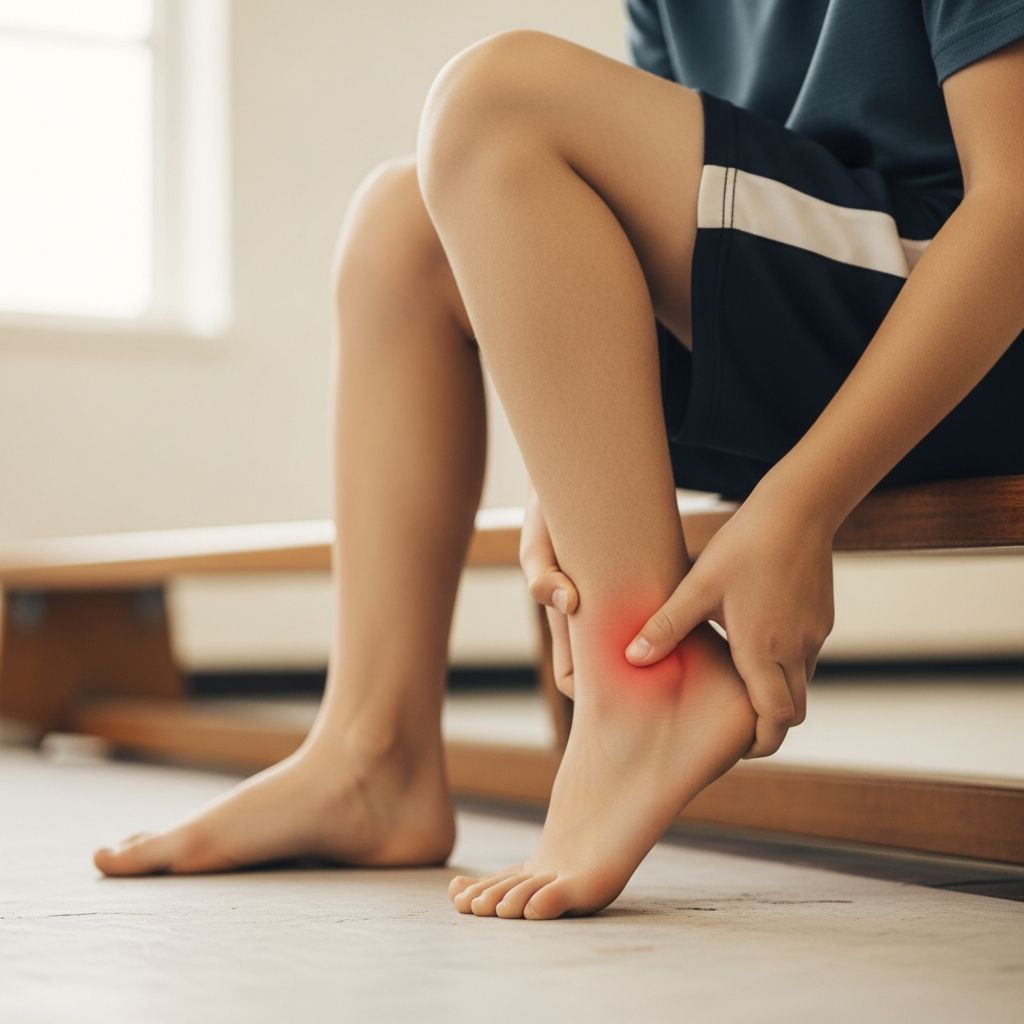
Sever’s disease, medically termed calcaneal apophysitis, is a frequent source of heel discomfort among physically active children, typically emerging between ages 8 and 15 when rapid bone growth outpaces muscle and tendon development. This condition involves inflammation at the heel bone’s growth plate, where the Achilles tendon attaches, due to repetitive stress from running, jumping, or sports. While painful, it resolves naturally as growth completes, usually without long-term damage.
Understanding the Growth Plate and Heel Mechanics
The heel bone, or calcaneus, features a growth plate—a soft cartilage area at its rear that hardens into solid bone over time. In children, this plate is vulnerable to irritation from the Achilles tendon, which tightens during growth spurts as leg bones elongate faster than surrounding tissues. High-impact activities amplify traction on this spot, sparking inflammation, swelling, and pain. Unlike fractures, Sever’s disease stems from overuse rather than acute injury, making it prevalent in soccer players, runners, and gymnasts.
Boys are slightly more prone, often during ages 10-12, while girls may experience it earlier, around 8-10, aligning with puberty timelines. Both heels can be affected, though one side often hurts more.
Recognizing Key Warning Signs
Parents often notice symptoms worsening after play or sports. Primary indicators include:
- Sharp or aching **heel pain**, especially at the back, intensifying with activity and easing with rest.
- Tenderness when squeezing the heel sides or pressing the growth plate.
- Mild **swelling**, redness, or warmth around the heel.
- Limping, tiptoe walking, or reluctance to bear weight on the affected foot.
- Stiffness in the morning or post-exercise soreness.
Symptoms fluctuate; a child might play pain-free one day but limp the next. Pain typically peaks during growth spurts and fades as the growth plate ossifies by age 15. If symptoms persist beyond rest or include severe swelling, consult a pediatrician to exclude fractures or infections.
Root Causes: Why Active Kids Are Vulnerable
Sever’s disease arises from biomechanical imbalances during development. Key contributors:
- Rapid skeletal growth: Tibia and fibula outpace calf muscles, tightening the Achilles tendon and stressing the heel’s apophysis.
- Repetitive impact: Running on hard surfaces or jumping in sports like basketball overloads the growth plate.
- Foot posture issues: Flat feet, high arches, or overpronation increase heel strain.
- Inflexible calves: Limited ankle dorsiflexion pulls excessively on the tendon.
Not all active kids develop it; risk rises with intense training volumes, poor footwear, or sudden activity spikes.
Accurate Diagnosis Methods
Physicians diagnose via clinical exam: squeezing the heel elicits pain, and tests like the single-leg heel raise confirm it. No lab tests are needed, but X-rays rule out fractures or bone spurs—Sever’s shows a fragmented growth plate appearance. MRI is rare, reserved for unclear cases. History of sports involvement and growth timing clinches it. Early detection prevents chronic issues.
| Condition | Key Features | Age Group | Imaging Needed? |
|---|---|---|---|
| Sever’s Disease | Heel tenderness post-activity, no trauma | 8-15 | Usually no |
| Stress Fracture | Constant pain, swelling, history of overuse | Teens | Yes (X-ray/MRI) |
| Achilles Tendinitis | Pain higher up tendon, less heel-specific | Older kids | Sometimes |
Core Treatment Strategies for Relief
Management prioritizes reducing inflammation and load on the heel. Core approaches mirror RICE protocol:
- Rest: Pause high-impact sports for 2-8 weeks; low-impact like swimming is fine.
- Ice: Apply 15-20 minutes, 3x daily, wrapped to avoid skin damage.
- Compression/Elevation: Use heel cups or wraps; elevate post-activity.
Over-the-counter NSAIDs like ibuprofen ease pain/swelling (avoid aspirin in kids). Custom orthotics cushion heels in flat-footed children. Physical therapy emphasizes calf/Achilles stretches: wall leans or towel pulls, 3x daily.
Step-by-Step Home Care Routine
Empower recovery with daily habits:
- Morning calf stretch: Stand facing wall, one foot back, heel down; hold 30 seconds, 5 reps/leg.
- Post-play icing: 15 minutes on heel.
- Supportive shoes: Cushioned heels, good arch support; avoid barefoot.
- Night splints: Keep Achilles stretched overnight if severe.
- Gradual return: Start with 50% activity, monitor pain.
Most improve in weeks; full sports return takes months. Track progress weekly.
Preventing Recurrence in Young Athletes
Proactive steps minimize risks:
- Balanced training: Alternate high/low impact days.
- Proper warm-ups: Dynamic stretches pre-sport.
- Footwear checks: Replace worn shoes every 6 months.
- Strength building: Calf raises, balance exercises.
- Growth monitoring: Adjust during spurts.
Coaches should enforce these for teams.
Expected Timeline and Prognosis
Symptoms last 2-3 months per episode but may recur until growth ends. 95% resolve by 15 without intervention. Rare casts (4-6 weeks) for stubborn cases. No growth plate damage long-term.
When to Seek Urgent Medical Help
Red flags: inability to walk, fever, intense swelling, or pain unrelieved by rest—could signal fracture/infection. See orthopedist or sports medicine specialist promptly.
Frequently Asked Questions (FAQs)
Can my child still play sports with Sever’s disease?
Modify activities: switch to non-impact temporarily; continue if pain-free.
How long until full recovery?
Weeks to months with compliance; growth completion ends it.
Are orthotics always needed?
Only for foot alignment issues; trial heel cups first.
Does Sever’s disease affect height or bone growth?
No, it’s self-limiting with no lasting impact.
What’s the difference from growing pains?
Growing pains are diffuse leg aches; Sever’s is localized heel tenderness post-activity.
This guide equips parents to manage Sever’s disease effectively, promoting swift return to active lifestyles.
References
- Sever’s disease – treatment, symptoms and causes — Healthdirect (Australian Government). 2023. https://www.healthdirect.gov.au/severs-disease
- Sever’s Disease (Calcaneal Apophysitis): What It Is — Cleveland Clinic. 2023-10-12. https://my.clevelandclinic.org/health/diseases/21176-severs-disease-calcaneal-apophysitis
- Sever’s Disease (Heel Pain) — American Academy of Orthopaedic Surgeons (AAOS). 2023. https://orthoinfo.aaos.org/en/diseases–conditions/severs-disease/
- Sever’s Disease Symptoms and Treatment — University of Pittsburgh Medical Center (UPMC). 2024. https://www.upmc.com/services/orthopaedics/conditions/severs-disease
- Sever’s Disease — Gloria Beim MD (Orthopaedic Sports Medicine). 2023. https://www.gloriabeimmd.com/sever-s-disease-orthopaedic-sports-medicine-surgeon-gunnison-colorado/
- Sever’s Disease — Boston Children’s Hospital. 2024. https://www.childrenshospital.org/conditions-treatments/severs-disease
- Sever Disease (Calcaneal Apophysitis) — StatPearls, NCBI Bookshelf (National Center for Biotechnology Information). 2023-07-17. https://www.ncbi.nlm.nih.gov/books/NBK441928/