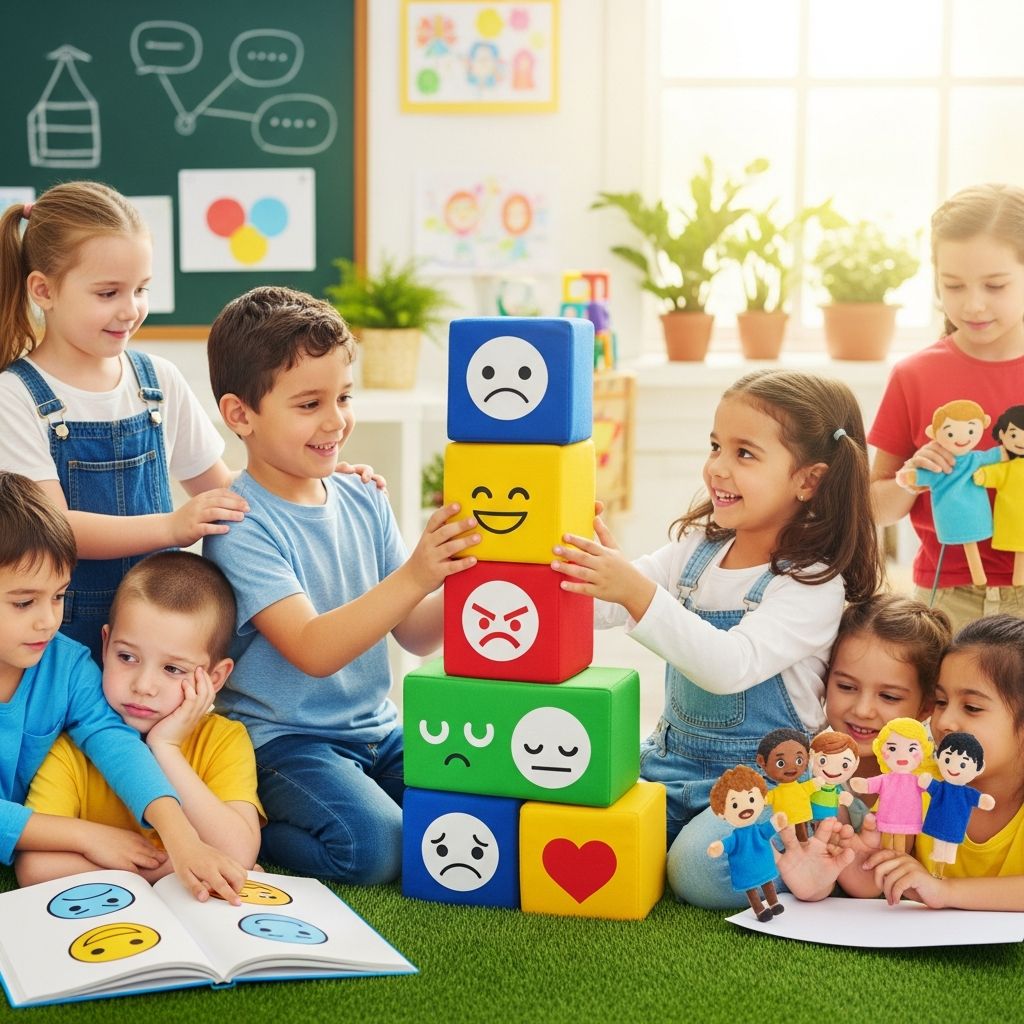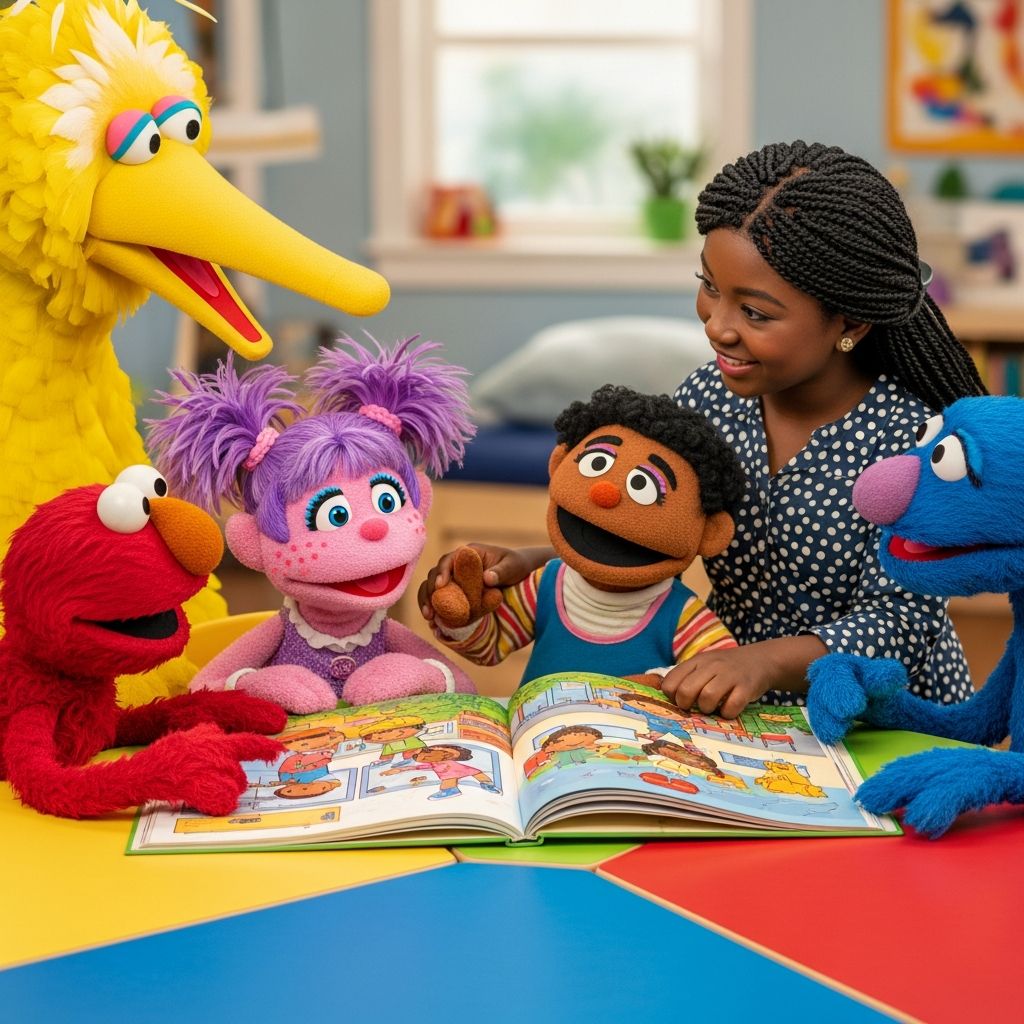
Sesame Workshop, the nonprofit behind the beloved children’s program Sesame Street, has launched groundbreaking initiatives to equip parents, educators, and caregivers with tools to foster racial literacy in young children. Through the multi-year Coming Together project and the ABCs of Racial Literacy resources, the organization addresses a critical gap in early childhood education by providing age-appropriate ways to discuss race, identity, and injustice.
Understanding Racial Literacy in Early Childhood
Racial literacy refers to the ability to recognize, discuss, and respond to racial differences and racism in developmentally appropriate ways. Research shows that children as young as three begin noticing skin color and racial categories, often forming biases if not guided by adults. Sesame Workshop’s efforts build on this by creating content that normalizes these conversations, using familiar Muppets to model empathy and fairness.
The Coming Together initiative, announced in 2021, spans four years and focuses on research-driven strategies to teach racial justice. It responds to events like the murder of George Floyd, which highlighted the need for resources amid national protests against racism. By integrating science-based education, the program helps children understand concepts like melanin the pigment responsible for skin color without oversimplifying complex issues.
New Muppets Leading the Conversation
Central to these efforts are two new Black Muppets: five-year-old Wes and his father Elijah. Introduced in early 2021, they star in videos where Elmo curiously asks why Wes’s skin is brown. Elijah explains: “The color of our skin is important to who we are, but it’s okay that we all look different.” This segment uses a leaf metaphor to illustrate diversity, making the science of melanin accessible and positive.
- Wes and Elijah’s Role: They provide representation and normalize racial discussions.
- Elmo’s Curiosity: Models how children naturally question differences, turning it into a teaching moment.
- Bilingual Availability: All content offered in English and Spanish to reach diverse families.
Other diverse characters like Rosita (a bilingual monster), Tamir, and Gabrielle from the “Power of We” club reinforce themes of upstanding for justice and celebrating identities.
The ABCs Framework: A Simple Path to Justice
The ABCs of Racial Literacy offer a structured approach:
| Letter | Focus | Example from Sesame Street |
|---|---|---|
| A | Shared Language | Vocabulary like “melanin,” “skin color,” and identity terms. |
| B | Being an Upstander | Responding to unfair treatment, e.g., Rosita faces bias but copes with support. |
| C | Conversations & Conflict Resolution | Navigating tough talks with empathy and fairness concepts. |
These resources include free videos, worksheets, and activities distributed via Sesame Street in Communities, partnering with organizations like the American Psychological Association (APA) and National Black Child Development Institute.
Why Start These Talks Early?
Young children are highly attuned to fairness and equality, making preschool the ideal time for racial literacy. Data from Sesame’s 2019 Identity Matters survey reveals parents struggle with these discussions, often avoiding them due to discomfort. The Coming Together project fills this void with evidence-based tools, showing kids how to identify “unkind” or “unfair” behaviors linked to race.
Programming emphasizes positive representation: Muppets celebrate unique traits while addressing microaggressions, like a grocery store incident where Rosita’s Spanish is mocked. Her mom and friend Sofia affirm her language and culture, teaching resilience.
Practical Tools for Parents and Educators
Sesame provides downloadable guides:
- Worksheets: Prompts for identity reflection and starting talks about differences.
- Videos: Short clips on YouTube and SesameWorkshop.org/ComingTogether.
- Activities: Games reinforcing upstander skills and coping with bias.
Caregivers can use these at home or in classrooms. For instance, after watching Wes and Elijah, families discuss: “What makes your skin color special?” This builds self-esteem and cross-racial understanding.
Research and Expert Partnerships Driving Change
Sesame Workshop consulted child development experts to ensure content is age-appropriate. Senior VP Jeanette Betancourt noted the lack of prior research on racial equity for preschoolers, prompting original studies. Partners include Abriendo Puertas and the Coalition for Asian American Children and Families, ensuring cultural relevance.
Future seasons of Sesame Street will weave in this curriculum, with new content rolling out from 2022 onward.
Impact on Families and Communities
These resources empower families of color to process racial trauma and allies to act. Videos model coping strategies, like affirming heritage after discrimination. Early feedback indicates children engage deeply with fairness narratives, internalizing anti-bias messages.
In a diverse society, such programming counters implicit biases formed in toddlerhood, promoting equity from the start.
Frequently Asked Questions (FAQs)
Q: At what age should parents start racial literacy talks?
A: As early as 2-3 years, when children notice differences. Use simple, positive language to guide perceptions.
Q: Are the resources free?
A: Yes, all videos, articles, and activities are free in English and Spanish at SesameWorkshop.org/ComingTogether.
Q: How does Sesame address racism directly?
A: Through upstander training and words like “unfair,” showing kids how to recognize and respond to bias.
Q: Who are the new Muppets Wes and Elijah?
A: A Black father-son duo teaching about melanin and identity via fun interactions with Elmo.
Q: Can educators use these in classrooms?
A: Yes, via Sesame Street in Communities, with partnerships for distribution.
Extending the Lessons at Home
Beyond videos, parents can:
- Read diverse books featuring varied skin tones.
- Point out beauty in differences during playtime.
- Model inclusive behavior in daily life.
Consistency reinforces that all colors are beautiful and equal.
References
- Sesame Workshop focuses on racial literacy with four-year Coming Together initiative — Current.org. 2021-06-28. https://current.org/2021/06/sesame-workshop-focuses-on-racial-literacy-with-four-year-coming-together-initiative/
- “Sesame Street” introduces two new Black Muppets to teach about race — CBS News. 2021-06-23. https://www.cbsnews.com/news/sesame-street-black-characters-teach-race/
- Equity and Inclusion on Sesame Street — Duke Center for Child and Family Policy. N/A. https://childandfamilypolicy.duke.edu/blog/news/equity-and-inclusion-on-sesame-street/
- Sesame Workshop Expands Coming Together Commitment to Racial Justice — Coalition for Asian American Children and Families. 2021-06-23. https://www.cacf.org/resources/sesame-street
- Sesame Workshop Introduces the ABCs of Racial Literacy — New York Family. 2021-06-23. https://www.newyorkfamily.com/sesame-workshop-abcs-of-racial-literacy/
- Inside Sesame Street’s racism initiative for kids — PBS NewsHour (YouTube). 2021. https://www.youtube.com/watch?v=OUuSbZ1to6A
- How to Integrate Racial Justice into Your Work with Children — APA (YouTube). N/A. https://www.youtube.com/watch?v=qtwxsqyR4Wo
- Coming Together — Family Reflections on Racism — Sesame Workshop. 2023-03. https://sesameworkshop.org/wp-content/uploads/2023/03/sw_comingtogether_final.pdf