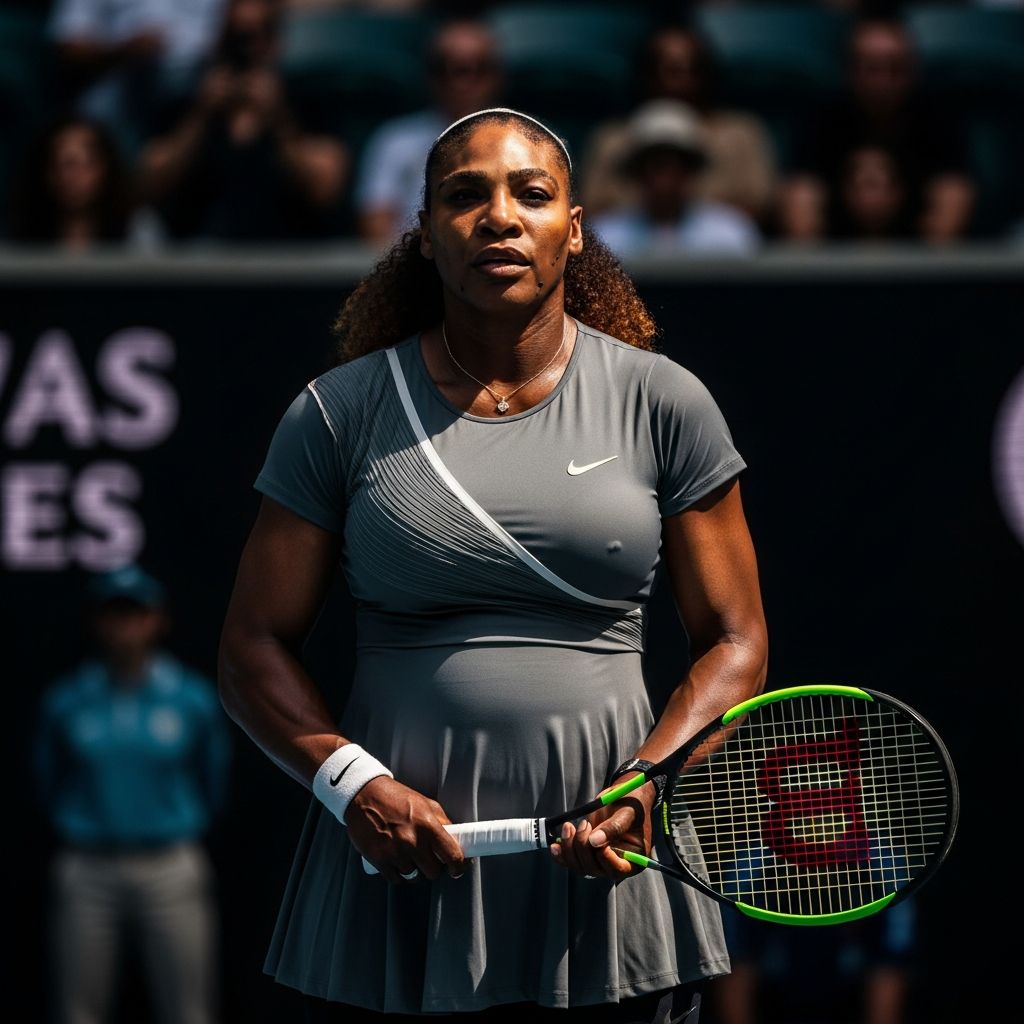
Renowned tennis icon Serena Williams has long been a symbol of resilience and excellence. Yet, her journey back to the court after welcoming her daughter in 2017 revealed deep-seated issues in how elite sports handle maternity leave. From controversial seeding decisions at Wimbledon to pay disputes with major sponsors like Nike, Williams’ experiences highlight systemic barriers for athlete mothers. These challenges not only tested her determination but also catalyzed policy reforms that could benefit working parents across industries.
The Hidden Costs of Motherhood in Professional Tennis
Professional sports demand peak physical performance, leaving little room for life’s natural interruptions like childbirth. For women athletes, maternity leave often means a sharp drop in rankings due to time away from competition. Serena Williams, who dominated as world No. 1 before her pregnancy, returned to find herself ranked 183rd. This plummet stemmed not from diminished skill but from rigid ranking systems that penalize absences, regardless of reason.
Such policies create a dilemma: excel in your career or embrace motherhood? Williams chose both, training rigorously while pregnant and resuming competition mere months after delivery. Her story underscores a broader truth—sports governance frequently overlooks the realities of female biology, forcing mothers into a high-stakes balancing act.
Wimbledon’s Seeding Shift: A Win for Maternal Equity
In 2018, Wimbledon confronted this issue head-on with Serena Williams. Traditionally, seeding followed current rankings, which disadvantaged returning mothers. Williams, despite her storied history of seven Wimbledon titles, faced a No. 183 ranking. Public outcry and advocacy led the All England Club to amend rules, incorporating protected seeding for players affected by maternity leave. She was granted the 25th seed, acknowledging recent form alongside career achievements and time off for pregnancy.
This change marked a pivotal moment. It recognized that rankings alone fail to capture an athlete’s true potential post-maternity. By factoring in maternity breaks, Wimbledon set a precedent. Other tournaments soon followed, fostering a more inclusive environment where motherhood doesn’t equate to career sabotage.
| Aspect | Pre-Change Policy | Post-Change Policy |
|---|---|---|
| Seeding Basis | Current ranking only | Ranking + maternity protection |
| Impact on Williams | Unseeded or low seed | 25th seed |
| Broader Effect | Punished absences | Supports returning mothers |
Nike’s Maternity Pay Controversy and Path to Reform
Williams’ challenges extended beyond tournaments to her endorsement deals. Nike, her longtime sponsor, faced backlash in 2019 for docking pay from pregnant athletes based on performance metrics. Athletes like Allyson Felix revealed cuts up to 70% during pregnancy and postpartum periods. Williams, however, experienced different treatment—her contract remained intact through pregnancy, allowing full pay during her 2017 maternity leave.
Defending Nike post-controversy, Williams noted the company’s evolution: “They’re learning from mistakes and doing better.” Nike responded by revising policies, exempting pregnant athletes from performance-based pay reductions for 12 months around pregnancy. This shift, prompted by athlete voices including Williams’, promised fairer compensation and signaled corporate accountability.
- Key Policy Update: 12-month pay protection for maternity.
- Williams’ Role: Advocated publicly while highlighting her positive experience.
- Industry Ripple: Inspired similar reviews at other brands.
Why Athlete Mothers Face Unique Hurdles
The physical toll of elite sports amplifies maternity challenges. Pregnancy alters body composition, recovery demands intense rehab, and scheduling conflicts with tournaments complicate childcare. Williams returned to finals at Wimbledon and US Open post-baby, yet systemic biases persisted. Her advocacy illuminated how policies rooted in male-dominated frameworks ignore these nuances.
Statistics reveal the gap: only a fraction of top female athletes return post-childbirth at peak levels, often citing inadequate support. Williams’ success—reaching four Grand Slam finals after maternity—proves potential when barriers lift, urging sports bodies to prioritize family-friendly reforms.
Ripples Beyond the Court: Impact on Working Mothers
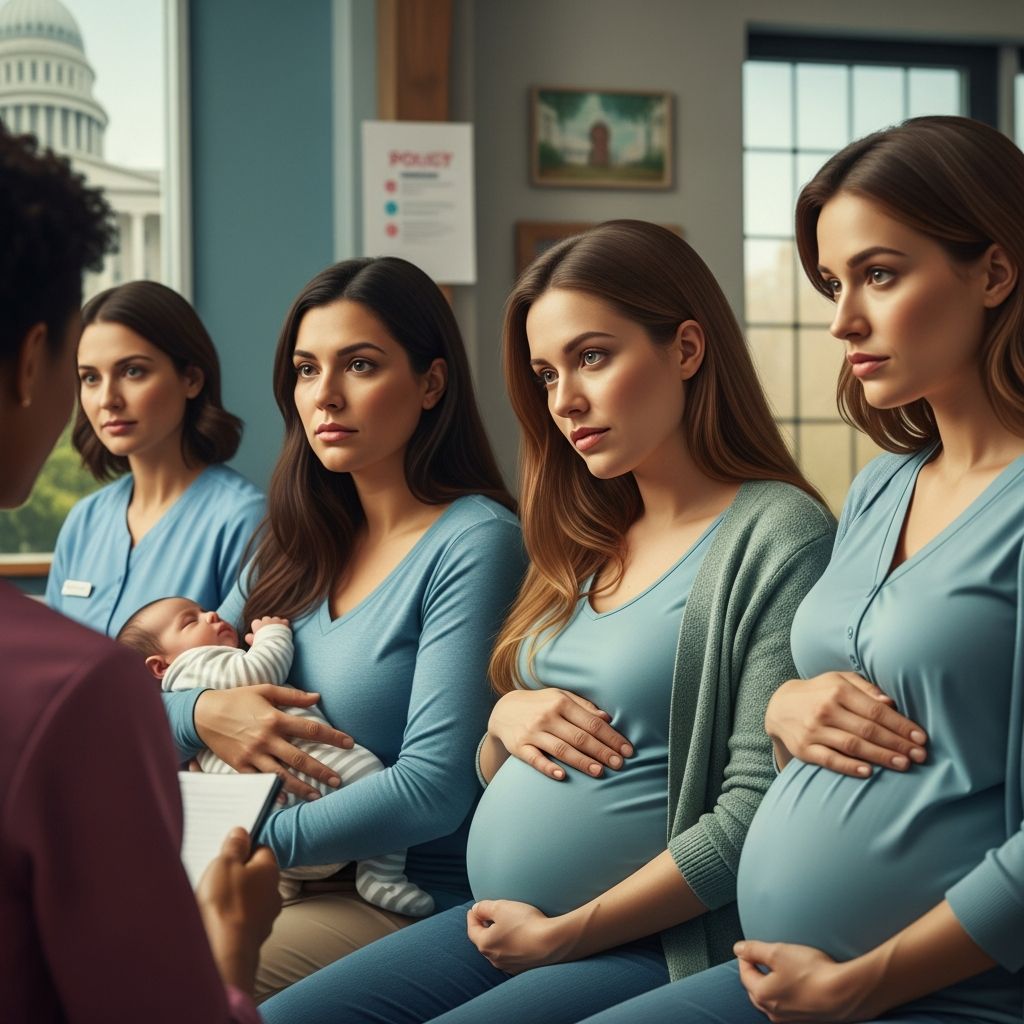
Williams’ saga transcends tennis, mirroring struggles of working mothers everywhere. In corporate America, maternity leave often leads to “motherhood penalties”—lower pay, stalled promotions, biased evaluations. A 2023 U.S. Department of Labor report notes women lose 4% lifetime earnings per child, compounded by caregiving demands. Williams’ visibility amplifies these inequities, pushing for paid leave mandates and anti-discrimination laws.
Her platform drives change: speaking at events, partnering with initiatives like Paid Leave for All, she champions policies ensuring motherhood enhances, not hinders, careers. This could normalize maternal success across sectors.
Lessons from Williams for Modern Workplaces
Organizations can learn from sports reforms. Flexible policies—like remote options, phased returns, and performance metrics adjusted for life events—retain talent. Williams exemplifies that supported mothers outperform expectations. Companies adopting such measures see boosted loyalty and innovation.
- Implement Leave Protections: Guarantee pay and job security.
- Revise Evaluations: Account for protected absences.
- Provide Resources: On-site childcare, lactation support.
- Foster Culture: Celebrate parental returns.
Future Outlook: A More Inclusive Sports Landscape
Progress continues. Grand Slams now routinely protect maternal rankings; sponsors enhance family policies. Yet gaps remain—enforcement varies, and lower-tier athletes lack Williams’ leverage. Her ongoing influence promises further evolution, potentially standardizing global protections.
For working mothers, Williams embodies possibility. Her defiance of bias inspires policy advocates, proving elite achievement and family life coexist with proper support.
Frequently Asked Questions (FAQs)
What changes did Wimbledon make for Serena Williams?
Wimbledon amended seeding rules to consider maternity leave, seeding Williams 25th despite her 183rd ranking, balancing recent play with career and time off.
How did Nike handle Williams’ maternity pay?
Nike maintained Williams’ full pay through her 2017 pregnancy, unlike some others, and later updated policies for 12-month protections amid controversy.
Did Serena defend Nike publicly?
Yes, post-French Open 2019, she stated Nike was “learning from mistakes and doing better,” praising their bold policy shifts.
What broader impact does this have on working moms?
It highlights maternity penalties, spurring calls for paid leave and fair evaluations, influencing corporate and legislative reforms.
Can other athletes expect similar changes?
Many tournaments adopted protected seeding; sponsors are reforming, though implementation varies by level and organization.
References
- Serena Williams defends Nike after maternity pay controversy: ‘They’re doing better’ — CBS Sports. 2019-05-28. https://www.cbssports.com/tennis/news/serena-williams-defends-nike-after-maternity-pay-controversy-theyre-doing-better/
- Serena Williams: Nike Improving Amid Maternity Pay Controversy — Business Insider. 2019-05-28. https://www.businessinsider.com/serena-williams-backs-nike-maternity-pay-controversy-2019-5
- Serena Williams seeded No. 25 after Wimbledon rules amended for maternity leave — ABC News. 2018-07-02. https://abcnews.go.com/GMA/News/serena-williams-seeded-25-wimbledon-rules-amended/story?id=56163964
- Women’s Earnings and Income — U.S. Department of Labor, Bureau of Labor Statistics. 2023-01-20. https://www.bls.gov/opub/reports/womens-earnings/2022/