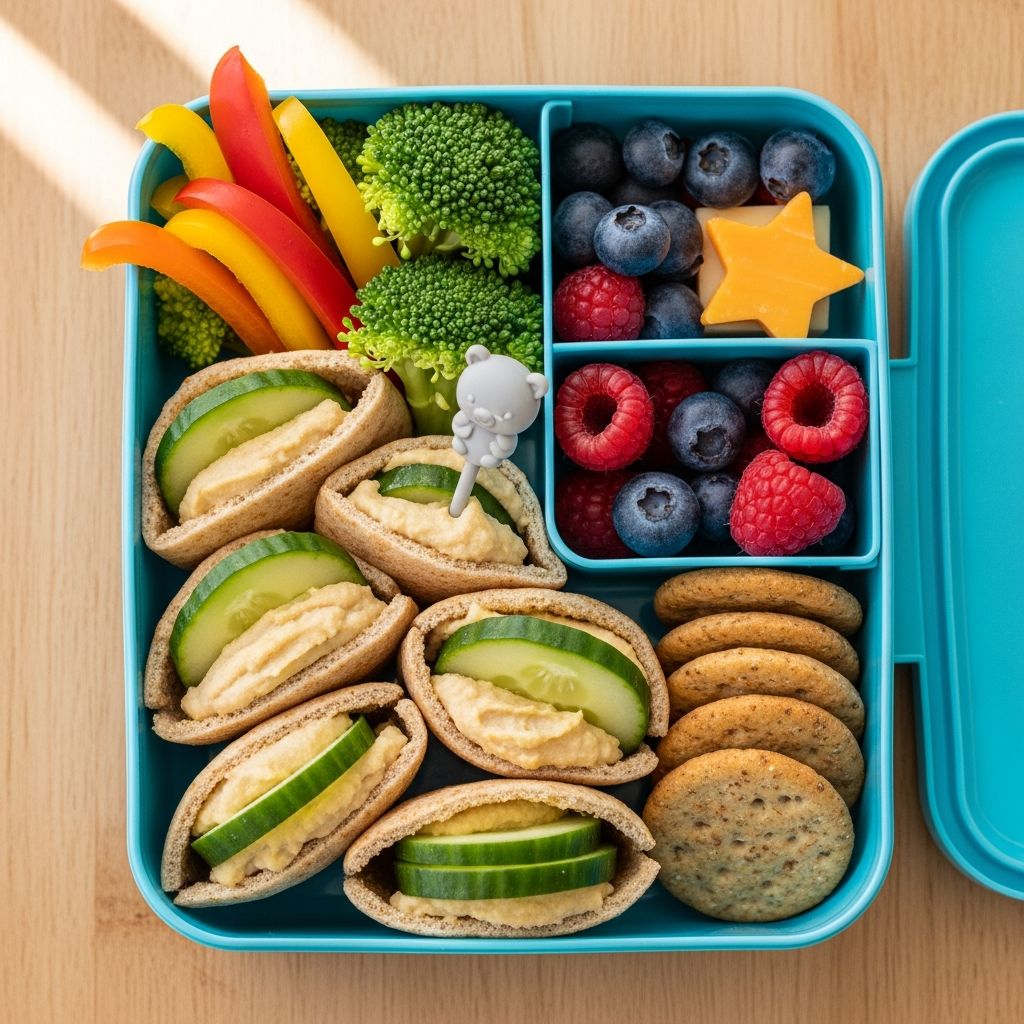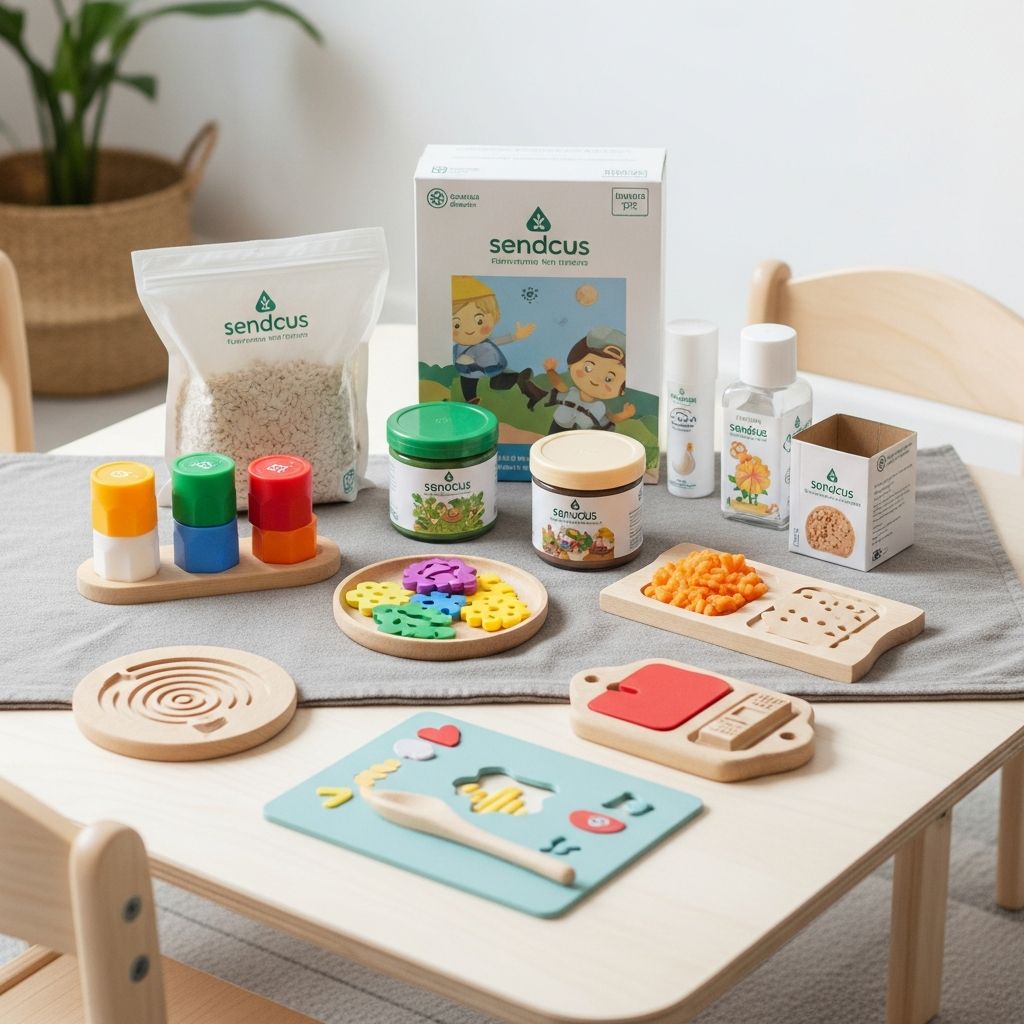
Engaging young children in sensory play offers a gateway to profound developmental growth. These activities stimulate sight, sound, touch, taste, smell, and movement, laying strong foundations for learning and exploration.
Why Sensory Experiences Matter for Early Growth
From birth, children absorb the world through their senses, forging neural pathways essential for advanced skills. Sensory play integrates multiple senses, enhancing brain connectivity and preparing kids for complex tasks like reading and problem-solving.
Research highlights how repeated sensory input refines perception, helping children distinguish textures, temperatures, and sounds. This multisensory approach supports holistic development across physical, emotional, and intellectual domains.
Key Developmental Advantages of Sensory Engagement
Sensory activities deliver targeted benefits that extend far beyond immediate fun. Here’s a breakdown:
- Cognitive Boost: Children categorize experiences, like noting a material’s smoothness or graininess, which sharpens categorization and memory skills.
- Motor Skill Enhancement: Pinching, pouring, and molding build fine motor control for tasks such as writing or dressing independently.
- Language Expansion: Describing sensations—’squishy,’ ‘crunchy,’ or ‘fragrant’—enriches vocabulary and expressive abilities.
- Social and Emotional Growth: Group play teaches sharing tools and ideas, fostering empathy and cooperation.
- Self-Regulation: Manipulating calming textures aids emotional management and stress relief.
| Benefit | Target Age | Example Impact |
|---|---|---|
| Cognitive | 1-5 years | Improved problem-solving |
| Fine Motor | 2-4 years | Better hand-eye coordination |
| Language | 18m-5y | Rich descriptive speech |
| Social | 3-5 years | Enhanced peer interaction |
Building Brain Pathways Through Hands-On Fun
Active sensory use creates robust nerve connections in the brain. When toddlers mix colors in paint or preschoolers sift sand, their brains link sensory data, boosting executive functions like focus and planning.
For instance, exploring varied textures reinforces object properties, aiding scientific thinking from an early age. This foundational work supports later academic success.
Strengthening Little Muscles for Big Achievements
Fine motor development thrives on sensory tasks involving small hand movements. Squeezing dough or threading beads fortifies finger strength, crucial for school readiness.
Gross motor gains come from active play like climbing through tunnels or balancing on cushions, promoting overall physical confidence and coordination.
Unlocking Communication Through Sensory Worlds
Sensory play naturally prompts verbal expression. As children encounter novel smells or tastes, they articulate preferences, expanding their lexicon organically.
Encourage narration during activities: ‘How does this feel?’ prompts detailed responses, bridging sensory input to linguistic output.
Fostering Connections and Emotional Balance
In group settings, sensory bins become social hubs where kids negotiate turns and collaborate on creations. This builds vital interpersonal skills.
Proprioceptive activities, like heavy lifting or deep pressure, calm the nervous system, teaching self-soothing techniques.
Simple Setup Tips for Everyday Sensory Magic
Creating sensory opportunities requires minimal resources. Use household items for safe, mess-manageable play:
- Opt for contained spaces like trays or bins to limit spills.
- Supervise closely, especially with small or edible parts.
- Rotate materials to sustain interest and introduce variety.
- Clean up promptly to prevent slips or ingestion risks.
Touch-Focused Activities to Ignite Curiosity
Tactile play captivates with diverse feels. Fill a bin with cooked spaghetti and meatballs for a pasta exploration, letting kids pull and twist strands.
Kinetic sand offers molding fun without the mess of wet varieties. Pair with toys for imaginative digs and builds.
Shaving cream on trays allows finger drawing and scent discovery, blending art with sensory input.
Sound and Rhythm Explorations
Auditory activities sharpen listening skills. Homemade drums from oatmeal boxes and spoons create beats for group rhythms.
Rice shakers in bottles produce soothing shakes. Vary fills like beans or bells for pitch contrasts, encouraging sound matching games.
Visual Spectacles and Color Adventures
Bright hues engage eyes. Water beads in vibrant colors swell dramatically, mesmerizing as they absorb liquid.
Color mixing with droppers in water reveals transformations, teaching cause-effect while dazzling with rainbows.
Nature’s Sensory Treasures
Outdoor elements provide authentic textures. Digging in dirt or leaf piles connects kids to natural cycles.
Snow play or mud pies offer temperature contrasts, with safe tools for scooping and shaping.
Taste and Smell Safely Discovered
Edible doughs like yogurt-based mixtures let taste join touch. Infuse with herbs for aroma layers.
Fruit slicing exposes juices and scents, prompting multi-sensory meals turned playtime.
Movement and Balance Challenges
Vestibular play like spinning or swinging builds body awareness. Obstacle courses with cushions enhance proprioception.
Yoga poses with scarves add visual flair to motion, promoting mindfulness.
Seasonal and Themed Sensory Ideas
Adapt to holidays: pumpkin guts for fall or cotton ball snow for winter. Themes keep play fresh and relevant.
Overcoming Common Hurdles in Sensory Play
Mess concerns? Use washable mats. Sensory aversions? Introduce gradually with familiar items.
Allergies? Stick to hypoallergenic naturals like oats over dyes.
Frequently Asked Questions
How often should we do sensory play?
Daily 15-30 minute sessions suffice, integrated into routines for consistent growth.
Is sensory play suitable for all kids?
Yes, adaptable for diverse needs, including those with sensory processing differences.
What if my child resists new textures?
Start with preferred senses, slowly blending challenges for comfort.
Can sensory play help with focus issues?
Absolutely, by regulating input and building attention through engaging repetition.
Are there age-specific guidelines?
Toddlers favor simple touch; preschoolers enjoy complex, multi-step setups.
References
- Benefits of sensory play for preschoolers (with free printables) — Lillio. 2023-05-15. https://www.lillio.com/blog/sensory-play-benefits-for-preschoolers
- Sensory play: What it is and what are the benefits — Lovevery Blog. 2024-02-10. https://blog.lovevery.com/skills-stages/sensory-play/
- 8 Benefits of Sensory Play — Play 2 Progress. 2023-11-20. https://play2progress.com/blogs/blog/8-benefits-of-sensory-play
- The Benefits of Sensory Play For Your Child — Cleveland Clinic. 2024-08-05. https://health.clevelandclinic.org/benefits-of-sensory-play-ideas
- Exploring the Benefits of Sensory Play for Children — OAC. 2023-09-12. https://www.oac.edu.au/news-views/sensory-play/
- Sensory Play — Action for Healthy Kids. 2024-01-18. https://www.actionforhealthykids.org/activity/sensory-play/
- Sensory Play for Toddlers and Preschoolers – Brightwheel — Brightwheel. 2024-03-22. https://mybrightwheel.com/blog/everything-to-know-about-sensory-play-the-ultimate-guide