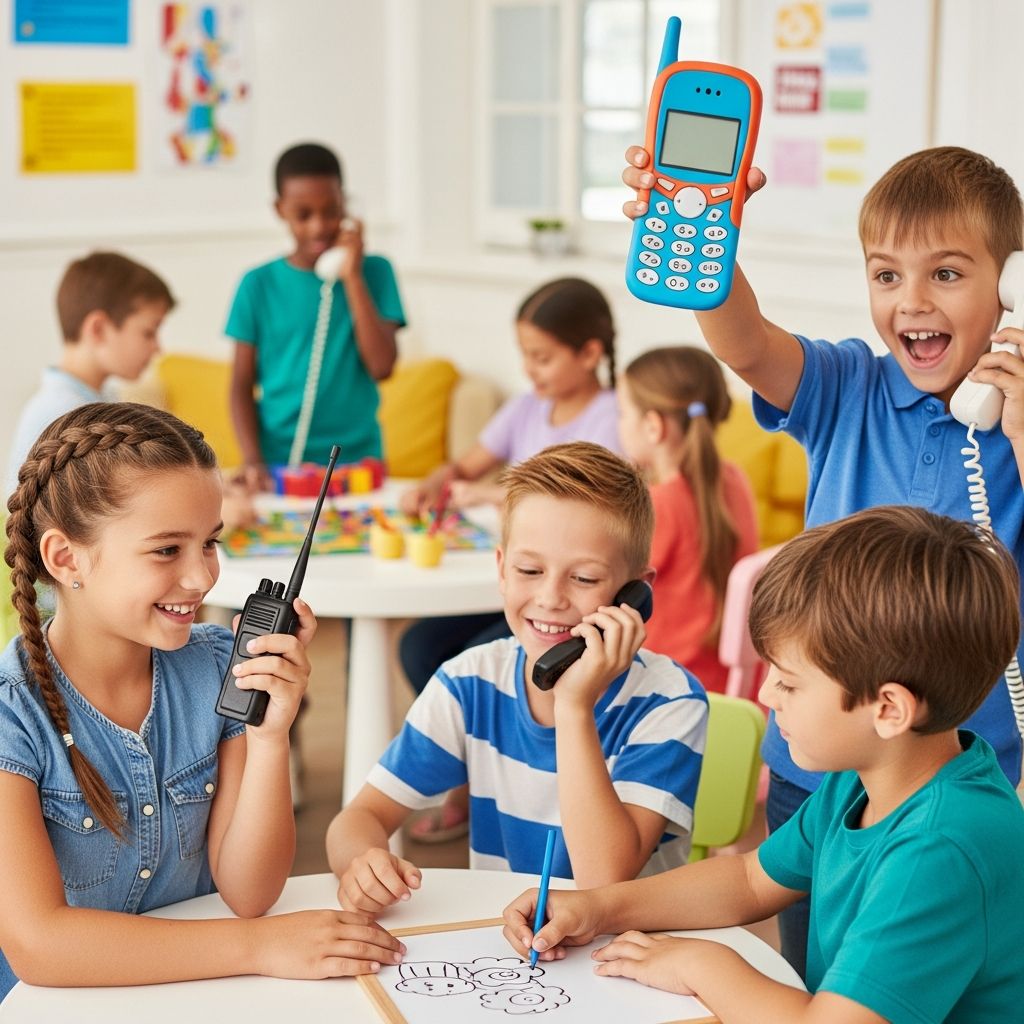
Sensory overload occurs when a child’s brain receives more sensory input than it can process, leading to distress and behavioral reactions. This phenomenon is common in young children whose developing nervous systems struggle to filter stimuli from sights, sounds, smells, touches, and tastes.
Recognizing the Signs of Sensory Overload
Early identification of sensory overload is crucial for timely intervention. Children may exhibit a range of emotional and physical responses that parents often mistake for misbehavior.
- Anxiety and irritability: Sudden mood shifts, restlessness, or unexplained agitation in stimulating environments.
- Physical avoidance: Covering ears, closing eyes, or shielding the face to block input.
- Emotional outbursts: Crying, screaming, meltdowns, or running away from the situation.
- Social withdrawal: Difficulty conversing, avoiding eye contact, or inability to engage with others.
- Over- or under-reactivity: Seeking intense sensations like head-banging or avoiding touch and textures.
In public settings like pools, malls, or parties, these signs intensify due to multiple stimuli converging—loud noises, bright lights, and crowds.
Understanding the Root Causes
Sensory overload stems from the brain’s inability to prioritize and filter sensory information effectively. Children’s immature neural pathways make them particularly vulnerable.
Contributing factors include:
- Developmental stage: Young brains are still learning to sort stimuli, increasing overload risk.
- Fatigue and stress: Tiredness, hunger, or anxiety lowers the sensory threshold.
- Neurological imbalances: Issues like dysautonomia or vagus nerve stress impair processing.
Associated Conditions and Risk Factors
While any child can experience overload, it’s more prevalent in those with certain neurodevelopmental conditions.
| Condition | Link to Sensory Overload | Key Symptoms |
|---|---|---|
| Autism Spectrum Disorder | Sensory sensitivities added to diagnostic criteria in 2013; overload triggers meltdowns. | Heightened response to noise, light; shutdowns or outbursts. |
| ADHD | Difficulty filtering distractions leads to restlessness. | Irritability, poor focus in stimulating settings. |
| Sensory Processing Disorder (SPD) | Brain misprocesses sensory input; categorized as seeking or avoiding. | Clumsiness, touch aversion, public overwhelm. |
| PTSD or Anxiety | Heightened senses during stress episodes. | Anxiety, urge to escape environments. |
Other risks: difficult births, chronic illness, or poor posture affecting nerve function.
Practical Strategies for Prevention
Proactive measures help minimize overload by reducing exposure and building resilience.
- Identify triggers: Track environments, times, and stimuli causing reactions using a journal.
- Create sensory diets: Scheduled activities matching the child’s needs, like swinging for vestibular input or deep pressure hugs.
- Prepare in advance: Use social stories or visuals before overwhelming events, e.g., ‘At the store, it will be noisy, but we can take breaks.’
- Optimize home environment: Dim lights, white noise machines, seamless clothing to avoid tags.
For school, collaborate with teachers on quiet corners or noise-canceling headphones.
Immediate Response Techniques During Overload
When overload hits, swift de-escalation prevents escalation.
- Remove from stimulus: Quietly lead to a calm space; avoid crowded areas.
- Deep pressure therapy: Weighted blankets, tight hugs, or bear hugs to calm the nervous system.
- Breathing exercises: Guide slow breaths: ‘Breathe in for 4, out for 4’ to regulate.
- Sensory tools: Chewable jewelry, fidget toys, or ear defenders for self-soothing.
- Validate feelings: ‘I see the noise is too much; it’s okay to feel this way.’
Avoid punishment; view reactions as neurological, not willful.
Long-Term Support and Professional Help
For persistent issues, seek occupational therapy (OT) specializing in sensory integration. OT uses play-based interventions to improve processing.
- Therapy benefits: Customized plans addressing tactile, auditory, vestibular systems.
- Home exercises: Brushing protocols, swinging, or obstacle courses.
- Medical evaluation: Rule out underlying conditions via pediatrician or neurologist.
Resources: Autism Speaks for sensory toolkits; Children’s Hospital directories for SPD specialists.
Building Resilience Through Daily Routines
Incorporate sensory-rich activities to strengthen tolerance:
- Morning: Heavy work like pushing laundry baskets.
- Afternoon: Nature walks for grounding textures.
- Evening: Calm baths with dim lights.
Monitor progress; adjust as the child grows.
Frequently Asked Questions (FAQs)
Is sensory overload the same as a tantrum?
No. Tantrums are often goal-directed for attention or wants, while overload is an involuntary response to unmanageable stimuli.
Can sensory overload affect school performance?
Yes, noisy classrooms or transitions overwhelm, causing distraction or meltdowns. IEPs with sensory accommodations help.
How do I know if my child needs therapy?
If daily activities are disrupted, multiple signs persist, or related conditions are suspected, consult a professional.
Are there products that help?
Yes: compression clothing, noise-canceling headphones, weighted vests—chosen based on sensory profile.
Does sensory overload improve with age?
Often yes, as brains mature, but early intervention accelerates gains.
Case Studies: Real-Life Applications
Pool Day Success: A child overwhelmed by splashes and shouts benefited from pre-visit earplugs and a ‘safe word’ for breaks, turning dread into enjoyment.
Shopping Trip: Using a visual timer and cart snacks reduced meltdown risks in bright, noisy stores.
Empowering Parents: Self-Care Matters
Parenting a sensory-sensitive child is demanding. Practice your own regulation through mindfulness to model calm.
Join support groups for shared strategies and validation.
References
- Sensory overload: Symptoms, causes, and treatment — Medical News Today. 2023-10-12. https://www.medicalnewstoday.com/articles/sensory-overload
- The Warning Signs of Sensory Processing Disorder in Children — Crawl Walk Jump Run. 2022-05-18. https://crawlwalkjumprun.com/sensory-processing-disorder-children/
- Sensory Overload: Symptoms, Causes, Related Conditions, and More — Healthline. 2024-02-20. https://www.healthline.com/health/sensory-overload
- Why Your Child May Be Struggling With Sensory Overload — Vital Wellness Center. 2023-08-15. https://vitalwellnesscenter.net/why-your-child-may-be-struggling-with-sensory-overload/
- Sensory Processing Disorder in Kids — Children’s Hospital Colorado. 2024-01-10. https://www.childrenscolorado.org/just-ask-childrens/articles/sensory-processing-disorder/
- 7 Signs That Your Child May Have Sensory Processing Differences — NoCo Assessment Center. 2023-11-05. https://nocoassessmentcenter.com/7-signs-that-your-child-may-have-sensory-processing-differences/
- Sensory issues — Autism Speaks. 2023-07-22. https://www.autismspeaks.org/sensory-issues
- Sensory Processing Disorder (SPD): Symptoms & Treatment — Cleveland Clinic. 2024-09-14. https://my.clevelandclinic.org/health/diseases/sensory-processing-disorder-spd