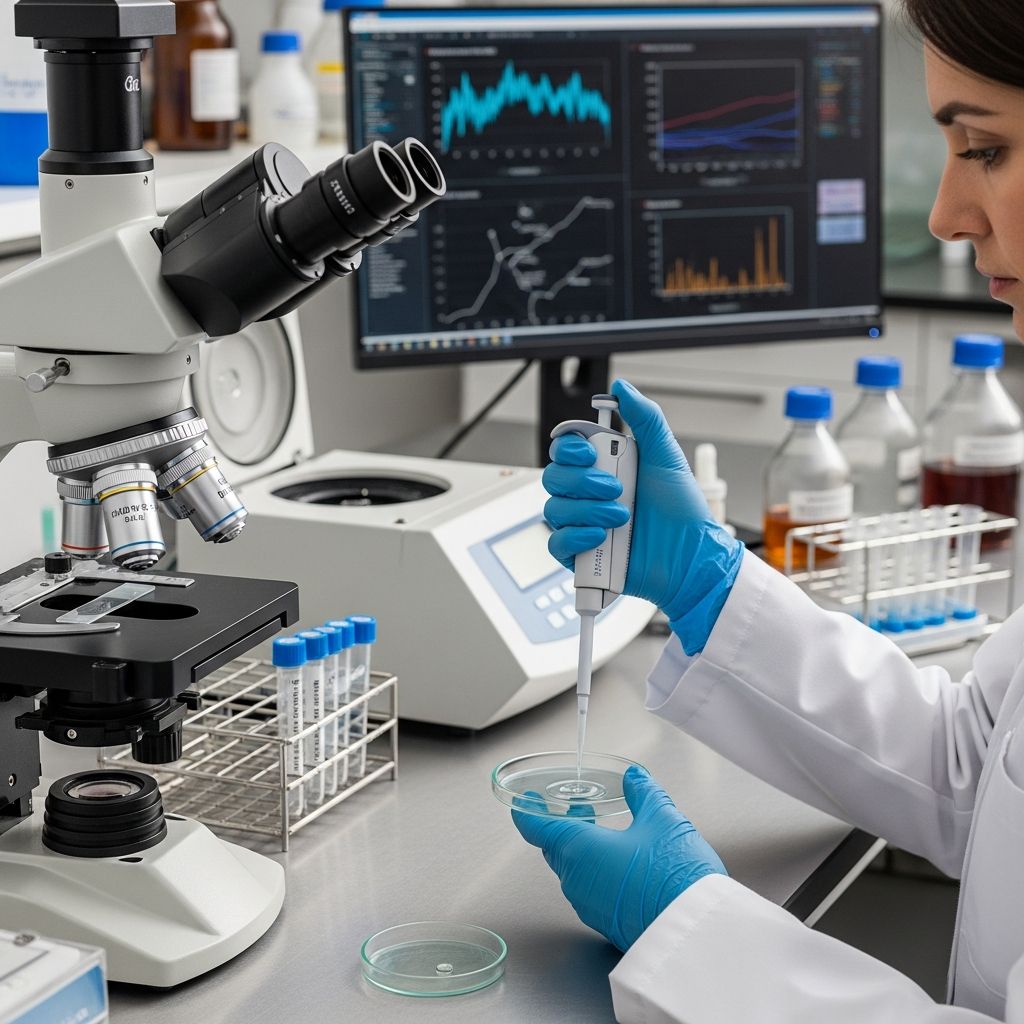
Male fertility evaluation often begins with a semen analysis, a straightforward lab test that examines semen composition and sperm characteristics to identify potential infertility causes or confirm vasectomy success. This test provides critical data on sperm health, guiding reproductive health decisions.
Why Men Undergo Semen Analysis
Semen analysis serves as the cornerstone for diagnosing male factor infertility, which contributes to about half of all couples struggling to conceive after one year of unprotected intercourse. Clinicians recommend it when couples face conception challenges, during fertility treatments like IVF, or post-vasectomy to ensure no viable sperm remain.
Beyond fertility, the test detects issues like blockages in the reproductive tract, infections, hormonal imbalances, or genetic factors affecting sperm production. For instance, low semen volume might indicate seminal vesicle problems, while abnormal sperm shapes could stem from varicocele or environmental exposures.
- Primary uses: Infertility workup, preconception screening, post-surgical verification.
- Frequency: Often repeated 2-3 times for accuracy, as results can vary due to lifestyle or temporary factors.
- Complementary tests: Hormone panels, genetic screening, or ultrasound if initial results are abnormal.
Preparing for Your Semen Analysis Appointment
Optimal preparation ensures reliable results. Abstain from ejaculation for 2-7 days—shorter may underestimate sperm count, longer can reduce motility. Avoid alcohol, tobacco, recreational drugs, and hot environments like saunas for 3-5 days prior, as these impair sperm quality.
Keep a 24-48 hour sample transport window in mind if collecting at home: maintain body temperature using a sterile container provided by the lab. Hydrate well and disclose medications, as some like antibiotics or steroids affect outcomes.
| Preparation Step | Recommended Action | Reason |
|---|---|---|
| Ejaculation Abstinence | 2-7 days | Balances sperm production and maturity |
| Lifestyle Adjustments | No alcohol, caffeine excess, heat exposure | Prevents motility decline |
| Sample Collection | Clean hands, mid-stream ejaculate | Avoids contamination |
| Transport | Within 1 hour at room temp | Maintains viability |
Step-by-Step Collection Process
Collection typically occurs in a private clinic room to minimize stress and ensure freshness, though home collection is viable if expedited to the lab. Masturbate to full ejaculation into a sterile, non-lubricant cup—avoid soaps, condoms, or saliva, as they are spermicidal.
Produce the entire sample; note any difficulties. Labs analyze within 30-60 minutes for motility, with full reports in 1-5 days. Computer-assisted systems enhance precision over manual counts.
- Arrive relaxed; use provided materials.
- Ejaculate fully into container.
- Seal and label immediately.
- Hand to lab tech promptly.
Post-vasectomy samples check for azoospermia (zero sperm), requiring multiple tests over months.
Core Parameters Evaluated in Semen Analysis
Labs scrutinize multiple semen traits using WHO 2010 (updated 2021) benchmarks, adapted by clinics. Key metrics include volume, concentration, motility, morphology, vitality, pH, and liquefaction.
Semen Volume and Appearance
Normal volume ranges 1.5-7.6 mL; low suggests blockages or retrograde ejaculation, high may dilute sperm. Semen appears gray-white and opalescent; yellowing signals infection or jaundice.
Sperm Concentration and Total Count
Concentration measures sperm per mL (≥15 million normal); total count multiplies by volume (≥39 million). Oligospermia (<15M/mL) or azoospermia (zero) prompts further investigation.
Motility: Swimming Ability
Progressive motility (forward-moving) ≥32%, total ≥40%. Asthenozoospermia indicates poor swimmers, often from oxidative stress.
Morphology: Sperm Shape
≥4% normal forms (oval head, intact midpiece, single tail). Teratozoospermia links to DNA damage, reducing fertilization odds.
Other Vital Checks
- Liquefaction: 15-30 min to fluid state; delays impair motility.
- pH: 7.2-8.0; acidic semen harms sperm.
- Vitality: ≥54% live sperm via staining.
- Leukocytes: <1M/mL; excess indicates infection.
- Agglutination: Clumped sperm suggests antisperm antibodies.
| Parameter | Normal Range (WHO) | Implication if Abnormal |
|---|---|---|
| Volume | 1.5-7.6 mL | Blockage or gland dysfunction |
| Concentration | ≥15 million/mL | Low production or obstruction |
| Total Motility | ≥40% | Poor fertilization potential |
| Progressive Motility | ≥32% | Impaired egg reaching |
| Morphology | ≥4% normal | Genetic or structural issues |
| pH | 7.2-8.0 | Hostile environment |
| Liquefaction | 15-30 min | Enzyme deficiency |
Decoding Abnormal Results and Next Steps
Isolated abnormalities rarely doom fertility; combinations matter. Normal overall? Pregnancy rates mirror general population. Borderline? Lifestyle tweaks like weight loss, antioxidants, or quitting smoking help 20-30%.
Severe issues (e.g., azoospermia) may require TESE (testicular extraction), varicocele repair, or ICSI. Antibodies trigger immune tests; infections need antibiotics.
- Mild oligospermia: Monitor, supplement CoQ10/vitamin E.
- Asthenospermia: Anti-estrogen therapy.
- Azoospermia: Distinguish obstructive vs. non- (hormonal/genetic).
Lifestyle Factors Influencing Sperm Quality
Sperm cycle spans 74 days; habits impact results. Obesity drops count 10-20%; exercise boosts motility. Avoid plastics (BPA), pesticides, and cell phone heat. Diet rich in zinc, folate, omega-3s supports parameters.
Advanced Semen Tests for Deeper Insights
Beyond basics: DNA fragmentation index (DFI <30% ideal), acrosome reaction, or hamster egg penetration assess function. Vital for recurrent IVF failure.
Frequently Asked Questions (FAQs)
Who needs a semen analysis?
Couples trying to conceive over 12 months, men over 35, or post-vasectomy patients. It’s noninvasive first-line fertility check.
How accurate are results?
Highly reliable in accredited labs, but repeat for variability. Single test sensitivity ~70%; two raise it to 90%.
Can lifestyle improve bad results?
Yes—3 months of optimized habits (diet, no smoking) improves count/motility in 50% cases.
What if results are normal but no pregnancy?
Female factors or timing issues; combined evaluation needed.
Post-vasectomy: When to test?
8-16 weeks post-op; zero motile sperm confirms success.
Cost and insurance?
$100-300; often covered for infertility.
References
- Semen Analysis – Men’s Clinic — UCLA Health. 2023. https://www.uclahealth.org/medical-services/urology/mens-clinic-ucla/fertility/semen-analysis
- How to Read a Sperm Analysis Report — New Valley Fertility. 2024. https://www.nvfertility.com/post/how-to-read-a-sperm-analysis-report
- Semen Analysis: Purpose, Procedure & Results — Cleveland Clinic. 2025-01-10. https://my.clevelandclinic.org/health/diagnostics/21520-semen-analysis
- What Is Semen Analysis — WebMD. 2024. https://www.webmd.com/infertility-and-reproduction/what-is-semen-analysis
- What Can I Expect From a Semen Analysis? — Illume Fertility. 2023. https://www.illumefertility.com/fertility-blog/what-can-i-expect-from-a-semen-analysis
- Semen Analysis – StatPearls — NCBI Bookshelf. 2023-08-07. https://www.ncbi.nlm.nih.gov/books/NBK564369/
- Semen Analysis — MedlinePlus. 2024. https://medlineplus.gov/lab-tests/semen-analysis/