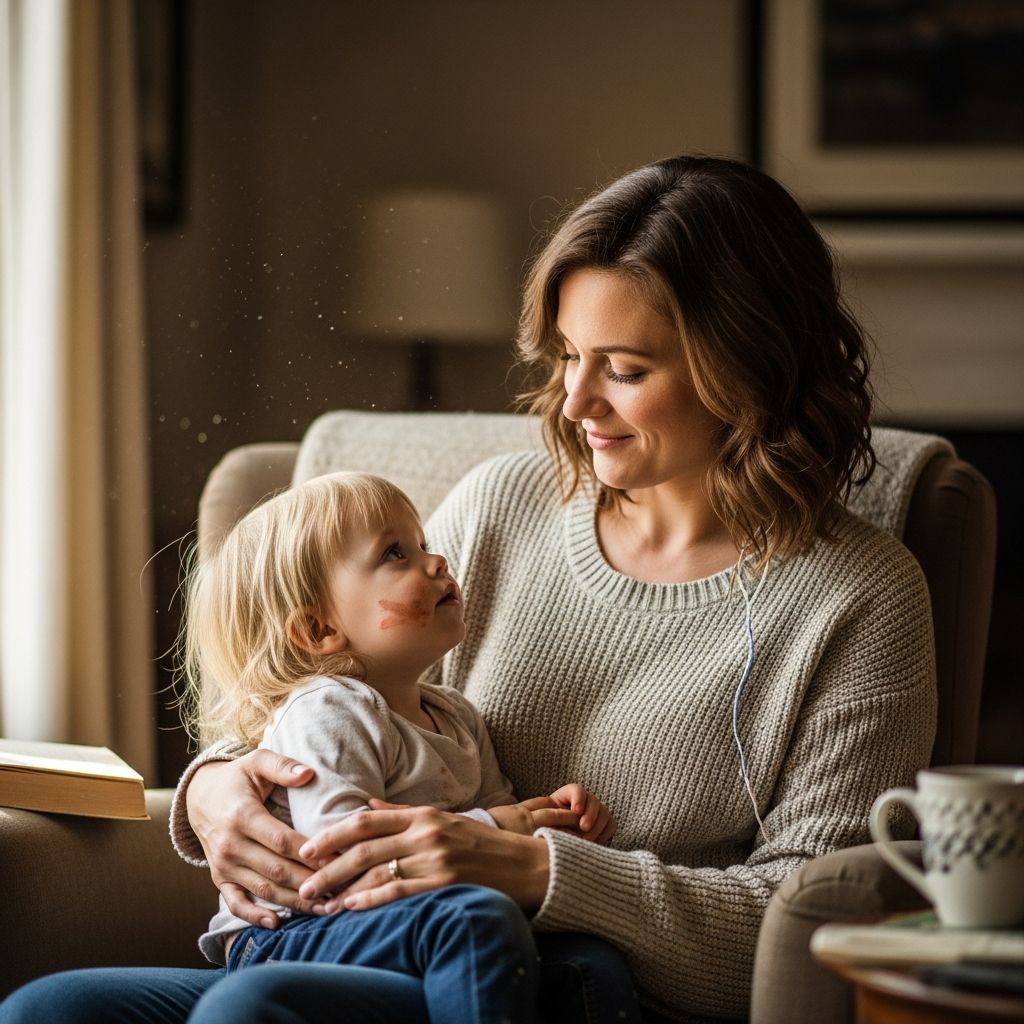
Motherhood often feels like a whirlwind of endless tasks, emotional highs and lows, and an unspoken pressure to have it all figured out. Yet, the truth is that no mother has everything perfectly aligned. Self-compassion offers a powerful antidote to this overwhelm, helping moms treat themselves with the same understanding they freely give to their children.
The Hidden Struggles of Modern Mothers
Today’s mothers navigate a landscape filled with societal expectations, social media ideals, and personal ambitions. Many report feeling isolated in their imperfections, believing they alone fall short. This self-imposed isolation exacerbates stress, anxiety, and even impacts family dynamics.
Research highlights how new mothers frequently withhold compassion from themselves that they would readily offer a friend. This discrepancy stems from deep-rooted cultural conditioning and a fear of appearing weak. Consequently, moms push harder, leading to burnout rather than balance.
- Intense daily demands leave little room for personal reflection.
- Societal narratives glorify the ‘perfect’ parent, ignoring real-life chaos.
- Feelings of inadequacy peak during high-stress periods like postpartum recovery or pandemics.
Understanding Self-Compassion: A Mother’s Lifeline
Self-compassion isn’t indulgence; it’s a researched practice comprising three core elements: mindfulness, self-kindness, and common humanity. Mindfulness involves observing thoughts without judgment, self-kindness means speaking to yourself gently, and common humanity reminds us that struggles are shared.
Studies show self-compassion directly reduces parenting stress and enhances mother-infant bonding. In one longitudinal analysis during the COVID-19 era, higher initial self-compassion predicted stronger bonds mediated by mindful parenting and lower stress levels.
| Component | Description | Benefit for Mothers |
|---|---|---|
| Mindfulness | Present-moment awareness without over-identification | Reduces rumination on ‘failures’ |
| Self-Kindness | Treating yourself with care during hardship | Lowers anxiety and depression |
| Common Humanity | Recognizing shared human experiences | Combats isolation |
Why Mothers Struggle with Self-Kindness
The path to self-compassion is fraught with barriers. Many equate it with self-care alone, overlooking its emotional depth. Intense motherhood responsibilities make carving out time feel impossible, while low self-worth whispers that you don’t deserve it.
Social science indicates we resist compassion for those perceived as ‘responsible’ for their struggles, including ourselves. In parenting, this manifests as blaming personal shortcomings rather than acknowledging systemic lacks in support.
Post-pandemic data reveals lingering emotional tolls: heightened awareness of self-compassion needs but persistent challenges in implementation due to family prioritization.
Practical Strategies to Cultivate Daily Self-Compassion
Building self-compassion is a skill honed through consistent practice. Start small to rewrite negative inner dialogues and foster resilience.
- Challenge Negative Self-Talk: Notice critical thoughts like ‘I’m failing my kids’ and reframe them: ‘I’m doing my best in tough circumstances.’
- Set Realistic Goals: Ditch perfection; aim for ‘good enough’ parenting that prioritizes connection over spotless homes.
- Prioritize Self-Care Rituals: Schedule brief moments for rest, hobbies, or deep breaths—treat them as non-negotiable.
- Build a Support Network: Share vulnerabilities with friends or groups to normalize imperfections and reduce isolation.
- Celebrate Small Wins: Acknowledge daily achievements, from a peaceful bedtime to a heartfelt hug.
- Establish Boundaries: Learn to say no to extras that drain your energy, protecting your well-being.
Incorporate mindfulness exercises: A simple one-month program of friend-like support visualization and kindness meditations significantly boosted self-compassion and cut stress in new mothers.
The Ripple Effects on Family and Beyond
When mothers embrace self-compassion, benefits extend outward. Reduced stress models healthy emotional regulation for children, strengthening bonds and family harmony. It also breaks cycles of judgment, showing others it’s brave to be real.
Pretending perfection harms more than helps—it alienates peers and sets unattainable bars. By owning flaws, you empower a community of authentic parenting.
Self-compassion fosters resilience, turning motherhood’s trials into growth opportunities for the whole family.
Overcoming Common Roadblocks to Self-Compassion
Fears of laziness or self-pity often deter practice. Reframe: Self-compassion equips you to show up better for loved ones, not escape responsibilities. Patience is key; slips into criticism are normal—gently redirect.
For those with trauma histories, professional guidance unpacks deeper blocks. Therapists specializing in maternal mental health can tailor approaches.
Mindfulness in Motherhood: A Deeper Dive
Mindfulness anchors self-compassion by promoting non-judgmental presence. Amid tantrums or sleepless nights, it allows kind responses over reactive ones. Daily practices like breath awareness build this muscle.
Signs of negative self-talk include constant doubt or catastrophizing. Counter with evidence-based reframing and affirmations.
Research-Backed Evidence: Self-Compassion Works
Peer-reviewed studies affirm self-compassion’s efficacy. It buffers against depression, enhances bonding, and builds resilience—crucial in unsupported systems.
Australian trials with new moms showed marked stress reductions post-intervention. Pandemic-era findings underscore its role in emotional recovery.
Frequently Asked Questions (FAQs)
What if self-compassion feels selfish?
It’s not selfish—it’s sustainable parenting. Kinder self-treatment leads to more patient, present motherhood.
How do I start when I’m overwhelmed?
Begin with one breath: Inhale kindness, exhale judgment. Build from there with tiny habits.
Does it really improve family bonds?
Yes—studies link maternal self-compassion to better infant bonding via reduced stress.
What about cultural pressures against it?
Challenge them by modeling authenticity; it shifts norms for your children and community.
Can I teach my kids self-compassion?
Absolutely—your practice demonstrates it. Use age-appropriate talks on shared struggles.
Steps to a More Compassionate Tomorrow
Today, whisper one kind truth to yourself. Tomorrow, extend it. Motherhood thrives not in flawlessness, but in grace-filled persistence. You’re not alone; you’re enough.
References
- Why Self-Compassion Is So Important for New Mothers — Psychology Today. 2021-04-01. https://www.psychologytoday.com/us/blog/finding-balance-postpartum/202104/why-self-compassion-is-so-important-for-new-mothers
- Motherhood and Mindfulness: Building Resilience through Self-Compassion — Bright Path Behavioral Health. N/A. https://www.brightpathbh.com/motherhood-and-mindfulness/
- Moms Deserve Self-Compassion — Sharon Martin Counseling. N/A. https://sharonmartincounseling.com/moms-deserve-self-compassion/
- Pandemic’s Emotional Toll on Moms Lingers – Can Self-Compassion Help? — Florida Atlantic University (FAU). N/A. https://www.fau.edu/newsdesk/articles/self-compassion-mothers-pandemic.php
- The role of mothers’ self‐compassion on mother–infant bonding — PMC (PubMed Central). 2021. https://pmc.ncbi.nlm.nih.gov/articles/PMC8426800/
- Why Parents Need a Little Self-Compassion — Greater Good Science Center, Berkeley. N/A. https://greatergood.berkeley.edu/article/item/why_parents_need_a_little_self_compassion