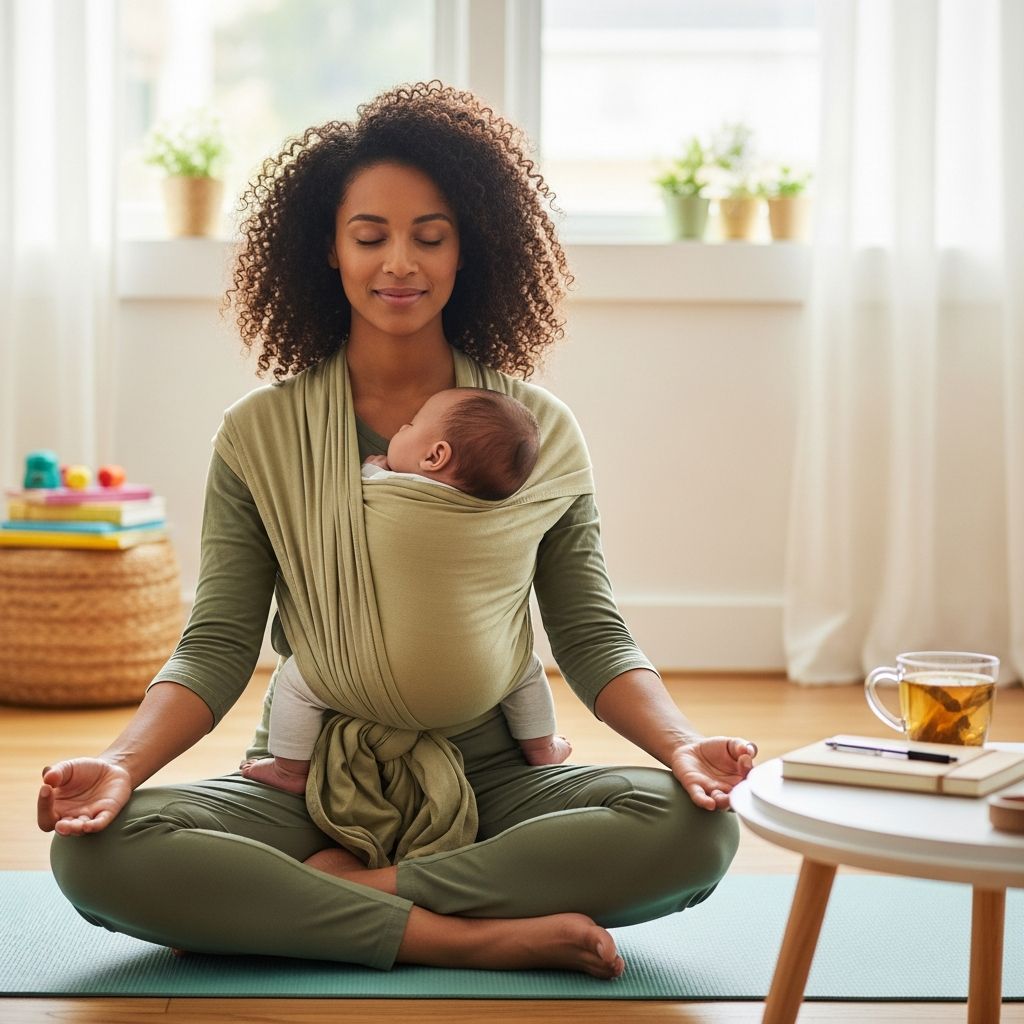
Motherhood brings immense joy but also unique challenges that can drain even the strongest individuals. Prioritizing personal wellness isn’t selfish—it’s essential for showing up as your best self for your family. This guide explores integrated approaches to self-care that fit seamlessly into daily parenting routines, drawing from expert insights to help you thrive.
Why Self-Care Matters for Modern Mothers
Self-care equips mothers with the resilience needed to handle endless demands. Research shows that consistent wellness practices improve mood regulation and energy levels, creating a positive ripple effect on family dynamics. When moms nurture themselves, they model healthy behaviors for children, fostering long-term emotional intelligence in the next generation.
Physically, basic habits like adequate sleep and movement prevent burnout. Emotionally, moments of reflection build self-compassion, reducing feelings of overwhelm. Mentally, structured downtime sharpens focus, making parenting more enjoyable and effective. Without these, exhaustion can lead to resentment or diminished presence with kids.
Building a Foundation: Daily Physical Wellness Habits
Start with fundamentals that sustain your body amid parenting chaos. Aim for 7-8 hours of sleep nightly, as it directly impacts cognitive function and patience. Pair this with 150 minutes of weekly activity, such as brisk walks with your child in a stroller.
- Incorporate short stretches: Extend arms, legs, neck, and back for 2-3 minutes to release tension from carrying babies or toddlers.
- Hydrate intentionally: Drink 6-8 cups of water daily to maintain energy and clarity.
- Fuel wisely: Choose lean proteins, fruits, vegetables, and whole grains over processed foods to stabilize blood sugar.
These habits don’t require hours; integrate them during nap times or play breaks. A quick yoga sequence—two to three poses like child’s pose or cat-cow—re-energizes in under five minutes.
Emotional Recharge: Mindfulness and Joyful Moments
Emotional health thrives on intentional pauses. Deep breathing activates the body’s relaxation response, lowering stress hormones instantly, even in a noisy home. Practice abdominal breaths: Inhale deeply for four counts, hold, exhale for six—repeat five times amid chaos.
Embrace pleasant activities, defined as enjoyable practices that lift mood without cost or complexity. These spark a chain reaction, encouraging more positivity.
| Quick Joy Boosters | Time Needed | Benefits |
|---|---|---|
| Listen to favorite music | 5 minutes | Reduces anxiety, elevates dopamine |
| Savor a warm shower with lotion | 10 minutes | Sensory pampering, skin health |
| Journal gratitudes | 3 minutes | Shifts mindset to abundance |
| Read a short article | 5 minutes | Mental escape, inspiration |
Gratitude practices rewire the brain for optimism, countering parenting frustrations. Write three things you’re thankful for daily—your child’s laugh, a quiet coffee, or personal growth.
Creating Space: Time Management for Busy Moms
Structure is key when support is limited. Use a planner to map family tasks, prioritizing high-energy demands first. This prevents last-minute rushes and carves out ‘me time.’
- Follow a flexible schedule: Set routines for meals, play, and bedtimes to predict free slots.
- Plan interactive play: Dedicate 20-30 minutes to focused child engagement, freeing guilt-free moments later.
- Designate a recharge spot: A cozy chair or corner signals your brain to unwind quickly.
Even 10 minutes daily for meditation or affirmations builds momentum. Apps or timers make this non-negotiable, like any appointment.
Strengthening Connections: Social and Relational Self-Care
Isolation amplifies motherhood stress. Connect with other parents via groups or calls for validation and ideas. Adult conversations—about work, hobbies, or news—replenish your social battery.
With partners, alternate ‘me time’ slots. Schedule yours firmly, like a yoga class, ensuring mutual coverage. This reciprocity deepens bonds and prevents burnout.
Seek your village: Accept offered help or ask directly for babysitting. Delegating isn’t weakness; it’s strategic. Strong relationships amplify your capacity to nurture.
Setting Boundaries: Protecting Your Energy
Learn to say no to draining commitments. Prioritize energy-giving activities, like a nature walk over obligatory events. Boundaries preserve sanity, allowing fuller presence with family.
Practice self-compassion: On tough days, affirm ‘I’m doing my best.’ This counters perfectionism, common among 78% of moms who delay self-care.
Overcoming Common Obstacles to Self-Care
Lack of time feels insurmountable, but micro-habits compound. No support? Leverage community apps or neighbors. Guilt? Reframe: Recharged moms are more patient and fun.
Track progress weekly—what worked? Adjust. Consistency trumps perfection, yielding sustainable change.
Frequently Asked Questions (FAQs)
What if I have no time for self-care?
Opt for micro-practices like deep breaths or stretches during transitions. Schedule 5-10 minutes daily; it builds into larger habits.
How does self-care benefit my kids?
You model wellness, teaching them to prioritize health. A happier mom means more engaged parenting.
Can I self-care without spending money?
Yes—breathing, stretching, journaling, and walks are free and effective.
What about exercise with little ones?
Involve them: Dance parties, stroller walks, or kid yoga. Aim for 150 minutes weekly.
How do I start a gratitude practice?
Evening ritual: Note three positives. It shifts perspective quickly.
Long-Term Strategies for Sustained Wellness
Beyond daily tactics, cultivate hobbies. Rediscover pre-kid passions or try new ones in bite-sized doses. Reading short books or journaling captures ‘you’ time.
Monitor basics: Regular check-ups ensure physical health supports mental. Therapy or coaching, even virtually, addresses deeper needs.
Ultimately, self-nurturing enhances every role. Energized moms create joyful homes, proving wellness and parenting harmonize beautifully.
References
- A Mother’s Guide to Self-Care and Empowerment: Thriving Through Motherhood — IMPCNA. 2023. https://impcna.com/a-mothers-guide-to-self-care-and-empowerment_thriving-through-motherhood/
- 10 Easy Ways Moms Can Nurture Themselves — Sanford Health News. 2023-05-10. https://news.sanfordhealth.org/womens/10-easy-ways-to-nurture-yourself/
- Self-Care Tips — Northwestern Mothers & Babies Program. 2024. https://www.mothersandbabiesprogram.org/parents/self-care-tips/
- 10 Ways to Practice Self-Care as a Parent — Cleveland Clinic Health. 2023-11-15. https://health.clevelandclinic.org/realistic-ways-to-practice-self-care-as-a-parent
- 10 Self-Care Tips for Moms With Little to No Support System — Diary of an Honest Mom. 2024-02-20. https://diaryofanhonestmom.com/blog/10-self-care-tips-for-moms-with-little-to-no-support-system/
- Self-Care Tips for Moms — Mayo Clinic Health System. 2024-01-08. https://www.mayoclinichealthsystem.org/hometown-health/speaking-of-health/self-care-tips-for-moms