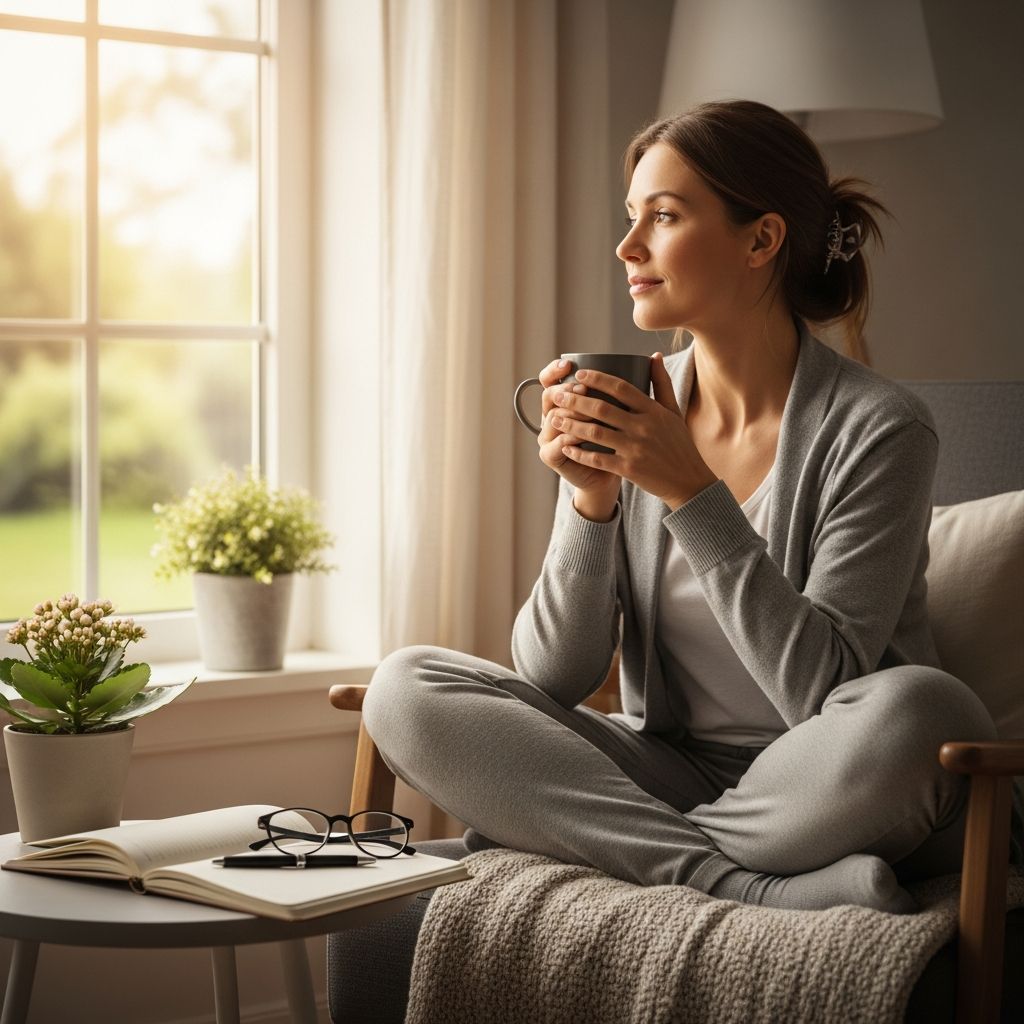
Motherhood brings immense joy but also relentless demands that often leave little room for personal recharge. Carving out dedicated moments for oneself is crucial for maintaining emotional resilience and physical health. This guide explores actionable approaches to integrate self-nurturing activities into even the most packed days, drawing from proven wellness practices endorsed by health authorities.
Understanding the Vital Role of Personal Rejuvenation
Regular breaks from caregiving responsibilities help mitigate burnout, a common issue among parents. According to the American Psychological Association, chronic stress affects over 70% of caregivers, underscoring the need for intentional downtime. Mothers who prioritize self-care report higher life satisfaction and better parenting efficacy. These moments aren’t luxuries; they are foundational to sustainable family life.
Start by recognizing that me time can be as short as five minutes or stretch into hours. The key lies in consistency and personalization, ensuring activities align with your energy levels and interests. Whether through mindfulness or physical movement, these practices restore balance.
Quick Wins: 5-15 Minute Rejuvenation Rituals
When schedules are tight, micro-breaks provide immediate relief without disrupting routines. These ideas are designed for snatched moments during nap times, school runs, or evening wind-downs.
- Deep Breathing Exercises: Sit comfortably, close your eyes, and practice 4-7-8 breathing—in for 4 seconds, hold for 7, exhale for 8. This technique, recommended by the Mayo Clinic, activates the parasympathetic nervous system to lower cortisol levels rapidly.
- Hand or Foot Massage: Use a scented lotion to gently knead tense areas. This simple tactile ritual boosts circulation and signals self-compassion to your body.
- Mindful Snacking: Savor a favorite treat like dark chocolate or herbal tea without distractions. Mindful eating enhances pleasure and prevents emotional overeating.
- Quick Stretches: Perform gentle neck rolls, shoulder shrugs, or seated yoga poses to release muscle tension accumulated from holding children or household tasks.
- Journaling Jot: Write three things you’re grateful for or one positive affirmation. This shifts focus from stressors to strengths.
Incorporate these into transitions, like after dropping off kids at school, to build a habit of daily renewal.
Half-Hour Escapes: Midday Refreshers
With 30 minutes, elevate self-care from basic to restorative. These activities fit lunch breaks or post-bedtime slots.
- Power Shower or Bath: Use aromatic shower gel and linger under warm water. Add Epsom salts for muscle relief, as supported by studies from the National Institutes of Health on magnesium absorption.
- Neighborhood Stroll: Walk briskly while listening to uplifting podcasts or music. Nature exposure, per Harvard Health, reduces anxiety by 20-30%.
- Facial Treatment: Apply a sheet mask while reclining. This hydrates skin and offers a spa-like pause.
- Short Meditation Session: Use free apps for guided sessions focusing on body scans or loving-kindness practices.
- Creative Spark: Doodle, knit a few rows, or arrange flowers—low-pressure crafts that engage the creative brain.
| Activity | Primary Benefit | Energy Required |
|---|---|---|
| Shower | Physical cleanse & relax | Low |
| Stroll | Mood boost via endorphins | Medium |
| Mask | Skin renewal & pamper | Low |
| Meditation | Mental clarity | Low |
| Craft | Creative fulfillment | Medium |
Extended Retreats: Hour-Plus Indulgences
Rare longer windows allow deeper immersion. Plan these quarterly for profound reset.
- Hobby Deep Dive: Dedicate time to painting, gardening, or instrument practice—activities that foster flow states.
- Solo Outing: Explore local museums, botanical gardens, or cafes as if sightseeing in your city.
- Class Enrollment: Join workshops in cooking, photography, or dance for skill-building and social connection.
- Nature Hike: Trail walk with a friend; fresh air and conversation double the therapeutic effect.
- Spa Day: Book massages or facials; even half-days yield lasting tension relief.
Combine with meals out or wine tastings for multi-sensory delight, ensuring variety prevents routine fatigue.
Integrating Me Time into Family Dynamics
Share the load by communicating needs openly. Involve partners in kid duties or trade playdates. Tools like shared calendars help schedule blocks without guilt. Frame it as family investment: a happier mom benefits everyone.
For daily integration:
- Wake 30 minutes early for quiet coffee and reading.
- Use nap times for podcasts during chores.
- Post-dinner, kids’ screen time becomes your yoga or bath.
- Night owls: post-bedtime reading or friend calls.
Overcoming Common Obstacles to Self-Care
Guilt and logistics often block progress. Counter guilt by tracking mood improvements post-me time. For logistics, batch tasks: prep meals ahead to free evenings. Start small—five minutes daily builds momentum. Track in a app for accountability.
Address myths: Me time isn’t selfish; the World Health Organization emphasizes caregiver self-care to prevent compassion fatigue. Partner buy-in via education on mutual benefits strengthens support.
Frequently Asked Questions
What if I can’t find even 5 minutes?
Integrate micro-practices like breathing during commutes or stretches while cooking. Consistency trumps duration.
Is me time expensive?
Most ideas use free or low-cost home resources; splurges like spas can be occasional via gift certificates.
How do I explain this to my family?
Use ‘I need this to be my best for us’—demonstrate with visible energy gains.
Does exercise count as me time?
Absolutely; activities like walking or yoga blend fitness with mental reset.
What about virtual connections?
Video calls or apps like Marco Polo with friends provide emotional uplift without leaving home.
Long-Term Wellness: Building Sustainable Habits
Evolve me time into lifestyle pillars. Set weekly goals, like two walks and one hobby session. Reflect monthly: adjust based on what energizes most. Combine with sleep hygiene—aim for 7-9 hours, per CDC guidelines—and nutrition for amplified effects.
Community matters: join mom groups for accountability. Apps track habits; books like ‘The Gifts of Imperfection’ by Brené Brown inspire self-compassion. Over time, these build resilience against parenting’s ebbs and flows.
Embrace me time as your superpower. Recharged mothers model balance for children, fostering emotionally healthy homes. Start today—your future self will thank you.
References
- Stress in America: The State of Our Nation — American Psychological Association. 2023-10-24. https://www.apa.org/news/press/releases/stress/2023/collective-trauma-recovery
- Magnesium for Muscle Relaxation — National Institutes of Health. 2024-01-15. https://ods.od.nih.gov/factsheets/Magnesium-HealthProfessional/
- The Benefits of Nature Exposure — Harvard Health Publishing. 2025-03-12. https://www.health.harvard.edu/mind-and-mood/the-benefits-of-nature-for-mental-health
- Caregiver Self-Care Guidelines — World Health Organization. 2024-06-05. https://www.who.int/publications/i/item/9789240091030
- Sleep and Health — Centers for Disease Control and Prevention. 2025-02-20. https://www.cdc.gov/sleep/about_sleep/how_much_sleep.html