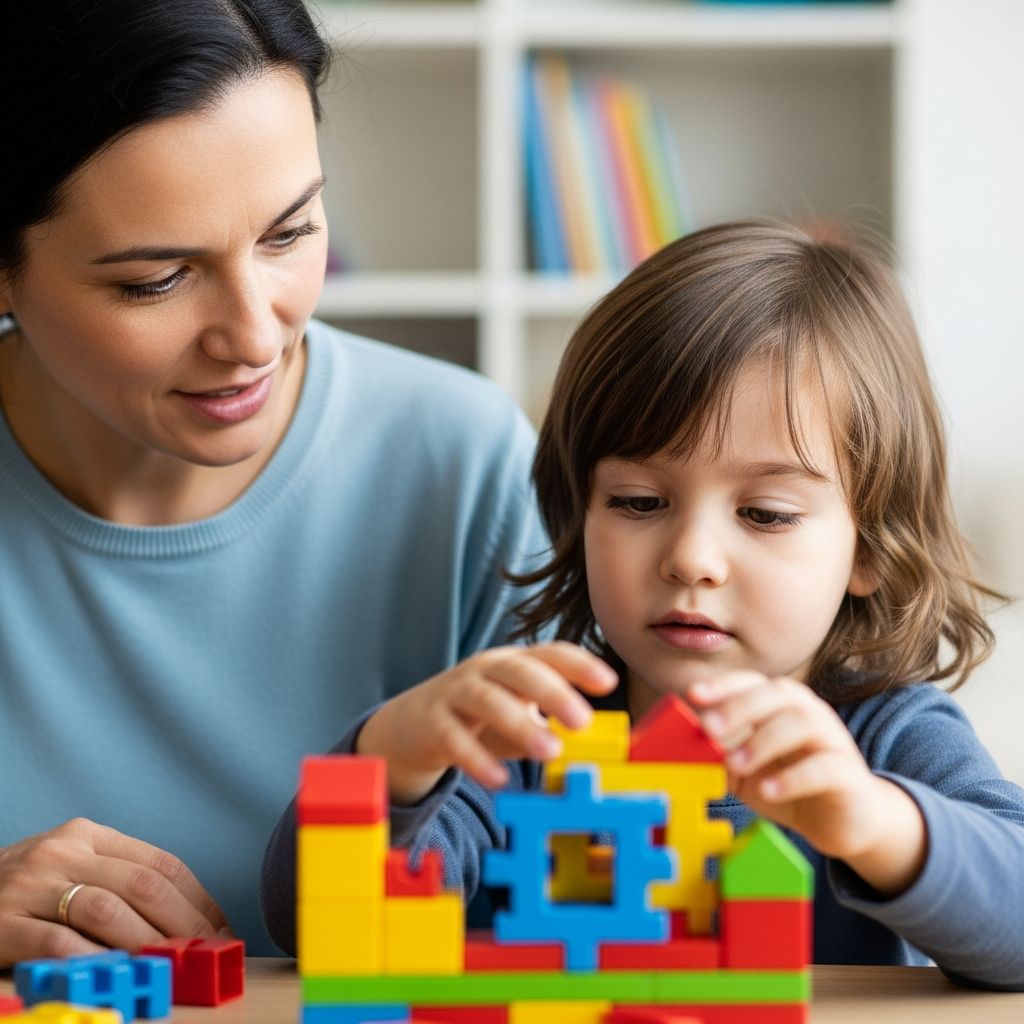
Forming a **secure attachment** with your child during their early years lays the foundation for not just emotional health, but also enhanced cognitive abilities and academic success. Research consistently shows that children with secure bonds to caregivers exhibit better self-regulation, sharper problem-solving skills, and higher intelligence quotients later in life.
The Science Behind Attachment and Brain Development
Secure attachment refers to the deep emotional connection between a child and their primary caregiver, characterized by trust, responsiveness, and mutual comfort. This bond activates key neurochemical pathways in the infant’s brain, promoting regions responsible for emotion regulation and executive function.
During the first two years, repeated positive interactions—such as eye contact, soothing responses to cries, and playful engagement—strengthen neural connections. These interactions release oxytocin and other hormones that build a sense of safety, allowing the child’s brain to focus on exploration and learning rather than survival.
Studies reveal that securely attached infants develop advanced language skills and higher IQ scores by preschool age. For instance, research on gifted children links secure bonds to superior adjustment and intellectual prowess, suggesting that emotional security frees cognitive resources for complex thinking.
Emotional Regulation: The Gateway to Smarter Thinking
**Emotional regulation** is a cornerstone of cognitive development, and secure attachments excel at teaching it. Children with secure bonds display less inappropriate emotional expression in challenging situations, adapting their feelings to context more effectively than insecure peers.
In one longitudinal study, infants classified as securely attached at one year showed reduced incongruent affect—such as smiling during distress or frowning during joy—eight years later during parent-child discussions. This flexibility in emotion expression correlates with better focus and problem-solving in school settings.
- Secure children express negative emotions appropriately during conflicts, aiding resolution.
- They shift to positive affect swiftly in joyful contexts, enhancing social bonds.
- Overall, they receive higher ratings for emotional appropriateness, predicting academic resilience.
This skill translates to classroom success: securely attached kids demonstrate superior self-control, leading to higher grades and fewer behavioral issues.
Long-Term Cognitive and Social Benefits
Beyond infancy, secure attachment predicts a cascade of advantages. Securely attached children enter school more popular among peers and respected by teachers, who respond with higher expectations and warmer interactions.
These children exhibit greater independence, not from early detachment, but from the confidence of a reliable base. They explore boldly, take healthy risks, and recover quickly from setbacks—hallmarks of high intelligence and adaptability.
| Attachment Type | Cognitive Outcomes | Social Outcomes |
|---|---|---|
| Secure | Higher IQ, advanced language, better self-control | More empathy, well-liked, trusting relationships |
| Insecure | Lower emotional flexibility, dependency issues | Disruptive behavior, trust challenges |
Data from meta-analyses confirm secure attachment links to reduced negative affect and enhanced maturity, fostering lifelong self-esteem and relational success.
Practical Strategies for Building Secure Attachments
Parents don’t need perfection; consistency and sensitivity suffice. Respond promptly to your baby’s cues—hunger, discomfort, or joy—with warmth and attunement.
- Practice right-brain communication: Use face-to-face play, motherese speech, and mirroring to sync emotions.
- Balance comfort and exploration: Offer a secure base for ventures, welcoming returns without clinginess.
- Foster autoregulation: Teach self-soothing alongside interactive comfort, building dual regulation skills.
As children grow, transition to authoritative parenting: set limits while remaining emotionally available. This evolves the attachment into negotiated independence.
Overcoming Challenges in Attachment Formation
Not all families start ideally, but interventions work. Programs like the Circle of Security guide parents to recognize their child’s needs on the ‘circle’—drawing close for comfort or supporting exploration.
For at-risk families, early secure attachment buffers maltreatment risks, improving emotion dysregulation and cognitive outcomes. Even one responsive caregiver can yield benefits.
Common pitfalls include over-dependence on routines at the expense of responsiveness. True security blooms from attuned presence, not rigid methods.
Evidence from Real-World Studies
Longitudinal research tracks attachment from infancy to middle childhood, revealing secure bonds predict context-appropriate emotions years later. Teachers unconsciously favor secure children with nurturing approaches, amplifying academic gains.
Secure kids show maturity, empathy, and fewer anger outbursts, paving the way for strong adult relationships and self-efficacy.
Frequently Asked Questions (FAQs)
What exactly is a secure attachment?
A secure attachment is a trusting bond where the child feels safe exploring because they know their caregiver will respond sensitively to needs.
Can secure attachment improve my child’s IQ?
Yes, studies link it to advanced language, higher IQ in gifted children, and better school performance through enhanced self-regulation.
How do I know if my child has a secure attachment?
Secure children are comfortable separating briefly, greet returns joyfully, and use parents as a base for play and learning.
Is it too late if my baby is already a toddler?
No, attachments evolve; consistent responsiveness at any early stage builds security and cognitive benefits.
What’s the difference between secure attachment and attachment parenting?
Secure attachment arises from natural responsiveness, not specific practices like co-sleeping; it’s about emotional attunement.
Conclusion: Invest in Bonds for Brighter Minds
Nurturing secure attachments equips children with the emotional toolkit for intellectual thriving. By prioritizing responsiveness today, parents unlock tomorrow’s potential in cognition, social savvy, and resilience.
References
- Secure Attachment in Infancy Predicts Context-Dependent Emotion Expression in Middle Childhood — PMC/NCBI. 2021-12-09. https://pmc.ncbi.nlm.nih.gov/articles/PMC8678397/
- What is a Secure Attachment? And Why Doesn’t “Attachment Parenting” Get You There? — Developmental Science. 2017-03-31. https://www.developmentalscience.com/blog/2017/3/31/what-is-a-secure-attachmentand-why-doesnt-attachment-parenting-get-you-there
- Attachment Styles in Children (& How to Raise Secure Kids) — Positive Psychology. N/A. https://positivepsychology.com/attachment-styles-childhood/
- Everything You Need to Know About Secure Attachment — Raised Good. N/A. https://raisedgood.com/everything-you-need-to-know-about-secure-attachment/
- How to Cultivate a Secure Attachment with Your Child — Greater Good Magazine. N/A. https://greatergood.berkeley.edu/article/item/how_to_cultivate_a_secure_attachment_with_your_child